

Denver inflation continues to cool
The Denver region’s inflation is continuing to stay below 2%, the Federal Reserve’s ideal annual rate for a healthy economy.
The Denver-Aurora-Lakewood metropolitan area recorded 1.4% inflation year-over-year in September, below the national average of 2.4%, according to the latest report from the Bureau of Labor Statistics.
It was tied for the second-lowest inflation rate for U.S. metros alongside San Bernardino, Calif., both following the Tampa Bay region with 1.2%.
The federal agency tracks the country’s 23 urban regions in two batches, with data being released every other month. Cities with data for August had an inflation range between 3.8% in Chicago and 1.5% in Urban, Alaska.
Chicago, one of three cities the agency tracks every month, had the highest inflation in September at 4%.
July marked the first time Denver saw its inflation fall below 2% since 2021, before prices surged.
Prices in Denver remained unchanged in the two-month period covering August and September, according to the bureau.
The cost of items not including food and energy rose 2% year-over-year in Denver. Energy fell 8.7%. Food costs have gone up 2.1%.
The lower inflation doesn’t mean items are cheaper in Denver. Prices have soared since 2020.
The cost of items around Denver have risen nearly 22% since the COVID-19 pandemic, the 13th-highest nationwide, according to a Pew Research Center study released Oct. 4.
Kroger’s mountain town pricing strategy under scrutiny in Colorado merger trial
The analysis found Denver saw the highest price increases since the pandemic for the “food away from home” category from other cities, commonly considered a measurement for eating out at restaurants.
Tampa Bay had the smallest restaurant cost increases since 2020 at 22.6%, Pew found. Denver had the largest change nationwide with menu prices going up 35% over the past four years.
The largest weighing factor in calculating inflation is housing. Economists attribute much of Denver’s cooling inflation to its cooling housing market.
Home prices have begun to dip after a slow selling season and a large influx of homes listed on the market. The region is also undergoing a boom in apartment construction, which has helped keep rent prices stable.


AI’s rapid growth spurs major legislative action in Colorado
Marissa Ventrelli
marissa.ventrelli@coloradopolitics.com
Updated 27 minutes ago
The 2026 legislative session was marked by lawmakers’ push to establish guardrails on artificial intelligence, a technology advancing at breakneck speed. Colorado has remained at the forefront of AI policy, becoming the first state to pursue comprehensive regulation with Senate...

As Colorado’s federal judges churn through immigration petitions, Domenico’s cases sit undecided
Michael Karlik
michael.karlik@coloradopolitics.com
Updated 1 hour ago
Colorado’s U.S. District Court judges have spent months pushing out decisions in hundreds of immigration detention cases and largely siding with detainees, but one judge has barely touched his caseload. Chief Judge Daniel D. Domenico has only issued orders in...

Bill on firearm barrel sales withdrawn after veto threat from Colorado governor
Marissa Ventrelli
marissa.ventrelli@coloradopolitics.com
Updated 11 minutes ago
A bill that would require firearm barrels to be sold in person by a federally licensed firearms dealer was pulled by its sponsors, who said they were all but told that Gov. Jared Polis would veto the measure. Sponsored by...

Award-winning musician Jon Batiste wows Symphony in the City audience | NONPROFIT REGISTER
Joanne Davidson Special to Colorado Politics
joanne-davidson-special-to-colorado-politics@coloradopolitics.com
Updated 6 hours ago
COLORADO SYMPHONY Denver News: The Colorado Symphony has enjoyed several defining moments over the past several months, most notably its New York tour, featuring critically acclaimed concerts at Radio City Music Hall and Carnegie Hall. The orchestra added further notoriety on May 9 when Jon...
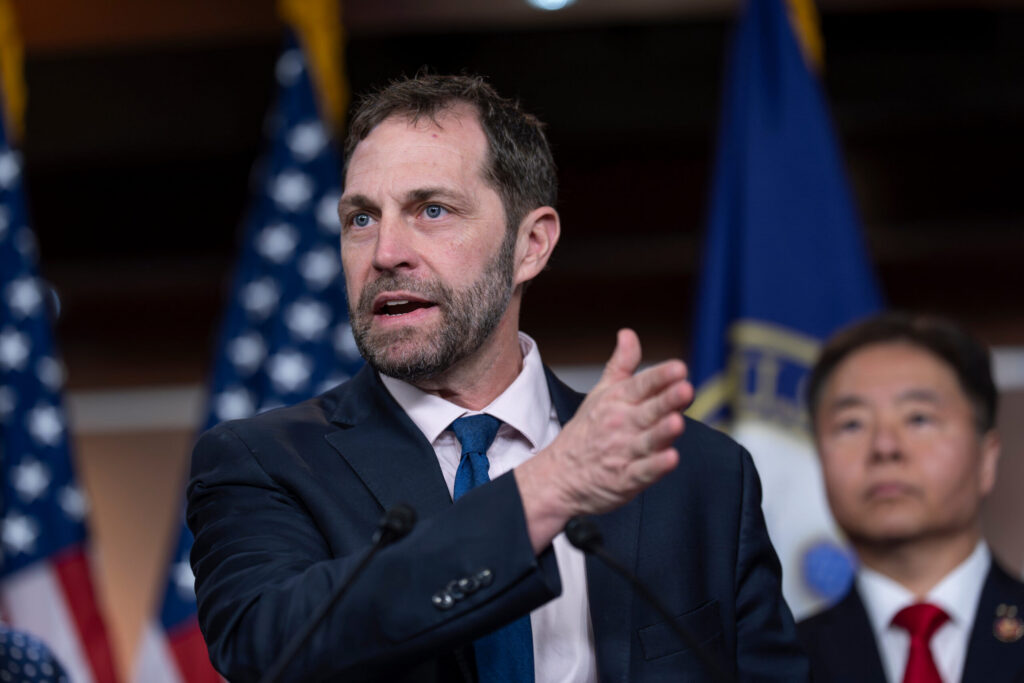
Colorado Democrat Jason Crow calls on House leadership to ban trading on prediction markets
Ernest Luning
ernest.luning@coloradopolitics.com
Updated 21 hours ago
U.S. Rep. Jason Crow on Monday joined a bipartisan call asking House Speaker Mike Johnson to adopt new rules banning the chamber’s lawmakers, their families and staff from participating in prediction markets, in a move the Aurora Democrat said can...

Colorado’s health care cuts are painful — what comes next could be worse | PODIUM
Colorado Politics
colorado-politics@coloradopolitics.com
Updated 19 hours ago
By Ross Brooks and Beverly Razon Last December, a broad coalition of consumer advocates, safety net providers, hospitals, health plans and physicians statewide published a warning: our state was facing a health care crisis, and fragmented policymaking would make it...

Gov. Polis, please veto House Bill 1210 | FEEDBACK
Colorado Politics
colorado-politics@coloradopolitics.com
Updated 20 hours ago
As Gov. Jared Polis reviews House Bill 1210, I hope he will think about families like mine. For people trying to balance work, parenting and rising costs, discounts from delivery apps are an important part of how I take care...
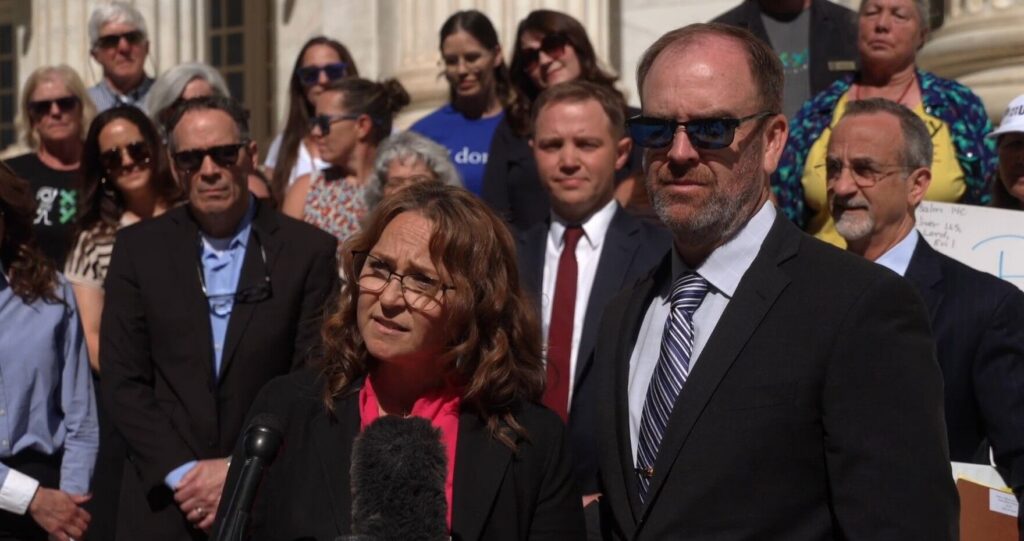
Federal judges hear arguments over Colorado school district’s gender identity rooming policy
Nicholas Fogleman
nicholas.fogleman@denvergazette.com
Updated 9 hours ago
A panel of judges at the 10th U.S. Circuit Court of Appeals heard arguments Tuesday in a lawsuit challenging JeffCo Public School’s policy of assigning students to overnight accommodations on school trips based on gender identity. The lawsuit, filed in...
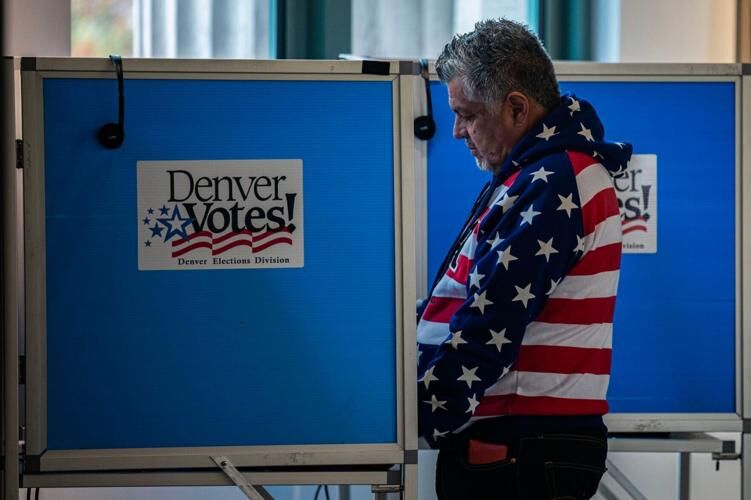
Colorado legislators ask voters to forfeit thousands in TABOR refunds, redirect money to school spending
Marissa Ventrelli
marissa.ventrelli@coloradopolitics.com
Updated 3 hours ago
A Democratic‑backed proposal to direct money to K‑12 schools using Taxpayer’s Bill of Rights dollars is headed to the ballot, setting up a major debate over taxpayer refunds and long‑term education funding. If voters approve it, the average Coloradan would...
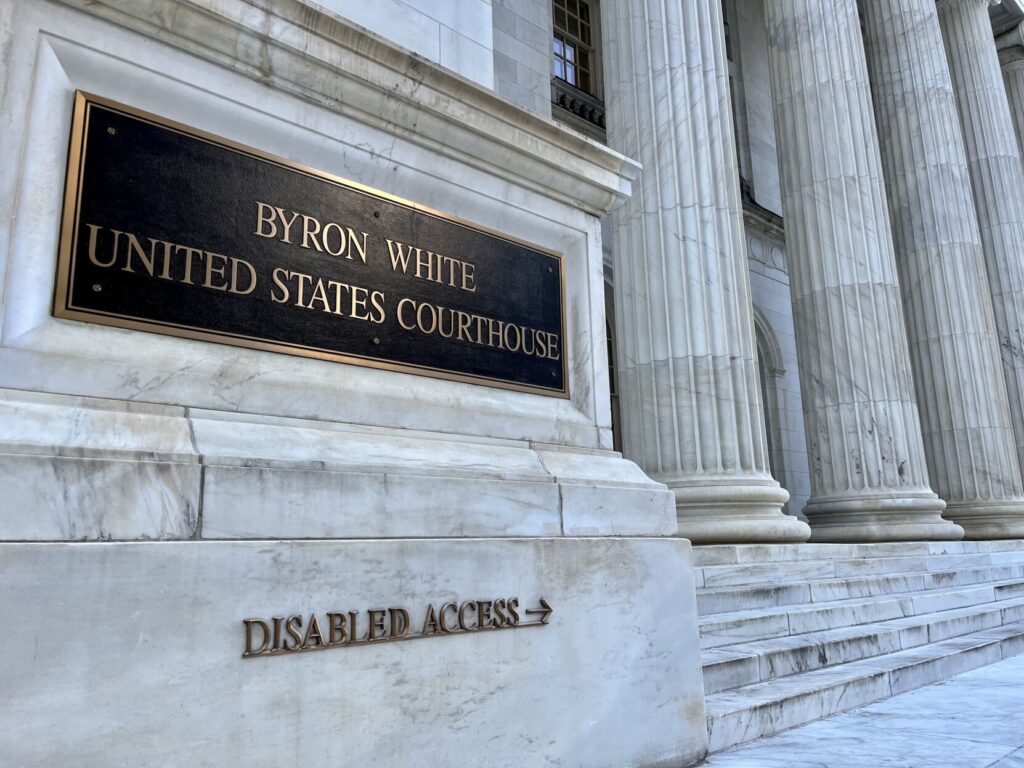
10th Circuit analyzes sentencing process for probation violators in rare all-judges’ hearing
Michael Karlik
michael.karlik@coloradopolitics.com
Updated 20 hours ago
All 12 full-time judges on the Denver-based federal appeals court gathered for a rare oral argument on Monday to consider whether one of the court’s precedent-setting opinions created a process for sentencing probation violators that is out of step with...