

Colorado Senate panel OKs ‘transit-oriented’ housing bill with amendments; measure’s fate remains uncertain
The signature housing bill of the 2024 session, which deals with “transit-oriented” communities, cleared a substantially different Senate Transportation & Energy Committee Tuesday evening.
House Bill 1313 won a 4-3 vote after the Senate sponsor, Sen. Faith Winter, D-Westminster, won approval for a slate of amendments intended to address some of the bill’s strongest criticisms from local governments.
But the changes may cost the bill support from progressive Democrats in the state Senate.
HB 1313 requires affordable housing to be constructed adjacent to transit. That means supported by public subsidies, “inclusionary” zoning ordinances, and deed restrictions, which restrict or limit maximum rental or sale price. The bill also requires a period when only low- or moderate-income households could qualify. The measure requires housing density in these “transit-oriented” communities at about 40 units per acre.
The measure applies to about 31 municipalities that are part of a metropolitan planning organization (MPO). There are five MPOs in Colorado: The Denver Regional Council of Governments, the North Front Range MPO, the Pikes Peak Area Council of Governments, the Pueblo Area Council of Governments and the Grand Valley MPO.
That limits the impact of HB 1313 to the state’s largest metro areas, mainly along the Front Range, and excludes mountain and rural communities that don’t have transit centers.
Opponents have noted that even within the metropolitan planning organizations, some communities lack access to transit — either light rail or bus service — and lack the infrastructure to meet the bill’s mandates.
One of the bill’s major issues for local officials is the bill’s penalty for local governments that don’t go along with the zoning mandates. The penalty for failing to play ball is the loss of state transportation funding, which for some counties is as much as 50% of the funding they have for road and bridge projects.
The other sticking point is that the state could apply for court injunctions to force the local governments to participate.
Winter offered amendments Tuesday to take all of that out.
That’s likely to appease local governments and some House Democrats, who vowed to work for the defeat of HB 1313 if it came back to the House with those provisions included.
But it likely doesn’t sit as well with Sen. Julie Gonzales, D-Denver, believed to be the swing vote on Tuesday and who wanted to see the penalty and injunction language kept in the bill. She voted in favor “for now,” a sign she would seek more changes as it moves forward.
The bill’s funding also went by the wayside, which local government officials claimed would make the bill an unfunded mandate. The bill as it left the House had $35 million in tax credits.
That came out, too, and helped the bill avoid a trip to the Senate Finance Committee, where its future was uncertain.
The importance of today’s actions was emphasized by the new look of the transportation committee on Tuesday: Out of seven members of the committee, four were substitutes, including three of the committee’s usual Democratic members and one committee Republican.
The changes may make the bill slightly more palatable to local governments, but its preemption of local control in favor of state mandates isn’t likely to move them to support the measure.
HB 1313 now heads to the Senate Appropriations Committee.

U.S. House probes reports of fraud, waste in Colorado’s Medicaid program
Marianne Goodland
marianne.goodland@coloradopolitics.com
Updated 5 hours ago
A congressional committee is probing reports of waste, fraud and abuse in Colorado’s Medicaid program, citing recent stories outlining over-billing in transportation spending and alleged improper payments in autism services. The U.S. House Committee on Energy and Commerce has sent...

Colorado’s congressional redistricting proposal could flip three Republican House seats | ANALYSIS
Michael Braithwaite
michael.braithwaite@gazette.com
Updated 8 hours ago
A Democrat-backed proposal to redraw Colorado’s congressional map for the 2028 election could flip three Republican districts. The proposal, introduced by a group called Coloradans for a Level Playing Field, is yet another development in a national redistricting debate after...

Appeals court overturns Douglas County vehicular homicide conviction due to faulty jury instructions
Michael Karlik
michael.karlik@coloradopolitics.com
Updated 13 hours ago
Colorado’s second-highest court overturned a defendant’s vehicular homicide conviction and 12-year prison sentence on Thursday after determining a Douglas County judge omitted key language from the jury instructions that could have resulted in a different outcome. James Paul McDonald was...
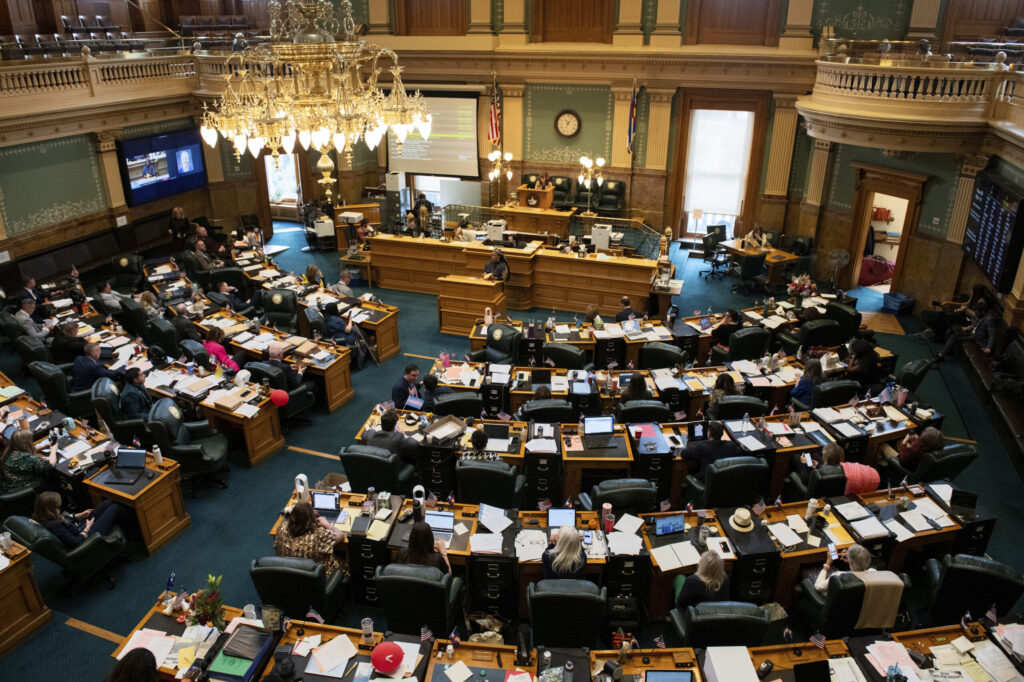
Colorado lawmakers’ speeches on immigration, Iran draw worries about decorum, grandstanding
Marianne Goodland
marianne.goodland@coloradopolitics.com
Updated 12 hours ago
Several speeches from Colorado legislators this week have raised new worries about decorum and grandstanding in the state House after two members talked about immigration and Iran using what’s called a “point of personal privilege.” Under the rules of the...

Trump fires Homeland Security Secretary Noem after building criticism over immigration enforcement
Michelle L. Price
michelle.l..price@associatedpress.com
Updated 14 hours ago
WASHINGTON (AP) — President Donald Trump on Thursday fired his embattled Homeland Security Secretary Kristi Noem and said he will nominate in her place Oklahoma Republican Sen. Markwayne Mullin. Trump made the announcement on social media on Thursday, two days...
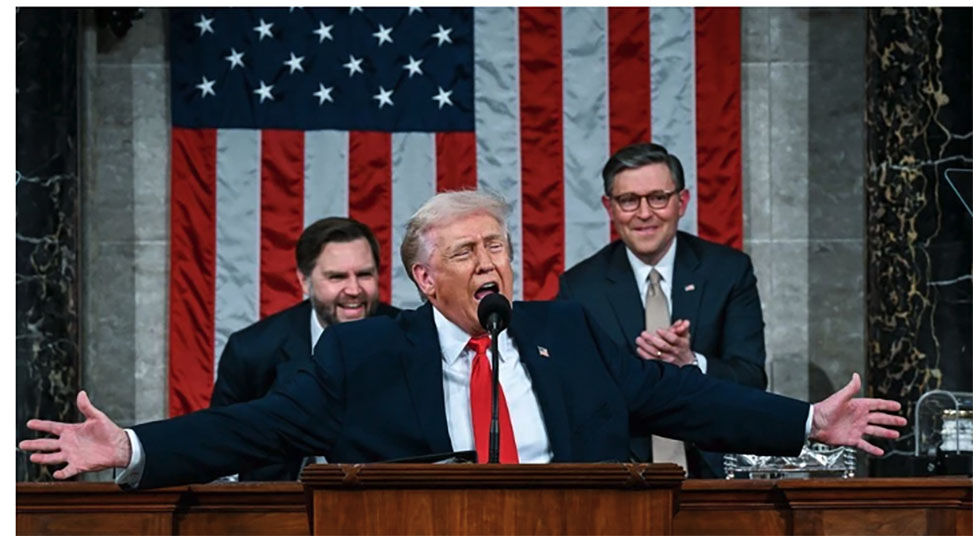
Trump wants to be personally ‘involved’ in picking next Iranian leader: Report
Christian Datoc, Washington Examiner
christian.datoc.washington.examiner@gazetteedit.wpenginepowered.com
Updated 14 hours ago
President Donald Trump told Axios Thursday that he wants to be personally involved with picking Iran‘s next leader, despite multiple senior administration officials repeatedly declaring that “regime change” is not a stated objective of Operation Epic Fury. Trump conducted an...

Iran widens regional war with first strike into Azerbaijan
Brady Knox, Washington Examiner
brady.knox.washington.examiner@gazetteedit.wpenginepowered.com
Updated 15 hours ago
Iran spread the growing regional war to the Caucasus with its first drone strike into Azerbaijan, hitting an airport terminal and damaging a nearby school. A video recorded by someone at Nakhchivan International Airport showed one of the drones exploding...

Rand Paul excoriates Congress for failure to pass War Powers Resolution: ‘Should be ashamed’
Claire Carter, Washington Examiner
claire.carter.washington.examiner@gazetteedit.wpenginepowered.com
Updated 15 hours ago
Sen. Rand Paul (R-KY) blasted his colleagues for failing to pass a resolution aimed at limiting President Donald Trump’s military campaign in Iran. The Kentucky Republican made the remarks in an opinion column published on Fox News a day after...
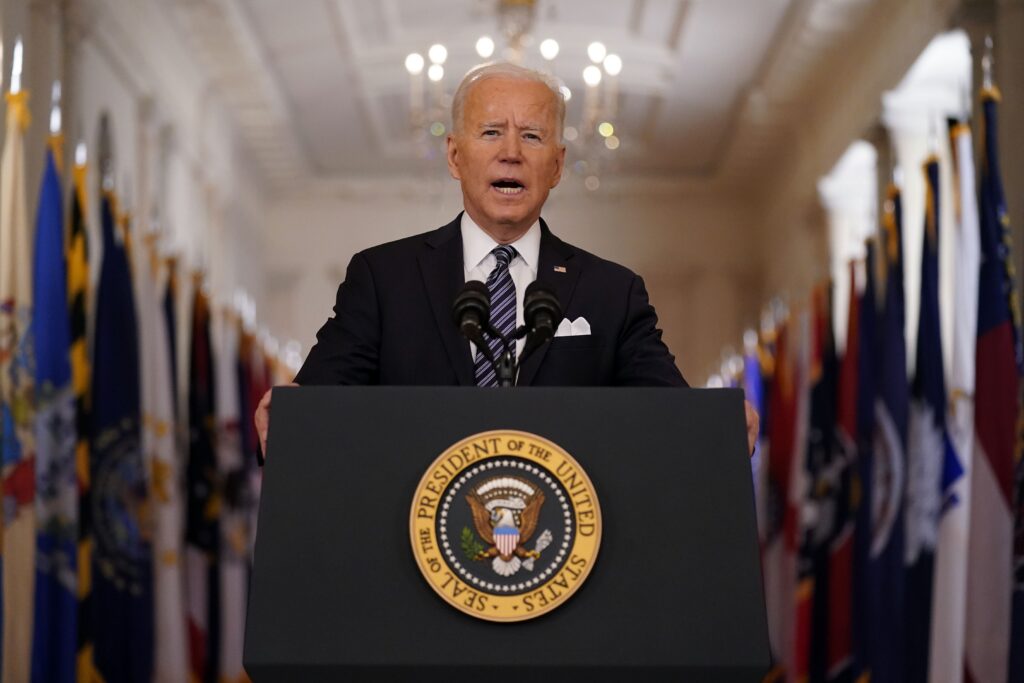
DOJ quietly closes autopen investigation targeting Biden and aides
Kaelan Deese, Washington Examiner
kaelan.deese.washington.examiner@gazetteedit.wpenginepowered.com
Updated 15 hours ago
The Department of Justice has quietly closed an investigation into former President Joe Biden’s use of an autopen to sign official documents, according to a source familiar with the matter. DOJ pardon attorney Ed Martin, the former “weaponization” czar, opened...

Colorado legislators eye changes to credit card ‘swipe fees’
Marianne Goodland
marianne.goodland@coloradopolitics.com
Updated 13 hours ago
Colorado legislators are proposing to eliminate “swipe fees” on sales taxes, a move that proponents say would save businesses tens of thousands of dollars a year but which will likely revive counter-arguments that those fees help create a stable and...