

Colorado must invest more in its mental health safety net | OPINION
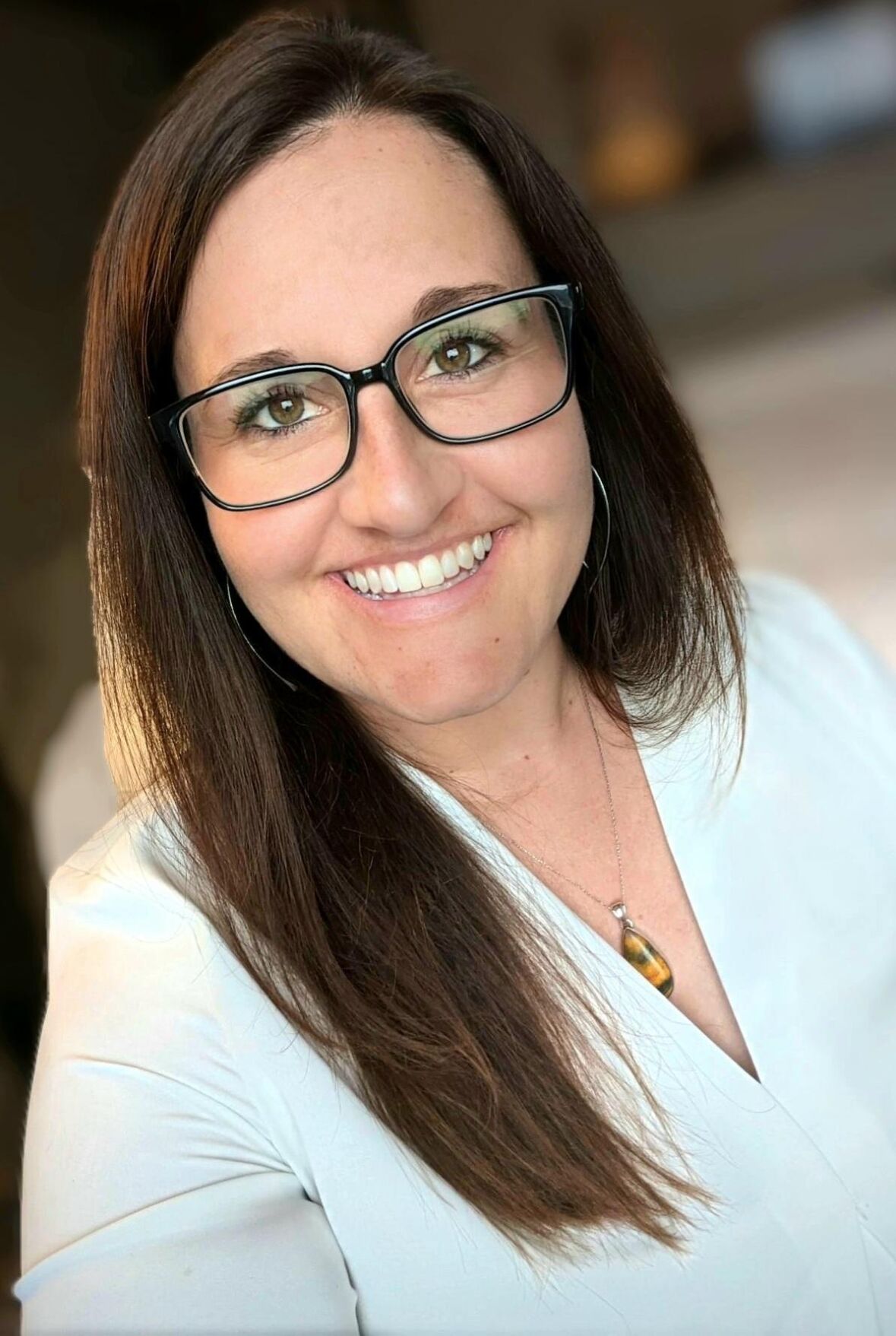
Kara Johnson-Hufford

Kara Johnson-Hufford
The math for our state is simple. On one side of the equation, communities need increasing amounts of support for the mental health challenges their residents face, particularly crisis interventions and other high-intensity services. On the other, Colorado has no additional resources to invest in this need. Balance this equation and you get a system where a frayed safety net creates gaps in services for far too many.
One logical solution to address this funding shortfall is to draw down any additional matching federal dollars for which our state is eligible. These are dollars our state pays into the system and enhanced matching funds could help us care for our neighbors. But politics, not good policy, is threatening to derail this effort.
State lawmakers are currently considering a proposal sponsored by the entire Joint Budget Committee, HB 1384, that would direct Colorado to apply for a federal opportunity to receive additional Medicaid funds for Certified Community Behavioral Healthcare Clinics: a long title that means community-based providers that meet high standards for care access, crisis supports and consumer/family involvement. With Colorado’s long-standing history of underfunding these types of services, why would we leave this money on the table? Particularly when our severely limited budget realities make it likely additional funding from the state will not soon materialize.
Stay up to speed: Sign up for daily opinion in your inbox Monday-Friday
Medicaid is the largest payer of behavioral health services nationally and that is true here in Colorado as well. The federal dollars flowing to Colorado to support Medicaid are decreasing because increasing numbers of individuals are losing coverage as pandemic-era eligibility flexibilities are eliminated. When people lose Medicaid coverage for their health care, they don’t suddenly stop needing the care — providers shoulder the cost of that care when that individual or family becomes uninsured or is covered by a high-cost commercial plan.
It is critical we take proactive steps to secure additional Medicaid funding that more closely matches the services already provided in communities. With these additional dollars, we can make real strides to enhance our mental health safety net and improve access and quality.
The good news is Colorado already has experience with this program. To shore up their work on a community level, eight providers around our state — from urban facilities like Denver Health to rural providers like Southeast Health Group (now part of Valley-Wide) — have received grants from this program to help expand their services in a number of ways.
Southeast, for example, used their CCBHC grant in part to create new county veterans services officers positions in each of their six counties and expanded their outreach and supports for farmers and ranchers. Other providers have used their grants to create community health worker programs and have expanded same-day access to care.
A 2022 analysis of impact in five Colorado CCBHCs showed dramatic improvements: more than 67% reduction in emergency department use; nearly 50% reduction in self-reported psychological distress; more than 40% improvement in daily functioning; social connectedness, overall health and quality of life improved on average by more than 25%; and nearly 100% of clients reported stable housing after six months in care from CCBHC organizations.
At the national level, results are equally encouraging, including 50% increases in access to same-day care, better coordination with hospitals and emergency departments to avoid unnecessary admissions and dramatic increases in screenings for unmet social needs that directly affect mental health, such as stable housing and transportation.
These data points aren’t just numbers. They are individual lives improved and communities supported. They represent the opportunity for thousands to stabilize their lives and move toward living the life they envision.
Colorado has been reforming its mental health and substance-use disorder systems for several years now. This federal program aligns with and advances that reform: better services and supports to more people and a more robust crisis management system that benefits all Coloradans. We must continue to make progress toward the reform goals we all share. But that simply isn’t possible without additional funding to strengthen and expand this critical work.
Insisting a chronically underfunded system can do more with less isn’t reform, it’s folly. Colorado has the chance to pull together as a state and begin to address our mental health needs with money each of us already pays as taxpayers. Why would we let those dollars go to other states when the need is so great in our own?
Kara Johnson-Hufford is chief executive officer of the Colorado Behavioral Healthcare Council, an association of providers offering mental health and substance-abuse treatment in communities across the state for every Coloradan who needs these supports.


Blue states should avoid disasters | Hal Bidlack
Hal Bidlack
hal-bidlack@coloradopolitics.com
Updated 15 hours ago
Back when I was teaching political science at the U.S. Air Force Academy (and amazingly to me, a week from this column’s publication will mark 20 years since my retirement from active duty. Where the heck did that time go?)...
Right-to-hunt ballot measure’s a cruel, anti-wildlife solution to a nonexistent problem | GUEST COLUMN
Colorado Politics
colorado-politics@coloradopolitics.com
Updated 1 day ago
By Eric Washburn I love to hunt. Every year I try to hunt big game in Colorado and waterfowl in Louisiana. This year, I applied for five Colorado big game licenses — elk, deer, pronghorn, moose and bighorn sheep. I...

Jena Griswold’s record: corruption, incompetence | Dick Wadhams
Dick Wadhams
dick-wadhams@coloradopolitics.com
Updated 4 days ago
There is no statewide elected official going back decades who is as breathtakingly corrupt and incompetent as Secretary of State Jena Griswold, who is now running for attorney general of all things. And compliant ruling Democrats know it. Their silence...

Kiros exudes why Colorado’s political times are a-changin’ at annual Denver Dems gala | Miller Hudson
Miller Hudson
miller-hudson@coloradopolitics.com
Updated 4 days ago
Among Colorado’s few remaining bipartisan rituals are county and state party dinners. I was particularly intrigued by last week’s Denver Democratic Party’s 2026 Annual Gala, a “New Deal for a New Era.” Their glossy program featured an artist’s Technicolor rendering...

Livestock grazing regulations need flexible updates | Rachel Gabel
Rachel Gabel
rachel-gabel@coloradopolitics.com
Updated 4 days ago
The Bureau of Land Management last updated their livestock grazing regulations the year I graduated from high school. I am 49. Assessing rangeland health can’t be done once and not revisited. This year is a prime example that managers must...

Taxpayers donate to tax increase campaign | Jon Caldara
Jon Caldara
jon-caldara@coloradopolitics.com
Updated 5 days ago
Give the man his due. President Donald Trump has undeniable talents. Colorado politicians are learning. Chief among The Don’s skills is taking the self-serving, ethically dubious behavior of previous politicians and putting it on steroids. Or, to borrow from the...

A summertime all-you-can-eat political buffet | SONDERMANN
Eric Sondermann
eric-sondermann@coloradopolitics.com
Updated 7 days ago
We find ourselves in the doldrums of August with a complete dearth of political news. Yeah, right. These days, that train never stops moving. It is a 24/7/365 express amplified by 24/7/365 media. Let me respond with one of my...
State money diversion scheme the unsurprising downfall of ERBOCES scam | Paula Noonan
Paula Noonan
paula-noonan@coloradopolitics.com
Updated 5 days ago
Falcon School District 49, aka El Paso County School District 49, has finally cut bait, thrown the fishing pole into the lake and sunk the canoe. The longtime enabler of the Education Reenvisioned BOCES’ (ERBOCES) schemes to fund private Christian...

Steve Schuck on the ‘magic’ of school choice | The OpEdge Podcast
Tony Olivero
tony.olivero@gazette.com
Updated 6 days ago
Parents Challenge co-founder and longtime school choice advocate Steve Schuck joins The OpEdge to discuss expanding educational opportunities and ensuring parents are in charge of their kids’ education. Schuck tells investigative columnist and host Jimmy Sengenberger why he believes Colorado...

Do lobbyists add value to policymaking? | PODIUM
Colorado Politics
colorado-politics@coloradopolitics.com
Updated 6 days ago
By Corky Kyle I was recently asked a straightforward question: are lobbyists a valuable component in the development of public policy? After more than four decades working with the Colorado General Assembly, state agencies, local governments, associations and businesses, my...