

Colorado House transit-oriented development bill has similarities to last year, same opponents
Is a bill requiring Front Range communities to set up transit-oriented development the 2024 version of a land-use bill that went down in flames in 2023?
Not exactly, but there are several major similarities between House Bill 24-1313 and last year’s Senate Bill 23-213.
Chief among them: another effort by the Polis administration and the same Democratic lawmakers who sponsored the 2023 bill to dictate to local governments how they develop housing. HB 1313 comes with a pretty big stick: any local government that refuses to go along jeopardizes their share of state funding for local transportation projects.
The bill has drawn opposition from a long list of cities and counties as well as Colorado Counties, Inc. and the Colorado Municipal League.
HB 1313 is currently camped in the House Finance Committee, where its $35 million general fund cost could become an issue, given the most recent state revenue forecast from last Friday that informed the Joint Budget Committee they had a $160 million hole to fill before introducing the 2024-25 state budget, slated for next week.
The measure intends to turn that $35 million into tax credits, and that has a TABOR impact, according to the fiscal analysis.
HB 1313 is sponsored by Reps. Steven Woodrow of Denver and Iman Jodeh of Aurora, the same duo who sponsored SB 213 last year.
During a March 6 hearing in the House Transportation, Local Government and Housing Committee, Jodeh said the bill’s incentives, which amounts to about $30 million in tax credits, could provide an opportunity for new investment in affordable housing along the planned bus rapid transit corridor on Colfax, in her district.
Jodeh said “local government stakeholders” wanted the bill to tie housing goals to state funding. The measure is innovative and integrates incentives, goals, and accountability to ensure that all jurisdictions with frequent transit services work together to build more housing, she told the committee.
She also claimed the bill is flexible in how communities can meet the goals. “We recognize this is challenging, but we really do believe with all of the stakeholder input we’ve received over the past nine months, we have struck a good balance of setting ambitious but reasonable goals and providing state support to achieve them.”
The 2024 bill requires housing constructed adjacent to transit to be affordable. That means supported by public subsidies, “inclusionary” zoning ordinances and deed restrictions, and which restricts or limits maximum rental or sale price. The bill also requires a specified period when only low- or moderate-income households can qualify.
The measure applies to about 31 municipalities and those that are part of a metropolitan planning organization (MPO). There are five MPOs in Colorado: the Denver Regional Council of Governments, the North Front Range MPO, the Pikes Peak Area Council of Governments, the Pueblo Area Council of Governments and the Grand Valley Metropolitan Council. That limits the impact of HB 1313 to the state’s largest metro areas, largely along the Front Range, and excluding mountain and rural communities that don’t have transit centers.
Rep. Lisa Frizell, R-Castle Rock, noted the bill would require Lone Tree, which has no light rail or any mass transit, to be subject to the requirements, and asked how that would work. Woodrow responded that communities would get “credit” for the work they have already done, but would need to expand zoning capacity. Woodrow explained the bill doesn’t say the state is coming in and telling a local government where they’ll draw their transit-oriented communities, what their housing goals should be and how to meet it and the consequences when they don’t.
HB 1313, he said, says a local community can identify where its transit oriented communities will be based on the bill’s criteria, and how to meet that housing goal.
Woodrow acknowledged the bill hasn’t won support from municipalities for its density requirements during the committee hearing. “The feedback has been mixed,” he said. HB 1313 is about increasing total zoning capacity, he added. The bill dictates a housing density of 40 units per acre, which Woodrow said is a minimum to make the development feasible.
Woodrow told the committee there are communities already working toward compliance with the measure’s objectives. “We’re here to provide a long runway of carrots and sticks,” he said.
Will Toor, director of the state’s energy office, said housing near transit means less emissions and reduces the pressure to develop agricultural land for housing projects. Residents who live close to transit take on average 44% fewer vehicle trips, he said. This bill is a critical solution for reducing emissions across multiple sectors, will lower housing and transportation costs, and reduce water use, Toor claimed.
Nathan Lindquist from the Colorado Department of Transportation addressed the bill’s zoning requirements for local governments. Local governments would have the ability to tailor the zoning for their communities.
Zoning alone doesn’t create housing, Lindquist said; it must align with funding for affordable housing and for infrastructure. HB 1313 aligns all of these elements to help create more housing in Colorado. He also noted ‘zoning best practices,’ the 40 units per acre requirement, which he said easily fits into a three-story building.
Rep. Don Wilson, R-Monument, noted his community built housing to take advantage of mass transit, but the transit didn’t last. “We’ve overbuilt that area to accommodate for the bus line” that no longer exists, he said. “Nothing is ever for certain and things can change,” said Lindquist, and that is why the bill’s housing opportunity goal targets are so flexible.
The Colorado Municipal League’s Kevin Bommer has advocated for the past two sessions to involve local government advocates, such as his organization, in the negotiations over housing. Some of those requests have fallen on deaf ears in the past.
Bommer said there’s a lot of alignment between what’s in HB 1313 and what municipalities are already doing. The bill intends to put the state into incentivizing and improving safe and reliable transit, Bommer said. But the problem is that “the legislation starts with the presumption that local governments and municipalities are the problem and must be told what to do by the state.”
He also addressed the conversations taking place between sponsors and those opposed to the measure. One of the sponsors said early in the year, “if you lean into meeting with stakeholders, you get the best results.’ Bommer said he agrees with that, but just six weeks later, the same sponsor, who he didn’t identify, said “at a certain point, we can’t let residents of the community fall by the wayside because their leadership wants to thumb their nose at the state,” and that’s what the legislation is about, Bommer said.
He, along with municipal leaders and other organizations have been begging for partnership instead of pre-emption for over a year, Bommer said. “We are at the table, and I only hope that the goals that are largely unattainable can at least be amended to a point where it might work.”
While they are in an amend position, Arapahoe County has concerns about how the bill will work in their community, according to Commissioner Jessica Campbell Swanson. Her community has seven transit areas to plan for. The county faces a threat of losing the its entire state transportation allocation of $9 million, which is used for 1200 miles of roadways, and represents 47% of the county’s total road and bridge budget.
“This bill is very much in line with what I would love to see in my district. We want to make sure we are able to meet these goals, but as written, we are not confident that we may be able to do so,” she said.
The notion of the state imposing regulations on home rule and local government authority, a signature part of the opposition to SB 213, also came up on HB 1313, a point brought up by Centennial Mayor Stephanie Pico. Her community would lose about $4 million per year in transportation funding, she said. There are already 1,800 units that are under construction and another 8,200 units in the pipeline, Pico said.
The right locations for those development include having access to grocery stores, restaurants and office buildings, Pico explained. “If we give up all of our space along our light rail corridor to housing, there is no place for offices and no place for those people to go to work,” she said.
HB 1313 is scheduled for the House Finance Committee next Monday.


Greeley voters halt landmark development project
Hap Fry, Special to The Gazette
hap-fry@gazette.com
Updated 2 weeks ago
GREELEY – The landscape-altering Cascadia development project has been put on ice, according to unofficial results of a city referendum on the project Tuesday. The proposed development would have included an 8,600-seat multiuse arena and ice center that would be home to the Colorado Eagles,...
Bipartisan opposition sinks eviction bill in Colorado
Marissa Ventrelli
marissa.ventrelli@coloradopolitics.com
Updated 2 weeks ago
Two Democrats sided with Republicans on a legislative panel to reject a proposal that would have made several changes to eviction filings and proceedings, including requiring judges to suppress court records. Sponsored by Rep. Junie Joseph, D-Boulder, House Bill 1047...
Democratic lawmakers propose changes to landlord-tenant laws in Colorado | Bills in Brief
Marissa Ventrelli
marissa.ventrelli@coloradopolitics.com
Updated 2 weeks ago
Colorado lawmakers introduce hundreds of bills each year. Bills in brief cuts through the noise by explaining which proposals matter, what’s at stake, and how decisions at the Capitol could affect everyday life across the state. House Bill 1013, sponsored by Reps....
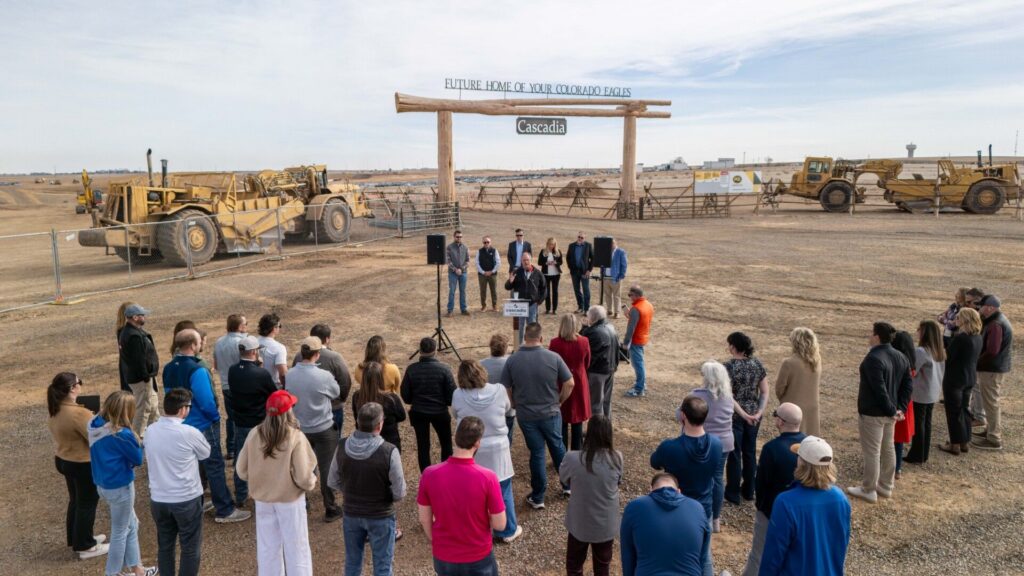
Greeley voters to decide fate of project that includes minor league hockey arena
Hap Fry, Special to The Gazette
hap-fry@gazette.com
Updated 2 weeks ago
GREELEY • The fate of the Cascadia development — and quite possibly the future direction of the city — is in the hands of Greeley voters this Tuesday during a special city election on whether the landscape-altering project should be...

Hail drives up to 54% of homeowners’ insurance premiums in parts of Colorado
Marissa Ventrelli
marissa.ventrelli@coloradopolitics.com
Updated 4 weeks ago
Hail is the largest cost driver of homeowners’ insurance spikes in many parts of the state, according to data collected by the Colorado Division of Insurance. The department requested data from 20 homeowners’ insurance carriers to calculate average premiums and...

Gov. Polis, Democratic lawmakers introduce trio of housing affordability bills
Marissa Ventrelli
marissa.ventrelli@coloradopolitics.com
Updated 2 months ago
Democratic lawmakers were joined by housing advocates and Gov. Jared Polis at the Capitol on Wednesday to announce a trio of bills they say will increase affordable housing in Colorado. “This session, Colorado Democrats are focused on lowering costs, and...

Denver District 10 launches test program to pay pet deposits
Deborah Grigsby
deborah.smith@denvergazette.com
Updated 2 months ago
Denver’s self-proclaimed “pet whisperer,” Councilman Chris Hinds, has launched a new program to help renters avoid having to choose between a home and their pet. Funded through Hinds’ own council budget, the program seeks to prevent relinquishment, as well as...
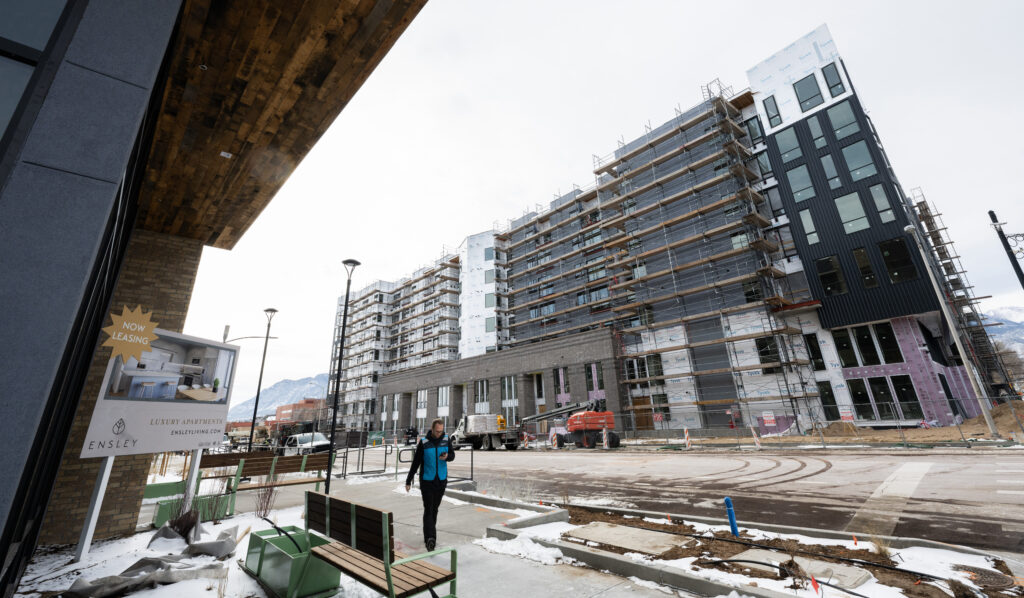
Construction in 2025: Commercial development in Colorado Springs dominates the scene, single- family homes see slight decline
Alexander Edwards
alexander-edwards@coloradopolitics.com
Updated 2 months ago
Commercial construction dominated the Colorado Springs building scene in 2025. Nearly 400 permits for new commercial projects were approved by the Pikes Peak Regional Building Department last year, according to a news release issued Monday. This is up 31% compared...
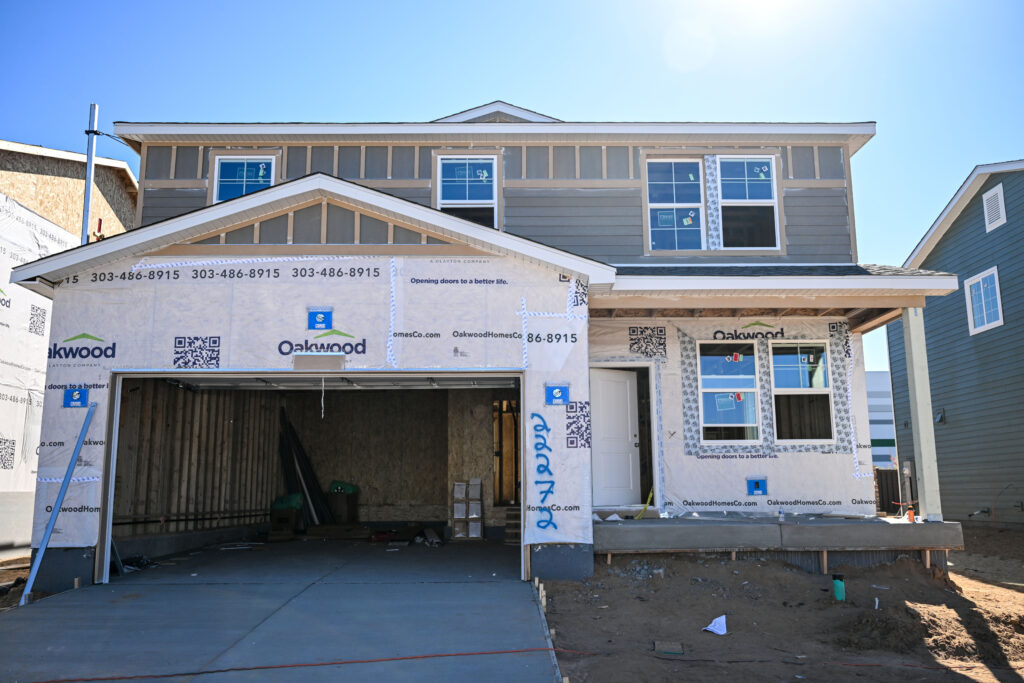
Polis-backed HOME Act aims to increase Colorado housing near transit, businesses
Marissa Ventrelli
marissa.ventrelli@coloradopolitics.com
Updated 3 months ago
Gov. Jared Polis and Democratic House Speaker Pro Tempore Andrew Boesenecker on Tuesday unveiled proposed legislation aimed at reducing barriers to building “affordable” housing. The bill, known as the HOME Act, will enable the construction of more new homes near...

Regulatory layers turn cost of doing business in Colorado into ‘death by a thousand cuts’ | FISCAL ROCKIES
Marianne Goodland
marianne.goodland@coloradopolitics.com
Updated 3 months ago
Editor’s Note: Once among the nation’s fastest-growing economies, Colorado today confronts mounting challenges that threaten its momentum. This series reveals how a state once defined by prosperity is navigating economic cliffs and ridges. We explore the impact that increased regulations, tariffs,...
PREV
PREVIOUS

Divided appeals court says local governments may authorize noise limits exceeding state law
Colorado’s second-highest court ruled for the first time earlier this month that local governments may authorize noise permits for activities on private property that exceed the levels set in state law. By 2-1, a three-judge panel of the Court of Appeals concluded the state’s Noise Abatement Act allowed the city of Salida to issue outdoor […]
Colorado House transit-oriented development bill has similarities to last year, same opponents
Is a bill requiring Front Range communities to set up transit-oriented development the 2024 version of a land-use bill that went down in flames in 2023? Not exactly, but there are several major similarities between House Bill 24-1313 and last year’s Senate Bill 23-213. Chief among them: another effort by the Polis administration and the […]