

Senate committee approves changes to Colorado open meetings law
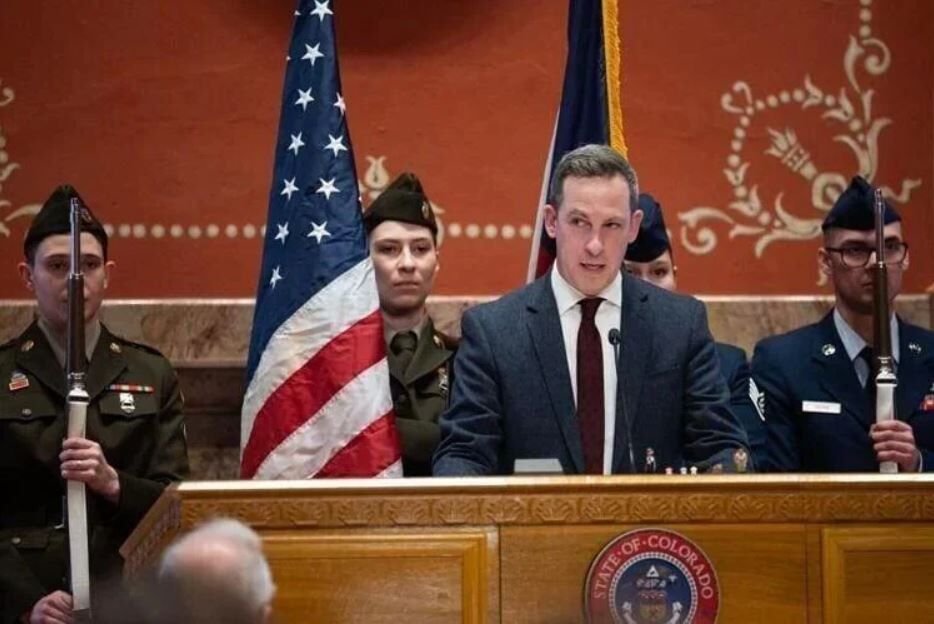
A panel of Colorado state senators on Wednesday amended a bill that seeks changes to the state’s open meetings law and sent the measure to its next stop — the full chamber for debate.
The purpose of this bill was never to reduce transparency, insisted Senate President Steve Fenberg, D-Boulder, sponsor of Senate Bill 157.
As introduced, the measure drew sharp criticism from several groups, which said they were not included in the “stakeholding” process and argued the bill would completely exempt lawmakers from the open meetings law.
Voters put the open meetings law into statute in 1972, Fenberg said, but since then, there have been conflicts and ambiguities, some of which have led to litigation and which has also led to confusion about how to follow the law.
Very little would change should the bill become law, he claimed.
Wednesday’s hearing at the Senate State, Veterans & Military Affairs Committee was for amendments and a vote only, following last week’s hearing that included public testimony.
No one testified in favor of the bill last week.
Earlier, First Amendment attorney Steve Zansberg, president of the Colorado Freedom of Information Coalition, said the proposal, in essence, “completely exempts the General Assembly, and all its constituent committees, from the open meetings law,” a scenario that would leave the public “completely in the dark.”
Zansberg said if enacted, the proposal would allow lawmakers to engage in an “infinite number of serial meetings” with less than a quorum of any committee, caucus or the entire body — without providing public notice or keeping minutes — and in “endless discussions through electronic means” without the public ever knowing such conversations occurred or gaining access to them. Such a scenario would leave the public “completely in the dark,” Zansberg added.
Colorado lawmakers decide to hold proposal exempting legislature from open meetings law's provisions
Among the most controversial aspects of the bill is in its definition of “public business,” which could include legislation before its formal introduction.
In the statutes, Fenberg said, bill drafts are usually confidential.
There are exceptions: during the November special session, some lawmakers chose to make bill drafts available before the start of the session, and interim committees almost always make drafts available on their websites before approval by the committees.
The amendment Fenberg offered to define public business said bill drafts are public business only when discussed by a quorum of a statutory committee, a committee of reference during a regular or special session, or a quorum of an interim committee.
“This is reasonable, pretty narrow and it rarely happens that a quorum of a committee discusses a bill draft,” Fenberg said.
He called the amendment a departure from existing practice.
The amendment didn’t get any love from Sen. Chris Hansen, D-Denver.
“We have to be able to talk about work product with each other, or we can’t do our jobs,” he said. This amendment is a “substantive material change that could have a chilling effect on our ability to be legislators.”
This would make legislative work tough to get done, he said.
“I don’t disagree,” Fenberg said but asked the committee to approve it anyway. The amendment is a result of good faith discussions with a need to address a concern that he insisted is not totally founded and claimed is likely due to perceptions.
This amendment would require notice and minutes so long as it’s a quorum of the committee members, he said, adding that other aspects of law allow for drafts to be treated as confidential.
“I’m really worried about a big chilling effect” before finalizing a bill, Hansen replied.
He noted that some interim committees are small, and a quorum could be as few as two or three people, which could trigger notices and minutes.
These informal conversations are “what makes this place great,” Hansen said. “I would hate to lose the ability to banter about different ideas as I’m thinking about a final draft of a proposal.”
The amendment passed 3-2, with Hansen and Sen. Mark Baisley, R-Woodland Park, voting against it.
“It’s healthy and good to have these conversations in the open and think about how we operate” with integrity in the modern workplace, Fenberg said.
The committee approved the bill 4-1, with Baisley voting against it. It will now heads to a full Senate debate.

Colorado Politics Calendar Sept. 7-13
Rachael Wright, Special to Colorado Politics
rachael.wright@coloradopolitics.com
Updated 5 days ago
CoPo’s weekly political calendar will help you find political and public-policy events throughout Colorado. It includes candidate and issue campaign events, public policy meetings, court hearings, state and local party conventions, assemblies, debates, rallies, parades, speaking engagements, traveling dignitary appearances,...

Blue-collar support trends highlighted GOP gains among rank‑and‑file workers | A LOOK BACK
Rachael Wright, Special to Colorado Politics
rachael.wright@coloradopolitics.com
Updated 4 days ago
Forty-five years ago this week: Kathy Oatis of the Colorado AFL-CIO’s Committee on Political Education said that organized labor had a negative image with the American voter. “I don’t think the country is against us,” said Oatis. “I think the...

The dissonance of an American Jew thinking about Israel | SONDERMANN
Eric Sondermann
eric-sondermann@coloradopolitics.com
Updated 4 days ago
The Jewish High Holidays will soon be upon us. The third anniversary of Oct. 7 will then quickly follow. Three weeks later, Israeli voters will head to the polls to elect all 120 members of its parliament, the Knesset and...

Parenting from prison: Inmates hope to be present in their children’s lives, while physically absent
Marianne Goodland
marianne.goodland@coloradopolitics.com
Updated 7 hours ago
The room was decorated with balloons, the tables sparking bright with colors as the smell of pizza and cake wafted through the air. As did music. This was, after all, a father-daughter dance. Except this was not a typical father-daughter...
Colorado House ethics committee issues ‘stern letter’ to Democrat over caucus funds mismanagement
Marianne Goodland
marianne.goodland@coloradopolitics.com
Updated 1 day ago
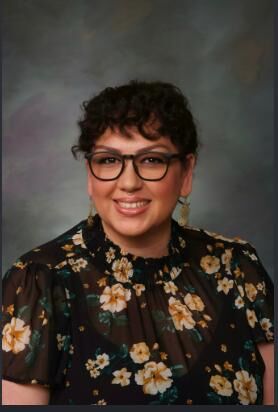
The Colorado House ethics committee on Friday voted unanimously to issue a “stern letter” to Rep. Mandy Lindsay, D-Aurora, regarding her mismanagement of House Democratic caucus funds. The committee further voted to request that Lindsay resign as Democratic Caucus co-chair...
Appeals court confirms Colorado judges can compel electronic records from out of state
Michael Karlik
michael.karlik@coloradopolitics.com
Updated 1 day ago
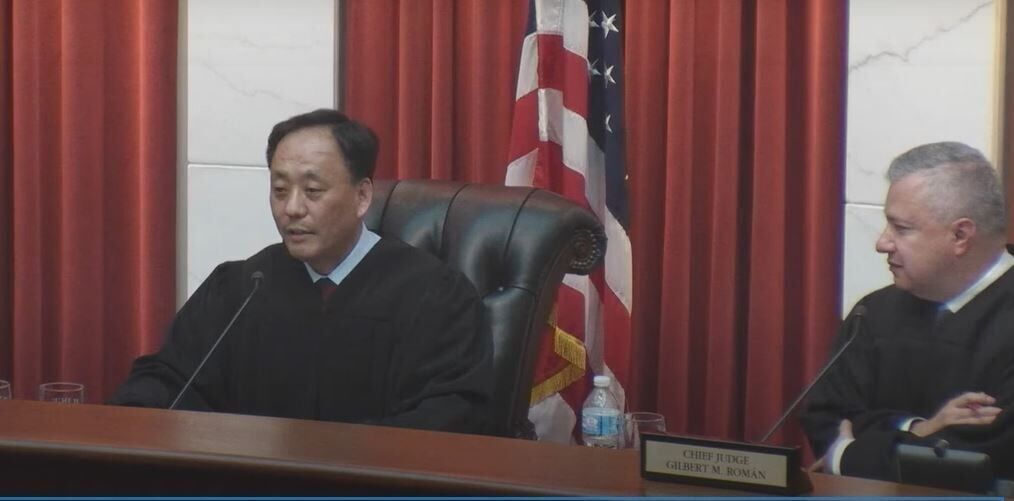
Colorado’s second-highest court clarified on Thursday that judges are empowered to compel out-of-state companies to produce electronic records under state law. El Paso County jurors convicted Mischa Jargowsky on three counts of money laundering and one violation of Colorado’s organized...
Federal judge extends block on Trump executive order seeking to limit mail voting in the midterms
The Associated Press
the-associated-press@coloradopolitics.com
Updated 3 days ago
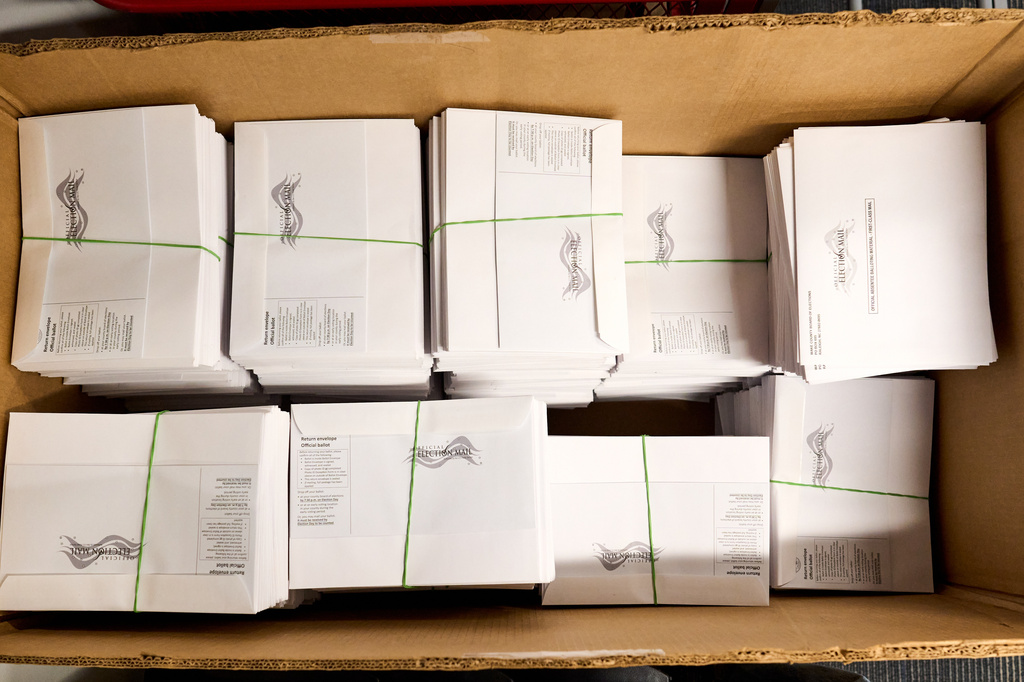
A federal judge on Friday extended her prohibition against the U.S. Postal Service implementing President Donald Trump’s executive order seeking to limit mail voting during the midterms, putting another major obstacle in the way of the administration as the first...
Mullin asks DOJ to review voter data sharing tied to Zuckerberg-funded nonprofit group
The Washington Examiner
the-washington-examiner@coloradopolitics.com
Updated 1 day ago
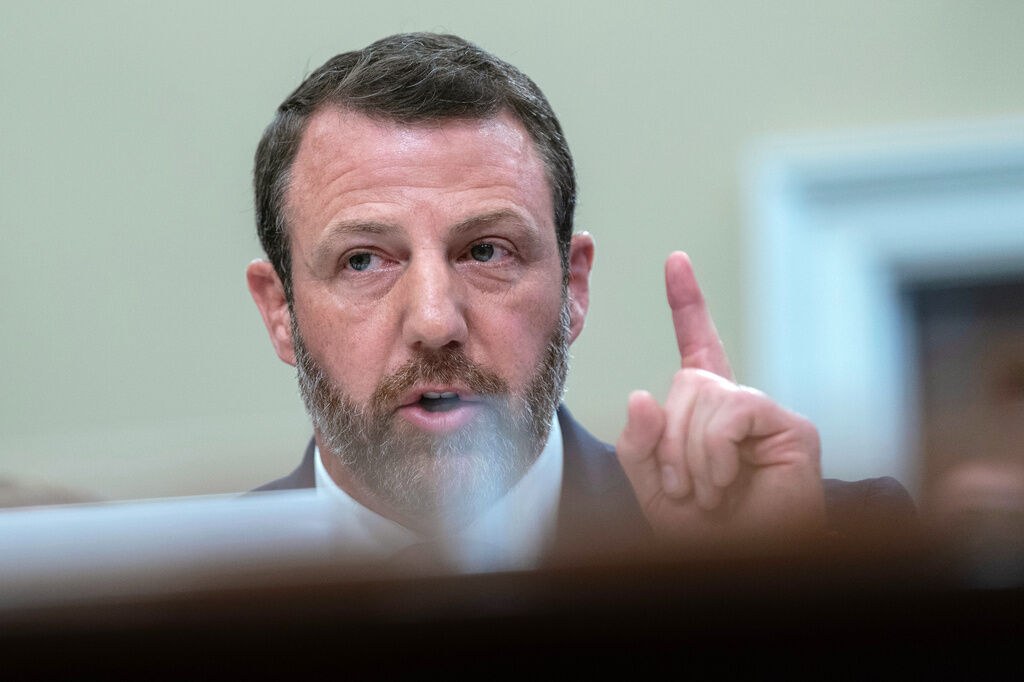
Washington Examiner Homeland Security Secretary Markwayne Mullin asked the Justice Department this week to review whether election-related nonprofit groups, some with multimillion-dollar backing from a Mark Zuckerberg-linked nonprofit, improperly received sensitive state motor vehicle and voter-registration data. In a letter...
Colorado secures FEMA support for wildfire, flooding and mudslide recovery
Marissa Ventrelli
marissa.ventrelli@coloradopolitics.com
Updated 2 days ago
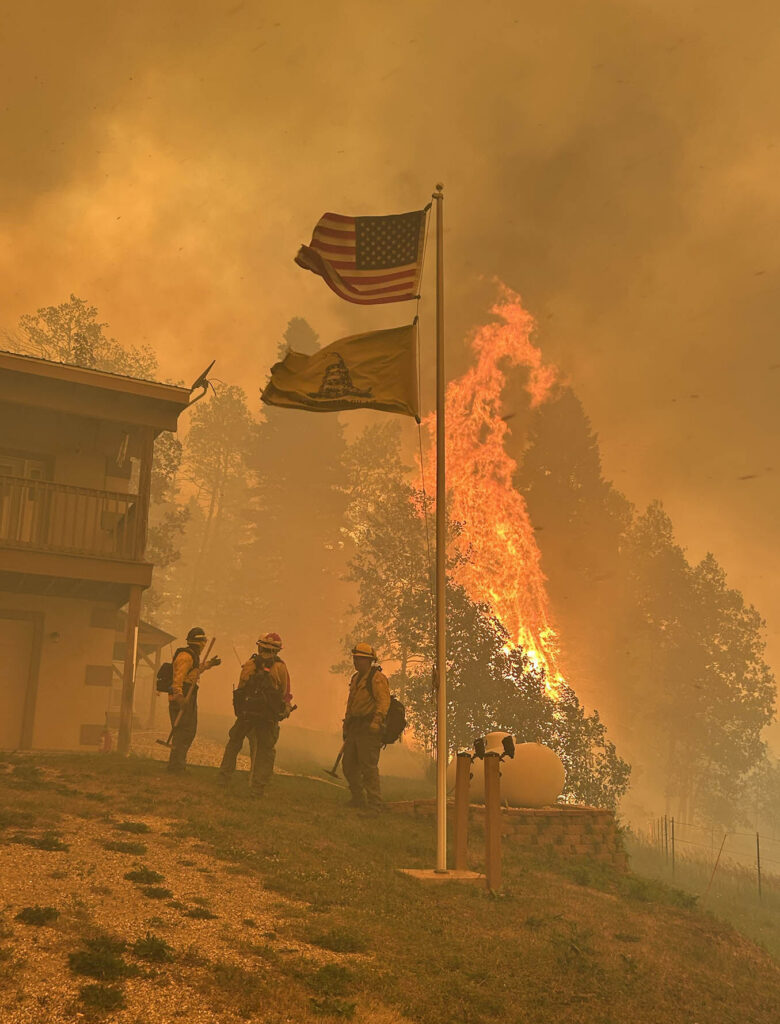
Federal authorities on Friday approved Colorado’s request for federal public assistance to help communities devastated by the Aspen Acres and Gold Mountain Fires. The Federal Emergency Management Agency did not announce how much the state would receive but confirmed that...
State seeks $50K penalty against GOP candidate Victor Marx over alleged campaign finance violations
Deborah Grigsby
deborah.smith@denvergazette.com
Updated 3 days ago
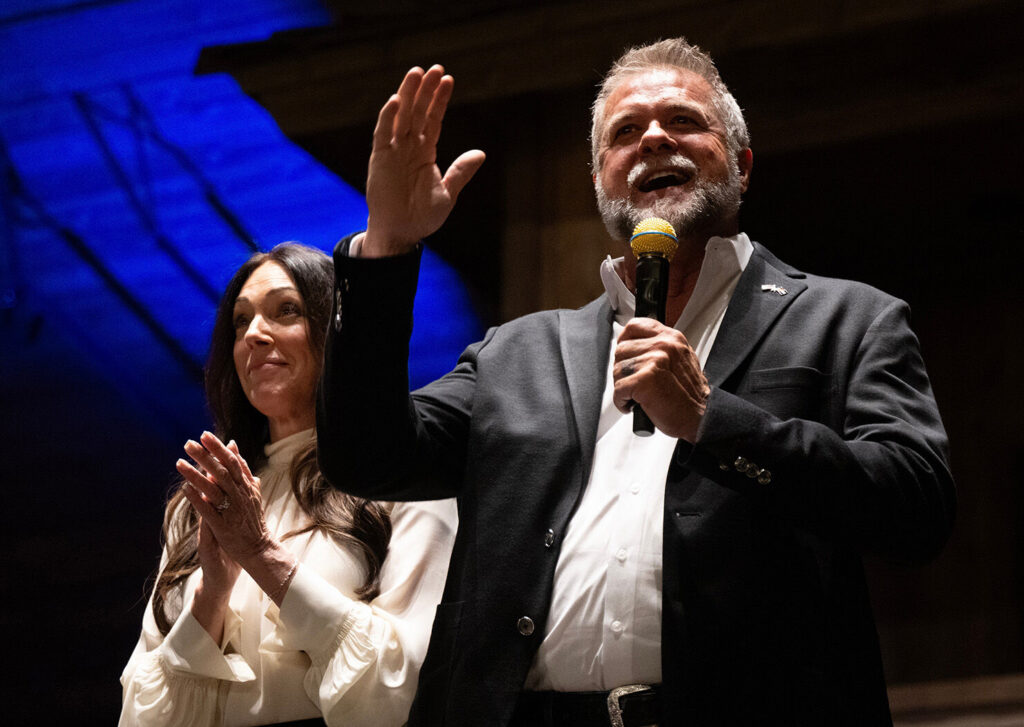
Republican gubernatorial candidate Victor Marx is looking at more than $50,000 in fines in what the Elections Division of the Office of the Secretary of State calls “unprecedented” campaign finance violations. The state has not imposed that fine yet, and...
PREV
PREVIOUS

Colorado Office of Public Guardianship faces civil rights complaint
Updated 2/29/24 with statement from OPG board. The state’s beleaguered Office of Public Guardianship (OPG) — which faced complaints from seven former guardians who have called for a state audit and for the governor to replace the agency’s leadership — is now the subject of a civil rights complaint. The complaint has not been made public, but the […]

Colorado lawmakers reject bill on library panels and campaigns to ban books; Boebert's son arrested; bill tackles 'deepfakes' | WHAT YOU NEED TO KNOW
Today is Feb. 29, 2024, and here’s what you need to know: A Senate panel rejected a bill that would have created an official process for parents, students and the public to object to materials in a school or public library. The bill, which was heard by the Senate Education Committee but not voted on, […]