

Colorado justices weigh Trump’s ballot eligibility, oral arguments to resume this week | COURT CRAWL

Welcome to Court Crawl, Colorado Politics’ roundup of news from the third branch of government.
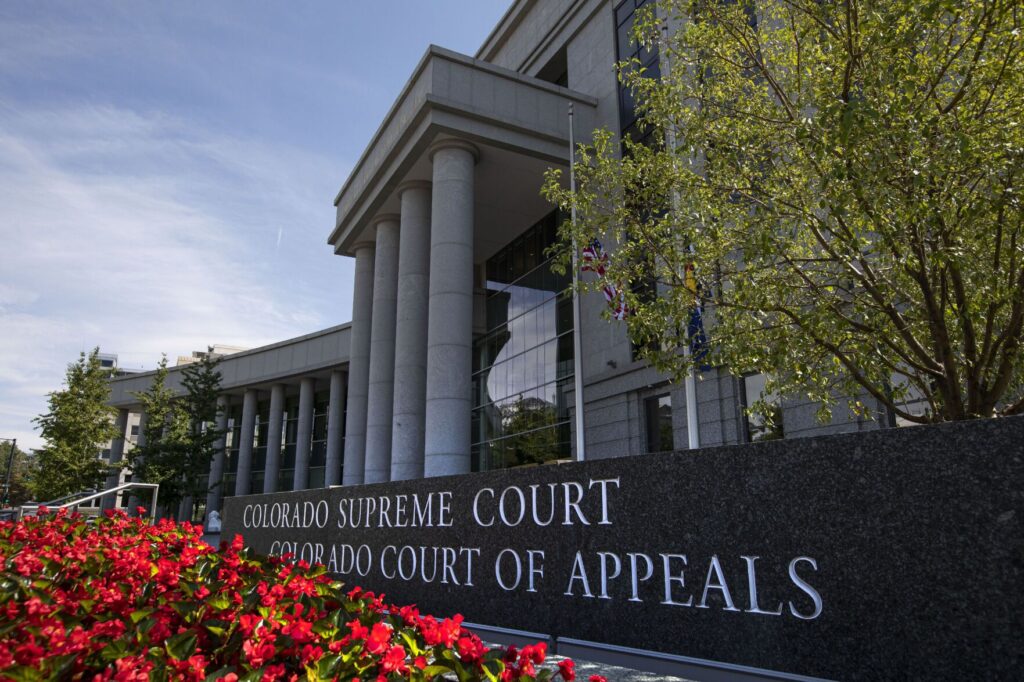
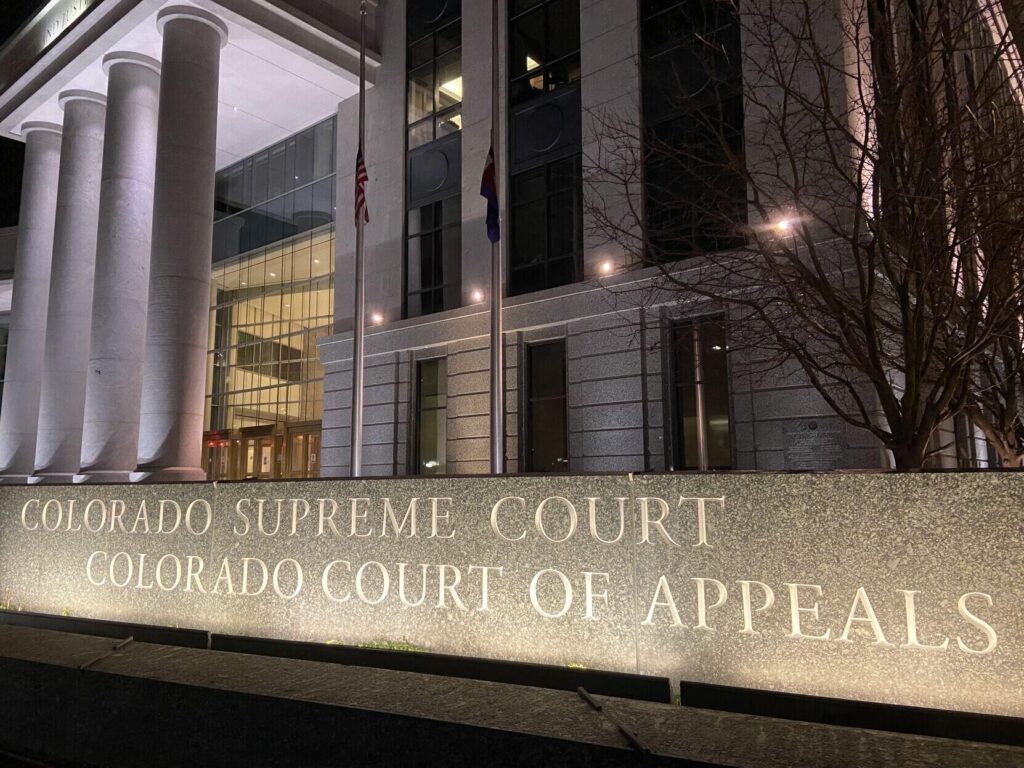
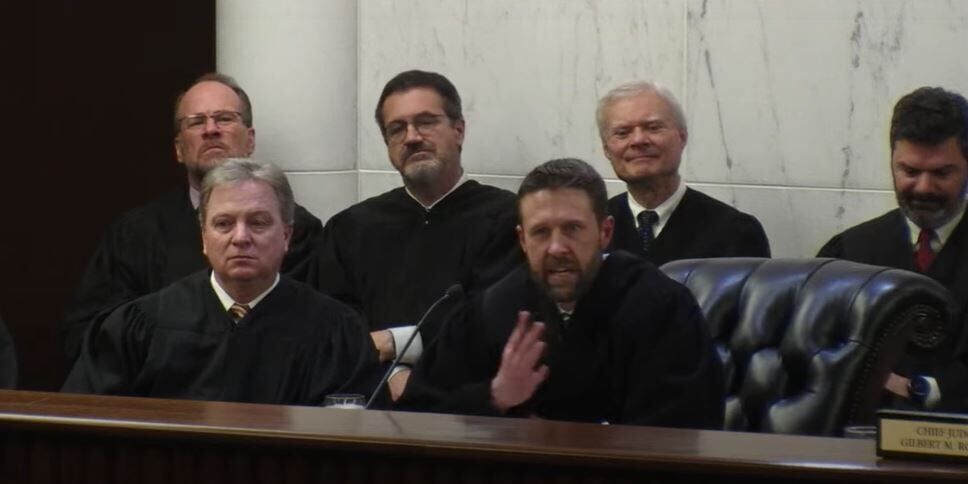
The Colorado Supreme Court held two hours of oral arguments on the question of whether a former president is constitutionally disqualified from appearing on the state’s ballot next year, and the justices return this week to hear even more cases.
Insurrection, disqualification and the presidency
? Readers are likely familiar with the case unfolding in Colorado, where a trial judge decided Donald Trump is eligible to appear on the state’s presidential primary ballot next year, even though the 14th Amendment disqualifies those who previously swore an oath to the U.S. Constitution and subsequently engaged in insurrection from holding future office. The Colorado Supreme Court dedicated two hours last week to exploring the question of Trump’s continued eligibility.
? Because Colorado’s case has addressed the substance to a far greater degree than elsewhere, the discussion was expansive: Does Congress need to authorize enforcement of the disqualification provision? Why is the presidency not specifically mentioned under the 14th Amendment? Did Trump’s involvement in Jan. 6 amount to an insurrection?
? “One of the counterarguments is that by failing to resolve this issue on the merits now, we create the potential for chaos in January of 2025. And so, there’s much emphasis on this in the scholarly literature about how it may be better for us to resolve it sooner rather than leave the potential for a constitutional crisis before the next presidential election.” -Justice William W. Hood III
? The secretary of state’s office has a deadline of Jan. 5, 2024 to certify the presidential primary ballot. Of course, even if the state Supreme Court issues its decision well before then, the U.S. Supreme Court could choose to intervene, leading to uncertainty about Trump’s ultimate fate in Colorado – and likely in other states that are poised to follow suit.
? Here is Colorado Politics’ coverage of the arguments:
Colorado justices grapple with unprecedented possibility of disqualifying Trump from ballot
In the justices’ words: Quotes from Wednesday’s arguments in the Trump disqualification case
Who’s weighing in on Trump’s ballot eligibility before the Colorado Supreme Court?
Oral argument calendar resumes
? The justices will continue their normal calendar of oral arguments this week, hearing a total of five cases on Tuesday and Wednesday:
University of Denver v. Doe: Can universities be held liable for failing to deliver a “thorough, impartial and fair” investigation into a student’s alleged sexual misconduct on campus? (Note: This case was rescheduled from earlier in the fall.)
Great Northern Properties, LLLP v. Extraction Oil & Gas, Inc. et al.: Who is the owner of oil and gas rights that lie beneath a public street?
Clark v. People: Should a Black defendant’s conviction be automatically reversed because the trial judge refused to dismiss a juror who seemingly made a racist statement during jury selection?
Washington v. People: Was it a mistake for a defendant’s jury to render a verdict on murder charges and drug charges in the same trial?
People v. Montoya: How much evidence did a jury need to hear about a drunk driving suspect’s alleged change of heart after he initially refused to take a blood test?
Heard on appeal
? By 4-3, the justices agreed a Fremont County judge appropriately used her authority to reduce a first-degree murder charge to a second-degree murder charge in response to the district attorney’s office’s habitual withholding of evidence across multiple cases.
? If a losing party in a civil case appeals a monetary judgment against them, they generally have to secure a certain amount of money or collateral to avoid having to pay while the appeal proceeds. The Supreme Court decided a Colorado law capping such bonds at $25 million is valid.
? A Washington County judge wrongly disclosed a report about misconduct in the local child welfare office to the state’s ombudsman, the Supreme Court concluded.
? Although the justices initially took interest in deciding whether El Paso County prosecutors violated a defendant’s right to a speedy trial with their mid-case appeal, the court ultimately turned aside the defendant’s petition.
? The Supreme Court will hear two cases questioning whether child welfare caseworkers must provide a Miranda warning to suspects before questioning them in custody, as a police officer would.
In federal news
? A federal judge ruled that a jury will decide whether a Denver sheriff’s deputy used excessive force on a wheelchair-bound man who allegedly spat on the deputy.
? Two federal magistrate judges pulled back the curtain on the anonymous reviews that lawyers gave of their performance. The judges attempted to explain why they conduct themselves in certain ways, even if it grinds attorneys’ gears.
Vacancies and appointments
? This afternoon, the U.S. Senate will vote to confirm federal public defender Richard E.N. Federico to the U.S. Court of Appeals for the 10th Circuit, headquartered in Denver. Federico will fill a vacancy based in Kansas.
? There are three candidates to succeed retiring Chief Judge Don Quick in the 17th Judicial District of Adams and Broomfield counties: Arturo G. Hernandez, Magistrate Sara Sheffield Price and District Court Judge Meghan P. Saleebey, who currently sits on the bench in neighboring Weld County.
? Applications are due by Dec. 12 to lead the Colorado Judicial Department’s judicial officer outreach program, which state lawmakers authorized in 2019 to educate diverse candidates about applying to judgeships. Sumi Lee, the inaugural holder of the position, left for the governor’s office earlier this year.



10th Circuit rejects ‘penalty’ for children of naturalized citizens seeking visas
Michael Karlik
michael.karlik@coloradopolitics.com
Updated 11 hours ago
The Denver-based federal appeals court joined three of its peers earlier this month and determined the child of a newly naturalized U.S. citizen is not moved to a longer visa line as a result of his parent gaining citizenship, and...
Appeals court recognizes longer window to sue insurers for withholding policy details
Michael Karlik
michael.karlik@coloradopolitics.com
Updated 6 hours ago
Colorado’s second-highest court split with its own prior decision earlier this month and concluded injured motorists have two years, not one, to sue insurance companies for withholding relevant information about an at-fault driver’s policy. In 2019, Colorado lawmakers enacted a measure to...

Appeals court decides free speech cases, error-prone judge reversed again | COURT CRAWL
Michael Karlik
michael.karlik@coloradopolitics.com
Updated 17 hours ago
Welcome to Court Crawl, Colorado Politics’ roundup of news from the third branch of government. The state’s Court of Appeals decided multiple cases implicating free speech rights, plus Colorado’s most error-prone judge was reversed on appeal yet again. Heard on...
Federal judge dismisses claims against medical contractor for Eagle County jail suicide
Michael Karlik
michael.karlik@coloradopolitics.com
Updated 3 days ago
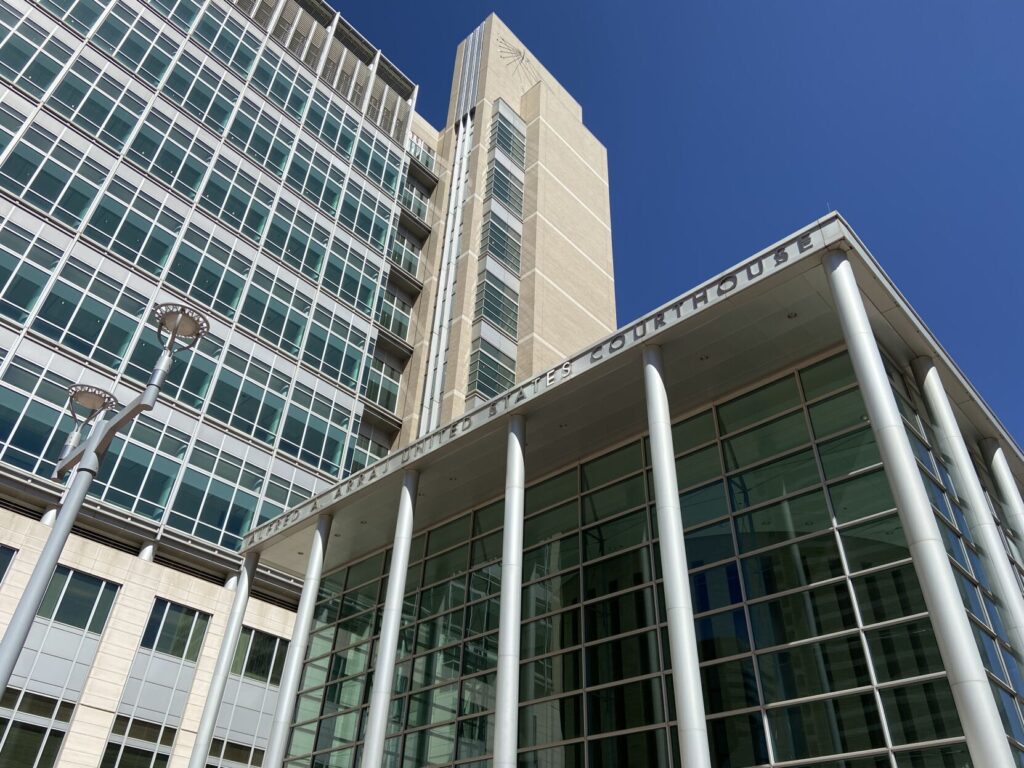
A federal judge dismissed the claims against a medical contractor for the Eagle County jail and its employees earlier this month, concluding there were insufficient allegations that they violated the constitutional rights of a man who died by suicide in...
Federal judge advances lawsuit seeking overtime compensation for Aurora firefighter trainees
Michael Karlik
michael.karlik@coloradopolitics.com
Updated 10 hours ago
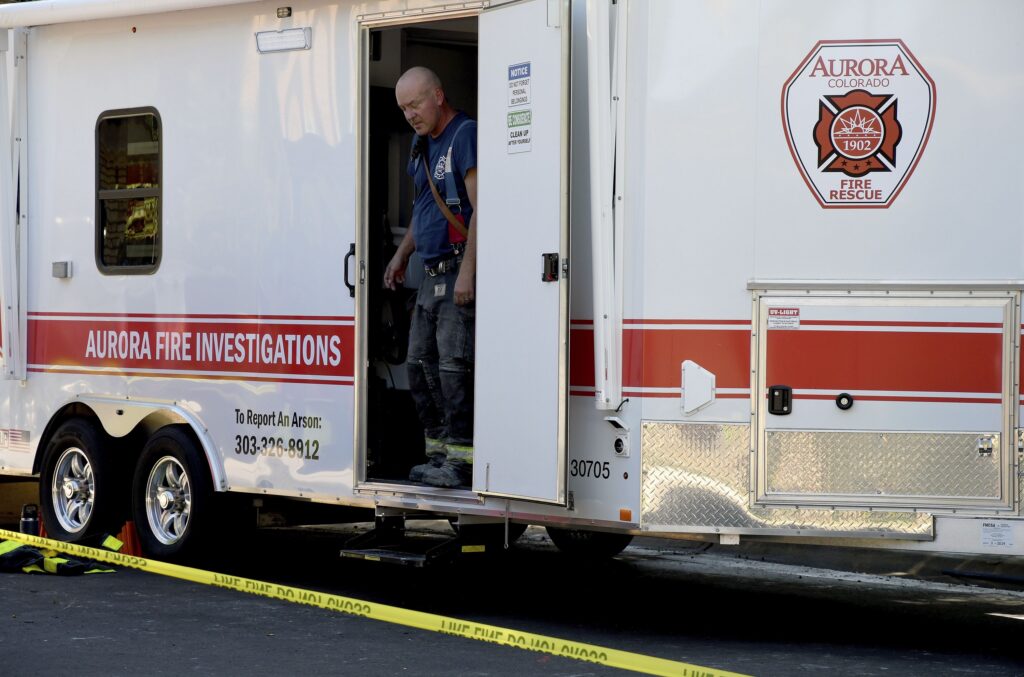
A federal judge gave preliminary approval earlier this month to a class of Aurora firefighter trainees who may sue the city over allegations that they were denied overtime pay in violation of federal law. Joseph Elias, who attended Aurora’s fire...
Appeals court says jury not obligated to apply discounts to determine value of stolen merch
Michael Karlik
michael.karlik@coloradopolitics.com
Updated 10 hours ago
Colorado’s second-highest court concluded on Thursday that it was up to a Douglas County jury to determine the value of stolen merchandise at a defendant’s theft trial, after both sides presented different estimates of the items’ value. Under state law,...
Public figures have limited path to sue over accusations of criminality, says appeals court
Michael Karlik
michael.karlik@coloradopolitics.com
Updated 4 days ago
Colorado’s second-highest court ruled last week that a public figure cannot sue for defamation solely because a person publicly accuses them of committing a crime, as the statement may be constitutionally protected opinion. A three-judge Court of Appeals panel narrowed...
Federal judge to consider sanctioning ex-Colorado judicial discipline director
Michael Karlik
michael.karlik@coloradopolitics.com
Updated 4 days ago
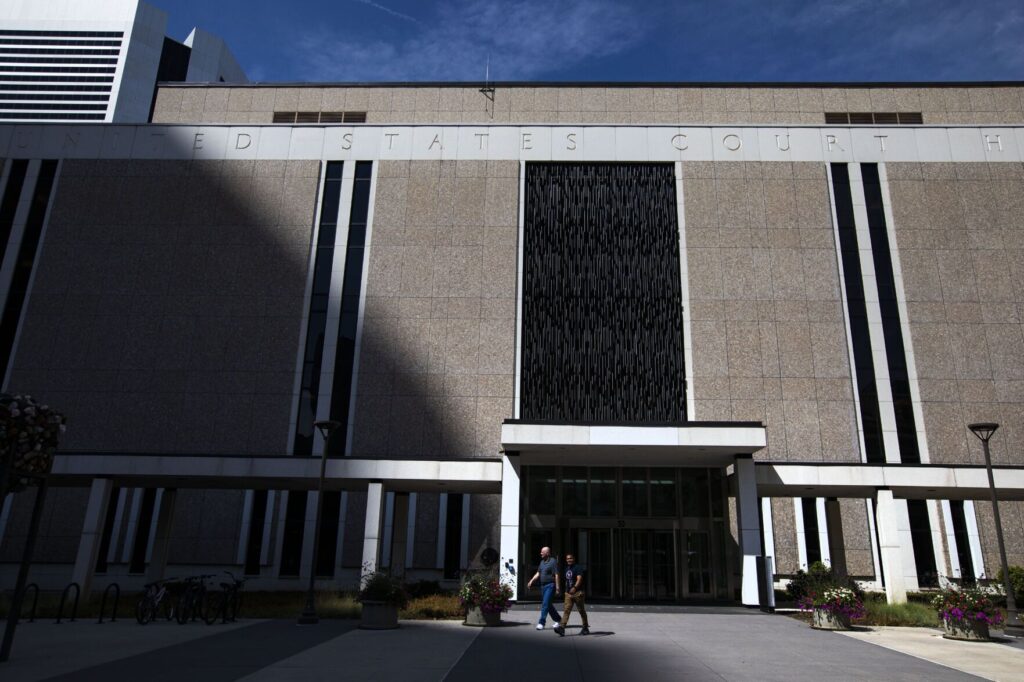
A federal judge ordered Colorado’s former head of judicial discipline on Wednesday to explain why she should not sanction him for making inaccurate statements about the defendants in his lawsuit against the Colorado Supreme Court and related entities. U.S. District...

Federal judge green-lights trial against Denver officer over race-based enforcement
Michael Karlik
michael.karlik@coloradopolitics.com
Updated 3 days ago
A federal judge green-lit a jury trial last week on a man’s claim that a Denver police officer engaged in racially selective enforcement of the law by arresting him for video recording at a police station, while not arresting a...
Federal judge says 8 years in solitary confinement not grounds to reduce man’s sentence
Michael Karlik
michael.karlik@coloradopolitics.com
Updated 6 days ago
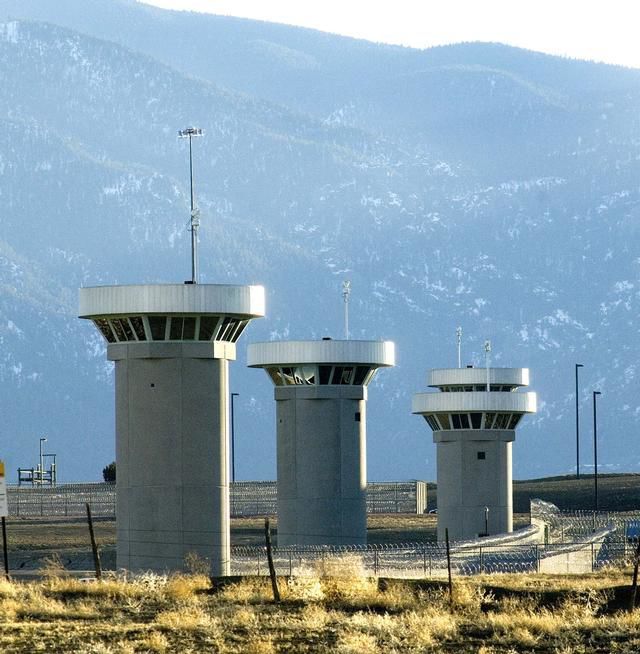
A federal judge concluded earlier this month that a man’s eight years allegedly spent in solitary confinement did not justify granting his request for a sentence reduction. However, U.S. District Court Senior Judge William J. Martínez signaled his willingness to...
PREV
PREVIOUS

As protests roil America's colleges amid Israel-Hamas war, Colorado universities reckon with free speech
On the same day the leaders of three of America’s most prominent educational institutions gave legalistic responses over whether calling for the genocide of Jews constitutes bullying or harassment, a Colorado university raised funds for a group providing emergency services in Israel. Colorado Christian University hosted local Jewish leaders over dinner and a prayer vigil […]

Douglas County water panel holds first meeting
The newly-configured Douglas County water commission got its first look at each other on Monday. The county’s commissioners had named members to the water panel in November. Below are the appointees. For District 1, which is represented by Commissioner Abe Laydon: Water law expert James Eklund, formerly the head of the Colorado Water Conservation Board and […]