

Auon’tai Anderson sits down for final interview before stepping off the school board
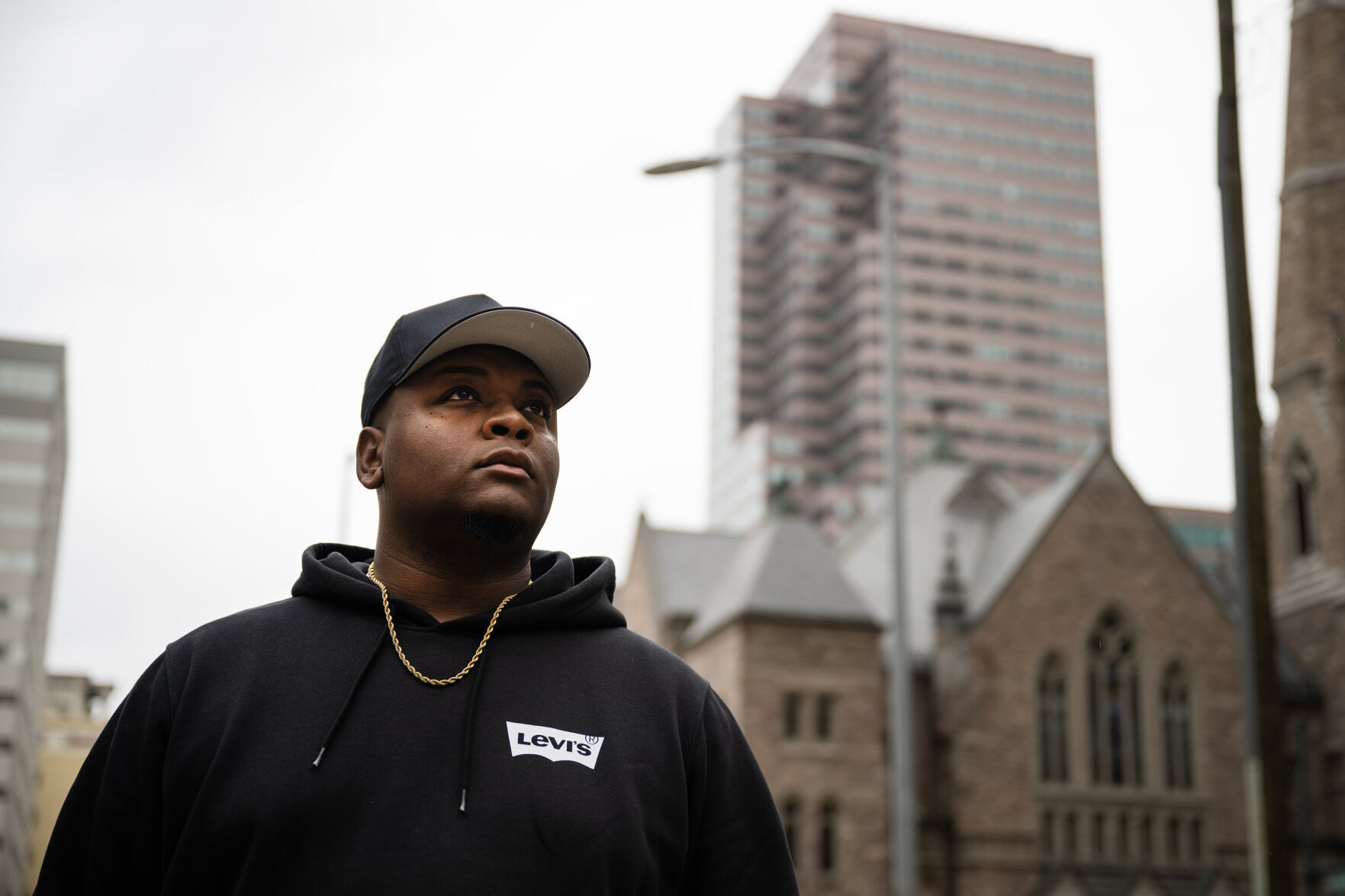
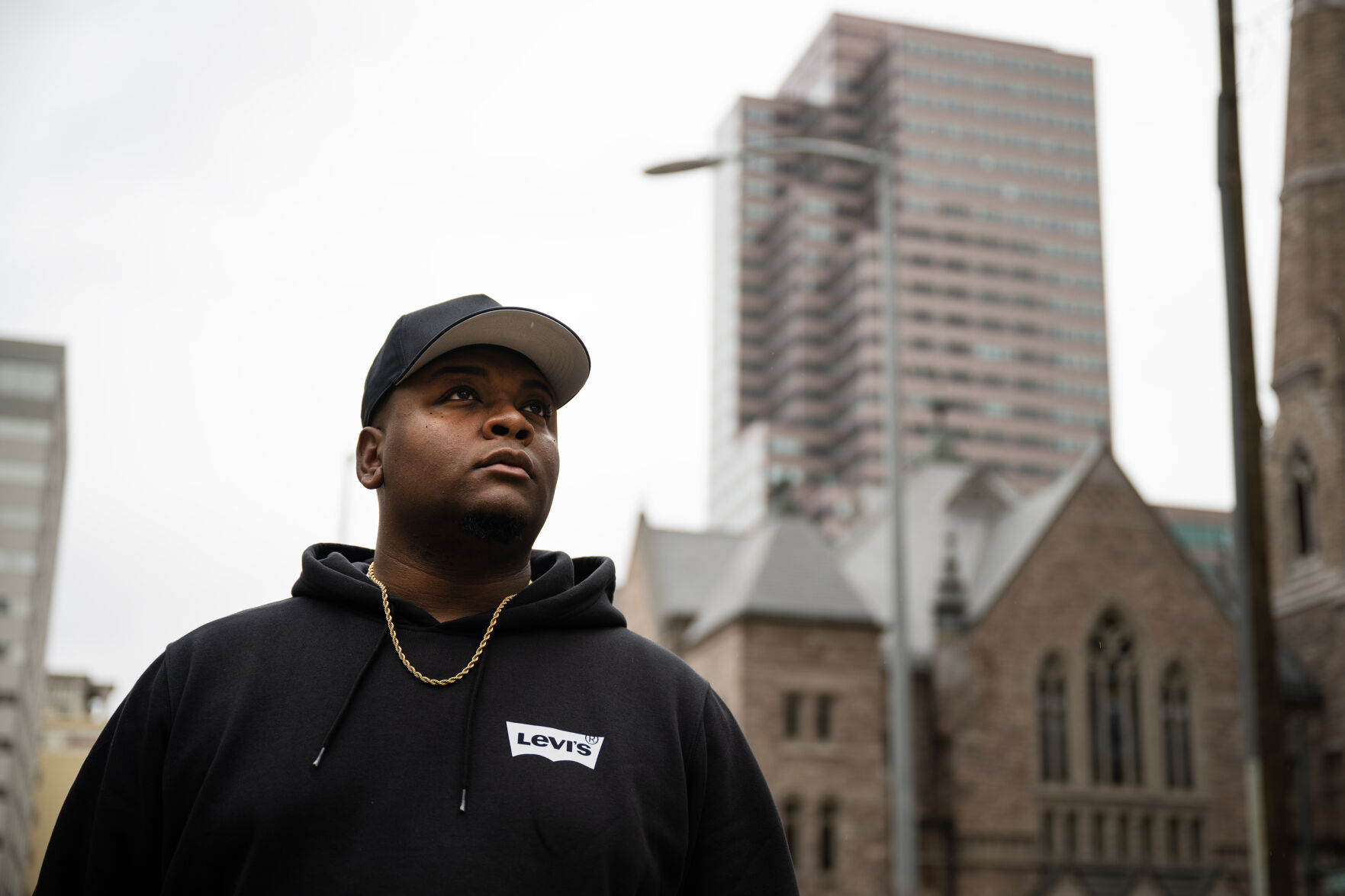
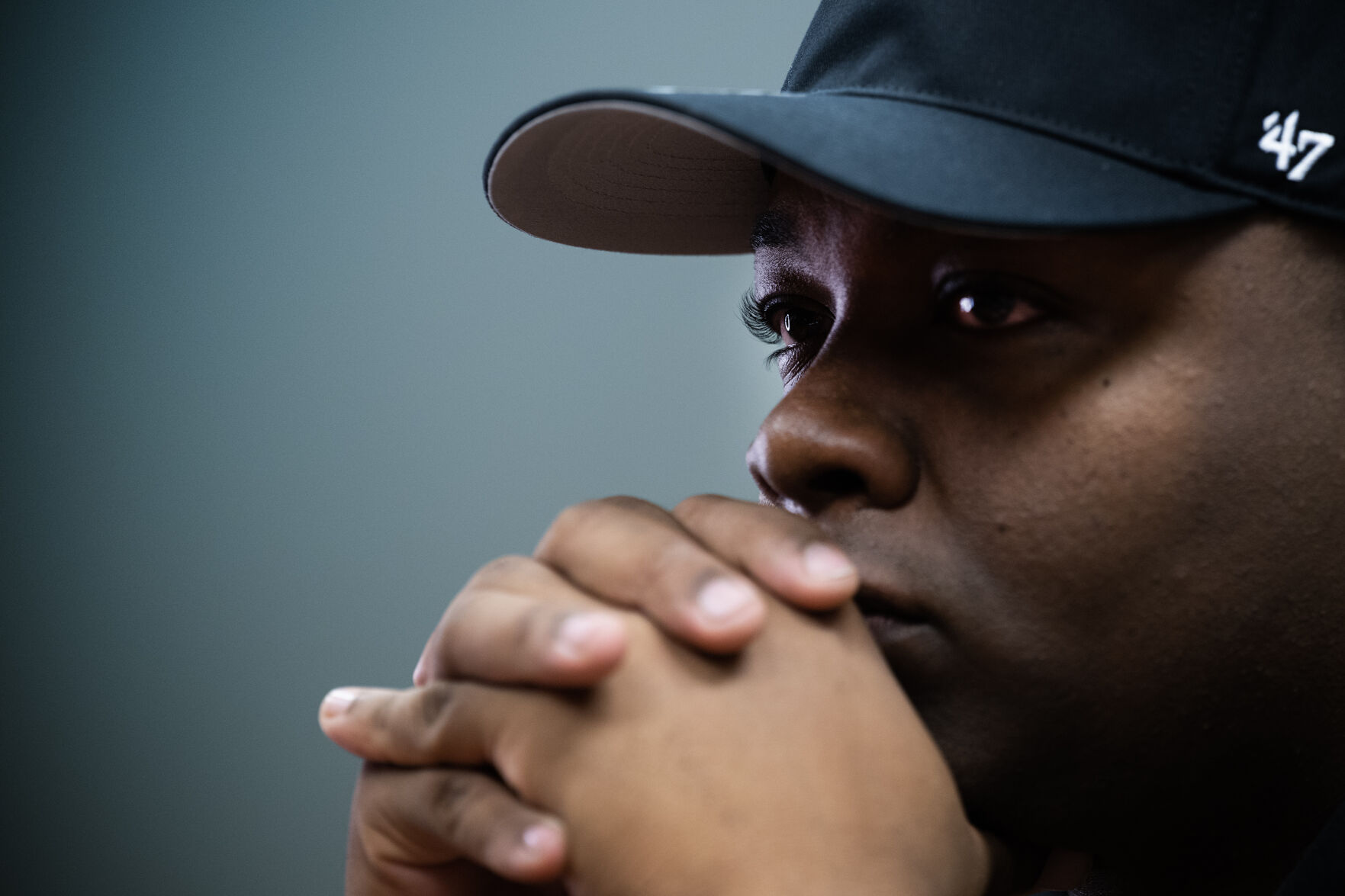
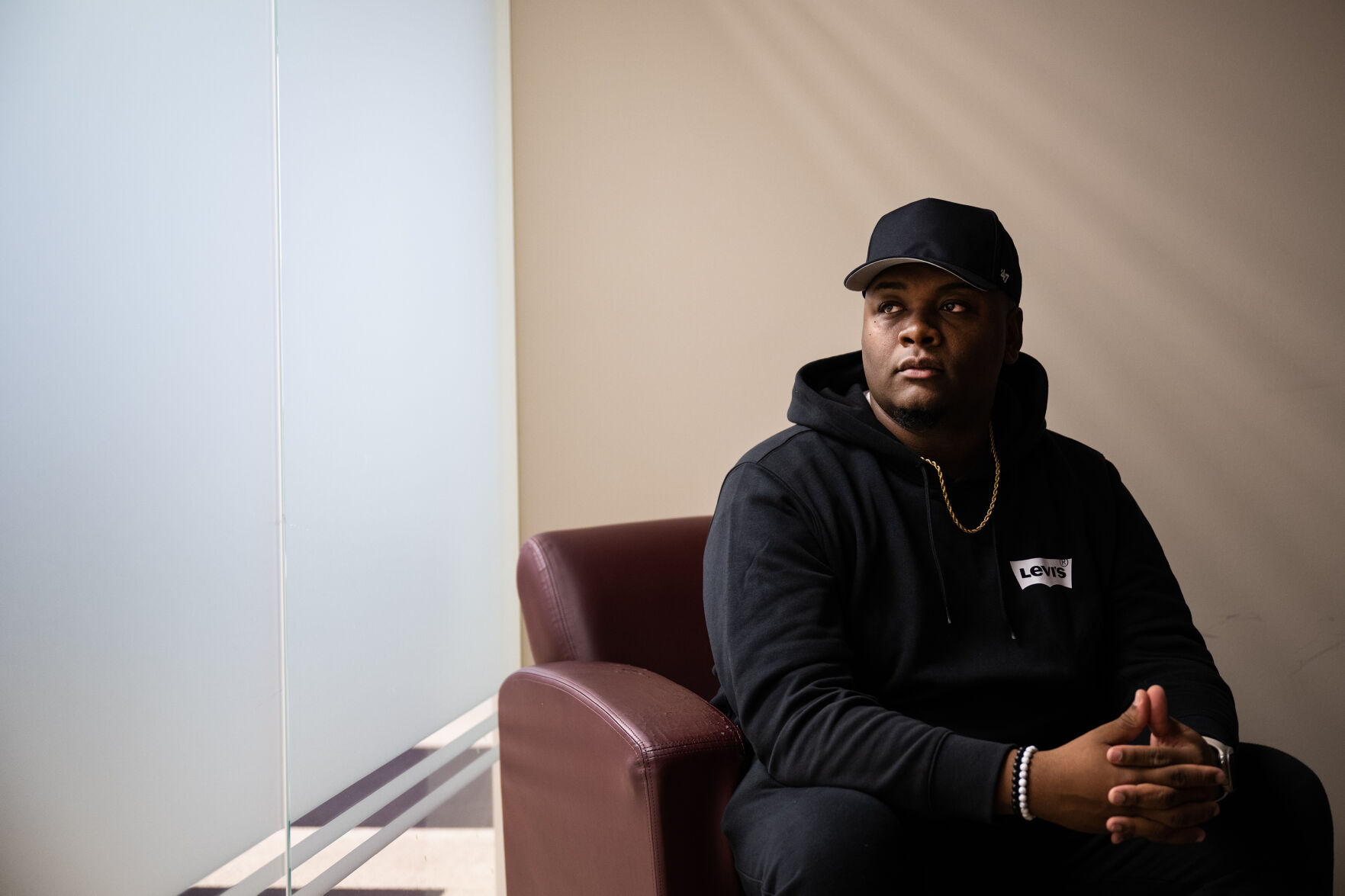
With his time on the board winding down, The Denver Gazette sat down for a wide-ranging interview with Denver Public Schools Vice President Auon’tai Anderson, a politician many consider to be the most divisive headline maker in the city, to discuss his tenure and what’s next.
The 25-year-old has been at the center of many of the district’s controversies – from the return of armed police to campuses to the alleged seclusion room at McAuliffe International School.
Indeed, the board has for months endured withering public criticism for a series of missteps that included school closures, failure to protect students and administrators from gun violence and the termination of McAuliffe’s popular principal. Anderson was often the most visible member in these controversies.
Notably, Anderson co-authored the 2020 policy that kicked out cops from campuses and then, amid public pressure, changed his mind. Recording from an illegal closed-door meeting of board members showed him leading the charge to allow officers back into schools, saying, at one point, that, “in one hour, we are supposed to go out and face every camera in America … CNN is here, the Today Show is here, Good Morning America is here.”
He’s also had his share of personal controversy.
Two years into his term, the board censured Anderson following a sexual misconduct investigation, which did not substantiate the most serious allegation against him.
The investigation, however, found Anderson had flirted with a 16-year-old student on social media and made intimidating social media posts during the investigation.
Anderson has an ongoing defamation claim against two of the women who claimed he committed sexual assault.
In what will likely be his final interview as an at-large member of the board of education, Anderson tackled a variety of subjects from what he believes are the board’s greatest accomplishments in his four years to advice for the new set of members slated to be sworn in on Nov. 28.
Here are six takeaways from the interview:
Accomplishments
Anderson rattled off what he believes to be the board’s accomplishments during his tenure:
? Unanimous support for a resolution supporting LGBTQ+ students.
? Removing armed police from schools to address what he and others call over-policing concerns, claiming the presence of police perpetuates the “school-to-prison pipeline.” Anderson later changed his mind when a student shot two school administrators at East High in March.
? Passing the “Know Justice Know Peace” resolution, which sought, among other things, to include in the district’s curriculum the contributions of Black, Indigenous and Latino communities.
? Increasing the minimum wage for paraprofessionals to $20 an hour.
? Expanding the unions to include school-based administrators.
“And the list continues to go on,” Anderson said. “So, we’ve done a lot of good work.”
Policy governance
The board uses what’s called “policy governance” in its decision making, which represents a shift for district leadership.
Put simply, a policy governance model establishes the responsibilities and the relationship between the superintendent and board of education. In theory, the new model allows the board to focus on advancing its vision for the district.
Adopted in the fall of 2021, the new system was unanimously approved by the board in the wake of complaints by city officials – including former Denver Mayor Michael Hancock – that the dysfunctional board had undermined outgoing Superintendent Susana Cordova, according to Chalkbeat Colorado.
Anderson, who voted for the policy governance framework, called the model a failure.
“I think policy governance has what’s led to our disagreements as board members,” Anderson said.
Anderson added: “I don’t think that the experiment worked.”
Drama
The drama on the school board is no secret.
Over six months starting last year, the district spent more than $35,000 to pay therapists and conflict coaches to help board members resolve disputes with each other.
Directors have often clashed on the best way to govern Colorado’s largest school district.
For example, in the aftermath of the March 22 shooting at East High School – when directors were still wrestling with the community response – Board President Xóchitl Gaytán attempted to censure Anderson for disclosing information discussed in a closed meeting.
Anderson downplayed the personality clashes.
The way Anderson sees it, the therapy for the board actually helped members get along better.
“I think it should be the norm,” Anderson said.
“I hope the board of education reevaluates this.”
No regrets
Does Anderson have any “should have’s” or “could have’s” from his four years on the board?
Nope.
“I believe everything happens for a reason,” Anderson said. “And I think every decision that I’ve made – even if I don’t agree with it now – I would say that it has shaped me into the person who I am and has always made me a better person.”
Next steps
The district has grappled with declining student enrollment for the past decade. It’s among a district’s top concern because fewer students means less money.
Lower birth rates, skyrocketing home costs and gentrification are the biggest factors driving enrollment declines in Denver.
Hard choices are coming, Anderson said.
While the board shuttered three low-enrollment schools in the spring, it sidestepped a more painful proposal to close 10.
“There will have to be closures in the near future,” Anderson said.
Anderson predicted that to remain whole, the district may have to close six to 10 more schools.
‘Be unapologetic’
Having lost a bid for a school board seat in 2017 and going on to win as a 21-year-old in 2019 – making him among the youngest elected in Colorado – Anderson knows a thing or two about running a campaign.
After four tumultuous years on a board that pulls, according to local polls, a 30% approval rating among Denver voters, Anderson has some advice for the political newbies elected to board earlier this month: stay true to yourself.
“Be unapologetic,” Anderson said.



Colorado Politics Calendar Sept. 14-20
Rachael Wright, Special to Colorado Politics
rachael.wright@coloradopolitics.com
Updated 3 days ago
CoPo’s weekly political calendar will help you find political and public-policy events throughout Colorado. It includes candidate and issue campaign events, public policy meetings, court hearings, state and local party conventions, assemblies, debates, rallies, parades, speaking engagements, traveling dignitary appearances,...
The African roots of three Colorado leaders | SONDERMANN
Eric Sondermann
eric-sondermann@coloradopolitics.com
Updated 2 days ago
Colorado’s political transformation is measured in many ways. A once reliably red state (with asterisks) became purple and is now a rather deep blue. For better or worse, probably the latter, power is ever more consolidated along the Front Range...
Federal judge green-lights civil trial against ex-Fort Collins DUI officer
Michael Karlik
michael.karlik@coloradopolitics.com
Updated 17 hours ago
A federal judge ruled on Thursday that Fort Collins’ former “DUI officer” will face a civil trial for allegedly investigating a motorist for impaired driving without any reasonable suspicion to do so. In recent years, several people arrested by Officer...

Denver police reopen 13 sex assault cases after retesting Missy Woods’ CBI work
Jenny Deam
jenny.deam@gazette.com
Updated 14 hours ago
Thirteen previously closed Denver sexual assault cases have been reopened after the city’s crime lab retested DNA evidence once analyzed by former Colorado Bureau of Investigation forensic analyst Yvonne Woods. A police spokesperson told The Denver Gazette the once-closed cases...

Ballot measure aims to shift Colorado sporting-goods tax revenue to land, water and wildfire projects
Marissa Ventrelli
marissa.ventrelli@coloradopolitics.com
Updated 19 hours ago
Colorado voters this November will decide whether to direct a share of sales tax revenue from sporting goods — including bicycles and skiing equipment — toward land and water conservation, wildfire prevention and expanding outdoor recreation. Supporters say the measure...

Colorado Supreme Court suspends Mesa County judge pending misconduct investigation
Michael Karlik
michael.karlik@coloradopolitics.com
Updated 20 hours ago
The Colorado Supreme Court suspended Mesa County Court Judge Michael J. Grattan on Thursday amid a misconduct investigation. The court’s Sept. 10 order gave Grattan 21 days to explain why his paid suspension should not continue through the end of...

Trump honors the fallen of the 9/11 terrorist attacks during Pentagon speech
Mabinty Quarshie
mabinty-quarshie@coloradopolitics.com
Updated 20 hours ago
President Donald Trump and first lady Melania Trump honored the roughly 3,000 Americans killed during the Sept. 11, 2001, terrorist attacks during a ceremony at the Pentagon. The event marking the 25th anniversary of the deadliest attack on American soil...

Immigration reporting measure fuels debate over Colorado’s role with ICE
Marissa Ventrelli
marissa.ventrelli@coloradopolitics.com
Updated 15 hours ago
A coalition of advocacy groups and several district attorneys rallied outside the Colorado Capitol on Thursday to oppose a ballot measure that, if approved by voters in November, would require state and local law enforcement to cooperate with federal immigration...
Colorado Supreme Court changes course, dismisses case about special district bonds
Michael Karlik
michael.karlik@coloradopolitics.com
Updated 16 hours ago
The Colorado Supreme Court declined on Friday to decide a dispute between a large-scale Commerce City development and the various districts financing it, after initially showing interest in the ongoing case. Colorado has roughly 2,800 special districts, which are local...

Colorado leaders express outrage and pain following 9/11 attacks | A LOOK BACK
Rachael Wright, Special to Colorado Politics
rachael.wright@coloradopolitics.com
Updated 1 day ago
Twenty-Five Years Ago This Week: “Responding to the 9/11 terrorist attacks, Colorado Gov. Bill Owens told reporters in a statement, “I join all Coloradans in expressing outrage and horror at the senseless terrorist bombings in New York and Washington D.C....
PREV
PREVIOUS
Biden to hold fundraiser in Denver, lawmakers eye $2 billion in spending with only $23 million available | WHAT YOU NEED TO KNOW
Today is Nov. 28, 2023, and here’s what you need to know: As we reported earlier, President Joe Biden plans to appear in Pueblo on Wednesday. He had rescheduled the trip, which the White House canceled a month ago amid the mounting conflict in the Middle East. Biden is again expected to pitch his administration’s […]

Democrats seeing red: Four seats Biden's party hopes to flip amid retirement boom
The Democratic Party is looking to make gains in several districts across the country in 2024, particularly in the wake of a congressional exodus wherein multiple Republicans have said they won’t be seeking reelection. Nearly three dozen members of the House of Representatives have revealed their intention not to seek reelection, a number that is […]