

Get to know Aurora’s mayoral candidates | DENVER VOTERS GUIDE
With Aurora’s November election rapidly approaching, city residents will have several big decisions to make in choosing the next city leaders.
Voters will choose between several candidates for mayor, at-large councilmembers and councilmembers for districts (called “wards”) IV, V and VI.
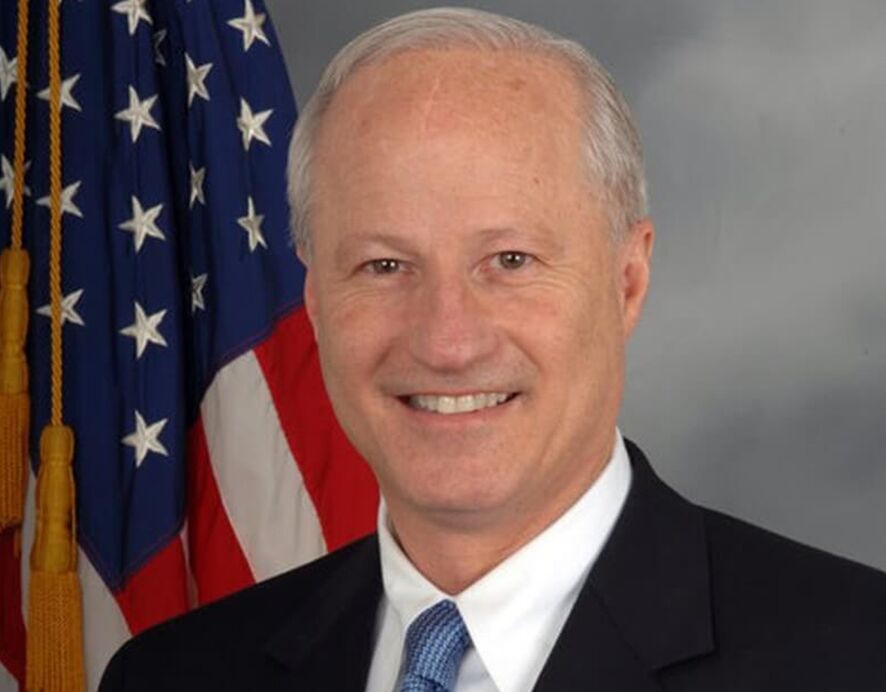
Three candidates, Mike Coffman, Juan Marcano and Jeffrey Sanford, are running for mayor, a position currently held by Coffman.
Election Day is Nov. 7 and candidates elected to office in 2023 will serve four-year terms ending in 2027. Their terms will begin at the commencement of the first regular council meeting in December following the election.
The Denver Gazette asked all of the candidates a series of questions about how they would approach their roles. Responses from the three mayoral candidates are as follows.
Candidates were asked to limit responses to 100 words. Some of the responses have been edited to meet this requirement.
What makes you qualified for the role you’re running for and why should people vote for you?
Mike Coffman: I served 21 years in the military and have been a business leader, founding an Aurora-based property management firm. In government, I served as a state legislator, in statewide offices, and in Congress, and have served as the Mayor for Aurora for four years.
I’ve led in efforts to bring down crime rates by supporting a fully staffed, trained, and equipped police department. I worked with Denver and Colorado Springs mayors to reduce crime, and most of our agenda passed the legislature and was signed into law. I’ve also passed proposals surrounding homelessness and housing affordability.
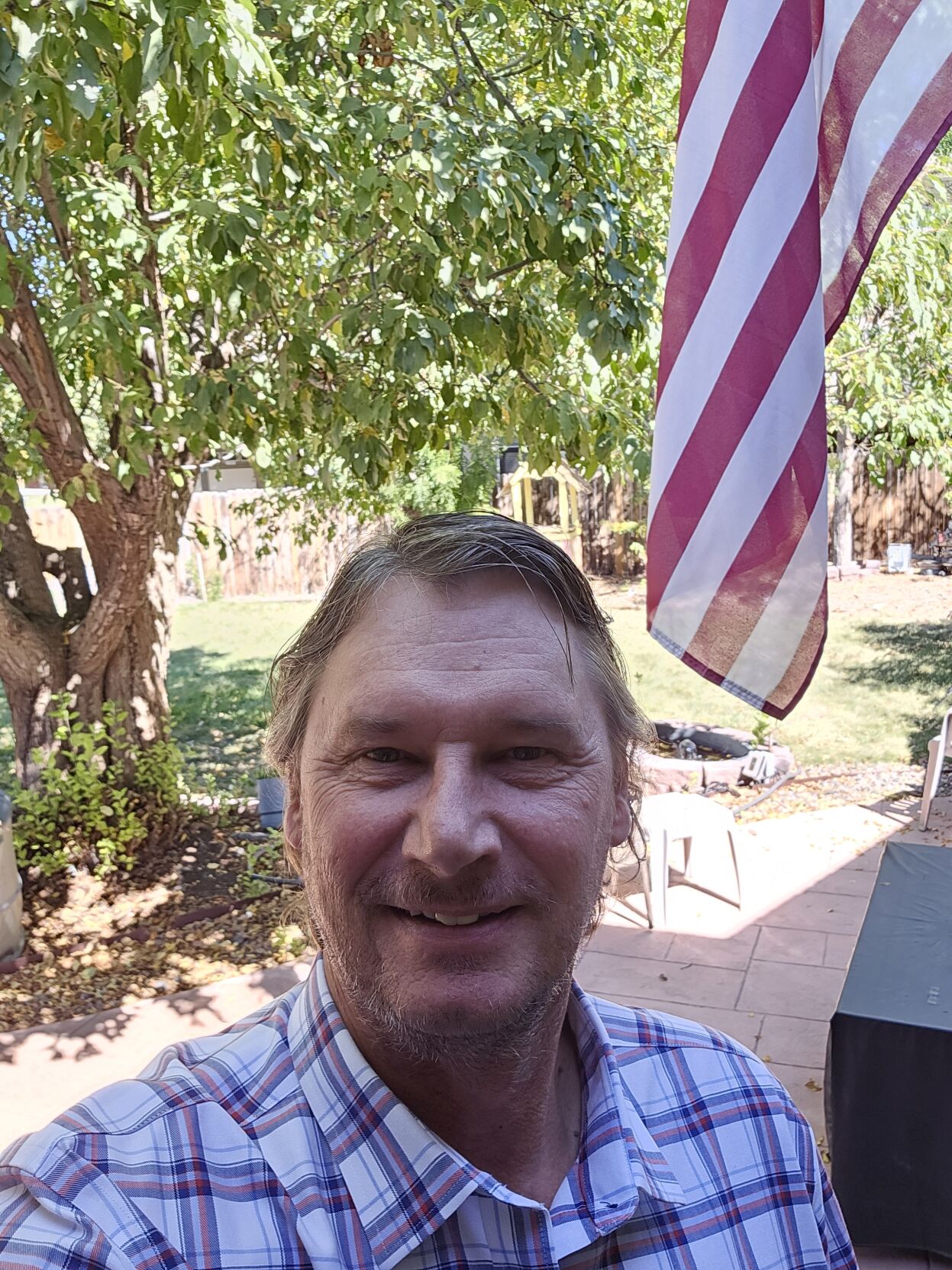
Jeffrey Sanford: My 24 years of military service in not only combat deployments but numerous humanitarian deployments. I also have 13 years working with-in the civil service drafting policy and managing enterprise level multi-billion budgets. A change in leadership is necessary to move forward with decorum, and adapt to the current issues facing the residents of Aurora, not the ever growing city bureaucracy with partisan battles.
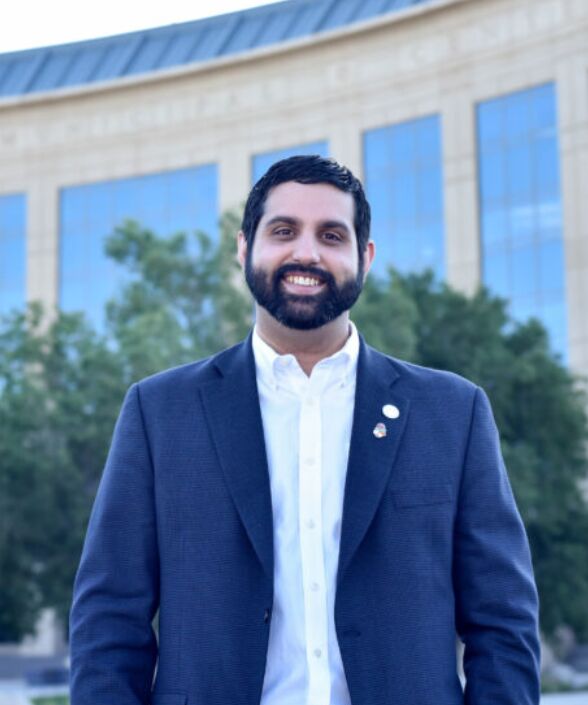
Juan Marcano: The mayor’s primary responsibility is constituent services, and I’ve been the most responsive and accessible council member the city has had since it began tracking constituent service requests. I will continue this as mayor. The mayor’s most unique duty is to run our regular meetings, and I have a strong grasp on parliamentary procedure that will ensure our meetings are run efficiently. Finally, it is the mayor’s duty to bring the council together and set a vision for the future of the city. I will focus on areas of agreement to build consensus and deliver results for our community.
What are the top three challenges facing Aurora today and what would you do to address them?
Coffman: The top three challenges are bringing down the crime rate, ending unsheltered homelessness, and making housing more affordable. On crime, I will continue to work to make sure that our police department is fully resourced and that we work with our state partners to make sure that we have the laws in place to deter, and not enable, criminal behavior. On homelessness, I will continue to promote policies that get the unsheltered homeless off the streets and into treatment, job training, employment, and stable housing. On housing affordability, I will continue to support zoning changes that encourage affordable housing.
Sanford: Fiscal responsibility, environmental sustainability, and lack of a comprehensive vision/masterplan. Request a state audit of sole source contracts, give priority to Aurora based business, and have objective data supporting all funding and personnel increases.
Marcano: Public safety, housing, and homelessness. On public safety, we need to continue to hold people accountable while we make investments to address the root causes of crime and diversify our response options to free up sworn officers to handle more serious crimes. On housing, we need to take full advantage of funding from Prop 123 while we increase funding for and execute on Aurora’s Housing Strategy to include land banking and grants for nonprofit development. Deepening housing affordability while creating a permanent supportive housing program modeled after Houston, Texas will allow us to rapidly decrease homelessness while saving taxpayers money.
What is your stance on Aurora’s approach to homelessness and how would you address it if elected?
Coffman: My plan for reducing homelessness will have three parts to it. The first is to get the unsheltered homeless off the streets and into a safe place for them to stay. This will require a more aggressive and less tolerant approach than we have under our current camping ban, to urban camping. The next step will require the homeless, through case management, to agree to an “Individual Responsibility Contract” to address their challenges through participating in addiction recovery, mental health counseling, job training and employment with the end state of having every able-bodied individual employed and living in stable housing.
Sanford: Reliance on non-profits is a stopgap measure, we must have a clear action plan that address the root cause, and a long-term vision.
Marcano: What we’re doing isn’t working, but there is one city that’s leading the way. I led a delegation of local municipal and county officials to Houston last September to learn from their incredible success. Mayor (Sylvester) Turner shared with us that the biggest challenge Houston faced was building the political will, but elections eventually produced a majority willing to collaborate as a region. Our existing partners are willing to collaborate, but our current mayor has decided to ignore their advice. When I’m elected, we will change course, implement what we learned, and get this problem under control through regional collaboration.
As an elected official, what would your role be in bolstering public safety efforts in Aurora?
Coffman: My plan on improving public safety is to make sure that we have a fully staffed police force that has the training, pay, and benefits to attract and retain the law enforcement professionals. We must also lean into the consent decree between the Aurora Police Department and the Attorney General’s Office concerning past mistakes that were made and view it as an opportunity for improvement. We should continue to expand using our partners, such as mental health professionals, to respond to incidents where an individual is having a mental health crisis, and a law enforcement approach is unnecessary.
Sanford: Balance the need for community engagement and access to recreation areas. Focus on objective data and not anecdotal talking points.
Marcano: I will support innovative efforts like our Focused Deterrence Program, while crafting policy to further bolster strategic investments in high-risk areas coupled with broader policy changes on housing, wages, and after-school activities to address the root causes of crime city-wide. I’ll also continue to provide our residents with direct material aid to keep themselves and their families safe, as we have done with our Family Safety Check initiative and continue to support victims of crime when it does occur as we have done with our impound fee offsets for victims of theft and the doubling of our victim’s assistance funding.
What is your stance on the Strong Mayor proposal?
Coffman: I support changing the city’s charter from a city manager form of government to a mayor-council form of government, often referred to as a “strong mayor” system, because Aurora is no longer a sleepy suburb but it’s the 51st largest city in the United States with the urban challenges of race, poverty, and crime. A mayor, unlike a city manager, is accountable directly to the people and can provide a vision with the responsibility and authority to achieve it. It also provides an additional check on the powers of the city council by having veto authority over their decisions.
Sanford: The strong mayor proposal is one of the reasons I entered this race. 12,000 citizens approved the proposal, a judge ruled it was proper, but now will have to wait for 2025.
Marcano: I opposed the strong mayor proposal due to its mendacious process and poor merit.
Procedurally, this effort was drafted in secret, was astro-turfed by Coffman and a Republican dark money group from Colorado Springs, and gathered signatures by deceiving Aurorans. A charter change of such magnitude should first be drafted in a transparent fashion, then scrutinized by the public and by council before being referred to the ballot.
On the merits, mayor-council cities are more vulnerable to nepotism, cronyism, and mismanagement than council-manager cities. Aurora greatly benefits from professional executive management while the council sets the vision and policy direction.
What is one thing you would do differently than the person who currently has the role you’re running for?
Coffman: Traditionally, the mayor does not go to policy committee meetings while each member of the city council generally serves on three policy committees that meet monthly. They are important from the standpoint of interacting with staff and discussing specific issue areas. My goal, in a second term, would be to attend and participate in every standing policy committee meeting and use my extensive experience in government to help the respective committee members develop proposals to bring forward to the city council for a vote instead of continuing to be dependent on staff to initiate proposals and move them forward. (Editor’s note: As the incumbent, Coffman was asked, “What is the one thing you would change or improve about how you approach your role?”)
Sanford: Work thru complex issues and listen to the community while asking why the city is approving millions of dollars to special interest with no master plan.
Marcano: I would communicate regularly with all members of council, as Mayor (Steve) Hogan and Mayor (Bob) LeGare did, to bring the council together on areas of agreement and keep council meetings as productive and orderly as possible.
I’d also set a much better example for how to interact with city staff. Our current mayor has often become aggressive with and disparaging of staff, which has in turn set the precedent that council can behave in the same fashion. This is causing the city to lose talented employees, makes city programs less effective, and puts us at risk for lawsuits.
What’s the best thing about living in Aurora?
Coffman: The best thing about Aurora is its cultural diversity. My family moved to Aurora in 1964 when my late father was transferred to the city for his last assignment in the Army. Aurora was a small military town back then with its diversity being mostly limited to the immigrant wives of service members, my late mother was one of them, who they married while serving overseas. Aurora is now the most diverse city in Colorado, and it truly is a world within a city. I’m proud to say that Aurora is a welcoming city to everyone who calls it home.
Sanford: The proximity to great parks and cultural attractions.
Marcano: The incredible culinary options available throughout our city, thanks to our city’s diverse population. We have the best food scene in Colorado, hands down. This is something I regularly brag about to folks who want to know what makes our city great, and it’s something we need to celebrate and publicize more. I’d love to create an annual Taste of Aurora festival to bring folks from the metro and beyond to Aurora so they can sample what we mean by “The World in a City.”

In a meeting Colorado GOP chair Brita Horn calls ‘illegal,’ Republicans vote to demand her resignation
Ernest Luning
ernest.luning@coloradopolitics.com
Updated 1 day ago
Roughly half the membership of the Colorado Republican Party’s state central committee on Saturday voted overwhelmingly to approve a resolution expressing “no confidence” in state GOP Chairman Brita Horn’s leadership and calling for her immediate resignation in an online meeting...
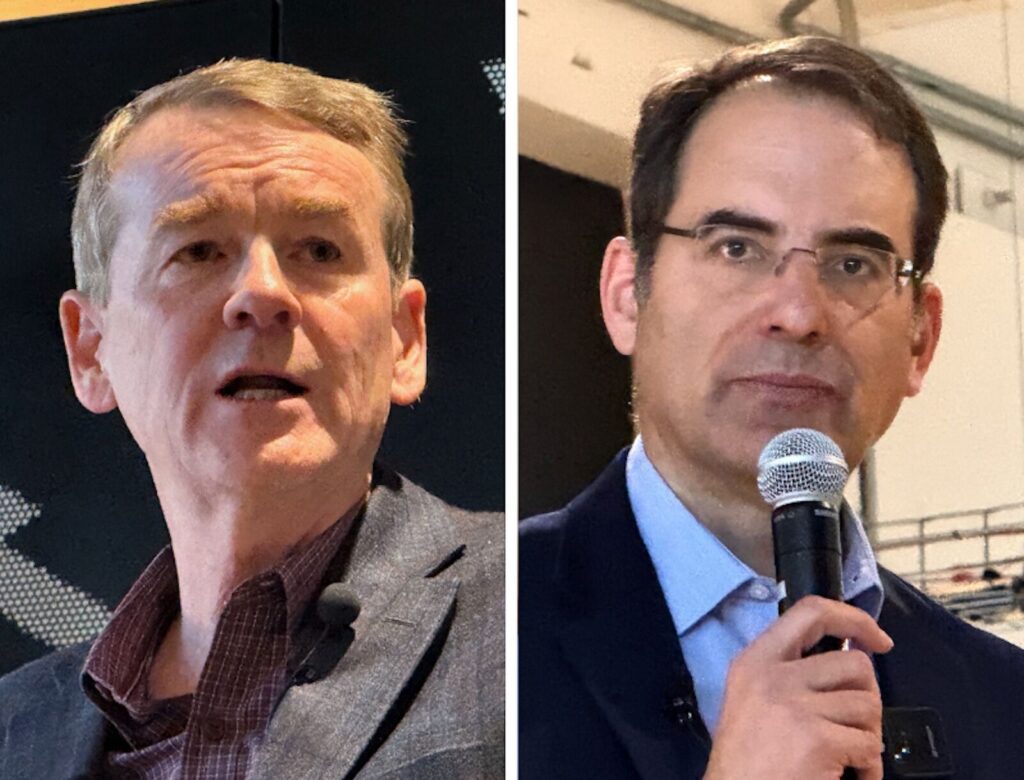
Democrats Michael Bennet, Phil Weiser make their cases to be Colorado’s next governor ahead of primary
Ernest Luning
ernest.luning@coloradopolitics.com
Updated 3 days ago
Nearly eight months before ballots will be counted in Colorado’s race for the its open gubernatorial seat, voters are lining up behind two of the state’s leading Democrats, who are facing off in a primary that will likely determine which...
Colorado GOP officers set competing meetings to hold ‘no-confidence’ votes on state chair Brita Horn
Ernest Luning
ernest.luning@coloradopolitics.com
Updated 2 days ago
Once again, members of the Colorado Republican Party’s central committee have scheduled separate, competing meetings to consider whether the state GOP’s governing body supports its chair, but this time neither meeting will be held under a bridge. State GOP Chair...
Colorado Democratic candidate submitted 1,600 signatures — only 29 were valid
Marianne Goodland
marianne.goodland@coloradopolitics.com
Updated 1 day ago
When he turned in some 1,600 signatures last month, Eric Nelson said it demonstrated “strong grassroots support from voters” across the district and a “growing momentum” for his “inclusive, community-centered leadership.” On Thursday, the Secretary of State rejected Nelson’s petition...
U.S. Sen. Michael Bennet: ‘It’s right to suspend’ wolf program in Colorado
Marianne Goodland
marianne.goodland@coloradopolitics.com
Updated 2 days ago
U.S. Sen. Michael Bennet, who is running for governor, told a newspaper this month that he favors suspending Colorado’s wolf reintroduction program. “I think it’s right to suspend it for now and to try to see whether there’s any way...
Hickenlooper endorsed by Planned Parenthood Action, environmental group in Colorado’s U.S. Senate race
Ernest Luning
ernest.luning@coloradopolitics.com
Updated 3 days ago
A pair of progressive national groups that advocate for abortion rights and fighting climate change have endorsed U.S. Sen. John Hickenlooper’s bid for reelection, with both calling the Colorado Democrat a proven fighter for their causes. Planned Parenthood Action Fund...
Colorado title board OKs language of ballot measure to privatize Pinnacol Assurance
Marianne Goodland
marianne.goodland@coloradopolitics.com
Updated 4 days ago
The state’s title board on Wednesday unanimously voted to approve the wording of a ballot measure that would allow Pinnacol Assurance, the state’s workers’ compensation insurance provider of last resort, to privatize. Behind ballot measure No. 218 is Colorado Succeeds,...
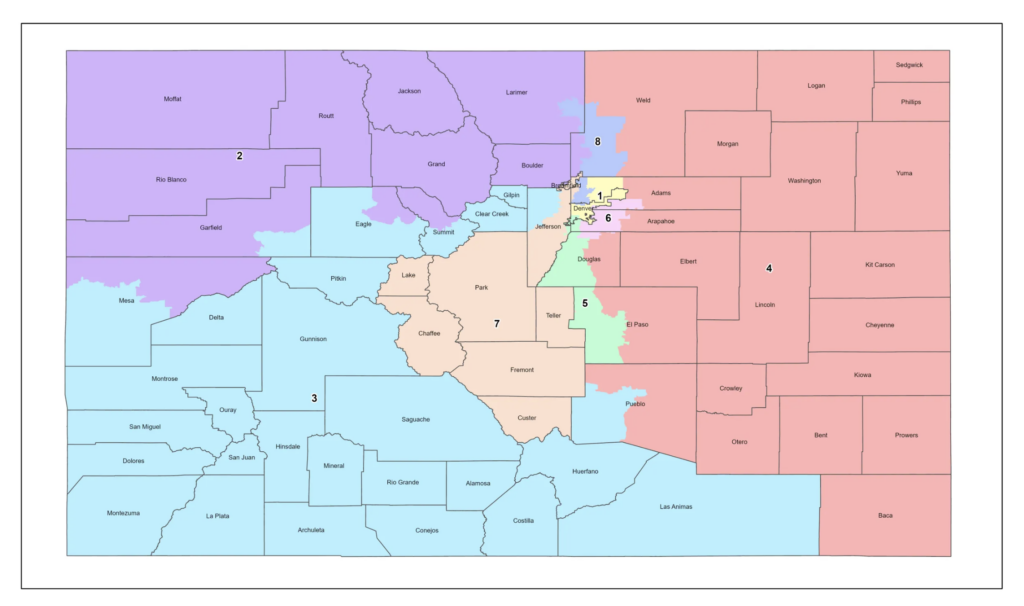
National redistricting fight reaches Colorado with ballot measures targeting GOP-held congressional districts
Marianne Goodland
marianne.goodland@coloradopolitics.com
Updated 3 days ago
A Democratic-aligned group backed by the House Majority PAC filed four versions of a 2026 ballot measure Tuesday that would temporarily suspend Colorado’s independent congressional redistricting commission and redraw the state’s map in an effort to flip three Republican-held U.S....
Ballot measure seeks to enshrine ‘right to know’ government affairs in Colorado Constitution
Marianne Goodland
marianne.goodland@coloradopolitics.com
Updated 4 days ago
A ballot measure filed Friday would enshrine people’s “fundamental right to know” the affairs of governments, thereby overturning a 2024 law that, critics said, now allows lawmakers to shield their activities from the public. Supported by by groups that aren’t...
Democrat Shannon Bird qualifies by petition for primary ballot in Colorado’s toss-up 8th CD
Ernest Luning
ernest.luning@coloradopolitics.com
Updated 6 days ago
Former state Rep. Shannon Bird has qualified for the Democratic primary ballot in Colorado’s hotly contested 8th Congressional District by submitting a sufficient number of petition signatures, state election officials said this week. The winner of the Democrats’ June 30...
PREV
PREVIOUS

Colorado legislator who attended pro-Palestine rally apologizes for 'harm' to Jewish community
A Colorado legislator condemned Hamas for its violent attacks on Israel and apologized for the “harm I have caused to many in the Jewish community and the Israeli community this week.” Tim Hernandez, D-Denver, who participated in a pro-Palestine gathering on the west steps of the state Capitol a day after the deadly Hamas attacks […]
Get to know Aurora's Ward VI city council candidates | DENVER VOTERS GUIDE
With Aurora’s November election rapidly approaching, city residents will have several big decisions to make in choosing the next city leaders. Voters will choose between several candidates for mayor, at-large councilmembers and councilmembers for districts (called “wards”) IV, V and VI. Two candidates, Francoise Bergan and Brian Matise, are running for one Ward VI council […]