

Got growth? Colorado Springs residents, developers debate as decades-long trends continue
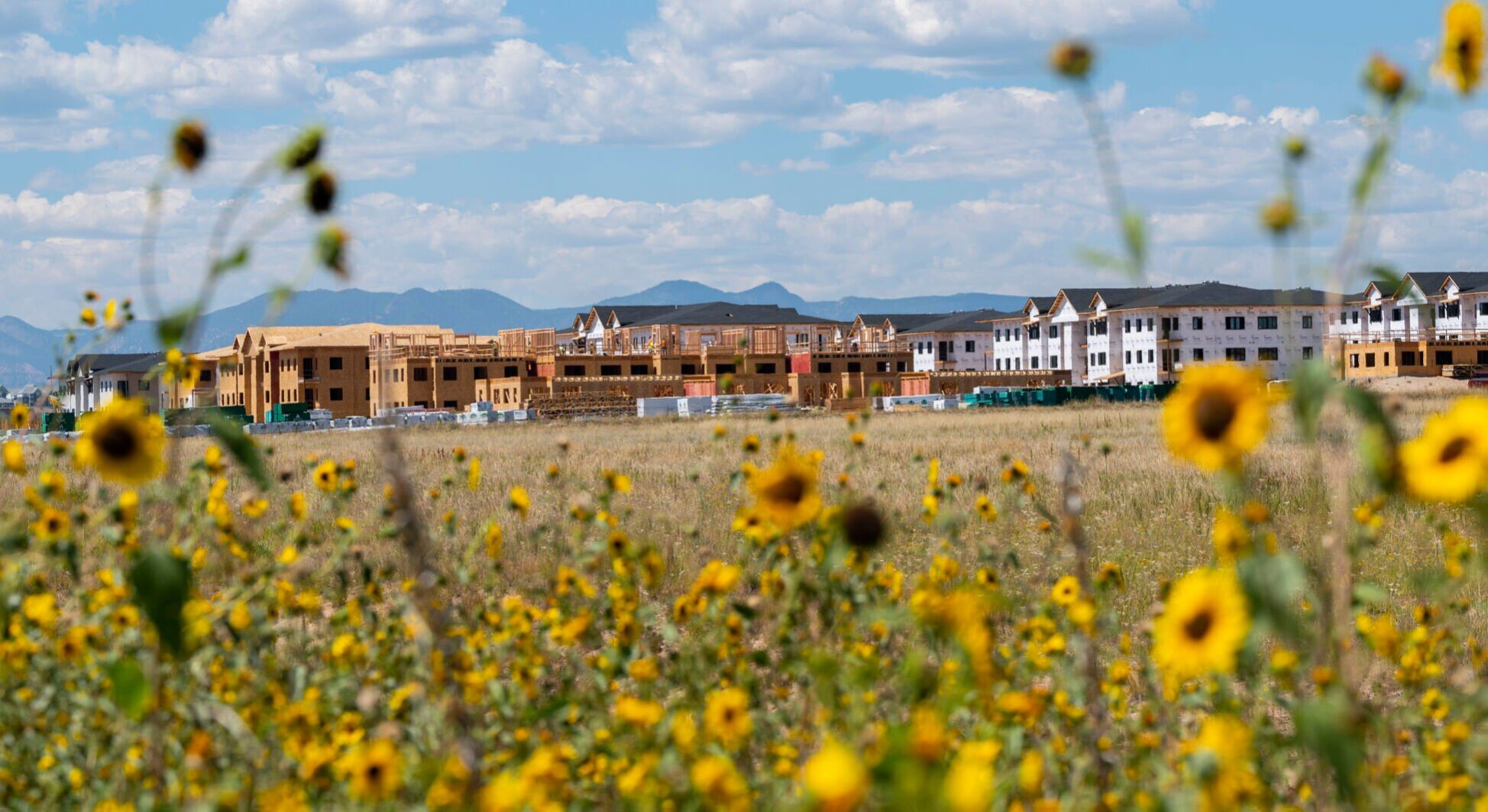
Editor’s note: This is the first in an occasional series about growth in Colorado Springs and the Pikes Peak region. Future stories will examine growth-related topics such as migration patterns, water, traffic, housing, infrastructure and jobs.
Feel as if it’s a little more crowded these days around your neighborhood, out on the road and where you work, shop and play?
It’s not your imagination; Colorado Springs and the Pikes Peak region continue to grow – as they have for decades.
The Springs’ population climbed to just over 485,000 at the halfway point of last year, according to the most recent estimate available from the Colorado Demography Office, which tracks population and other demographic trends. Over the last 20 years, the city has gained almost 109,000 people – roughly the equivalent of adding the current population of Greeley over that two-decade stretch.
More people mean more homes in fast-growing neighborhoods and more cars traveling area roads.
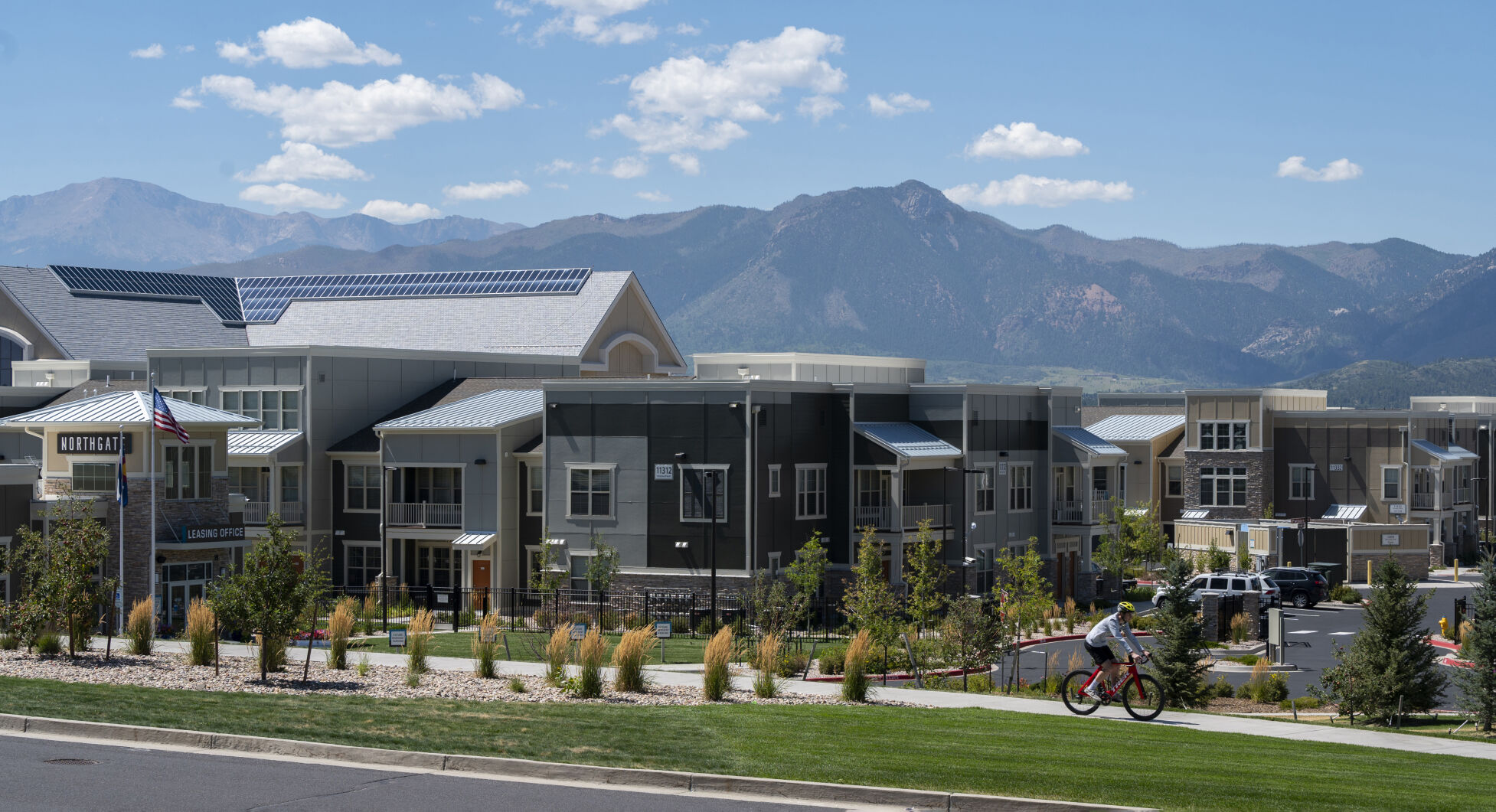
From 2012 through the first half of last year, the number of houses, apartments, townhomes and other residences increased by nearly 30,000 to 212,345, a Demography Office estimate shows. Two years ago, the number of registered vehicles in El Paso County totaled 746,814, according to the latest data available from the Colorado Department of Revenue show. That’s 163,509 more than 10 years earlier.
A closer look at growth hotspots in Colorado Springs
“We’re the product of our own success,” said Colorado Springs Mayor Yemi Mobolade. “We have been present in the rankings (by national publications) as a top five or top 10 city in the last five to seven years. It’s no surprise that people want to move here.”
In reality, though, the Springs hasn’t grown quite as fast in recent years as some people might think.
The city’s population growth rates on a year-over-year basis have slowed to less than 1% each year since 2019. By comparison, annual percentage increases in the 1990s ranged from 1.8% to a high of 4.2%, Demography Office data show.
In any case, the Pikes Peak region’s growth isn’t just about more people; it’s expanding economically, as well.
Locals and chains boosted
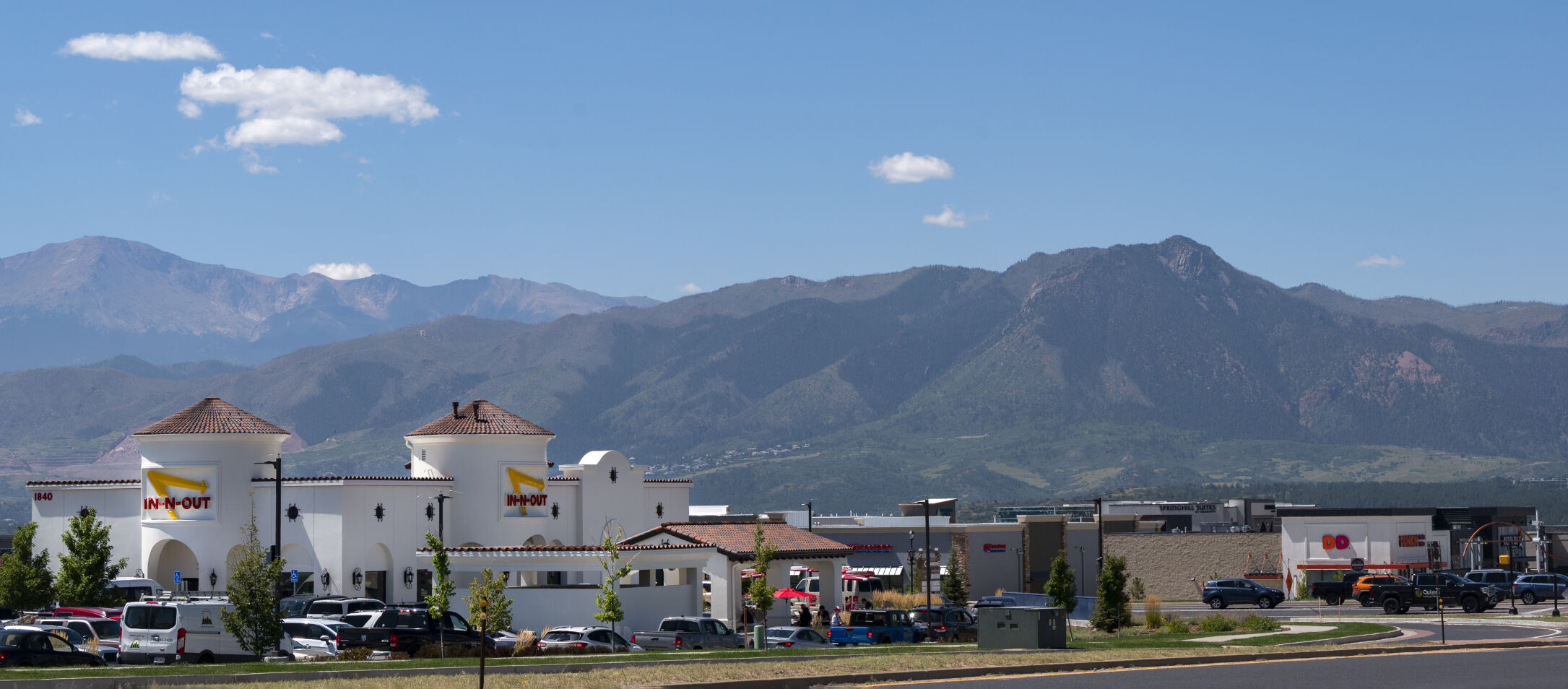
Growth has put Colorado Springs on the radar for retailers and restaurants looking for attractive markets with increasing numbers of people and money to spend. In-N-Out Burger, Scheels All Sports and Shake Shack are among the many regional and national fast-food chains and stores that have descended on the Springs in recent years. Several Denver-area restaurants have added locations here, as well.
Local business leaders, meanwhile, have basked in a string of recent job announcements for high-profile companies.
Colorado Springs-based Boecore, an aerospace and engineering firm, plans to add 600 jobs; Meyer Burger, a Swiss solar manufacturer will create more than 350 jobs; and Massachusetts-based Entegris, a global supplier of electronic materials for semiconductor makers has launched an expansion that will bring upward of 600 jobs. Boecore salaries will average just over $160,000 a year, while Meyer Burger and Entegris paychecks will average $77,000 and $75,000, respectively.
In one of the biggest economic plums for the region, the Biden administration announced last month that U.S. Space Command – and its 1,200 employees and $1 billion in annual economic impact – will remain in Colorado Springs instead of being moved to Alabama.
Conversations on growth and development with two longtime Colorado Springs leaders
That kind of job and military growth, along with affordable land prices, were factors that attracted ROI Property Group, a Utah-based real estate company, to the area, said founder Rob Fuller. His company now has seven residential projects in various stages of development and planning in Colorado Springs and El Paso County, its website shows.
“I started buying in the Springs a few years ago because of some opportunity that kind of came my way and I started digging into the opportunity and the job growth and all the growth that’s been happening – has been happening and was going to be happening,” Fuller said. “The short answer is, we felt it was the kind of growth we could get behind.”
More people and businesses have pushed residential and commercial development farther out from the city’s core.
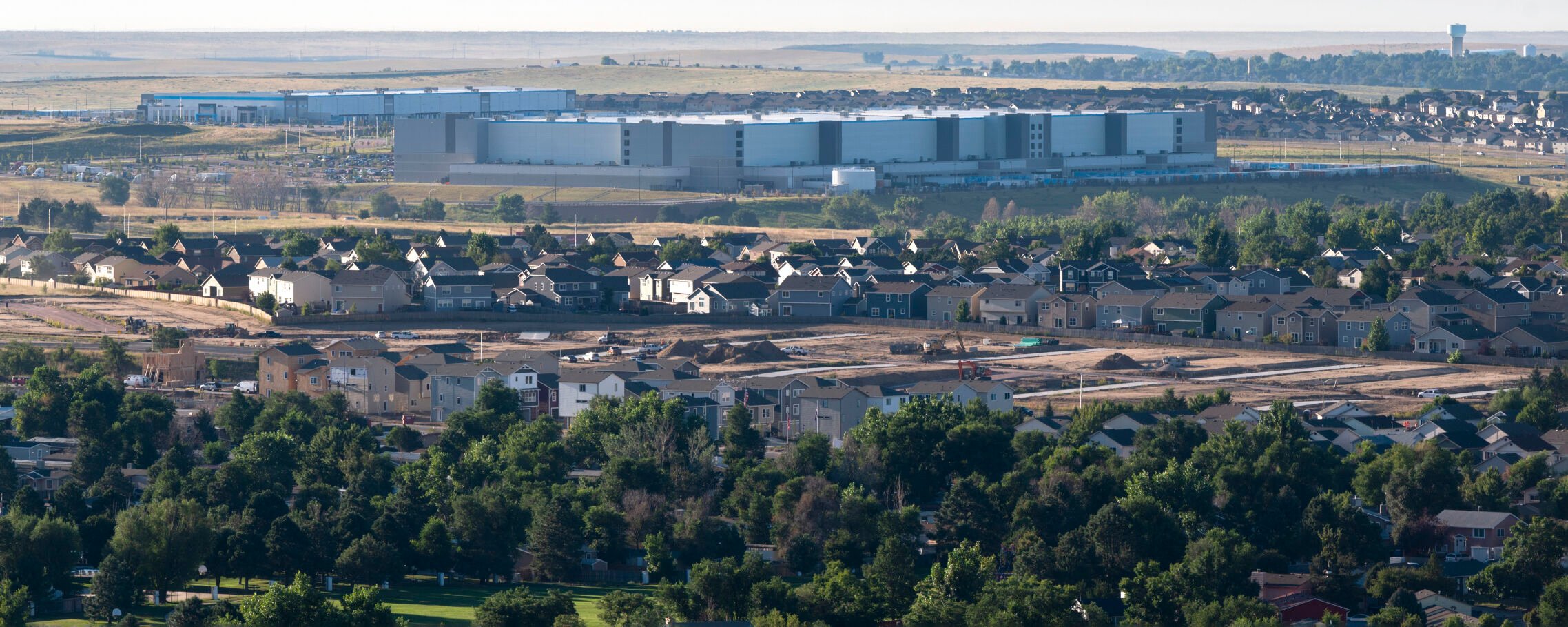
Growth hotspots extend to the busy InterQuest area on Colorado Springs’ far north side; the Woodmen Road corridor that stretches east from Powers Boulevard to unincorporated Falcon, which itself is bustling with new shopping, dining and housing subdivisions; unincorporated Black Forest north and northeast of the Springs, where developers have added several high-end housing projects; and areas east and southeast of the city’s airport, where mixed-used projects are envisioned to serve Peterson and Schriever Space Force bases.
None of the changes should come as a surprise.
“Don’t we all aspire to live in a community that’s safe, that has good infrastructure, that has a good school system, that has clean air and has a healthy economy?” said Doug Stimple, CEO of Springs-based Classic Cos., one of the area’s largest real estate developers and homebuilders. “I think almost universally, the answer to that question is yes.
“So, if you … check all those boxes, you’re safe, you’re clean, you have good infrastructure, you have decent parks, you have clean air, you have efficient government, etcetera, by definition you’re going to be a place that’s attractive to be,” Stimple said. “And so the growth is going to happen.”
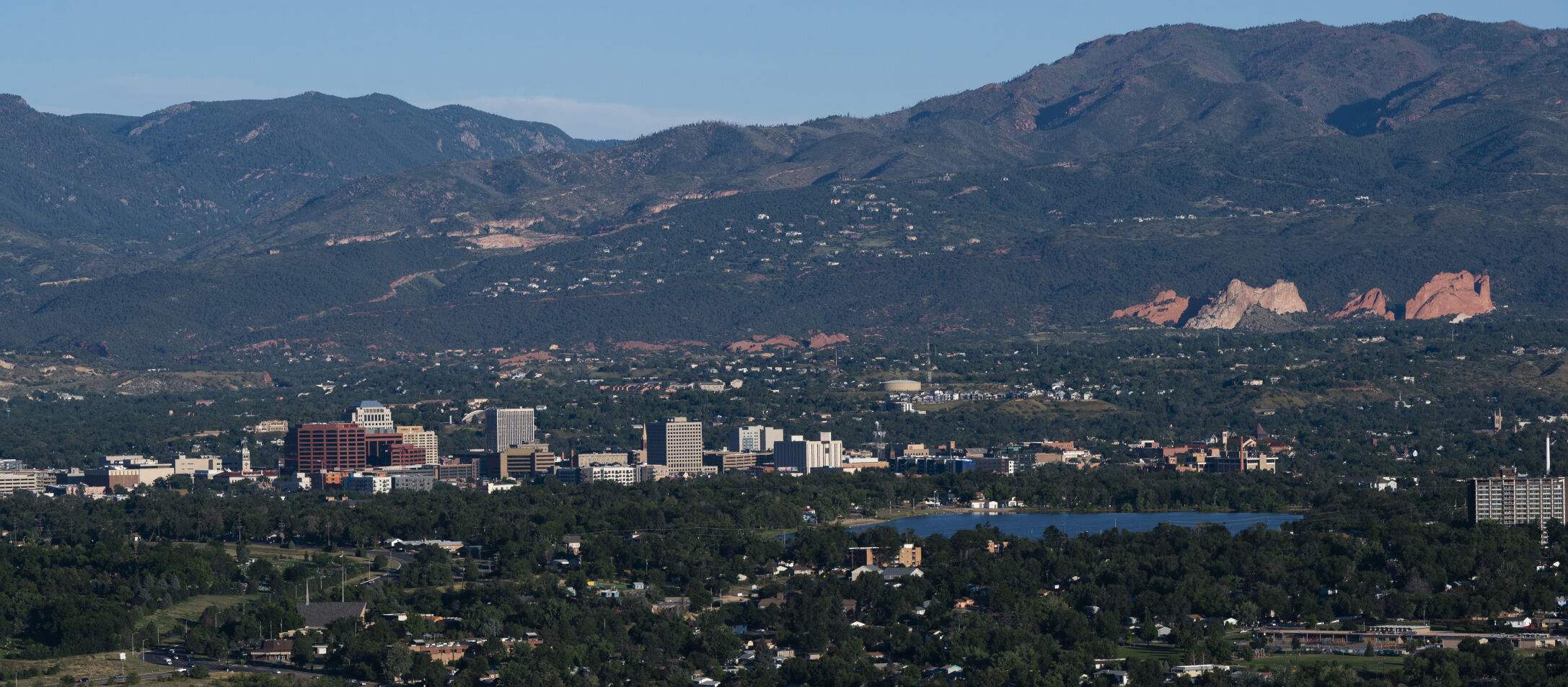
Colorado Springs isn’t alone. Castle Rock, Parker, Elizabeth, and areas north of Fort Collins and beyond to Wellington are among fast-growing communities in Colorado, Kevin Bommer, Colorado Municipal League executive director, said via email.
“Drive by Deer Trail on I-70 east of Denver and you’ll see a dramatic increase in new homes built in the past few years,” Bommer said of the Arapahoe County community.
Decades in the making
Colorado Springs and the Pikes Peak region, however, have been riding the growth train for decades.
Colorado Springs’ scenic location at the foot of Pikes Peak, its quality of life and enjoyable climate, along with the presence of major employers and Fort Carson, the Air Force Academy and other military installations, long has made it a desirable place for many people and businesses. U.S. News & World Report regularly has tabbed the Springs in recent years as one of the nation’s best places to live.
While population gains have slowed in recent years, some area residents nevertheless are apt to focus on how they perceive growth has affected their lives and not statistics.
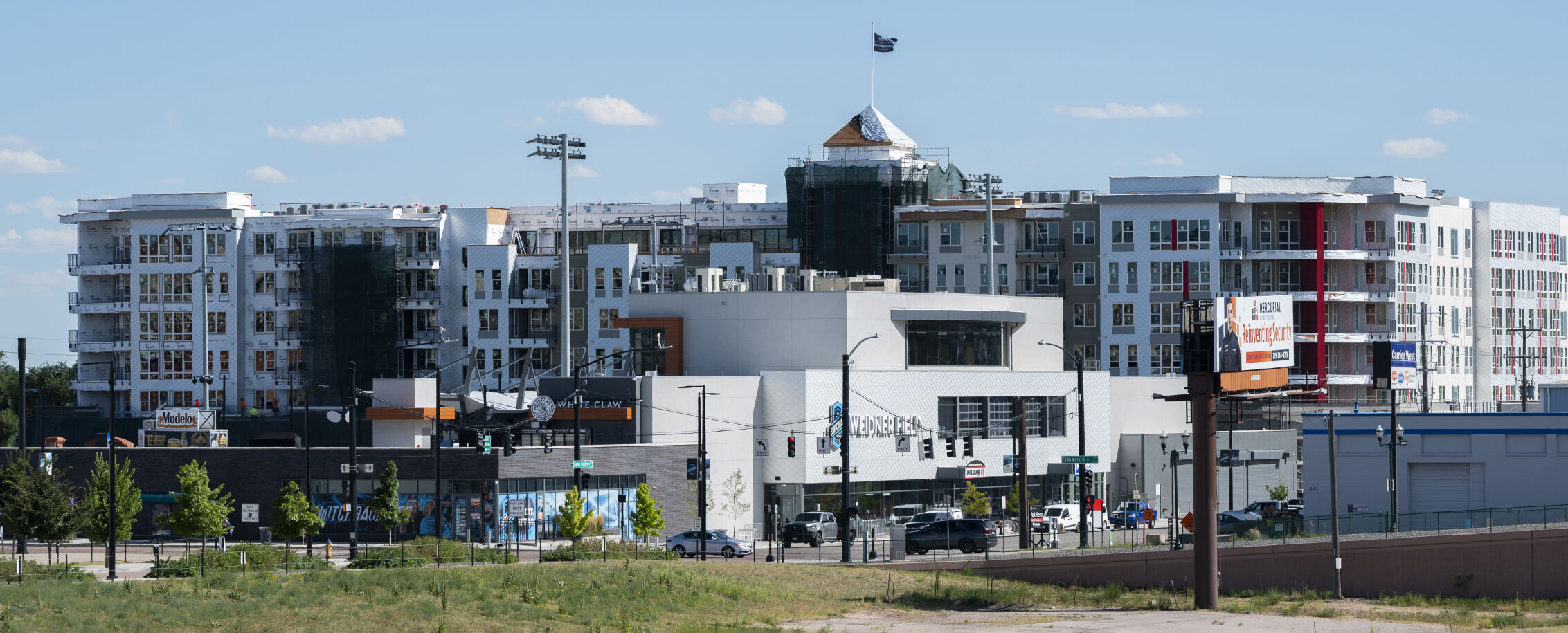
“The entire Colorado Springs area has just gotten insane,” said Jeff Garman who, with his wife, Misty, a real estate agent, operates mortgage lending company Homes and Loans Colorado.
Garman grew up in the Monument, Woodmoor and Black Forest areas north of the Springs, and until a few years ago, lived in Gleneagle north of town.
He remembers hiking around Monument Lake, but now dozens of rooftops crowd the lake’s southeast side. Going to favorite restaurants like the Rabbit Hole in downtown Colorado Springs, meanwhile, meant a lengthy wait.
“Everybody wanted to come to Colorado,” he said. “And that’s fine. But the growth is getting a little out of hand.”
Fed up with what he felt was out-of-control growth, Garman and his wife moved about 3½ years ago to Cañon City, where they run their business and enjoy a much slower pace.
“It’s 100%, 110% the main reason my wife and I decided to leave Gleneagle and leave Colorado Springs,” Garman said. “That’s sad, because that’s my home. That’s where I grew up. But what are you going to do? You can’t really change it. I’m not going to leave Colorado, because Colorado is my home. So, I’m going to move an hour away and get back into a small-town feel and go to Colorado Springs every once in a while.”
Garman posted comments about growth a few weeks ago on the Next Door Digest social media platform, which generated roughly 100 responses. Some people agreed with his take, while others who had moved from Houston, Denver and Austin, Texas, said the congestion in those cities was far worse than in Colorado Springs.
While Garman left Colorado Springs, Justin Ruiz, his wife, Sarah, and their five daughters moved here in December from Utah.
Milestone moments in Colorado Springs history
Ruiz was familiar with the Springs; a resident athlete who trained at the Olympic Training Center in Colorado Springs during the 2000s, he was an alternate on the men’s Greco-Roman Olympic wrestling team in 2008. He met Sarah in the Springs, and the couple later moved a handful of times to Wyoming, Idaho, Utah, back to the Springs and Utah again.
Last year, he was hired as the national director of Greco-Roman wrestling for USA Wrestling, a Springs-based national government body.
Since he’s returned, Ruiz and his family members have hiked at the Pulpit Rock open space, and he and two of his daughters climbed the Manitou Incline. They’ve enjoyed meals at Red Gravy and MacKenzie’s Chophouse downtown.
“I like it; I liked Colorado Springs when I lived here before,” Ruiz said. “It has grown quite a bit. It’s grown out a lot east and north, so there’s definitely a lot more people here than when I was here. But it’s cool. They still have got a cool vibe downtown, different restaurants and the things to do. Where I was at before in Utah, it was growing pretty fast. There’s a lot of growth here on the other side of the mountains in Colorado, too.”
Ruiz and his family live in a townhome in the InterQuest area. But Sarah, who’s from Alamosa, feels InterQuest is too busy and the couple have looked at moving east, possibly to the Meridian Ranch subdivision in Falcon, where some residents already complain the area has grown too fast.
“Who knows what things will look like?” Ruiz said of Meridian Ranch. “I imagine in 10 years, it’s going to be plenty crowded out there, like it is here. But, for now, that’s what we’re looking at.”
Opposing views on growth
Ruiz and Garman’s views underscore the differences that many area residents have about the impact of growth in the Pikes Peak region.

Some embrace new places to eat, high-paying jobs and a variety of housing options.
Yet, the area’s quality of life has deteriorated because of too many people, more traffic and noise and suburban subdivisions that spread out over too much land, others say. They also fear local governments have fallen woefully behind on providing adequate infrastructure and question if there will be enough water to accommodate thousands of people expected to move to the area.
“Growth is opportunity to me, it’s opportunity for the community, it’s more jobs in the area, we’re seeing more services in our area,” said Janet McMonigal, an insurance and real estate agent who works in Colorado Springs and the Falcon, Black Forest and Peyton areas. “But we’re also seeing more people. More people that are needing the services and our services are not keeping up with our people demand.”
Area residents have a right to be interested and concerned and to voice opposition and even support when change comes to their areas in the form of new land uses, said Tim Seibert, a senior vice president with Norwood Development Group. Norwood, one of Colorado Springs’ largest real estate companies, owns roughly 18,000 acres of the Banning Lewis Ranch that make up the city’s east side and where decades worth of residential and commercial development remain.
“It’s a generalization to say that most people don’t want change,” Seibert acknowledged. “It’s a very personal thing. It’s their house. If they’ve been there for a long time, 20, 30, 40 years, or if they’ve been there two months, it’s still something very personal. It’s a private space for them. So, change that impacts that brings out a lot of emotion and a lot of concern.”
As a longtime planner and owner of the N.E.S. land-planning firm before he joined Norwood, Seibert said he knows some people in the community want to “turn off the spigot” and adopt growth restrictions enacted by cities such as Boulder. Generally speaking, however, Boulder’s growth policy is blamed for limiting housing availability and sending home prices skyrocketing in that city.
For those people already “inside the box” or who have a home, such restrictions might be fine, Seibert said.
“But the question is, what is the responsibility of the region?” he said. “Because it’s not just that neighborhood or that street or whatever. What is the responsibility of the region to make sure we are able to provide housing stock or job creation?”
On the opposite side, Dave Gardner, arguably the Pikes Peak region’s most outspoken growth critic and who operates the GrowthBusters website among other hats he’s worn in the community, has argued for years that the community’s appetite to attract more people – like that of other cities – only leads to greater consumption of finite water resources, suburban sprawl and more traffic, among other problems.
“We’ve grown to the point where we can’t really have what we want,” Gardner said. “A lot of us want to have that kind of suburban lifestyle. We want to have a little bit of space, a little bit of privacy, some greenery around our house. We’ve got 8 billion people on the planet today. When there were 1 billion people on the planet or even 2 billion people on the planet, that wasn’t an unreasonable thing to want.
“But we’ve been unwilling to talk about population growth and overpopulation, let alone do anything about it,” Gardner said. “So, the human race has grown to the point where now it’s really irresponsible to live on a 35-acre ranchette, but even to want to live on an acre or a half-acre. It doesn’t work. The math doesn’t work out. The physics don’t work out.”
Gardner was pleasantly surprised to see the Colorado Springs City Council adopt a controversial rule this year that requires the city’s utility to have 128% of the water needed to serve existing demand, along with the projected need of future properties looking to be annexed by the city.
“My take is that it was good, but the cynic in me says, just like the county’s 100-year water rule, the development community will be finding all kinds of ways to run an end-run around the rule,” Gardner said. “I don’t have any confidence the city will apply that rule totally, firmly, wisely and intelligently.”
Developers’ role
Real estate developers – who build housing subdivisions, apartment complexes, shopping centers, office parks and industrial projects – are the lightning rod for many growth disputes in the Colorado Springs area, just as they are in other communities.
At the same time, local government land-use policies that serve as guidelines for growth and development are sometimes rejected by local residents as they oppose a new apartment complex or housing subdivision, even though Colorado Springs’ update of its comprehensive plan in 2019 and El Paso County’s revised master plan in 2021 went through extensive public reviews before their approvals.
“Development is the angst of our times,” said Mobolade, the Springs’ mayor.
Opposition to new development, whether directed at developers or local governments, is hardly new, said Craig Dossey, the former executive director of El Paso County’s Planning and Community Development Department. A year ago, he moved to the private sector as president of Vertex Consulting Services, a Springs-based land-planning firm.
“Growth pressures bring with it change,” Dossey said. “Change is not always welcome.”
Even though some 3,000 people were involved when El Paso County revised its master plan two years, new developments that come through the county’s approval process still trigger opposition, he said.
That opposition isn’t just about housing projects on large undeveloped tracts in outlying parts of the Springs or unincorporated El Paso County, such as Black Forest and Falcon.

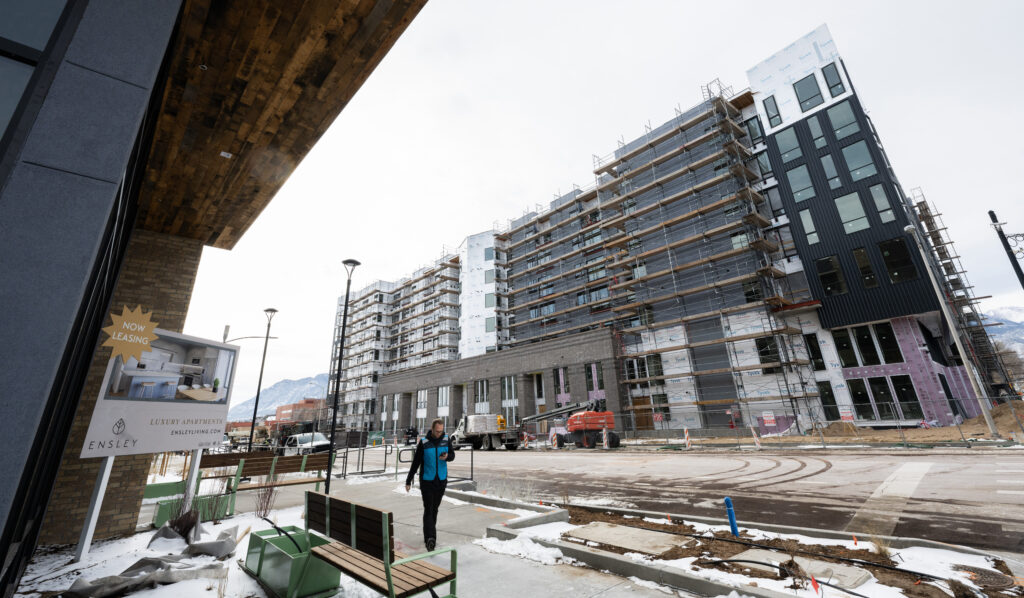
Some homeowners are leery over efforts to densify and infill their neighborhoods – adding homes, apartments and townhomes on vacant parcels in existing parts of town. Such projects make use of roads, utilities and other infrastructure and avoid costly new streets and the extension of water, sewer and power lines to sprawling parts of town or the county.
But those projects often trigger concern from homeowners who’ve grown accustomed to a vacant lot across the street or down the block.
“There’s more angst associated with densification because, typically with densification, you’re looking at development that may be compatible in terms of the land use itself … but the number of dwellings is increasing,” Dossey said. “And it might be right across the street. And that flies in the face of what maybe a given homeowner’s expectation for that property otherwise would be.”
As the city and county grow, pockets of undeveloped land might be more financially attractive to build on, Dossey said. And despite the addition of new homes, apartments and the like over several years, Colorado Springs and El Paso County still face a housing shortage that make densification and infill projects more appealing, he said.
“They’re greenfield, but they’re infill in the sense that they were kind of left behind,” Dossey said. “There are a lot of reasons why they were left behind. You see it happening all the way from Woodmoor down to Fountain, honestly, and all the way east to Meridian Road, if not further. These properties are just more challenging. People have kind of come to expect that these properties will remain open space because they have been. In the case of one in Woodmoor that I’m thinking of, it was open space for four decades. And it’s just now getting to a point where it’s economical to plan these properties and develop them. Given the shortage of housing stock, I think you’re going to keep seeing that.”
In particular, new apartments seem to have become a frequent opposition target from existing homeowners who fear that several hundred people living in a handful of multistory buildings will increase noise and especially traffic for their nearby single-family home neighborhoods.
After the city began to rebound from the Great Recession around 2012, single-family housing development ramped up, then apartments followed several years later, said Peter Wysocki, Colorado Springs’ Planning and Community Development director.
As home prices have risen and some buyers have been priced out of the market, developers have seen a demand for apartments, Wysocki said. Likewise, market changes have made brick-and-mortar retail store and office space less attractive to developers and they’ve turned to multifamily, he said.
“There is also some expectation that historically Colorado Springs has been a single-family, detached community,” Wysocki said. “And as home prices started to increase and as the region’s population started to grow, like it has been, there was this need for more multifamily. In some ways, perhaps there is the perception or expectation that vacant land sort of acts as a de facto open space or just vacant undeveloped area. But in fact, it is privately owned.”
In outlying areas such as Black Forest and Falcon, growth disputes often involve disagreements over densities and compatibility.
Kevin Curry, a former El Paso County planning commissioner and chairman of the Friends of Falcon, a nonprofit advocacy group for the unincorporated area formed this year, said he worries that elected Colorado Springs and El Paso County officials don’t pay enough attention to areas in which urban-style developments bump up against rural landscapes. He wants what he calls meaningful density transitions between the two land uses.
Case in point: He lives on 5 acres in the Elkhorn Estates development northwest of Woodmen and Meridian roads. A planned Classic Cos. development immediately to the west, however, seeks to rezone the property to allow higher densities of three to five dwelling units per acre adjacent to his and his neighbors’ 5-acre lots, Curry said.
The Classic Cos. property, which once was envisioned for 5-acre home sites, is zoned for 2½-acre homes, Curry said. Keeping the zoning that would have required 2½-acre home sites would provide a more logical transition and take into account the property rights of existing homeowners, he said.
“That’s all we would advocate for, is responsible development,” Curry said. “We know it’s going to be urban densities. We don’t have an issue with that. But why can’t you respect the rights of the existing homeowners to the same extent that you respect the wishes of the developer?”
Meggan Herington, who took over as El Paso County’s executive director of planning and community development in January and after Classic’s project was proposed, said Curry’s proposal for 2½-acre home sites isn’t necessarily the only way to provide an adequate transition. Larger setbacks than the county’s standard 25-foot setback, fencing, landscaping and a variety of lot sizes are some other possible transition techniques.
“You can accomplish a transition in multiple ways,” she said. “Who’s to say a good transition is a 2½-acre lot versus an acre lot, versus a smaller lot that has a wider setback?”
Classic Cos.’ Flying Horse North, in the heart of Black Forest, is another example of a growth dispute that’s taking place in an outlying area and where the focus is often on densities and compatibility.
Classic originally planned Flying Horse North, southwest of Hodgen and Black Forest roads, as an upscale development that would be similar to its original Flying Horse project in northern Colorado Springs. Flying Horse North, however, was to have about 200 homes, far fewer than the than 1,400 homes in the original Flying Horse.
When Classic proposed to increase Flying Horse North’s density to as many as 846 homes and build a luxury, 225-room hotel and 50 additional rentals, several Black Forest residents objected.
In November, El Paso County commissioners approved a sketch plan for the larger Flying Horse North project, though Classic still needs additional regulatory OKs from the county before it can proceed.
Terry Stokka of the Friends of Black Forest, an advocacy group for the area, complained in November and again in a recent interview that elected officials too often kowtow to developers.
In the case of Flying Horse North, county commissioners ignored their own 2021 revised master plan, which would have required a minimum of 2½-acre lots in Flying Horse North, Stokka said. Instead, their sketch plan approval allows home sites of less than 1 acre in portions of Flying Horse North.
“We feel like the commissioners are so pro-development that they stretch things beyond logic,” Stokka said.
“Now, the density is less than 1 acre per lot,” Stokka added. “It’s going to be city density in the middle of it. We’re saying, ‘how can you justify that it is compatible with the county master plan, when it states you have a density of no less than 2½ acres per lot?’ That’s the frustration we feel. The commissioners don’t seem to follow the rules.”
Stokka and others question whether campaign contributions from developers and their employees ultimately influence commissioners’ decision making.
El Paso County Commissioner Stan VanderWerf, the panel’s former chairman, said campaign contributions had no influence whatsoever on his decision to support the Flying Horse North sketch plan.
The rights of property owners who comply with zoning and other regulatory requirements are paramount in his mind when it comes to land-use decisions, VanderWerf said. In this case, Classic’s proposal complied with regulatory approvals for the higher densities and the hotel, he said.
“Here’s something that perhaps the residents there would not think of because they’re going through an emotional event about, ‘Oh, my God, a hotel? What? That’s not what I moved here for,'” VanderWerf said. “Well, there happens to be no hotel within miles of where any of them live. So, you have this emotional reaction to, ‘I don’t want it.’ I feel comfortable saying to you that 10 years after that hotel is built, they’ll be using that hotel when their friends and family come. And they’ll be happy to have it.”
Stimple, Classic’s CEO, said he never spoke with any county commissioner about Flying Horse North. Suggestions that the county rolled over for the project are offensive, he added.
Instead, Stimple said, Classic and its consultants demonstrated the benefits of an increased density for Flying Horse North, such as an expanded property tax base that would benefit local taxing districts. A central water system, meanwhile, will be required to serve the additional homes instead of pulling water from the heavily used Dawson aquifer, Stimple said.
In general, Stimple said, standing still isn’t an option for vibrant communities.
“People say, ‘Well, we just don’t want to grow. We just want to leave it the way it is,'” Stimple said. “Status quo isn’t an option. Either you’re growing or you’re going backwards. And going backwards is really unattractive. I’m from a community that’s gone backwards in the Midwest (Cedar Rapids, Iowa). And it’s not pretty.
“I think it’s just a matter of how do we handle the growth that’s going to come, because the aspiration of what we want this community to look like, 99% of us agree on the things that are important to have a great community. From our perspective, what we’re trying to do is figure out how to meet the needs of that growing community within well thought out, planned communities that provide opportunities to live and work and recreate. And that’s the goal.”
Bommer, of the Colorado Municipal League, said nothing stays the same and Colorado’s history is filled with cities and towns that grew and then disappeared – which remains a danger for some small towns. Challenges – sometimes in the form of conflict – and opportunities always will be part of growing communities, he said.
“We talk a lot these days about NIMBYs (Not in My Backard) and YIMBYs (Yes in My Backyard), but the truth is that communities can’t say ‘no’ to everything, the same as they can’t say ‘yes’ to everything,” Bommer said. “Place matters, and it’s vital that leaders engage citizens not just about what’s happening right now but also how different choices affect the community and what it looks like 20 years from now. Smart planning isn’t about heading off disputes. It’s about showing people the impact of choices over time and trying to inform decisions about preservation of values while trying to guarantee the vibrancy of a city or town over time.”
Join us in person or online at 5:30 p.m. Thursday, Sept. 7, for a Community Conversation about growth in the Pikes Peak region. Details at gazette.com/growth


Greeley voters halt landmark development project
Hap Fry, Special to The Gazette
hap-fry@gazette.com
Updated 2 days ago
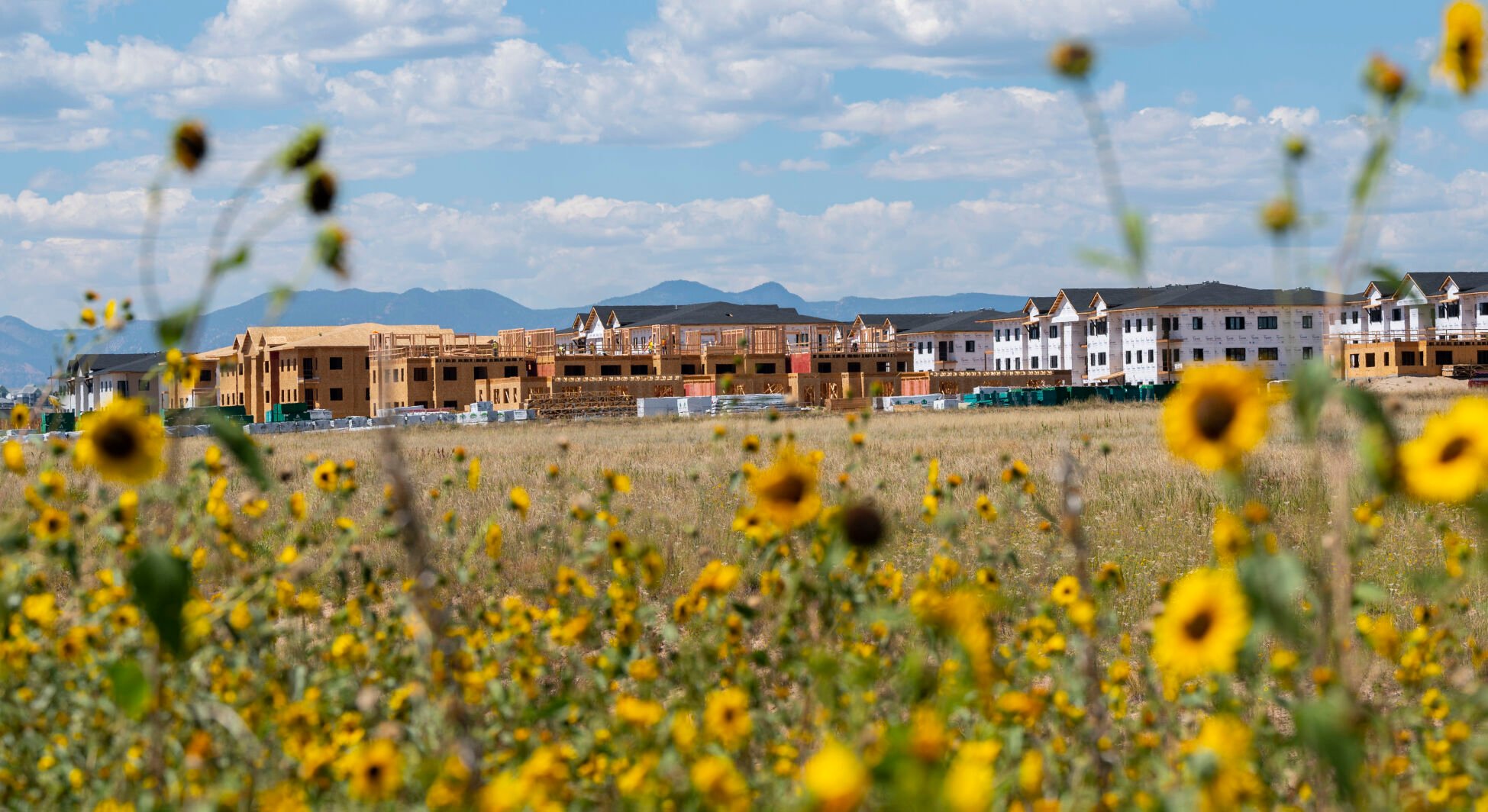
GREELEY – The landscape-altering Cascadia development project has been put on ice, according to unofficial results of a city referendum on the project Tuesday. The proposed development would have included an 8,600-seat multiuse arena and ice center that would be home to the Colorado Eagles,...

Bipartisan opposition sinks eviction bill in Colorado
Marissa Ventrelli
marissa.ventrelli@coloradopolitics.com
Updated 4 days ago
Two Democrats sided with Republicans on a legislative panel to reject a proposal that would have made several changes to eviction filings and proceedings, including requiring judges to suppress court records. Sponsored by Rep. Junie Joseph, D-Boulder, House Bill 1047...

Democratic lawmakers propose changes to landlord-tenant laws in Colorado | Bills in Brief
Marissa Ventrelli
marissa.ventrelli@coloradopolitics.com
Updated 5 days ago
Colorado lawmakers introduce hundreds of bills each year. Bills in brief cuts through the noise by explaining which proposals matter, what’s at stake, and how decisions at the Capitol could affect everyday life across the state. House Bill 1013, sponsored by Reps....
Greeley voters to decide fate of project that includes minor league hockey arena
Hap Fry, Special to The Gazette
hap-fry@gazette.com
Updated 1 week ago
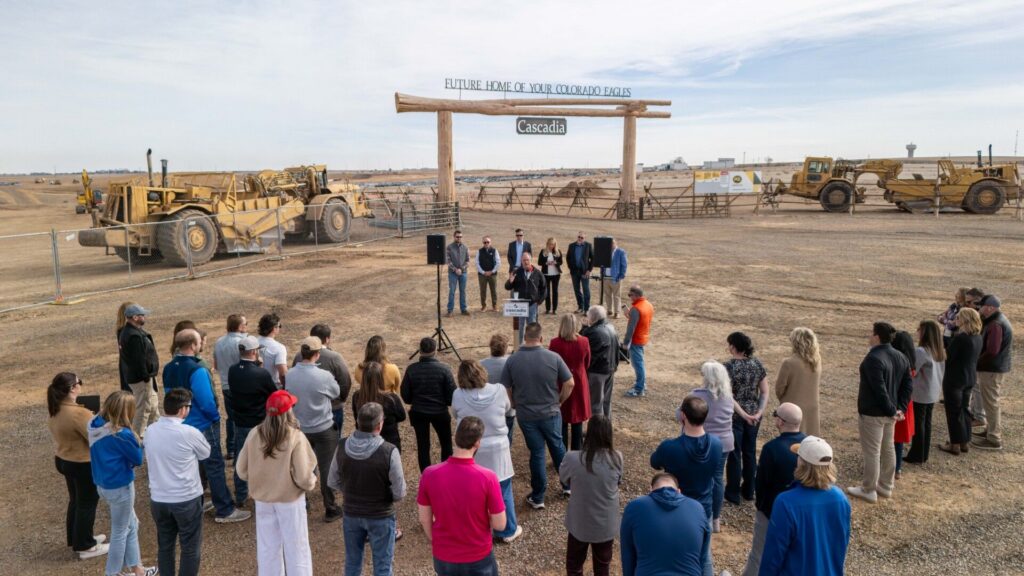
GREELEY • The fate of the Cascadia development — and quite possibly the future direction of the city — is in the hands of Greeley voters this Tuesday during a special city election on whether the landscape-altering project should be...

Hail drives up to 54% of homeowners’ insurance premiums in parts of Colorado
Marissa Ventrelli
marissa.ventrelli@coloradopolitics.com
Updated 2 weeks ago
Hail is the largest cost driver of homeowners’ insurance spikes in many parts of the state, according to data collected by the Colorado Division of Insurance. The department requested data from 20 homeowners’ insurance carriers to calculate average premiums and...

Gov. Polis, Democratic lawmakers introduce trio of housing affordability bills
Marissa Ventrelli
marissa.ventrelli@coloradopolitics.com
Updated 1 month ago
Democratic lawmakers were joined by housing advocates and Gov. Jared Polis at the Capitol on Wednesday to announce a trio of bills they say will increase affordable housing in Colorado. “This session, Colorado Democrats are focused on lowering costs, and...

Denver District 10 launches test program to pay pet deposits
Deborah Grigsby
deborah.smith@denvergazette.com
Updated 1 month ago
Denver’s self-proclaimed “pet whisperer,” Councilman Chris Hinds, has launched a new program to help renters avoid having to choose between a home and their pet. Funded through Hinds’ own council budget, the program seeks to prevent relinquishment, as well as...
Construction in 2025: Commercial development in Colorado Springs dominates the scene, single- family homes see slight decline
Alexander Edwards
alexander-edwards@coloradopolitics.com
Updated 2 months ago
Commercial construction dominated the Colorado Springs building scene in 2025. Nearly 400 permits for new commercial projects were approved by the Pikes Peak Regional Building Department last year, according to a news release issued Monday. This is up 31% compared...
Polis-backed HOME Act aims to increase Colorado housing near transit, businesses
Marissa Ventrelli
marissa.ventrelli@coloradopolitics.com
Updated 2 months ago
Gov. Jared Polis and Democratic House Speaker Pro Tempore Andrew Boesenecker on Tuesday unveiled proposed legislation aimed at reducing barriers to building “affordable” housing. The bill, known as the HOME Act, will enable the construction of more new homes near...

Regulatory layers turn cost of doing business in Colorado into ‘death by a thousand cuts’ | FISCAL ROCKIES
Marianne Goodland
marianne.goodland@coloradopolitics.com
Updated 3 months ago
Editor’s Note: Once among the nation’s fastest-growing economies, Colorado today confronts mounting challenges that threaten its momentum. This series reveals how a state once defined by prosperity is navigating economic cliffs and ridges. We explore the impact that increased regulations, tariffs,...
PREV
PREVIOUS

City of Colorado Springs sued over controversial apartment complex for homeless young adults
A resident and two local groups are suing Colorado Springs after the City Council approved controversial plans to build an apartment complex for homeless young adults on the city’s west side – the second lawsuit filed against the city in two weeks over recent contentious land use approvals. The 50-unit Launchpad Apartments received hefty opposition from […]

Q&A with Rep.-elect Tim Hernández | Activist-turned-legislator on channeling his fire
Sixteen months ago, Tim Hernández lost his job teaching at North High School. Today, he represents the school’s northwest Denver district in the Colorado House of Representatives. A committee of Denver Democrats selected Hernández to represent House District 4 on Aug. 26, as the district’s former representative, Serena Gonzales-Gutierrez, resigned to join the Denver City Council. […]