

Colorado’s river commissioner calls for ‘clear’ boundaries and expectations on water guidelines
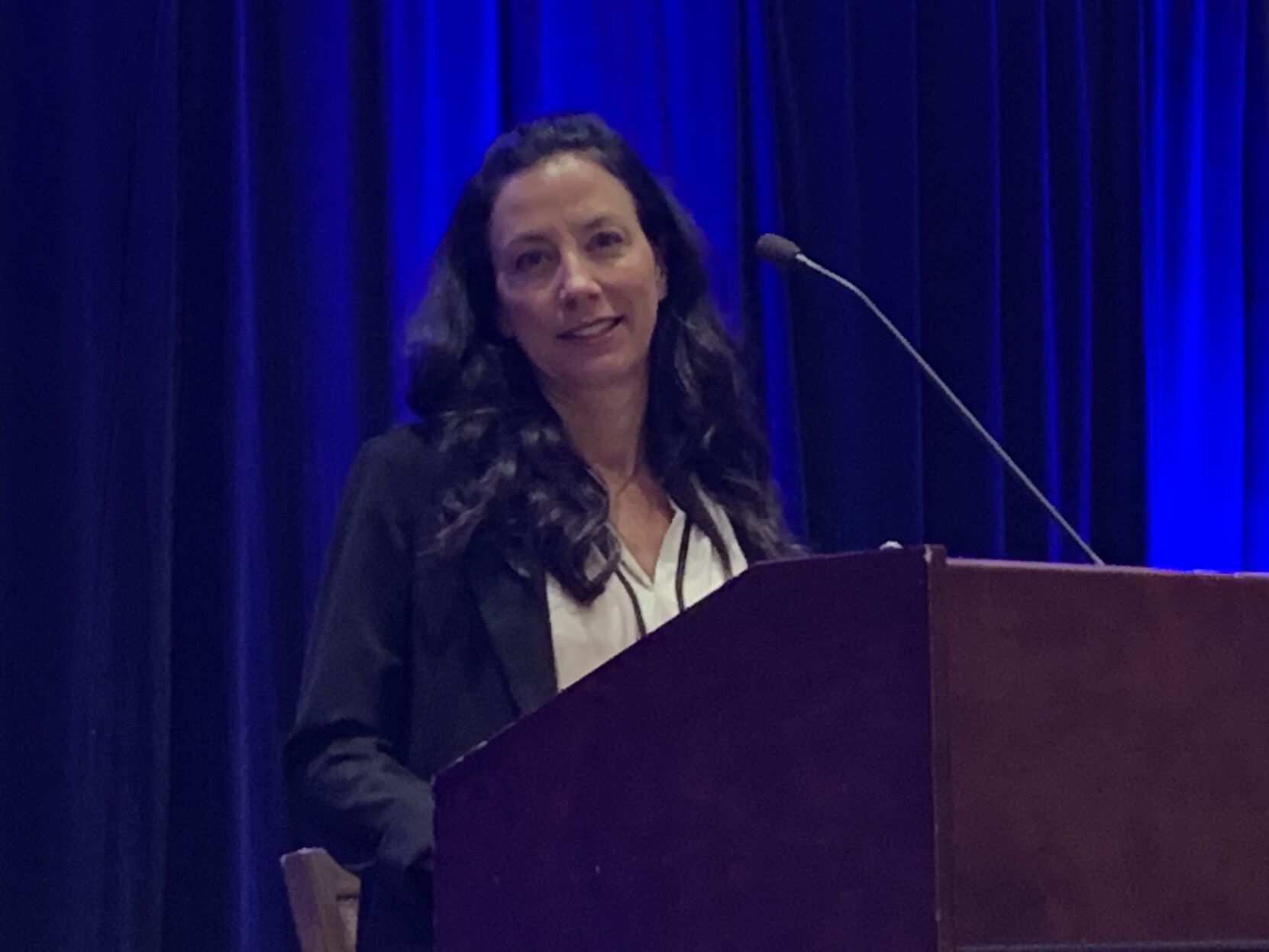
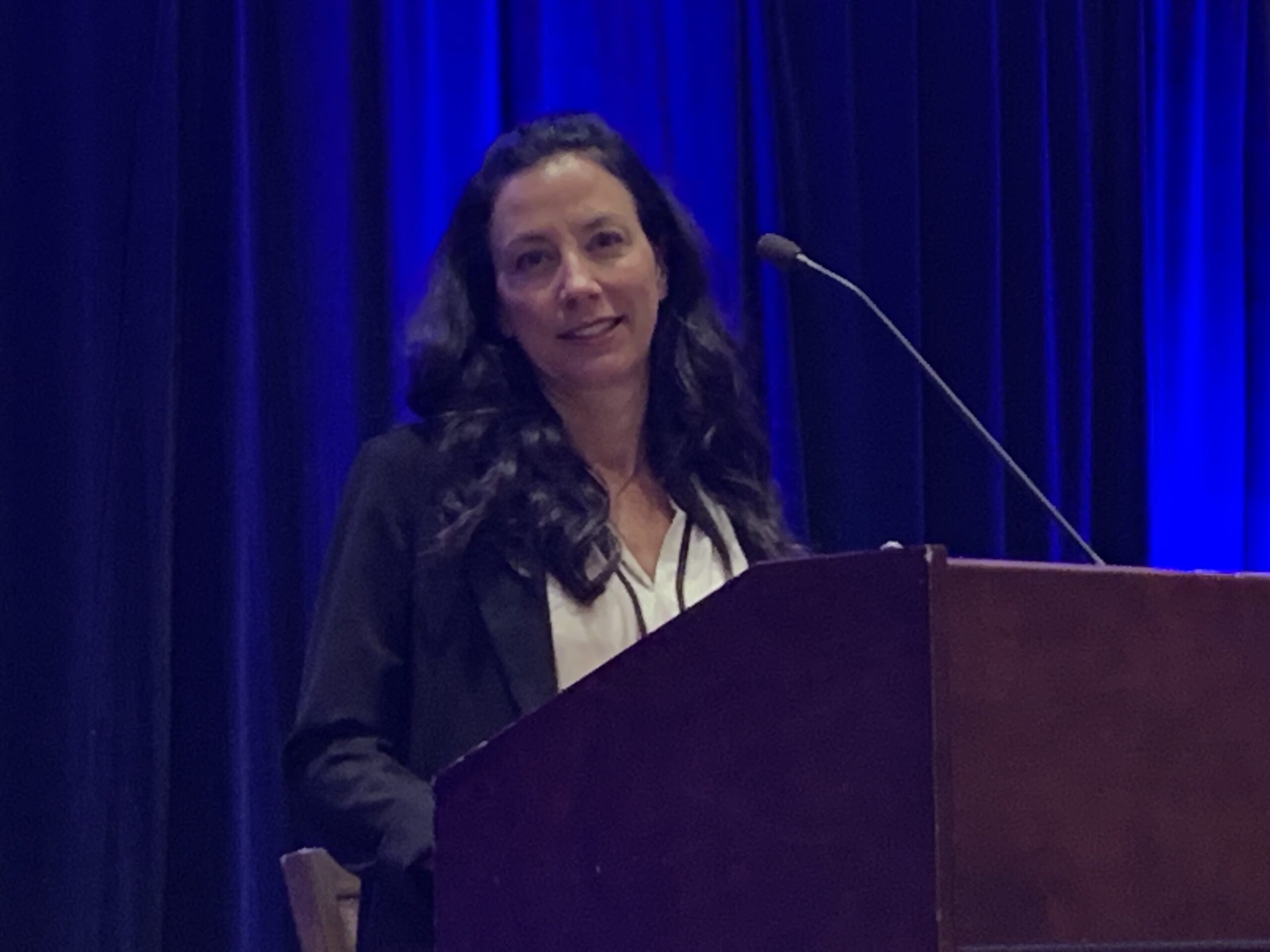
Since taking up a new capacity as Colorado’s full-time commissioner on the Upper Colorado River Commission, Becky Mitchell said she has dedicated herself to full-time protection of Colorado and the significant interest the state has in the Colorado River.
Up until recently, Mitchell held a dual role: commissioner and director of the Colorado Water Conservation Board. With the board’s blessing, and with the workload increasing for everyone tied to the renegotiations for Colorado River operations set to expire in 2025, the 2023 General Assembly split the job and put Mitchell on full-time with the Upper Colorado commission. Tuesday, Lauren Ris was named Mitchell’s replacement on the state water board.
On the final day of 2023 Colorado Water Congress, Mitchell told the audience her full-time dedication is representative of the importance the river holds for Colorado.
Mitchell also spoke about what she sees coming next: the supplemental environmental impact statement to revise the 2007 Colorado River guidelines, a process the Bureau of Reclamation started in late 2022 and expects to wrap up this year. That statement will provide the Bureau with additional tools to protect Glen Canyon and Hoover Dams between now and through 2026, Mitchell said.
A draft of the supplemental statement showed two action alternatives and one “no-action” alternative. The latter would involve the Upper Basin states. Each proposal focused on reducing water uses downstream of the reservoirs. The response from the Lower Basin states was to come up with a different proposal, to conserve one million acre-feet of water per year for three years. While the Upper Basin states didn’t endorse the proposal, they did agree to send it on to the Bureau for analysis.
Mitchell said they expect the Bureau to respond in the coming weeks with a revised draft that includes the analysis. “I applaud any conservation efforts wherever they occur,” she added, and applauds any efforts by the Lower Basin states to conserve water.
But the Upper Basin states didn’t endorse the proposal because they didn’t get the details and still don’t have them, she said.
A second environmental impact statement that will help develop new operation guidelines for the system, post 2026, started in June. This is the process that matters the most to Colorado, Mitchell said.
“This is where our focus needs to be unwavering. This is where we absolutely have to stand together,” she said.
That’s because the 2007 interim guidelines were “gamed” by the Lower Basin states, which have “knowingly maximized releases from Powell for decades,” along with simultaneously ignoring basic physics like evaporation and transit losses. The silver lining, she said, is that those guidelines are expiring.
What comes next “is to make very clear our boundaries and what our expectations are,” she said.
“We need to be prepared for the worst case scenarios like what we saw in the early 2000s. Our future is going be drier, but it’s also going to be more variable,” she said.
Among the future challenges is the fact that water users in the Lower Basin are not more important than water users in the Upper Basin. Both have equal apportionments under the 1922 compact, but the river does not provide enough water to sustain overuse by the Lower Basin states.
The Lower Basin states must account and adjust operations accordingly for all depletions, including evaporation and transit losses.
Mitchell also noted compact curtailment is not an option, and operations at Lake Powell and Lake Mead must respond to actual hydrology and available water supplies. Eight out of the last 10 years more water was released from Powell than comes in, and that happened in the 10 years prior to that, she said.
“This is not sustainable.”
She also said tribal nations have water rights they are entitled to, but have been unable, to use, and those federally-reserved rights must be preserved instead of being used as solutions for the Lower Basin states.
“We have a chance to do this better. We have a chance to do this right.”
Finally, “we also need to comply with federal environmental law and advance the coordination between the United States and Mexico,” Mitchell said.
Difficult negotiations are ahead. Mitchell said she suspects things will get harder, but “we are better when we stand together,” not only in Colorado but with the Upper Basin states. There may be times when “we have to stand alone and we are prepared to do that.”
She also asked the audience and their organizations to reach out to her with their input and advice, acknowledging that while they don’t always seen eye to eye, they all agree “to protect Colorado’s rights on our namesake river, and commit to finding shared values where we can. As commissioner, I represent the entire state, all of our diverse interests and needs. And it’s so important that we put our best foot forward on the matters where we are unified, while leaving room for difficult discussions to continue within our state.”
marianne.goodland@coloradopolitics.com


Mortgage rates rise in defiance of Trump’s $200 billion push, hurting GOP on affordability
Zach Halaschak, Washington Examiner
zach.halaschak.washington.examiner@gazetteedit.wpenginepowered.com
Updated 40 minutes ago
After months of a gradual decline, mortgage rates are trending back up because of the war with Iran, defying President Donald Trump’s efforts to lower them and undercutting Republicans on the key issue of affordability. As of Monday, the average rate on a 30-year...

Federal judge dismisses background screeners’ challenge to Colorado law
Michael Karlik
michael.karlik@coloradopolitics.com
Updated 2 hours ago
A federal judge dismissed a challenge on Friday to a portion of Colorado law that prohibits certain information from being included in consumer reports, in what seemed to be a conflict with federal law. Congress originally enacted the Fair Credit...
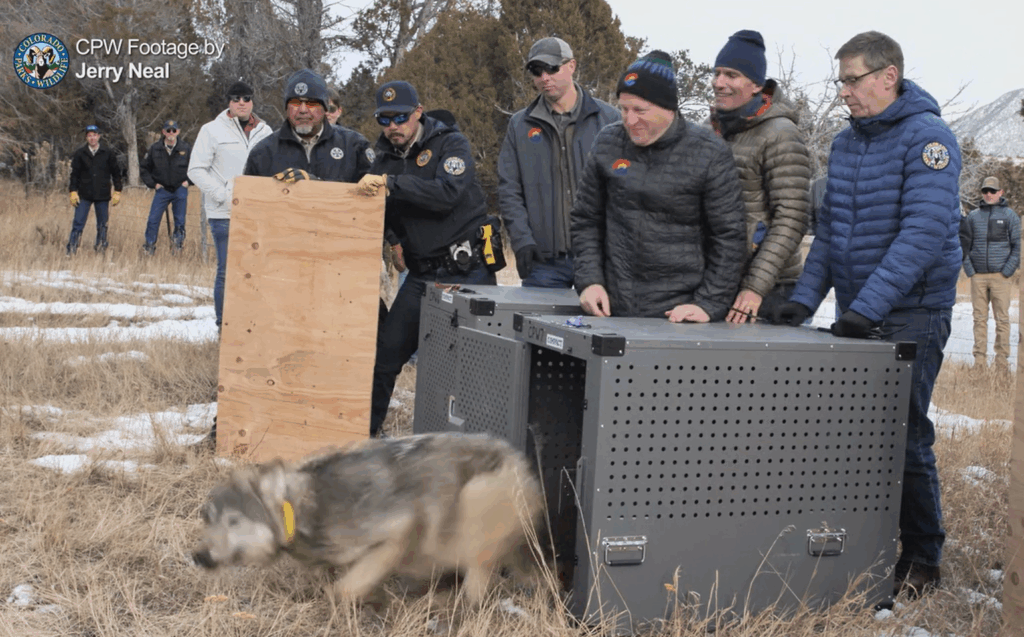
Wildlife agency asks for $450,000 to bring more wolves to Colorado
Marianne Goodland
marianne.goodland@coloradopolitics.com
Updated 11 minutes ago
Colorado’s Joint Budget Committee on Monday rejected a proposal that proponents said would increase transparency around how much Colorado Parks and Wildlife spends to bring additional wolves into the state. At the same time, the wildlife agency is seeking $450,000...
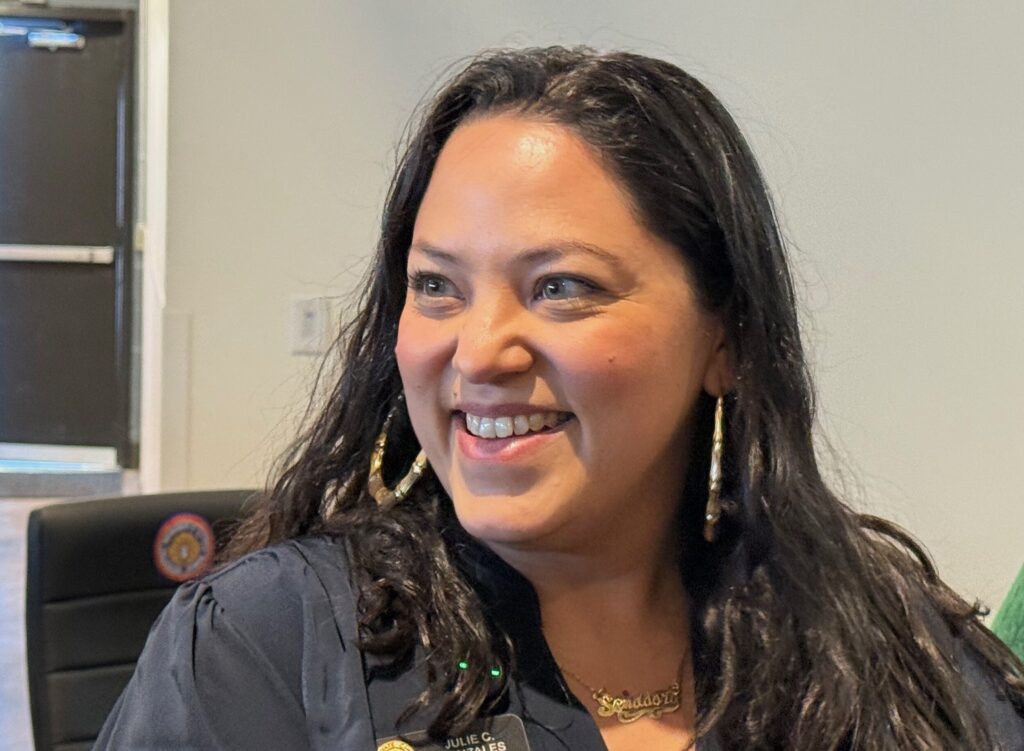
Hickenlooper primary challenger Julie Gonzales endorsed by national progressive group Indivisible
Ernest Luning
ernest.luning@coloradopolitics.com
Updated 3 hours ago
State Sen. Julie Gonzales’ bid to challenge U.S. Sen. John Hickenlooper in Colorado’s Democratic primary got a boost Tuesday from Indivisible when the national arm of the progressive grassroots group endorsed the Denver lawmaker. The national group’s endorsement comes less...
Pueblo man held in Afghanistan for more than a year released, Taliban says
The Associated Press
the-associated-press@coloradopolitics.com
Updated 1 hour ago
KABUL, Afghanistan — Afghanistan’s Taliban authorities on Tuesday released American academic Dennis Coyle after holding him for over a year, with the foreign ministry saying the release came on the occasion of Eid al-Fitr, the Muslim holiday that marks the end of the...
10th Circuit rejects ‘penalty’ for children of naturalized citizens seeking visas
Michael Karlik
michael.karlik@coloradopolitics.com
Updated 21 hours ago
The Denver-based federal appeals court joined three of its peers earlier this month and determined the child of a newly naturalized U.S. citizen is not moved to a longer visa line as a result of his parent gaining citizenship, and...
Colorado lawmakers mull renaming César Chávez Day to Farm Workers Day
Marianne Goodland
marianne.goodland@coloradopolitics.com
Updated 5 hours ago
A Colorado House committee has voted to rename the March 31 state holiday from César Chávez Day to Farm Workers Day, following a national shift prompted by sexual abuse allegations against the labor leader. The State, Civic, Veterans, and Military...
Colorado Sen. Mike Weissman calls for cold water on heated hate speech
Marianne Goodland
marianne.goodland@coloradopolitics.com
Updated 24 hours ago
Likening the recent record-setting warm temperatures to hot political rhetoric, Colorado Sen. Mike Weissman, D-Aurora, pleaded for an end to death threats and other hate speech directed at lawmakers of both parties. “The increasingly tragic reality of our politics, however, like...
Ethics panel dismisses complaint against Colorado agency chief Dan Gibbs
Marianne Goodland
marianne.goodland@coloradopolitics.com
Updated 20 hours ago
A state ethics panel has dismissed a complaint against Dan Gibbs, executive director of the Colorado Department of Natural Resources. The complaint, filed in December 2021 by the Republican-affiliated group Defend Colorado, alleged Gibbs awarded the think tank Keystone Policy...

Denver airport hasn’t had notice ICE agents will assist TSA yet. Wait times are short, though
Bernadette Berdychowski
bernadette.berdychowski@denvergazette.com
Updated 23 hours ago
As President Donald Trump deployed immigration agents to help U.S. airports manage hours‑long security lines during the partial government shutdown, Denver International Airport remained relatively calm on Monday. At the nation’s third‑busiest airport, TSA PreCheck lanes remained open to start...
PREV
PREVIOUS

Colorado's federal lawmakers touts water progress, challenges
Bipartisanship was the buzz word as Colorado’s federal lawmakers visited the Colorado Water Congress in Steamboat Springs last week. Both U.S. Sens. Michael Bennet and John Hickenlooper touted the funding coming from the Infrastructure Investment and Jobs Act signed by President Joe Biden a year ago and some of the projects that will benefit from […]

Q&A with Lauren Ris | Colorado water veteran set to lead state conservation board
Lauren Ris was named this week as the next director of the Colorado Water Conservation Board. But she’s an old hand at some of the biggest initiatives of the water board, including as one of the first to work on the state’s water plan in 2015. She spoke with Colorado Politics shortly after getting the […]