

Judge says no anonymity for ‘cancelled’ student suing accuser over sex assault allegations
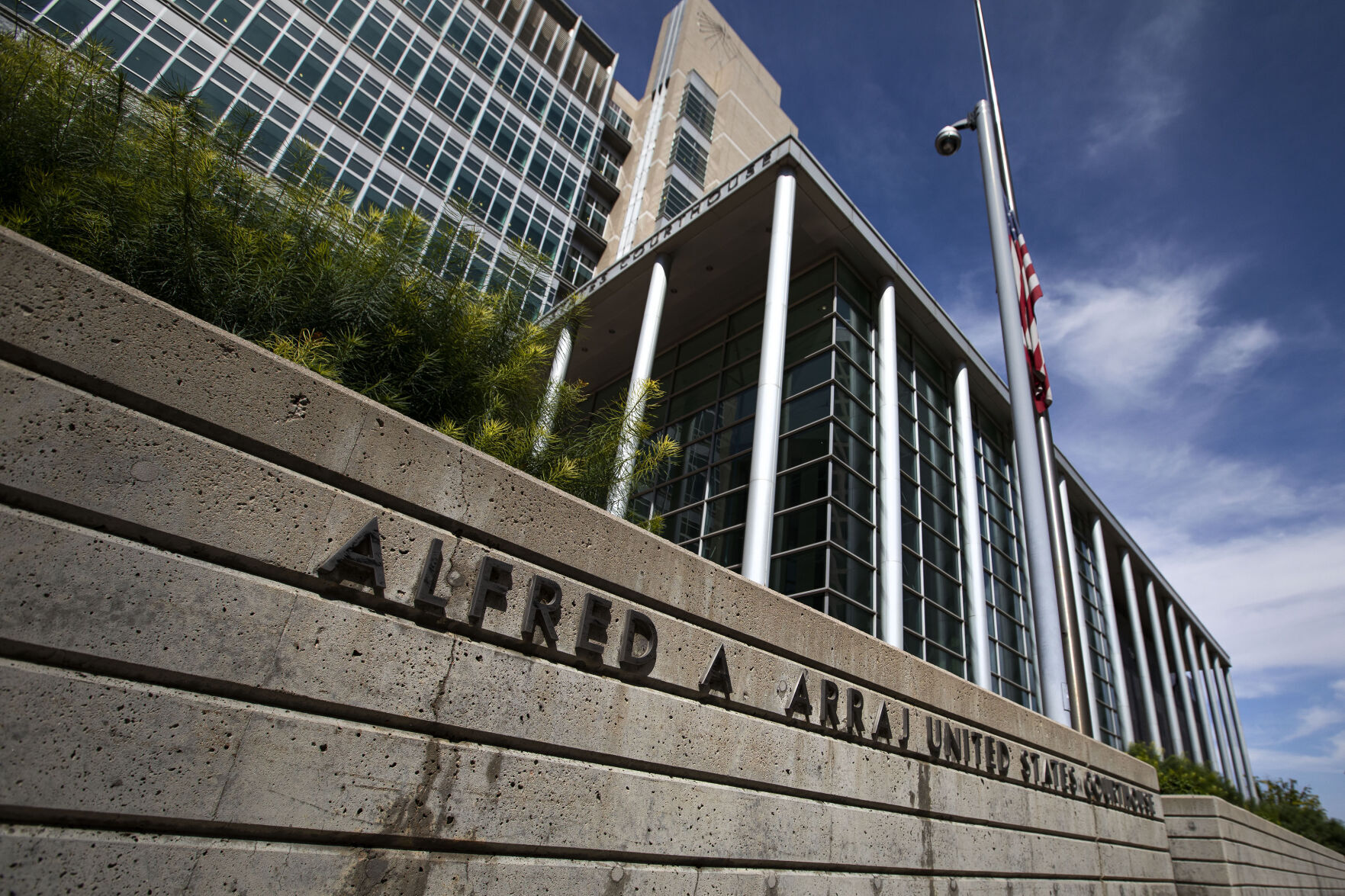
A former college student in Colorado who alleged he was “cancelled” after fellow students heard allegations that he sexually abused a romantic partner may not shield his identity from the public as he sues his accuser for defamation, a federal judge ruled last month.
“John Doe,” who filed suit in May, sought anonymity in order to prevent “reputational harm” from being associated with the defendant’s alleged lies about his treatment of her. The defendant, “Jane Roe,” opposed Doe’s request, saying she wanted the parties’ names public to draw attention to the plight of sex assault survivors.
On July 17, U.S. District Court Judge Nina Y. Wang agreed that anonymity is permitted in rare circumstances, but Doe’s defamation lawsuit was not one of those.
“Judges have a responsibility to avoid secrecy in court proceedings because ‘secret court proceedings are anathema to a free society,'” she wrote. To that end, “libel cases concerning sexual assault are routinely brought in plaintiffs’ own names.”
In his lawsuit, Doe alleged he and Roe were students at Tulane University in Louisiana in 2020-2021. They dated and had sexual contact throughout that time. When they broke up, Roe requested a restraining order from the local courts, and both parties became subject to no-contact directives from Tulane.
Doe transferred to Front Range Community College, with the intention of enrolling at the University of Colorado in Boulder.
After he applied to become a member of a CU fraternity and paid his dues, Roe allegedly sent text messages to the fraternity’s leaders. She falsely claimed Doe was “kicked out of Tulane,” that he “sexually assaulted and raped” her, and he was “a threat to every woman’s safety” at CU.
“The college friends he had made over the previous six weeks ‘cancelled him’ – disallowing him from spending any time with them or at the fraternity. They refused to return his deposit paid a couple of days earlier,” wrote Laura Menninger, an attorney for Doe.
Doe sued Roe for defamation, alleging her claims that Doe raped her and Roe’s misrepresentation of why he left Tulane were untrue and damaging.
Doe requested that Wang continue to shield the parties’ identities, alleging there was “not a strong public interest” in knowing who they are. Roe disagreed.
“Whatever the ultimate disposition of this case, the public has a keen interest in its subject matter, including in examining the use of litigation by perpetrators of sexual assault to curtail the #MeToo movement and to silence speech about sexual misconduct that has proven so critical in changing norms that have for far too long allowed sexual abuse to continue unabated,” her lawyers wrote.
In an unusual move, UCLA School of Law Professor Eugene Volokh inserted himself into the debate, filing an objection to Doe’s request. Volokh, who writes about First Amendment issues and is currently suing New York over a hate speech law, argued he should have access to information about the parties. Criminal defendants would doubtless desire anonymity in their own cases, he added, but they must appear publicly.
“Jane Roe’s speech may be punished if it is knowingly or recklessly false – but the public is entitled to supervise the proceedings so it can be confident that the correct result has been reached,” he wrote.
Wang sided against Doe. She noted Doe “appears to overstate the likelihood of physical harm” if his name were made public. Even if students at CU Boulder bullied him after they heard the allegations, Doe no longer attends school in Colorado.
If Doe were to win his lawsuit, Wang continued, he would “likely want to publicize his own name.” Therefore, it would be unfair for Doe to receive anonymity during the proceedings, only to broadcast his victory at the end of the case.
Wang ordered the parties to file documents with Doe and Roe’s real names, which she will release at an unspecified time.
The case is Doe v. Roe.


Colorado Supreme Court intervenes in Weld County prosecution dismissed due to Missy Woods misconduct
Michael Karlik
michael.karlik@coloradopolitics.com
Updated 4 hours ago
The Colorado Supreme Court ordered a Weld County trial judge last week to respond to the district attorney’s claim that he improperly dismissed a criminal case because of “outrageous” conduct by the Colorado Bureau of Investigation. Daniel Lee Eatinger stood...
Schoolchildren’s presence at child sex-related trial did not harm Arapahoe County defendant, appeals court says
Michael Karlik
michael.karlik@coloradopolitics.com
Updated 2 days ago
Colorado’s second-highest court decided on Thursday that the presence of a group of schoolchildren on the first day of a child sexual exploitation trial did not violate an Arapahoe County defendant’s constitutional right to a fair trial. Prosecutors charged Jerry...
Appeals court cites week-old Colorado law to reinstate child neglect case at child, father’s request
Michael Karlik
michael.karlik@coloradopolitics.com
Updated 2 days ago
Colorado’s second-highest court invoked a new state law for the first time on Thursday and reinstated a child neglect case that both the child and her father wished to reopen. House Bill 1227 took effect on Aug. 12, reversing a...
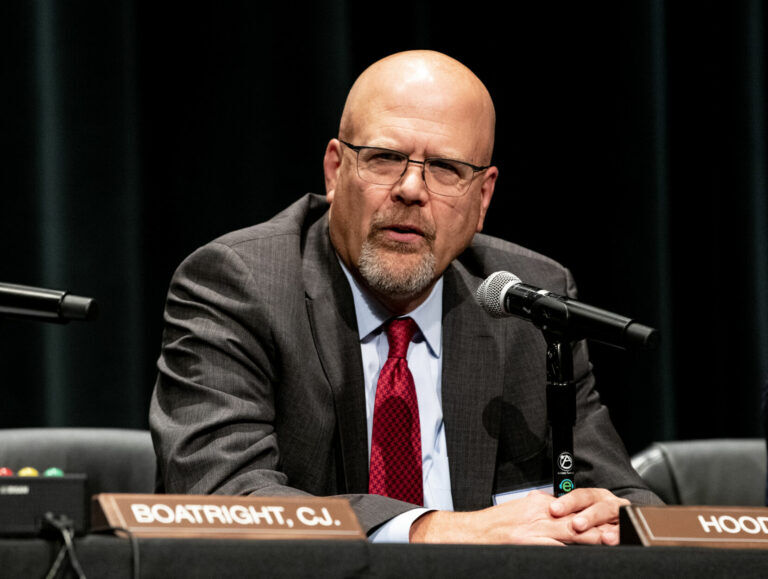
Colorado Supreme Court names William Hood as next chief justice
Michael Karlik
michael.karlik@coloradopolitics.com
Updated 3 days ago
The Colorado Supreme Court has selected Justice William W. Hood III to be the next chief justice, the judicial branch announced on Friday. Hood will succeed Chief Justice Monica M. Márquez, who took over the role in July 2024. “I...
Family of slain Lakewood teacher releases statement as murder suspect makes first court appearance
Matt Kyle
matt.kyle@denvergazette.com
Updated 6 hours ago
Patrick Theodore Barnett, the Lakewood man accused of killing his wife, a Jeffco Public Schools art teacher, made his first court appearance Friday morning as his wife’s family looked on. The status conference hearing was held before District Court Judge...
Appeals court upholds Park County trophy hunting conviction
Michael Karlik
michael.karlik@coloradopolitics.com
Updated 3 days ago
Colorado’s second-highest court clarified on Thursday that a defendant may stand convicted under the state’s trophy hunting laws if he abandons a bear carcass but returns later to remove the meat. Under Colorado law, it is a felony to detach...
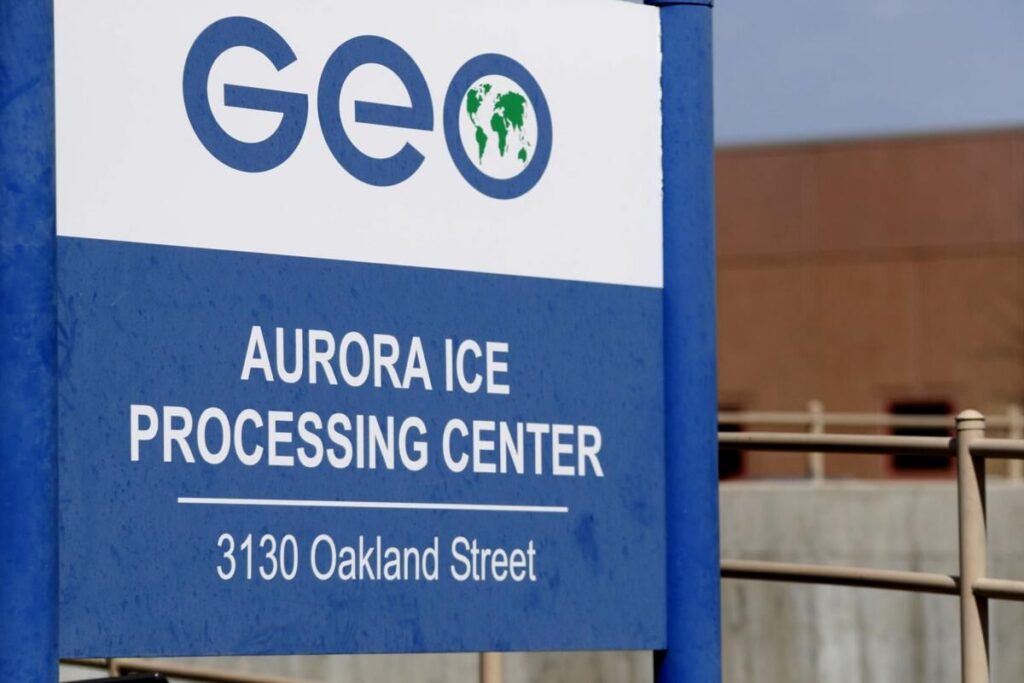
Judge grants partial injunction to GEO in fight against state health inspection law
Kyla Pearce
kyla.pearce@gazette.com
Updated 4 days ago
A judge ruled Thursday that The GEO Group does not have to follow parts of a new state law requiring more frequent health and safety inspections at the U.S. Immigration and Customs Enforcement processing center in Aurora. Under the order...
Parker man faces 20 years to life for serial sexual assaults
Nicholas Fogleman
nicholas.fogleman@denvergazette.com
Updated 4 days ago
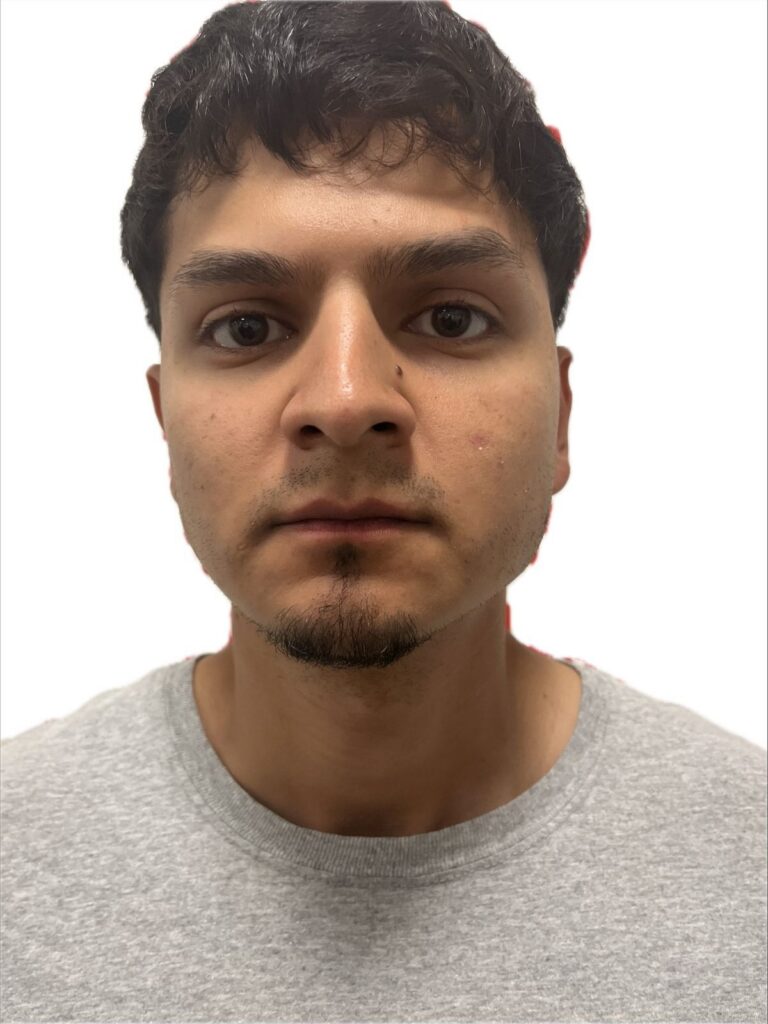
A 25-year-old Parker man who sexually assaulted three women in 2025 pleaded guilty Wednesday and will serve 20 years to life in prison. Javier Rodriguez-Andrade pleaded guilty to charges stemming from three sexual assaults involving women ages 19 to 24. ...
Divided appeals court upholds warrantless DNA collection in Colorado cold case, cautions of government overreach
Michael Karlik
michael.karlik@coloradopolitics.com
Updated 4 days ago
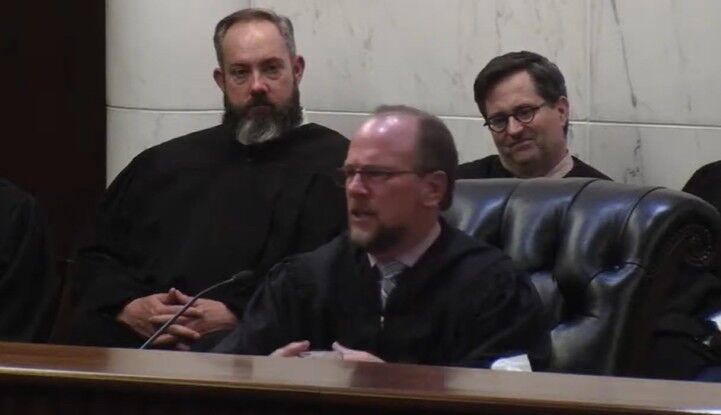
Colorado’s second-highest court upheld the warrantless collection of a suspect’s DNA from a discarded soda can as constitutional on Thursday, while warning about potential abuse of DNA privacy in the absence of further guardrails. By 2-1, a three-judge Court of...
Man charged in Northglenn homicide of wife
Matt Kyle
matt.kyle@denvergazette.com
Updated 4 days ago
A man has been formally charged with murder and burglary relating to a homicide last week in Northglenn. Alexei Munive-Rodriguez, 48, was arrested Sunday after he was at large following the homicide, which occurred Friday. Police were dispatched around 10:30...
PREV
PREVIOUS

Colorado suicide hotline officials claim discrepancies in answering rate stats
More than 1,000 Coloradans take their own lives every year, according to the U.S. Centers for Disease Control and Prevention data. These growing numbers rank the state as the sixth-highest suicide rate in the country. Between April and May, the Colorado suicide prevention hotline received more than 11,200 calls with 22% going unanswered, according to […]

Lawsuit challenging DPS executive session cost $45K
With the Denver Public Schools executive session recording out and the legal battle for releasing it over, how much will the behind-closed-door meeting cost the district to fight? Roughly $45,000. That tally includes the outside counsel DPS used to defend the lawsuit as well as the legal costs incurred by the media outlets that brought […]