

Building lives in Aurora, building houses in Denver | DUFFY
Tackling the tragedy of homelessness in the Denver metro area and helping these men and women at the margins of society get on a path to healthy self-sufficiency is again the focus of big promises and plans.
Denver Mayor Mike Johnston has embraced an idealistic, historically flawed, strategy popular with bureaucrats and “homeless advocates” that focuses on housing over healing, avoiding a complex required treatment regimen for underlying human problems.
It’s the same tactic that then-Mayor John Hickenlooper used in his Ten Year Plan to End Homelessness, which launched 18 years ago and sputtered into failure.
In contrast, neighboring Aurora is pursuing a diametrically opposed strategy. It’s a new tale of two cities that could provide a valuable and needed experiment on what local government can do most effectively not simply to house, but to help.
The stats released this week crystallized the depths of the challenge, not simply for downtown but for the entire metro area. The annual one-day, point-in-time study showed a nearly one-third increase year over year, with thousands more people on the streets (in fact, some homeless advocates say that this survey likely understates the metro area homeless population).
This is unconscionable – and unsurprising.
Stay up to speed: Sign-up for daily opinion in your inbox Monday-Friday
The various problems attendant to the rise in homelessness, including substance abuse, mental illness, public heath and crime have been well documented. Though statistics vary widely, at least 30% of the homeless have mental health conditions and at least half have drug and/or alcohol addictions.
It’s clear throwing tax money at the problem isn’t the answer, with Denver alone spending $152 million in 2022 with another $254 million slated for this year.
Denver Mayor Mike Johnston, on day one, declared a city emergency. Though the plan is loaded with talking points, the reality is it’s hardly innovative. In fact, he’s treading an old worn and tired road, walked by many enthusiasts before him.
Johnston’s policy is “Housing First,” acquiring and/or building thousands of housing units, often with a sky-high price tag, and provide them to the homeless, usually cost free, just to get them off the streets – which seems logical, until you dig into the details.
The multi-decade track record of “Housing First” is it puts healing the homeless second. Providing a new home is great but if it comes with no requirements or even incentives that one participate in treatment services, what is the long-term promise?
As a Heritage Foundation study noted, “the tragic flaw of Housing First is that it reduces human beings to housing statistics.” In essence, the metric bureaucrats are looking for is “housing retention” which is bureaucratese for “people are indoors.”
Johnston has said he will provide some degree of “wraparound” social services at the new housing sites but is loudly silent about requiring participation.
It’s a huge flaw to believe people who have deep and lingering addiction and mental health issues will look up at a ceiling instead of the sky and voluntarily jump into recovery. It puts happy hopes ahead of doing the truly hard work of helping people heal.
Aurora has an opposite plan, with much more promise.
Passionately spearheaded by Councilman Dustin Zvonek and Mayor Mike Coffman, Aurora wants to tip Housing First on its head. The alternative is “Treatment First” which logically puts a premium on getting the homeless safely off the streets and into temporary housing where there is an expectation that people will participate in addiction, mental health and other services.
Zvonek, who lost his mother to suicide after her life of periodic housing dependency and substance abuse, recognizes the reality that without strong incentives, most people will continue in the inertia of addiction while avoiding treatment. Only with focused and effective treatment can these men and women ever find a solid path to work, dignity and self-sufficiency.
In fact, Aurora is seeking to create a regional homelessness facility that will include levels of incentives where the more treatment one completes, the more doors open to additional benefits, housing, work and other opportunities.
One city will try to fix a problem by hugging empty hope while ducking decades of failed housing experiments. Aurora, by focusing on shelter with healing, will harness the power of the human spirit to help people stand again in dignity.
My money is on Aurora.
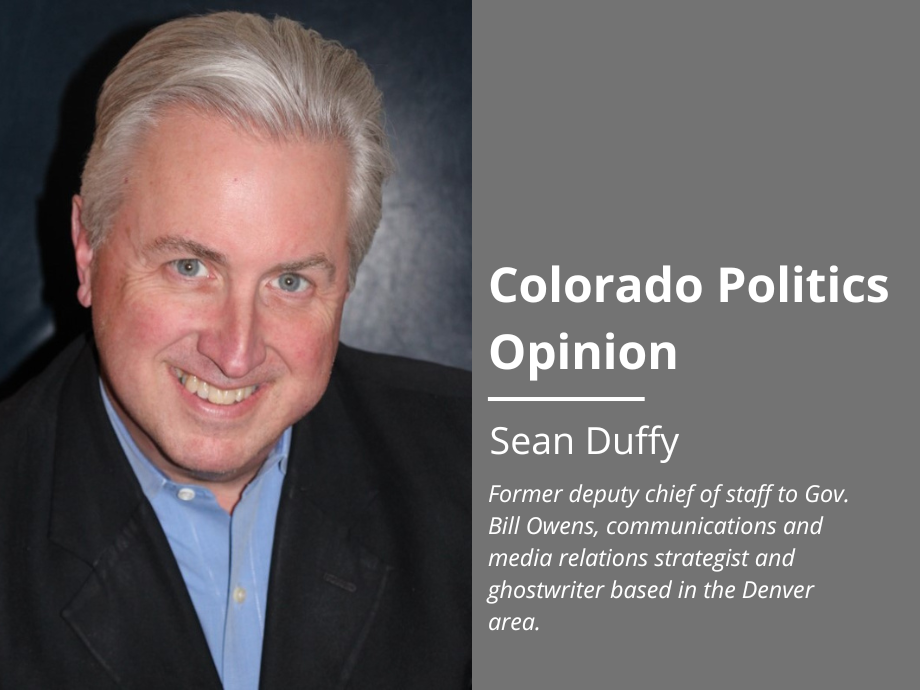
Sean Duffy, a former deputy chief of staff to Gov. Bill Owens, is a communications and media relations strategist and ghostwriter based in the Denver area.

Colorado’s precarious position protecting from wildfires | Paula Noonan
Paula Noonan
paula-noonan@coloradopolitics.com
Updated 6 hours ago
Fourteen firefighters died in the Storm King Mountain fire west of Glenwood Springs in 1994 when 2,115 acres burned. In August 2020, the Grizzly Creek fire burned 32,631 acres along the Interstate 70 corridor east of Glenwood causing mudslides from flooding...

We must deliver on cost of living | GUEST COLUMN
Colorado Politics
colorado-politics@coloradopolitics.com
Updated 5 hours ago
By Ryan Gonzalez Insurance premiums are on the rise. Property taxes are increasing. Groceries are becoming more expensive. Gas prices are reaching record levels. Housing costs are becoming unsustainable. These are the concerns I hear from people in my district....

Dan Haley on the role of oil and gas in Colorado’s energy future | The OpEdge Podcast
Tony Olivero
tony.olivero@gazette.com
Updated 14 hours ago
Dan Haley, executive director of Coloradans for Responsible Energy Development, joins The OpEdge to discuss the role of oil and natural gas in Colorado’s energy future amid the state’s aggressive push toward “net zero.” Haley tells host and investigative columnist...

Rural hospitals don’t want special treatment, just a chance to care for locals | PODIUM
Colorado Politics
colorado-politics@coloradopolitics.com
Updated 1 day ago
By Kevin Stansbury As chief executive of Lincoln Health, my responsibility is simple: ensure the people of eastern Colorado have access to high-quality healthcare close to home when they need it most. That mission has never been easy. Rural hospitals...
Blue states should avoid disasters | Hal Bidlack
Hal Bidlack
hal-bidlack@coloradopolitics.com
Updated 2 days ago
Back when I was teaching political science at the U.S. Air Force Academy (and amazingly to me, a week from this column’s publication will mark 20 years since my retirement from active duty. Where the heck did that time go?)...
Right-to-hunt ballot measure’s a cruel, anti-wildlife solution to a nonexistent problem | GUEST COLUMN
Colorado Politics
colorado-politics@coloradopolitics.com
Updated 2 days ago
By Eric Washburn I love to hunt. Every year I try to hunt big game in Colorado and waterfowl in Louisiana. This year, I applied for five Colorado big game licenses — elk, deer, pronghorn, moose and bighorn sheep. I...
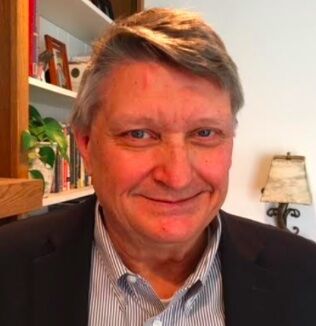
Jena Griswold’s record: corruption, incompetence | Dick Wadhams
Dick Wadhams
dick-wadhams@coloradopolitics.com
Updated 5 days ago
There is no statewide elected official going back decades who is as breathtakingly corrupt and incompetent as Secretary of State Jena Griswold, who is now running for attorney general of all things. And compliant ruling Democrats know it. Their silence...
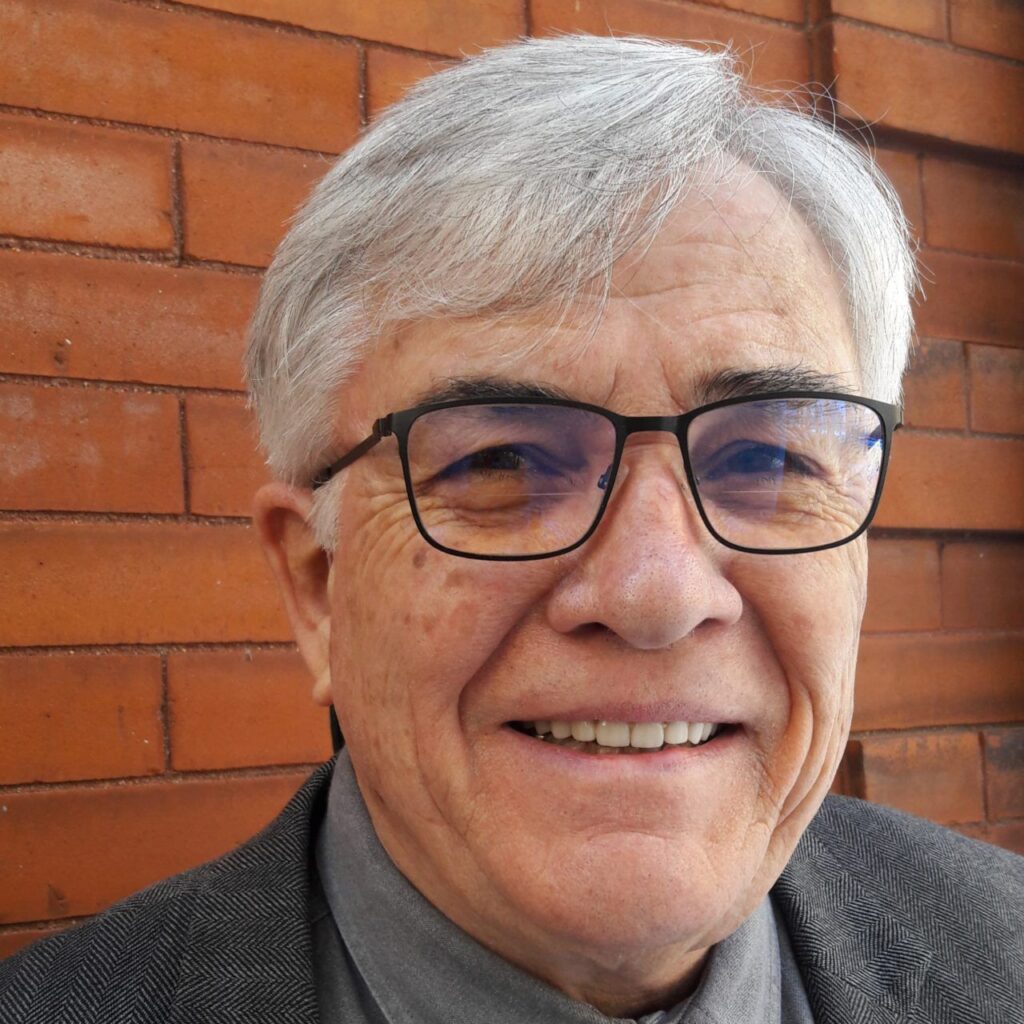
Kiros exudes why Colorado’s political times are a-changin’ at annual Denver Dems gala | Miller Hudson
Miller Hudson
miller-hudson@coloradopolitics.com
Updated 5 days ago
Among Colorado’s few remaining bipartisan rituals are county and state party dinners. I was particularly intrigued by last week’s Denver Democratic Party’s 2026 Annual Gala, a “New Deal for a New Era.” Their glossy program featured an artist’s Technicolor rendering...
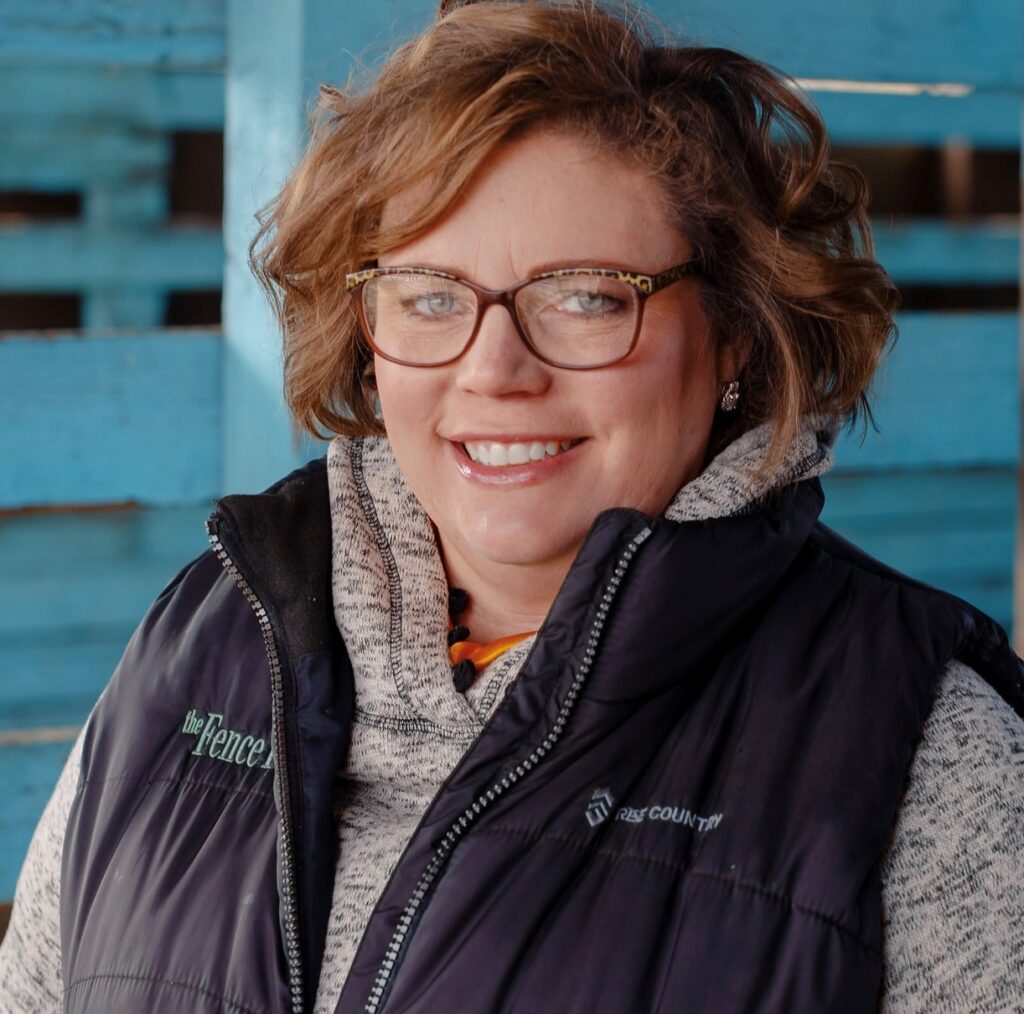
Livestock grazing regulations need flexible updates | Rachel Gabel
Rachel Gabel
rachel-gabel@coloradopolitics.com
Updated 5 days ago
The Bureau of Land Management last updated their livestock grazing regulations the year I graduated from high school. I am 49. Assessing rangeland health can’t be done once and not revisited. This year is a prime example that managers must...

Taxpayers donate to tax increase campaign | Jon Caldara
Jon Caldara
jon-caldara@coloradopolitics.com
Updated 6 days ago
Give the man his due. President Donald Trump has undeniable talents. Colorado politicians are learning. Chief among The Don’s skills is taking the self-serving, ethically dubious behavior of previous politicians and putting it on steroids. Or, to borrow from the...
PREV
PREVIOUS
Slow burn for Colorado Supreme Court scandal | MAES
Dennis Maes In early 2021 the Colorado Supreme Court was confronted with a “pay for silence” scandal that continues to breathe life and seriously questions the integrity, impartiality and transparency of Colorado’s highest court. The scandal, though reported in 2021, actually had its origin in 2019 when it was discovered that the Supreme Court under […]

Protect landowners while providing access to peaks | OPINION
Mark Udall With the reopening of iconic Colorado Fourteeners Mount Lincoln and Mount Democrat today many are breathing a sigh of relief, I for one am still holding my breath for a long term fix to the lingering liability issue. The two privately held mountains have been closed to public access since March because the […]