

Media coalition files contempt motion against DPS for not releasing audio of secret meeting
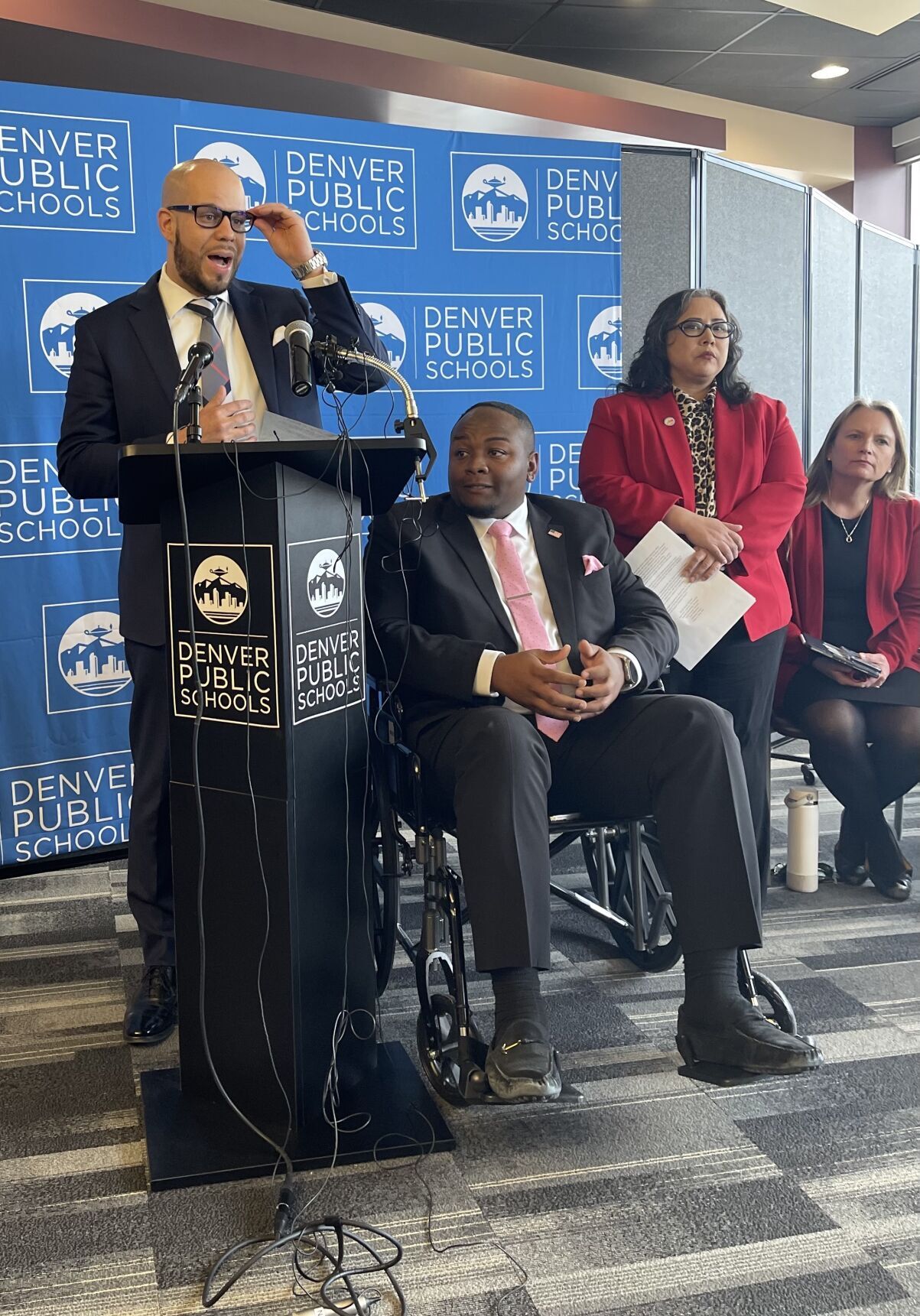
Denver Public Schools has filed a motion to prevent the release of an executive session audio in which the board of education discussed reversing its policy prohibiting police on campus while the district’s appeal plays out.
DPS was required to release the audio Tuesday.
“This case is about a press coalition’s insistence on discovering the private discussions of a local school board held in the immediate wake of a school shooting,” the district argued in its filing Tuesday.
In response, attorneys for the media coalition seeking the audio recording filed a motion for contempt, arguing that the district was “keenly aware” the court provided DPS 14 days to obtain a stay prior to the order taking effect.
As of noon Tuesday, the Colorado Court of Appeals had not yet stayed the court’s ruling.
The legal fight stems from a five-hour executive session, which is not open to the public, in which the Board of Education was to discuss security measures related to the March 22 shooting of two administrators at East High School, the district’s flagship campus.
Under Colorado law, state and local governments are required to discuss and take action in meetings open to the public with certain exceptions that include attorney consultations, personnel matters or issues involving an individual student.
Any action must be taken in public.
The board, however, emerged on March 23 with a memo drafted in executive session reversing, temporarily, the district’s policy barring police officers on campus.
The measure was unanimously approved without any public discussion.
A coalition of news outlets that includes The Denver Gazette and Colorado Politics sued the Board of Education and its custodian of records for the release of the executive session minutes and recording.
Denver District Court Judge Andrew J. Luxen spent two days listening to the executive session.
The lawsuit alleges the secret meeting violated the Colorado Open Meetings Law prohibiting policy making in executive session. And the judge agreed, ordering its release.
In the judge’s original ruling, he found that the district had engaged in “a substantial discussion of matters” not stated on the agenda and failed to the sufficiently cite the statute that formed the basis for the confidential meeting.
The district’s appeal questions whether the judge erred in reviewing and then revealing in his order details from the audio not yet disclosed.
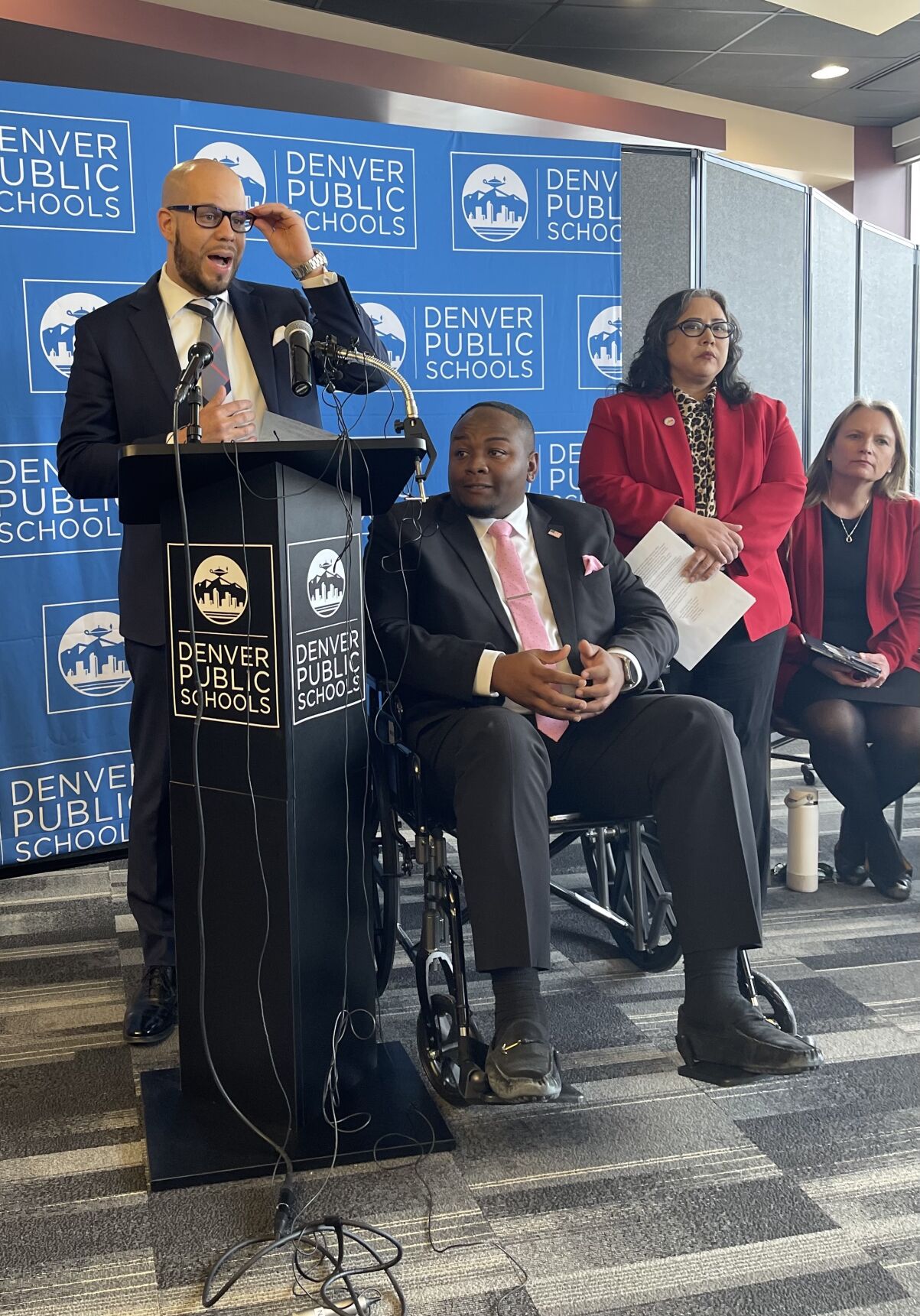

2025 Unfiltered: Unions, guns and vetoes — inside Colorado’s political year
Marissa Ventrelli
marissa.ventrelli@coloradopolitics.com
Updated 1 day ago
From affordability and labor rights to gun policy — as well as public safety and gubernatorial vetoes — 2025 proved to be one of the most consequential and contentious years in recent Colorado political history. Lawmakers entered the session pledging...

Colorado Politics in focus: the year’s top in-depth cover stories and series | 2025 unfiltered
Thelma Grimes
thelma.grimes@coloradopolitics.com
Updated 4 days ago
In 2025, Colorado Politics went beyond the daily headlines, delivering in-depth reporting on the major issues shaping the state — from congressional action to legislative proposals to the urban-rural divide and the future of Colorado’s economy. Here’s a look at...
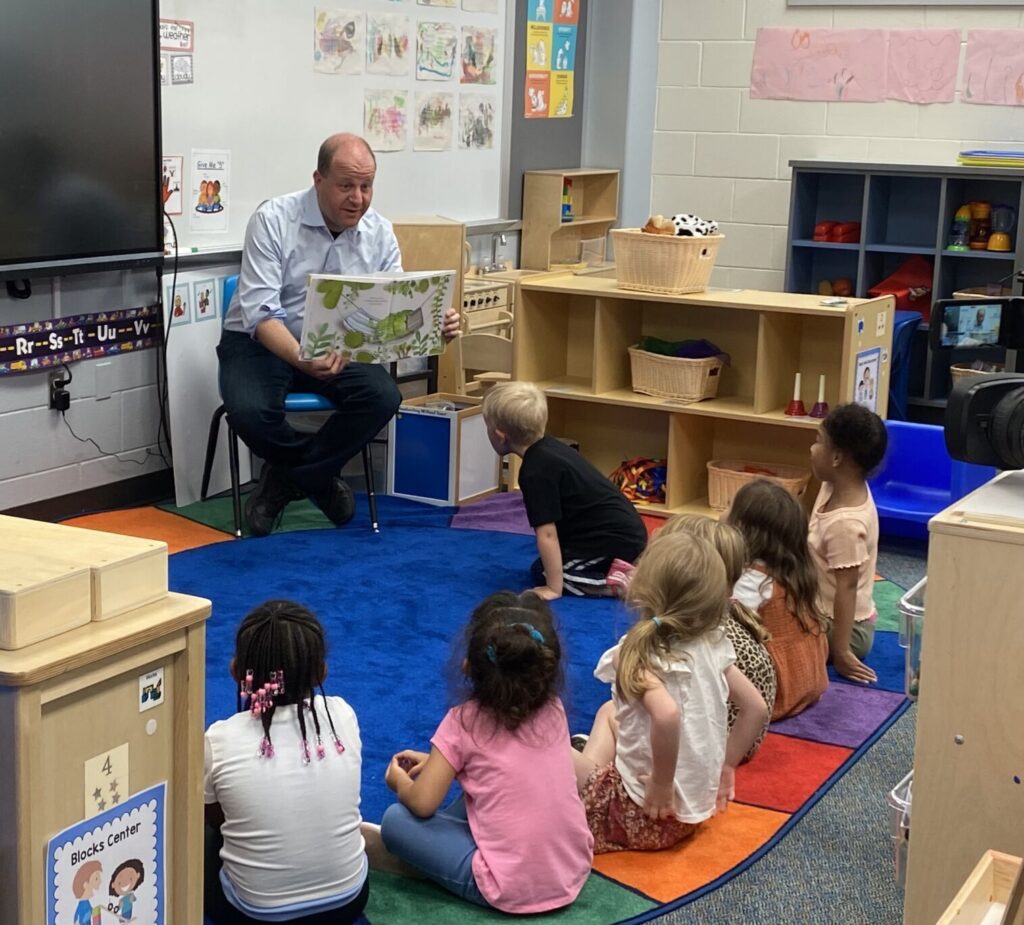
Colorado sees record early applications for universal preschool
Nico Brambila
nico.brambila@denvergazette.com
Updated 1 week ago
Early preschool applications for the upcoming school year are breaking records for a program with 42,862 4-year-olds enrolled statewide. As of Monday, the program had received 12,886 applications. “Investing in high-quality early education is one of the most effective ways...

Fort Lewis College student proud of new Turning Point USA chapter despite backlash
Elizabeth Pond, Special to The Denver Gazette
elizabeth.pond@gazette.com
Updated 2 weeks ago
Before Fort Lewis College senior Jonah Flynn became president of the newly formed FLC Turning Point USA chapter, he described himself as a liberal-leaning atheist. Flynn, a senior studying philosophy and Spanish, gained local and national attention after the Associated...
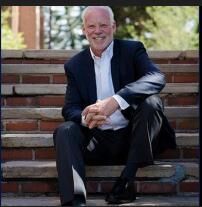
Polis names JB Holston as next head of Colorado Department of Higher Education
Marianne Goodland
marianne.goodland@coloradopolitics.com
Updated 2 weeks ago
Gov. Jared Polis on Monday named JB Holston, former dean of the Ritchie School of Engineering and Computer Science at the University of Denver, as the next executive director of the Colorado Department of Higher Education. He will succeed Angie...
Suddenly, Colorado has a private school choice program │ Vince Bzdek
Vince Bzdek
vince.bzdek@gazette.com
Updated 2 weeks ago
By Vince Bzdek When I was a kid going to St. John’s Catholic grade school in Denver, I remember asking my mom if she and dad minded paying taxes for public schools since all her kids attended Catholic ones. We...
Colorado’s government spending has outpaced inflation, analysis finds
Marissa Ventrelli
marissa.ventrelli@coloradopolitics.com
Updated 2 weeks ago
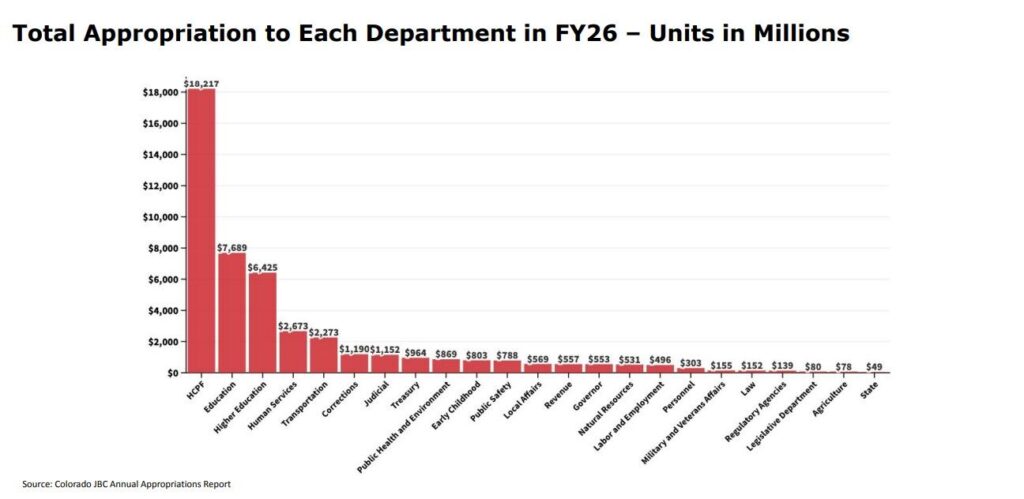
Colorado’s per-person spending has increased by 31% over the last two decades, despite slowed population growth, according to a new analysis by the Common Sense Institute. The annual report compares state spending by department over the last 20 years, tracking...
Colorado aims to close talent gap with new workforce development agency, initiatives
Marissa Ventrelli
marissa.ventrelli@coloradopolitics.com
Updated 3 weeks ago
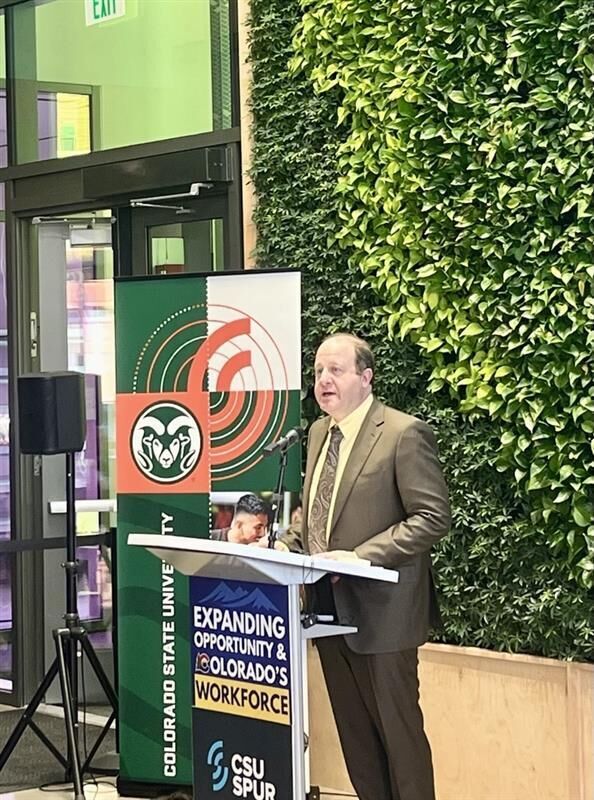
Colorado’s education leaders and legislators are planning changes to the state’s workforce development programs – including the creation of a new state agency – to help more students earn college degrees, certifications and apprenticeships. Gov. Jared Polis, House Speaker Julie...
Colorado’s universal preschool enrollment begins for upcoming school year
Marissa Ventrelli
marissa.ventrelli@coloradopolitics.com
Updated 3 weeks ago
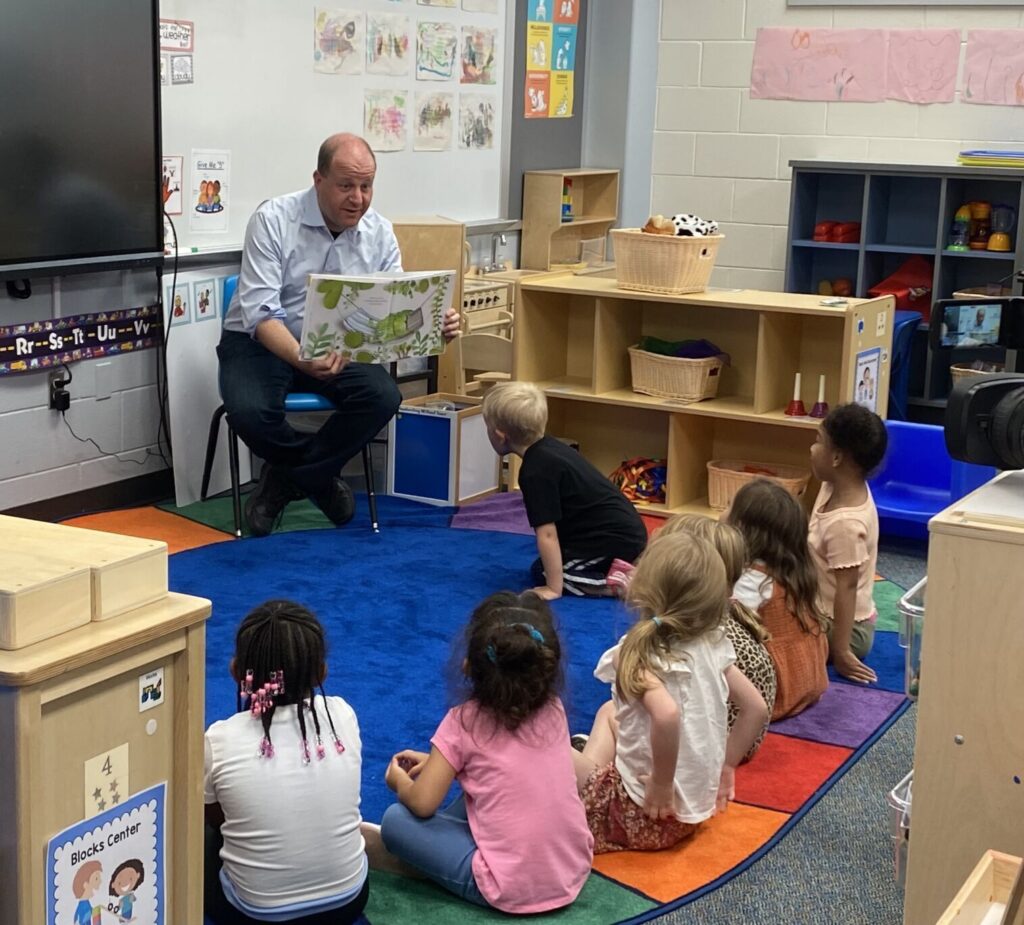
Enrollment is now open for Colorado’s universal preschool program, which provides up to 15 hours of free education for four-year-old children across the state. The $344 million program has served nearly 90,000 children since its creation in 2023, the Governor’s...
Higher home values, abatements to push DPS tax bills up in 2025
Nico Brambila
nico.brambila@denvergazette.com
Updated 3 weeks ago
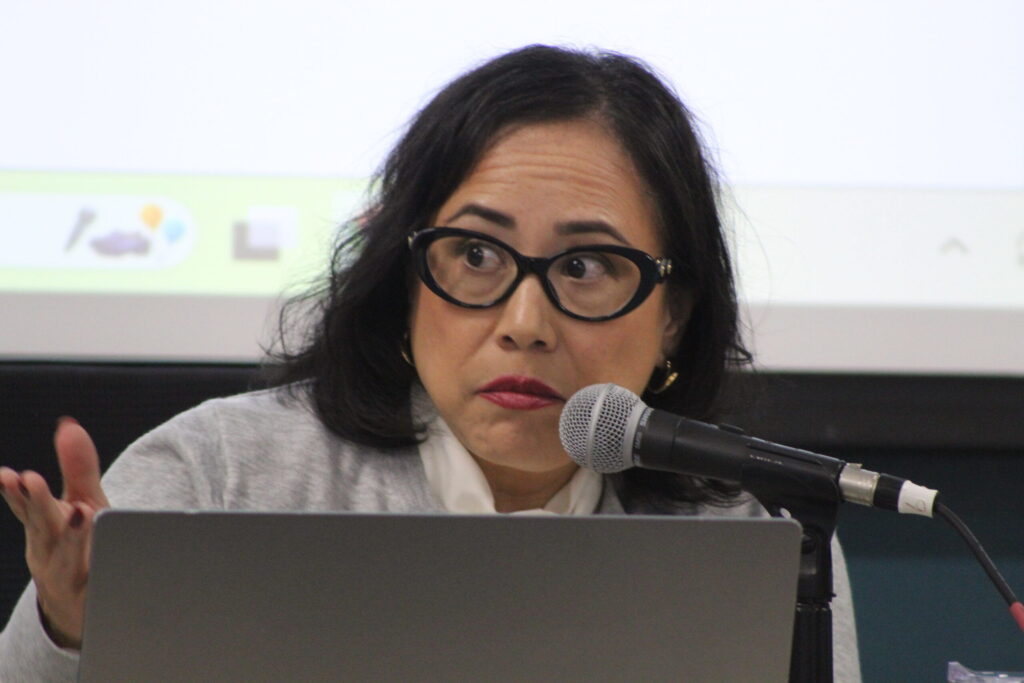
Denver homeowners will pay more in school taxes next year even though Denver Public Schools (DPS) slightly lowered its overall tax rate. The increase is being driven by rising assessed home values, a full 52.142-mill levy and a dramatic increase...
PREV
PREVIOUS
14 state legislators top Healthier Colorado's 2023 scorecard
Healthier Colorado recognized over a dozen state legislators for their work advancing physical, mental and social health during the 2023 legislative session. The nonprofit advocacy organization Healthier Colorado released its annual legislative scorecard on Monday. The scorecard ranks the top three legislators from each political party and chamber based on how they voted for and […]

Civic leaders launch Colorado Project to produce blueprint for 'sustainable and inclusive' growth
Dozens of civic, political and private sector leaders from throughout Colorado met online Tuesday to kick off a months-long conversation designed to produce a long-term game plan for growth in a state that’s used to shouting about the topic. The organizers of the ambitious initiative, dubbed the Colorado Project, said they hope the endeavor will […]