

Q&A with Prof. Robert Preuhs | Wider geographic support key to Mike Johnston’s victory

Prof. Robert Preuhs, who chairs the political science department at Metropolitan State University of Denver, closely watched the mayoral race between Mike Johnston and Kelly Brough.
In this interview, Preuhs noted the fundraising disparity between the two candidates, but maintained that Johnston and Brough collected enough dollars to get their messages out. Key to Johnston’s victory, he maintained, was securing a “wider geographic support,” compared to Brough.
When asked why many of the candidates backed by Democratic Socialists lost, Preuhs responded that Denver is a “Democratic city, not a Democratic Socialist city.”
Colorado Politics: To what extent did Mike Johnston’s fundraising give him an advantage over Kelly Brough?
Robert Preuhs: Twice the total fundraising certainly helped Mike Johnston. However, probably not by much. Both candidates raised enough to run strong organizations and get their messages out. It really came down to voter preferences for what seemed to be a more left-leaning option between two, for Denver politics, fairly moderate mayoral candidates.
CP: Do you make a distinction between Johnston’s independent expenditure (IE) support and the money he directly raised?
RP: IE committees and campaigns are, by law, not allowed to coordinate efforts. And, technically, there is no reason to believe either campaign violated this law. However, most everyone has a good sense of the message, the shortcomings of an opponent that are worth pointing out, and the general thrust of mobilization tactics. Thus, in some ways, all expenditures are, de facto, fungible and more money is better than less. In other words, Johnston’s IE spending did not hurt his campaign and probably helped, but the impact of their efforts aren’t clear. The race may very well have turned out exactly the same without IEs for either candidate for a number of reasons, and IE expenditures probably did not account for the 8-point margin.
CP: That is, did the IE spending for Johnston tip the scale in his favor?
RP: IE spending doesn’t hurt, but other more important factors were probably at play. Keep in mind Johnston and Brough both raised about the same amount from the Fair Elections Fund and individual donors, and those non-IE amounts were about the same as the two finalists spent in 2011 – where Hancock was outspent by Romer almost 2 to 1. In short, both candidates had the resources to run solid campaigns. At some point, there are diminishing marginal returns for more expenditures.
CP: Given the amount of IE money that flooded the mayoral race, do you think the candidates lost control of their own campaign narratives, with the IE groups, which fielded “negative” ads, effectively dictating the tone of the race?
RP: Candidates would certainly prefer to control their narratives, but it is rarely the case that IEs so drastically redefine narratives to a point that candidates disavow the message. That seems to be the case here, as well. Perhaps I’m wrong, but I don’t recall either candidate pushing back on their own supporters’ IE narratives. Negative ads were likely to emerge one way or another, given the anticipation the election would be close. In some ways, IE’s negative ads may benefit candidates by providing a way to separate themselves from the ads.
CP: When you say Johnston secured a “wider geographic support” and that made the difference, can you flesh that out? In what ways did he secure wider geographic support, and, just as importantly, how?
RP: This is really the important factor in the outcome. The general election saw Johnston secure more votes in neighborhoods where more diverse voters reside, like the NE, Central, or NW Denver, along with strong support in South Denver. That indicates some breadth of support beyond moderate and wealthier, White voters, and extending to both Black and Latino voters, as well as lower income voters. Brough’s support was concentrated in traditionally more conservative, and White, neighborhoods. In the run-off, the ability to build from that initial support was key – and we saw endorsements from general election candidates with similar bases of support, like (state Rep. Leslie) Herod and (Lisa) Calderón, help immensely as cues to rally their base behind Johnston.
CP: Brough’s campaign focused on the major, out-of-state funders that contributed to the IE group supporting Johnston, but that strategy didn’t gain any traction from voters. Why do you think that is? Voters fundamentally don’t care about where the money is coming from? Or Brough didn’t have any money to push that narrative via TV commercials?
RP: At some level, even with a real desire to provide public funding like Denverites have now adopted, many voters may have grown immune to the amounts of money spent in campaigns over the last few years. Where it comes from probably falls in that realm, as well. Another reason is that both sides had points about the other’s donors, which probably offset each other. Big out-of-state donors for Johnston versus developers for Brough played out as a wash to many.
CP: And talking about TV commercials – they remain to be the most dominant form of campaign messaging, correct? So, in theory, the candidate with the most money to spend on TV controls the narrative?
RP: To some extent, but again, both candidates had plenty of money to place their narrative on the voters’ screens. But voters also engage in selective exposure and selective perception. With a variety of options for media advertising, supporters probably were marginally more exposed to their candidates’ message than the opponent’s. And, when they did view the opponent’s, votes rarely change. As important, the narrative seemed to be fairly stable across the general and run-off elections outside of more attacks, which one would expect in an election that is anticipated to be close. I wouldn’t say TV commercials don’t matter. Without them, you have no narrative. But it is not clear that other factors were absent … especially endorsements from former candidates.
CP: Several progressive stalwarts endorsed Johnston’s campaign. To what extent did that help?
RP: The endorsements helped a lot. These were two moderate, mainstream, Democrats in an big city election. Convincing those to the left to support a candidate like Johnston certainly signaled to progressive voters that he was the better choice between the two. Keep in mind that Calderón and Herod had about 39% of the vote in the general, combined. That’s a lot of voters to the left of Johnston and they probably split in Johnston’s favor in the run-off.
CP: The Denver Republican Party endorsed Brough. Did that hurt her?
RP: Yes, it hurt. Denver is a Democratic city. Brough’s work at the Chamber (Denver Metro Chamber of Commerce) and support from developers already signaled to many voters that she was pro-business and probably closer to the Republicans than Johnston. While she is a Democrat, that may not have been clear to voters from the start. The Republican Party endorsement solidified that image. That endorsement made it awfully hard for progressive voters to cast a ballot for Brough and there just aren’t enough Republicans in Denver to have pushed the needle in her favor.
CP: You noted that none of the more progressive candidates successfully distinguished themselves as real contenders in the race. Why do you think that is?
RP: This is probably the unintended consequence of both the new Fair Elections Fund and an open seat. A lot of progressives ran given the open seat and in hope of moving the city’s leadership to the left, several of whom may not have been able to field a campaign without Fair Election dollars. If progressives would have been able to build a coalition behind one candidate, Denver would have at least had clearer ideological choice. Calderón, for instance, missed out on the run-off by a 2-point margin. There are certainly a number of permutations of candidate coalitions that could have put a progressive on the run-off ballot. So, primarily, it was the inability of the progressive candidates to act collectively. That said, this may not have been a progressive’s election. It is not clear that voters really sought a progressive solution to homelessness, housing affordability and crime, rather than just a solution. Tough talk and promises on all three seemed to resonate with voters this year.
CP: The prevailing narrative is that Denver voters deliberately favored the more “centrist” candidates in Johnston and Brough. Do you agree? If yes, why do you think that is?
RP: Yes, to some extent. Brough and Johnston combined for about 45% of the vote in the general election. Adding candidates from the right, it was more than a majority. So, yes, perhaps it was a centrist’s year. But, as I noted above, there were opportunities for progressives to at least have a run-off candidate even if the prospects for a win in that election were not great.
There are a number of factors, but one is that the progressive message on the key issues of crime and homelessness just were just not resonating with voters. It’s complex, however. Mayor Hancock’s approach to these issues was fairly centrist. Modifications proposed by the centrists are similar to plans proposed decades ago under Hickenlooper. I think it was less about policy specifics and more about the clarity of the promise to reduce crime and end homelessness, which resonated with voters who are desperately seeking to find solutions to these issues that are both visible and concerning across a wide swath of Denver neighborhoods.
CP: You also noted that both Johnston and Brough promised to deal with crime, affordable housing and homelessness in fairly moderate ways and that didn’t create a strong point of differentiation. In theory, such fairly moderate stances resonated with voters. Why?
RP: In late February, MSU Denver co-sponsored a survey of Denver voters. All three issues were top priorities, but crime stuck out with 57% of voters saying it was the most important. Another data point … only 42% said policy misconduct was the top priority. That illustrates the general direction of voters in this year’s election. They want to deal with crime, while many are less concerned about policy misconduct than they were maybe two to three years ago. That centrism can spill over to other issues, as well.
CP: This election seems to show that Denver voters are “pragmatists.” Of course, it’s a nonpartisan election. That said, is that assessment accurate?
RP: Voters want a variety of things – safety, economic prosperity, low taxes, affordable housing (but their own home to increase in value), etc. That means trade-offs and the recognition that, if some of the issues continue, they may go through another round of population and business loss like Denver did in the 1980s and 1990s. Dealing with all of these issues means some pragmatism driven by the realization that what Denver is doing right now is not working, but extremes on either end come with too many risks (and perhaps too high a price tag).
CP: Related to the question above, several Democratic Socialists of America candidates lost. Why do you think that is?
RP: The broad answer is that Denver is a Democratic city, not a Democratic Socialist city. In specific instances, one might point to redistricting. Councilperson (Candi) CdeBaca’s District 9 was redistricted to include more moderate and wealthier voters, who simply had different preferences. There are pockets and perhaps district-sized areas in Denver where a Democratic Socialist could win, but a citywide win would require a strategic coalition that may not be possible.
FAST FACTS
-
Preuhs specializes in democracy in the U.S. and the Third World
-
He has been teaching political science at the college level for nearly 20 years
-
He previously held positions at the University of Denver and the University of Colorado
-
He received numerous awards, including the Award for Excellence in Research and Creative Work by the University of Colorado Graduate School in 2001 and Best Book on Latino Politics from the Latino Caucus of the American Political Science Association in 2014
-
Preuhs got his doctorate in American politics, methodology and public policy and a master’s in political science from the University of Colorado at Boulder in 2001 and 1999, respectively. He earned a master’s in public administration from the University of New Mexico in 1996 and a bachelor’s in political science and international studies from Hamline University in 1992

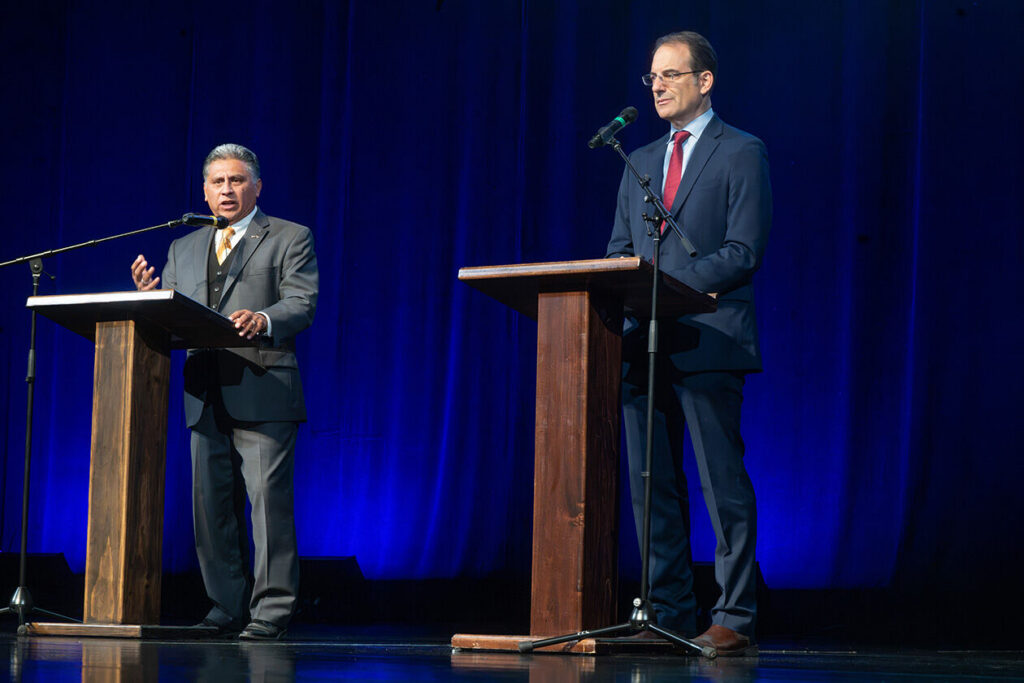
Gubernatorial candidates Phil Weiser, Greg Lopez spar, as Marx skips debate
Deborah Grigsby
deborah.smith@denvergazette.com
Updated 5 hours ago
Two of the candidates for Colorado governor squared off in a televised debate on Thursday night, when Attorney General Phil Weiser, the Democratic nominee, and former U.S. Rep. Greg Lopez, an unaffiliated candidate, delved into issues of affordability, data center...
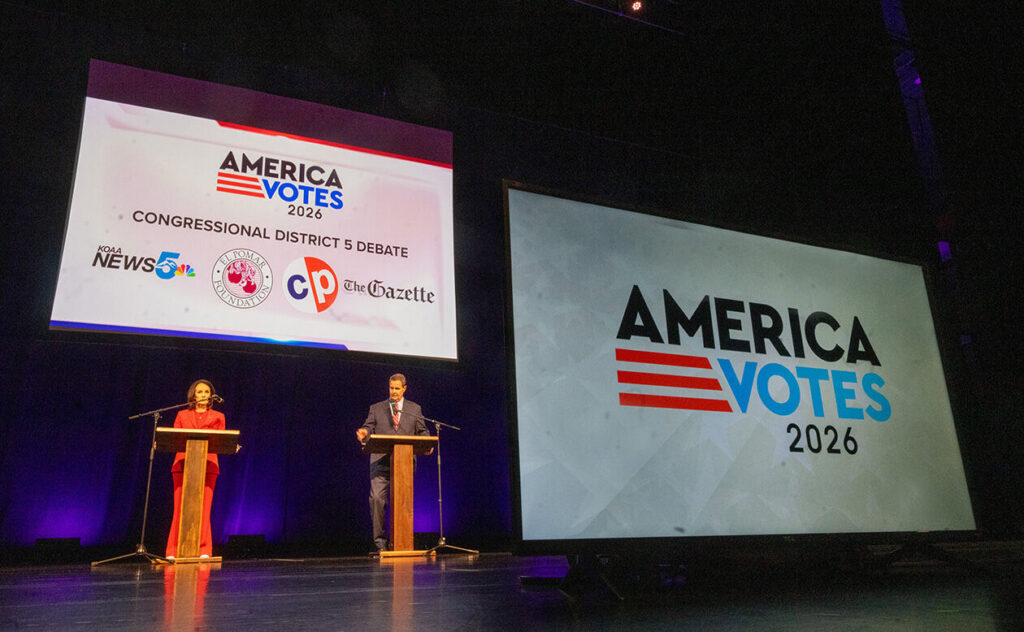
Troops, taxes, war dominate Colorado’s 5th CD debate between Jeff Crank, Jessica Killin
Deborah Grigsby
deborah.smith@denvergazette.com
Updated 6 hours ago
Republican U.S. Rep. Jeff Crank and Democratic challenger Jessica Killin on Thursday night clashed over the war in Iran, the federal budget and healthcare when they took the stage in Colorado Springs for a sold-out debate in the race to...
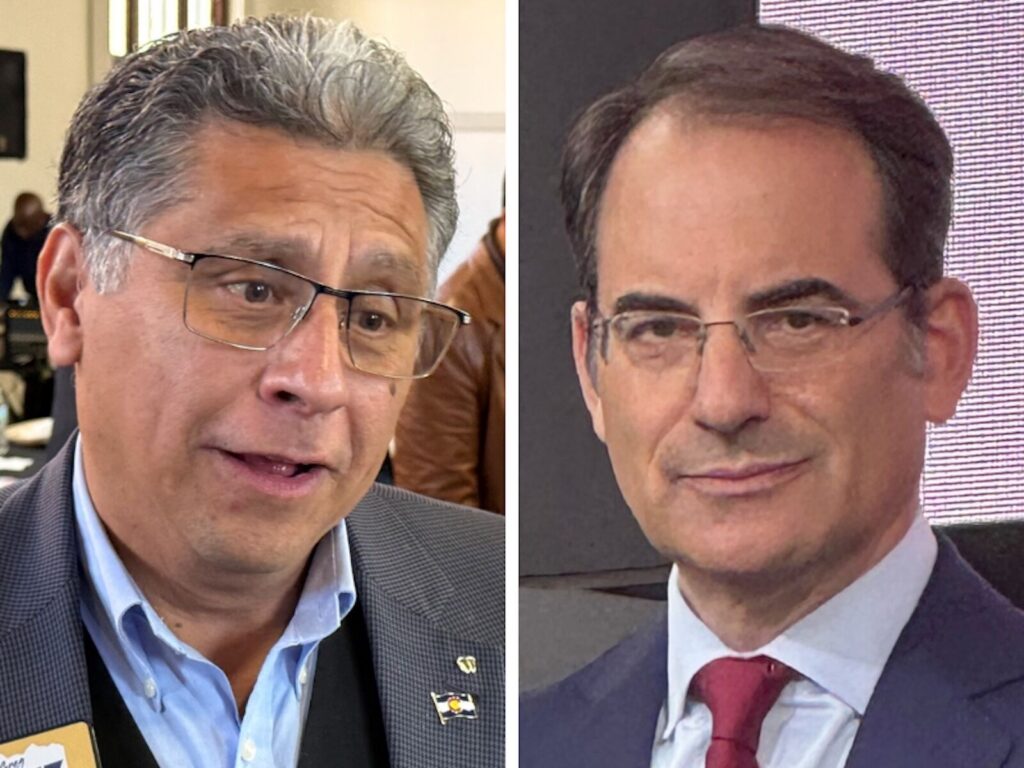
WATCH: Colorado gubernatorial candidates Phil Weiser, Greg Lopez face off Thursday in televised debate
Ernest Luning
ernest.luning@coloradopolitics.com
Updated 8 hours ago
Two of the candidates for governor of Colorado are set to square off in a televised debate for the first time Thursday night, when Attorney General Phil Weiser, the Democratic nominee, and former U.S. Rep. Greg Lopez, an unaffiliated candidate,...
WATCH: Republican US Rep. Jeff Crank, Democratic challenger Jessica Killin debate in Colorado’s 5th CD
Ernest Luning
ernest.luning@coloradopolitics.com
Updated 9 hours ago
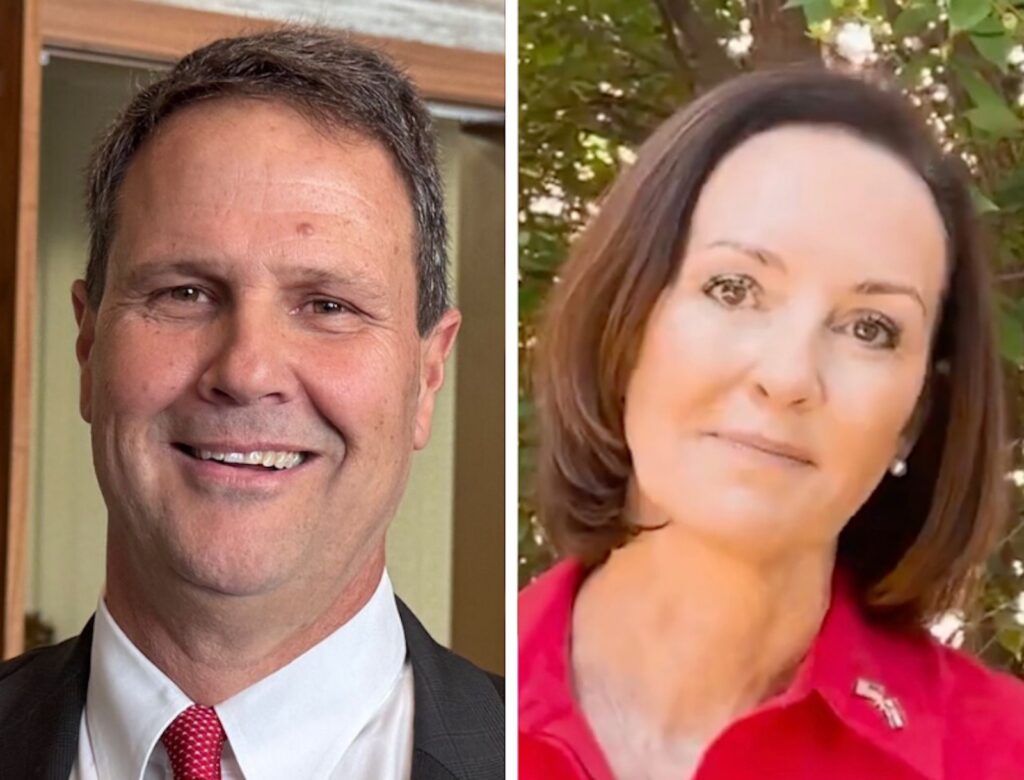
Republican U.S. Rep. Jeff Crank and Jessica Killin, his Democratic challenger, are scheduled to meet for a televised debate in the race to represent Colorado’s 5th Congressional District on Thursday night. The candidates are set to take the stage at...
Democratic-aligned poll shows big majority of swing-seat voters support routine childhood vaccines
Ernest Luning
ernest.luning@coloradopolitics.com
Updated 14 hours ago
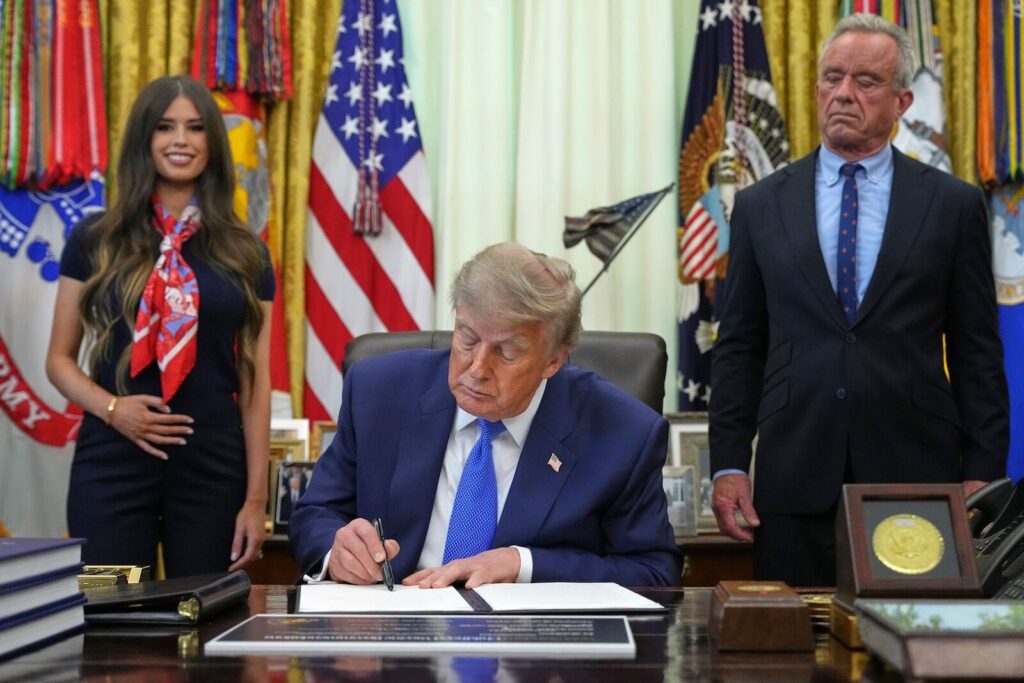
A new poll conducted by Democratic-aligned groups found that voters in competitive U.S. House districts — including a battleground seat in Colorado — support routine childhood vaccinations by a wide margin and oppose a recent order by President Donald Trump...

Coalition drops Colorado transportation ballot measure after securing deal
Marissa Ventrelli
marissa.ventrelli@coloradopolitics.com
Updated 9 hours ago
The proposed constitutional amendment seeking to dedicate all transportation-related revenue to Colorado’s roads and bridges will no longer appear in this November’s ballot after its proponents reached an agreement with lawmakers following months of negotiations. Initiative No. 175, backed by...
USPS ballot rule faces lawsuit from Colorado, other states
Thelma Grimes
thelma.grimes@coloradopolitics.com
Updated 17 hours ago
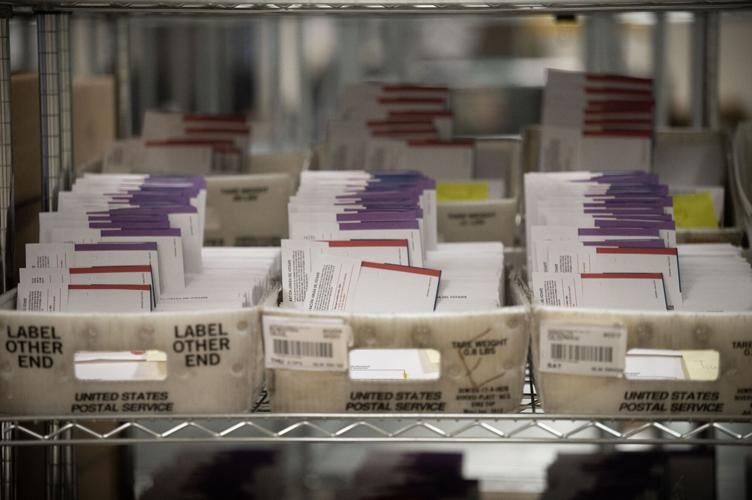
Colorado, along with 25 other states, filed a lawsuit against the U.S. Postal Service to challenge a new rule that seeks to restrict the mailing of ballots to American citizens on an eligible voters list. Colorado relies heavily on the...
Colorado lawmaker, House leaders named in workplace-retaliation lawsuit
Marianne Goodland
marianne.goodland@coloradopolitics.com
Updated 3 days ago
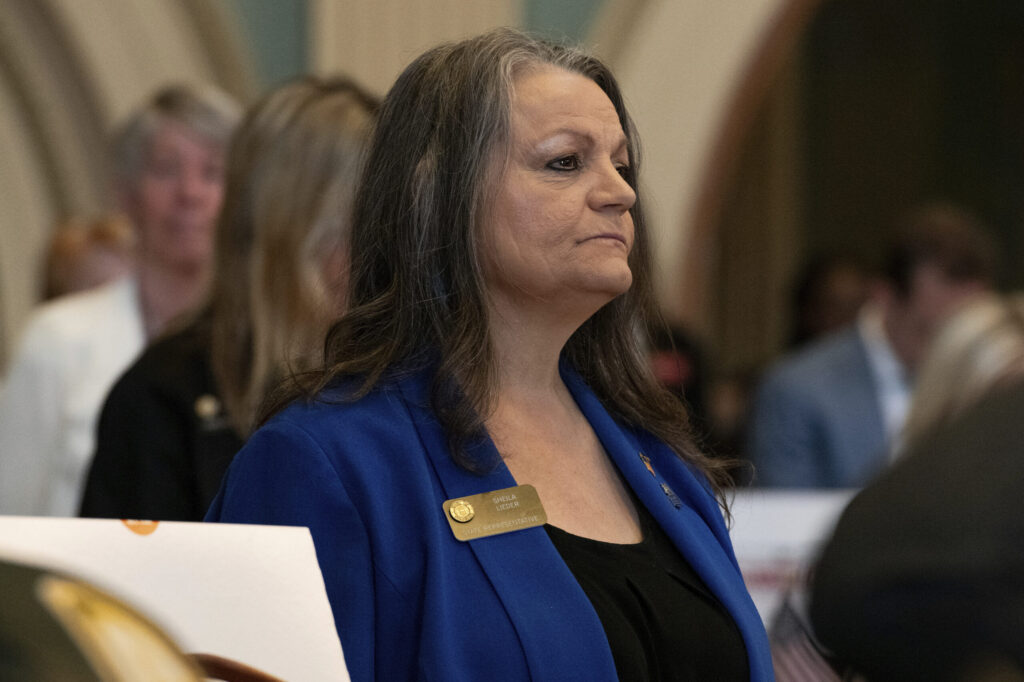
A former legislative aide has filed a lawsuit alleging she was mistreated, illegally directed to perform campaign work and harmed by a House leadership structure she charged was fragmented, politicized and ineffective at protecting employees. The lawsuit, filed by Jennifer...
Democratic candidate in Colorado’s 4th CD urges long-term water planning
Marianne Goodland
marianne.goodland@coloradopolitics.com
Updated 5 days ago
The Democrat hoping to become the next representative of Colorado’s 4th Congressional District on Thursday made her case on the final day of Colorado Water Congress in Steamboat Springs. Eileen Laubacher, who spent 34 years in the U.S. Navy and...
Democratic gubernatorial candidate Phil Weiser promises to appoint rural outreach director, water adviser
Marianne Goodland
marianne.goodland@coloradopolitics.com
Updated 7 days ago
Democratic gubernatorial candidate and current Attorney General Phil Weiser told the Colorado Water Congress Thursday he intends to appoint a rural outreach director and a water policy adviser should he win the election in November. Weiser’s speech at the Steamboat...
PREV
PREVIOUS

State Supreme Court has busy week, attorney general fellow talks about appellate program | COURT CRAWL
Welcome to Court Crawl, Colorado Politics’ roundup of news from the third branch of government. The Colorado Supreme Court issued five decisions and held five oral arguments last week as the justices prepare to take a summer break from the argument calendar, and Colorado Politics spoke to a new lawyer who is participating in a […]
Polis doubles down on housing ideas in front of his biggest policy foes
Gov. Jared Polis made an unannounced visit to the 2023 Colorado Municipal League conference in Aurora on Monday, with remarks characterized by one person as a “lecture” to elected municipal officials. Polis has had few friends lately among municipal government leaders due to their opposition to his 2023 housing plan, which unsuccessfully sought to strip […]