

DPS fights court order to release executive session tape to media coalition
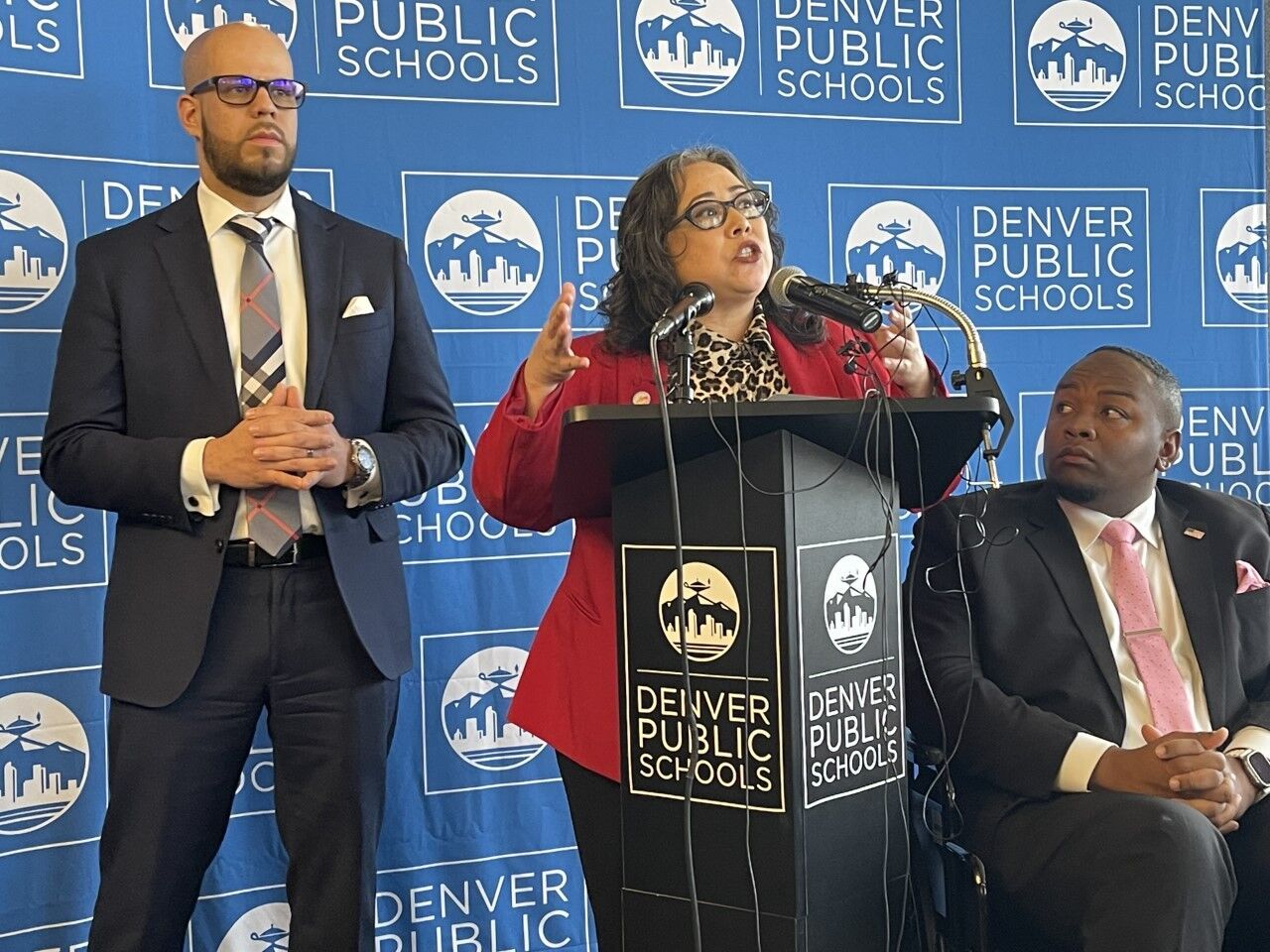
Denver Public Schools on Monday appealed a court decision requiring the district to release the recording from a March 23 executive decision held in the wake of the East High School shooting that wounded two administrators.
The DPS Board of Education went into the executive session, which is closed to the public, to discuss security measures.
The district’s appeal questioned whether the judge erred in reviewing and then revealing – in issuing his order – details from the audio not yet disclosed, “frustrating DPS’ rights of appeal.”
District officials also contend the district court’s order did not resolve the amount of attorney’s fees and costs due the media coalition as a result of the lawsuit.
DPS additionally requested a transcript of the June 16 hearing.
The appeal delays the tape’s release.
In appealing the order, the district ignored the wishes of Auon’tai Anderson, the board’s vice president, who suggested not fighting the court order, citing fiscal and transparency considerations.
“The use of outside counsel, while sometimes necessary, can lead to considerable expense – expenses that are met with taxpayer dollars,” Anderson said.
DPS General Counsel Aaron Thompson made the decision to appeal, said Scott Pribble, a district spokesperson.
The district also separately asked for a stay of the court’s release order, saying if the recording were released, it “cannot be undone” even if DPS ultimately succeeds on appeal.
The district said releasing the records now, before its appellate rights are exhausted, would “effectively eviscerate its right of appeal.” The court is set to hear the motion at 10 a.m. Tuesday.
Denver District Court Judge Andrew J. Luxen – who spent two days listening to the five-hour executive session – ruled Friday that the district “did engage in a substantial discussion of matters” in contravention of open meeting laws and ordered DPS to release the audio recording.
Luxen also said the school board did not sufficiently cite the statute that formed the basis for the confidential meeting.
“The Denver School Board did not discuss these issues in executive session, specifically any issues involving specialized details of security arrangements or investigations, including defenses against domestic and foreign terrorism or matters which if made public might reveal information that could be used for the purpose of committing, or avoiding prosecution for, a violation of the law,” Luxen wrote.
“There was lengthy discussion of general security arrangements, however, including the return of school resource officers to Denver public schools,” the judge added.
Under the state law, state and local governments are required to discuss and take action in meetings that are open to the public.
The laws have a carve out for specific purposes, such as to consult with an attorney or to discuss personnel matters or about an individual student, among other things.
Any action, though, must be conducted in public.
After five hours and 13 minutes in executive session, the board returned a memo drafted in executive session temporarily changing the district’s policy barring police officers on campus, which was unanimously approved without discussion.
A coalition of news outlets that includes the Denver Gazette and Colorado Politics sued the Board of Education and its custodian of records for the release of the executive session minutes and recording.
The lawsuit alleged the secret meeting violated the Colorado Open Meetings Law’s prohibition on making policy in executive session.
At least one board member believes the recording should be released.
“Some colleagues want it sealed as it exposes the truth,” Anderson said in a Tweet Friday after the ruling.
Anderson added, “The community deserves to see the tape.”
In a statement last week, Anderson worried about the legal costs of continuing the litigation – money that he said would be better used on educating children.
District officials declined to comment.
In neighboring Douglas County School District, legal costs have mounted – more than $185,000 and counting, so far – in defending board members against a lawsuit stemming from the firing of former Superintendent Corey Wise.
The true costs are likely more. That’s because the tally does not include any expenses incurred over the last few weeks, and it also doesn’t include the roughly $94,000 state Rep. Bob Marshall, who brought the lawsuit, has spent in attorney fees.
In his statement, Anderson said an appeal might unintentionally convey the impression that the board has “something to conceal, possibly undermining the board’s commitment to openness and accountability.”
“These are the cornerstones of our relationship with you, the community,” he said. “If we have made a mistake, let’s acknowledge it and use this occasion to learn and improve instead of engaging in a costly and potentially reputation-damaging appeal.”


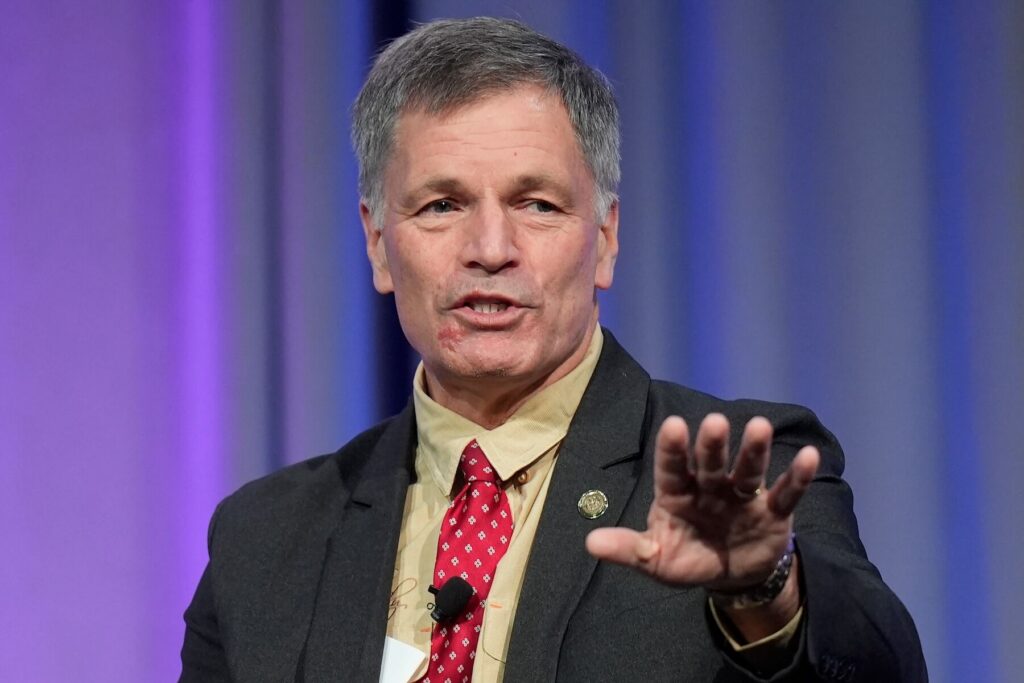
Wyoming governor sues state board, asks court to enforce property tax cap | OUT WEST ROUNDUP
The Associated Press
the-associated-press@coloradopolitics.com
Updated 4 days ago
WYOMING Governor sues over property tax cap Gov. Mark Gordon filed a lawsuit on June 16 to force the State Board of Equalization to certify residential property tax values after the panel concluded it could not do so due to...

Colorado needs an Independence Day | Jon Caldara
Jon Caldara
jon-caldara@coloradopolitics.com
Updated 3 days ago
Happy 250th Birthday, America! You look fabulous. As all the cool countries are saying, “250 is the new 230.” The Declaration of Independence wasn’t merely an announcement of war against a tyrant. It was the most revolutionary political document ever...

Colorado primary election voters shake things up | Cronin & Loevy
Tom Cronin Bob Loevy
tom-cronin-bob-loevy@coloradopolitics.com
Updated 2 days ago
Every election has its surprises, but last Tuesday’s Colorado primary election results gave us several unexpected outcomes. U.S. Sen. Michael Bennett lost his bid to switch from the U.S. Senate and become Colorado’s next governor. Meanwhile, progressive Democratic U.S. Rep....
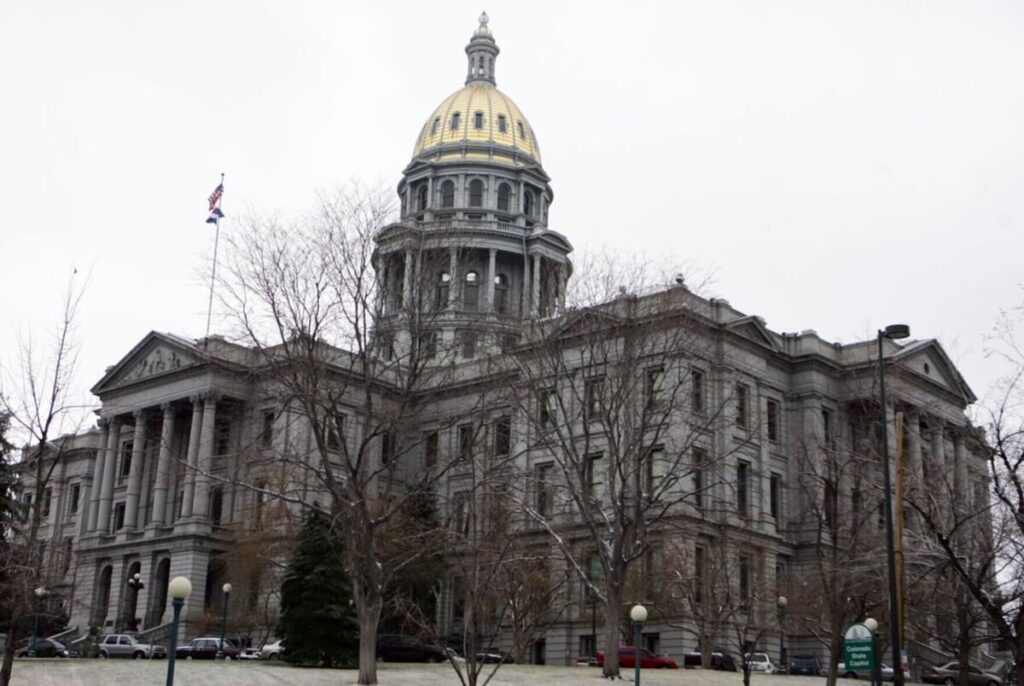
Democratic Colorado rural congressman threatens to caucus with GOP to preserve PILT | A LOOK BACK
Rachael Wright, Special to Colorado Politics
rachael.wright@coloradopolitics.com
Updated 3 days ago
Forty-Five Years Ago This Week: “It’s sometimes like talking to a brick wall,” said Colorado Congressional District 3 U.S. Rep. Ray Kogovsek. Kogovsek was frustrated at the lack of support from congressional representatives from the East Coast and the Midwest...

25 lessons and wishes to celebrate America’s 250th | SONDERMANN
By Eric Sondermann
by-eric-sondermann@coloradopolitics.com
Updated 4 days ago
The 250th celebration of America’s birth is upon us. There is undoubtedly much to salute. Despite plenty of strife and discontent at home, America remains a beacon to much of the world. The wisdom of our founders has largely withstood...

Colorado Politics Calendar July 6-12
Rachael Wright, Special to Colorado Politics
rachael.wright@coloradopolitics.com
Updated 4 days ago
CoPo’s weekly political calendar helps you find political and public policy events throughout Colorado. It includes candidate and issue campaign events, public policy meetings, court hearings, state and local party conventions, assemblies, debates, rallies, parades, speaking engagements, traveling dignitary appearances,...
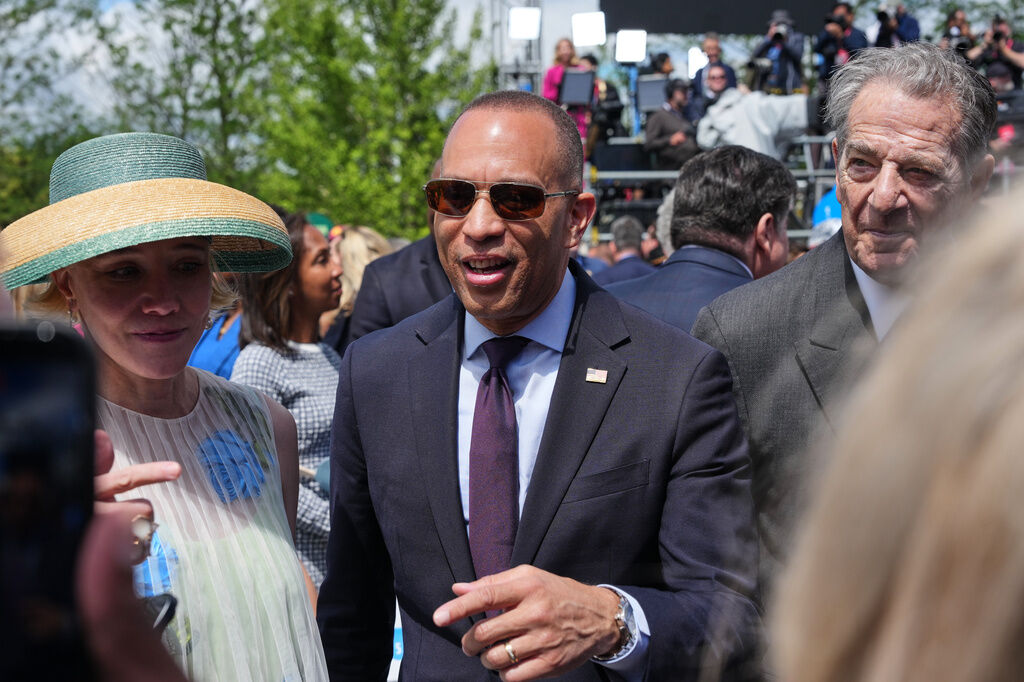
Democrats wrestle with race, populism and ideology in clashes with lawmakers of color
The Associated Press
the-associated-press@coloradopolitics.com
Updated 2 days ago
WASHINGTON (AP) — After democratic socialist Claire Valdez defeated an establishment-backed candidate in New York’s congressional primary last week, her elated supporters quickly turned their attention to a new target. “You’re next!” they chanted when an image of House Democratic...

Victor Marx holds a steady lead over Barbara Kirkmeyer in Colorado Republican governor contest
Thelma Grimes
thelma.grimes@coloradopolitics.com
Updated 2 days ago
Victor Marx overtook state Sen. Barbara Kirkmeyer in the Republican primary for governor on Wednesday evening, seizing a narrow lead after trailing her since polls closed. Kirkmeyer, one of three candidates, opened the night with a clear advantage, at one...

Democrats confront shift as socialist-aligned candidates win races in Colorado
Thelma Grimes
thelma.grimes@coloradopolitics.com
Updated 1 day ago
Democratic socialists’ recent electoral gains — punctuated by Melat Kiros’ victory on Tuesday over U.S. Rep. Diana DeGette, the dean of Colorado’s congressional delegation — are the result of a movement that has been taking shape in metro Denver for...
Our legislature’s mission — absolve criminal conduct | George Brauchler
George Brauchler
george-brauchler@gazette.com
Updated 3 days ago
As the dust settles on a primary election that should alert Coloradans to the downward dive public safety may take in November — our current attorney general and secretary of state have presided over a state that is now America’s...