

Colorado moves to limit use of four-point restraints in prisons
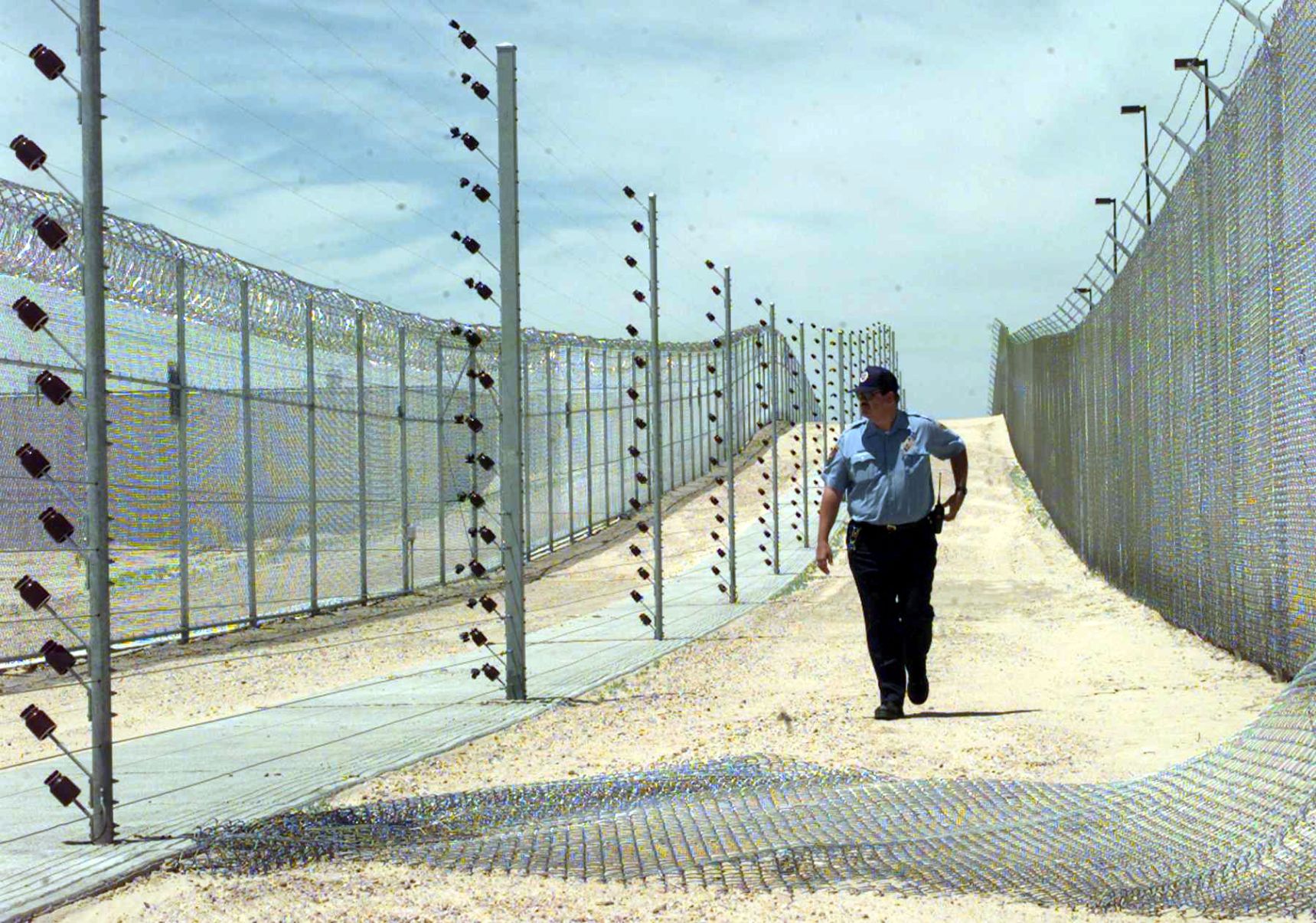
In Colorado prisons, inmates deemed to be a threat to themselves or others are often strapped to a bed by their arms and legs with metal restraints, left alone for hours or even days in this position.
In at least one instance, a person was kept in these restraints for 39 days straight in the Colorado Department of Corrections, only getting up to use the bathroom and eat, according to a report by Disability Law Colorado. Others were found to have spent 90 days out of nine months and 60 days out of 10 months in the restraints.
House Bill 1013, passed by the state legislature Wednesday, seeks to restrict the use of these clinical four-point restraints in prisons beginning in 2027.
“I hope that you could all try to imagine what it would be like to spend 39 days strapped to a bed on your back, all alone in a tiny, little room and what the damage might be to your mental health,” said Rep. Judy Amabile, D-Boulder, who sponsored HB 1013. “It is a way to stop somebody from self-harming, but not for 39 days, not for 6 days, not for 3 days. That’s too much.”
If signed into law, the bill would prohibit by July 1, 2027 the use of such restraints, unless it is imminently necessary and all other options have been exhausted. Beginning in 2024, prisons must document and report their annual use of four-point restraints to the legislature, including the frequency, duration and basis for use.
Also by July 2027, the bill would establish time limits for how long someone can be kept in restraints, require the restraints to be cloth instead of metal and require restrained people to be checked on more frequently – aligning the use of restraints in prisons with the practices used in state hospitals.
The Senate passed the bill in a 26-9 vote on Wednesday, following the House’s 48-16 vote last month. It will next go back to the House to approve minor changes from the Senate, and then to the governor for final consideration.
Though the bill received bipartisan support, only Republicans voted against it. Opponents argued that the legislature shouldn’t interfere with the operations of the Department of Corrections.
“The people who work at the correctional facilities go through training,” said Sen. Barbara Kirkmeyer, R-Brighton. “They need to be able to have the resources and tools at their disposal to restrain individuals that might either be causing themselves harm or causing the correctional officers harm.”
Sen. Paul Lundeen, R-Monument, added: “Department of Corrections policies should govern this, not statute. I don’t think it’s appropriate to stick this level of detail into statute.”
Four-point restraints are intended to prevent people from harming themselves or others when they present a threat. Proponents for HB 1013 say they are being dangerously overused, causing more harm than they prevent.
During a public hearing on the bill, Tyler Himelstieb said he was put in four-point restraints after he was brought to the San Carlos Correctional Facility in Pueblo in July. Himelstieb said he hit his head on his cell door after being declined his bipolar medication, resulting in a hospital visit, five stitches and finally receiving his medication.
When he returned to the prison, Himelstieb said he was put in restraints for 20 hours, despite having long calmed down and no longer being at risk.
“I had asked one correctional officer who was cuffing one of my legs to loosen it, as it was too tight and hurting me. He said, ‘No,'” Himelstieb said. “I had such bad bruising, welts and slight bleeding. … I blatantly said to him, ‘You’re torturing me.’ He said he didn’t care.”


Federal judge directs plaintiff to revise complaint alleging Denver officers’ constitutional violations
Michael Karlik
michael.karlik@coloradopolitics.com
Updated 3 hours ago
A federal judge directed a plaintiff to revise his allegations on Wednesday to more precisely state what two Denver officers and the city itself allegedly did to violate his constitutional rights by facilitating his prosecution for murder until prosecutors dropped...
Federal judge explores new sanctions against ex-Colorado judicial discipline director
Michael Karlik
michael.karlik@coloradopolitics.com
Updated 7 hours ago
A federal judge on Wednesday directed Colorado’s former judicial discipline director, for the third time this year, to explain why she should not sanction him for his latest conduct in his litigation against the state’s judiciary. Christopher S.P. Gregory, who served...
Colorado joins lawsuit challenging changes to Endangered Species Act
Marissa Ventrelli
marissa.ventrelli@coloradopolitics.com
Updated 7 hours ago
Colorado once more joined a coalition of states challenging the Trump administration — this time on proposed rules regarding the Endangered Species Act. The pair of lawsuits challenge new rules made under Interior Secretary Doug Burgum, who earlier said the...

Boebert challenger Eileen Laubacher says she’ll ‘break through the noise’ in Democrat’s 1st TV ad
Ernest Luning
ernest.luning@coloradopolitics.com
Updated 4 hours ago
Democratic congressional candidate Eileen Laubacher says she’ll take a different approach than her opponent in a campaign ad released Wednesday that opens with a cacophonous series of videos featuring Republican U.S. Rep. Lauren Boebert. “Eileen’s had enough of the noise...

Colorado congressman asks DOJ to investigate violent student ICE walkout
Nico Brambila
nico.brambila@denvergazette.com
Updated 6 hours ago
U.S. Rep. Jeff Crank is asking the Justice Department to investigate violence at last week’s anti-ICE student walkout in Denver, including whether outside organizations helped organize, fund, or influence the demonstration. Crank sent a letter Tuesday requesting the investigation to...
General election season is here. Where does mail-in voting stand?
David Zimmermann
david-zimmermann@coloradopolitics.com
Updated 10 hours ago
As the general election season approaches, the legal question surrounding the new U.S. Postal Service mail-in ballot requirements remains up in the air. With the case playing out in the courts, mail-in voting has not been changed substantially despite President...
10th Circuit orders second look at immunity for Kiowa County deputy over fatal vehicle crash
Michael Karlik
michael.karlik@coloradopolitics.com
Updated 5 hours ago
The Denver-based federal appeals court directed a trial judge on Tuesday to further analyze whether a Kiowa County deputy and the sheriff’s office may be sued for a fatal vehicle collision. The Colorado Governmental Immunity Act generally shields government entities and public...
Colorado justices to hear appeal in Kendrick Castillo death lawsuit, ‘fugitive’ rule
Michael Karlik
michael.karlik@coloradopolitics.com
Updated 5 hours ago
The Colorado Supreme Court announced on Tuesday that it will decide whether it was proper to dismiss a lawsuit over the 2019 shooting death of Kendrick Castillo after the defendants paid the maximum amount of damages available to Castillo’s parents,...

Two more wolves killed by Colorado wildlife staff
Marianne Goodland
marianne.goodland@coloradopolitics.com
Updated 1 day ago
Two yearling wolves from the Copper Creek and Three Creeks packs in Pitkin and Rio Blanco counties, respectively, were killed by Colorado Parks and Wildlife staff on Monday. That brings to 19 the number of wolves that have died under...

Federal judge dismisses Douglas County’s challenge to collective bargaining law
Nicholas Fogleman
nicholas.fogleman@denvergazette.com
Updated 14 hours ago
A federal judge dismissed claims brought by the Douglas County Board of Commissioners alleging that a state law granting county employees the right to organize and join labor unions violates free speech protections and conflicts with federal labor law. Douglas...
PREV
PREVIOUS
Bills on wolf introduction near final push, but Polis' opposition raises veto potential
Two bills designed to help Colorado’s plans to reintroduce wolves later this year won final votes in the state House Wednesday, after sponsors beat back a series of challenges in the last two days, including from the governor’s office. Senate Bill 256 is the more controversial of the two measures. It would require the state to receive […]

Federal judge rejects union request to block King Soopers from using contractors on garden displays
A federal judge on Wednesday rejected a request to block King Soopers and City Market from using contractors to perform certain tasks on outdoor plant displays – a practice the union representing retail workers alleged is in violation of their collective bargaining agreement. U.S. District Court Judge Gordon P. Gallagher decided the United Food and Commercial […]