

The six lawmakers who crafted Colorado’s $38.5 billion budget | COVER STORY
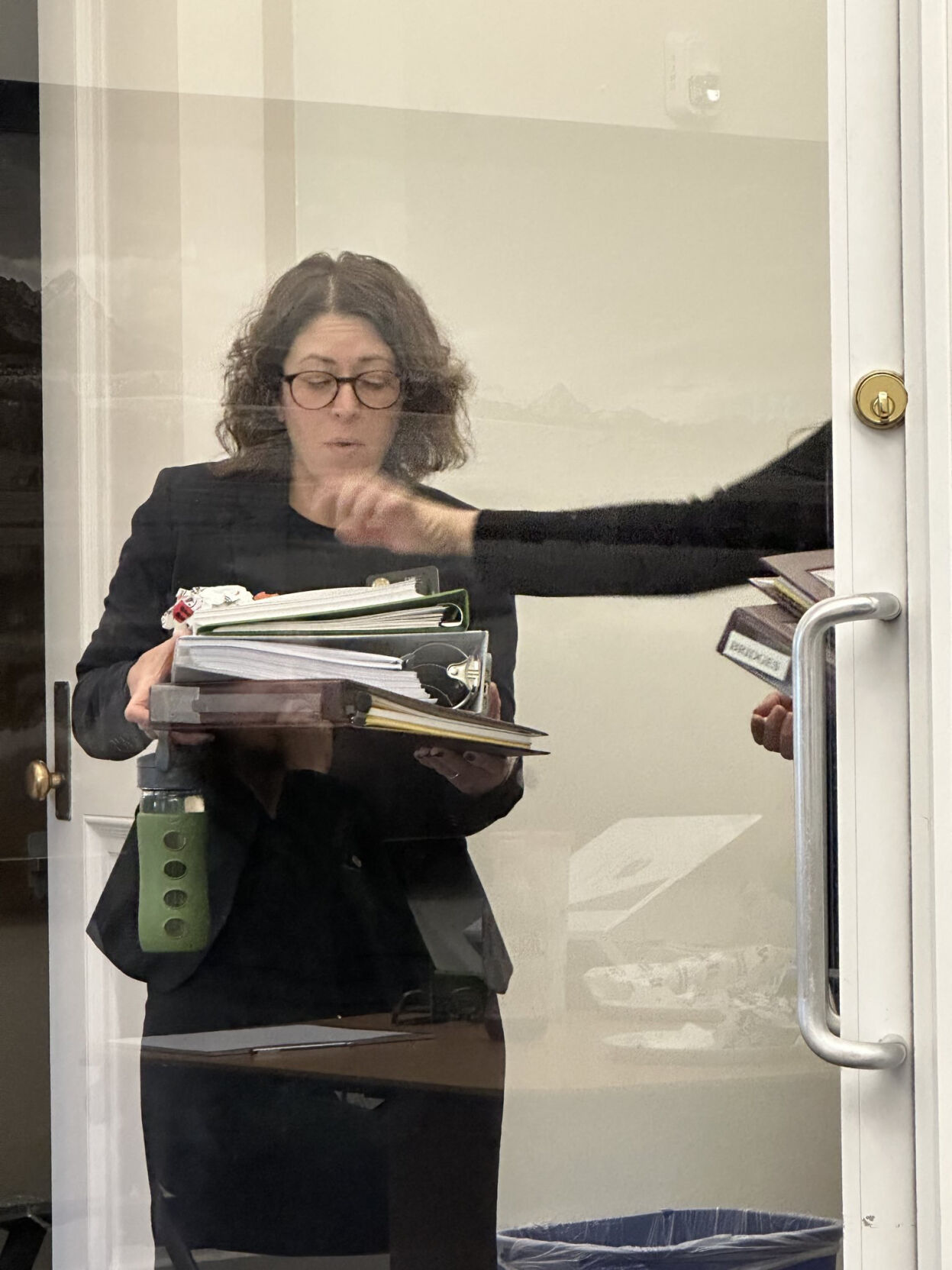
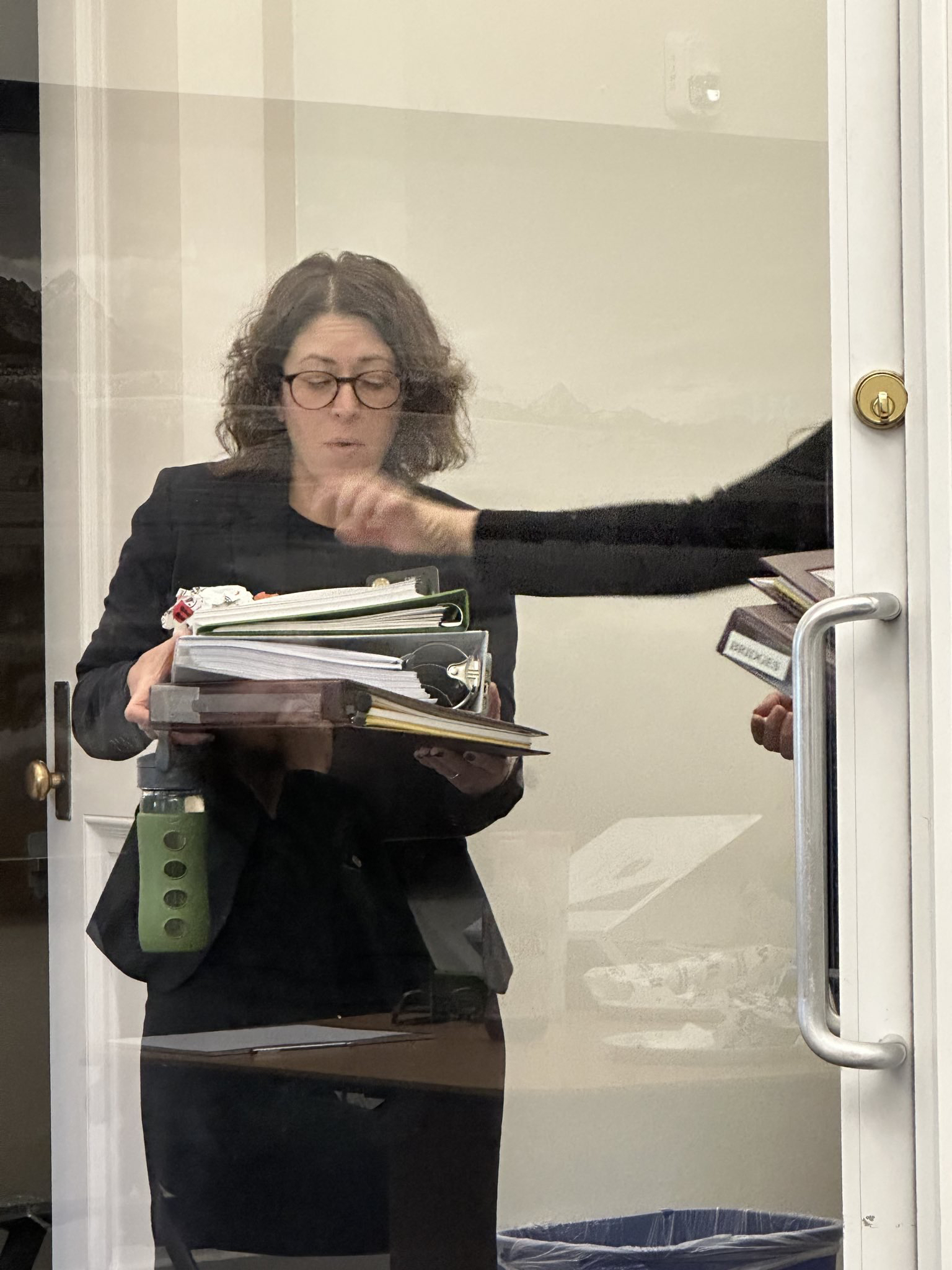
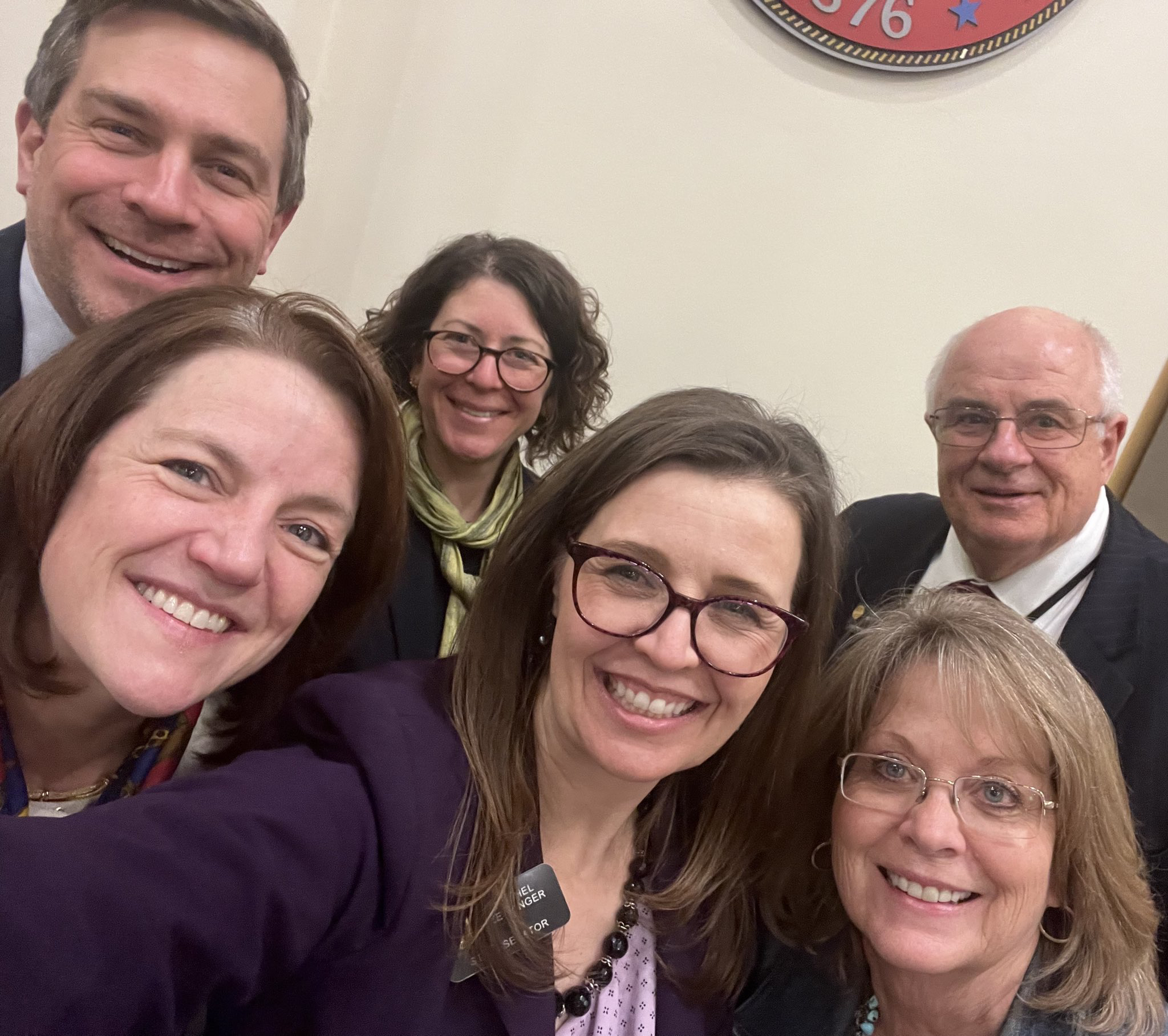
In November 2022, six people who had never sat on a committee with each other before were handed a gargantuan task and the most important responsibility of the General Assembly – come up with a balanced budget that would fund state operations in the fiscal year.
The six are members of the Joint Budget Committee, the small and influential body that crafts Colorado’s annual spending plan.
Decisions by previous members – two ran for Denver mayor, one shifted to the top spot in House leadership, another resigned, and yet another faced term limits – meant five of the six members of the Joint Budget Committee would be new to the process of crafting what this month became the state’s $38.5 billion budget for fiscal year 2023-24.
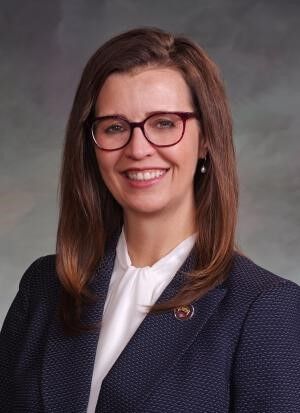
Along with chair Sen. Rachel Zenzinger, D-Arvada, whose own path to the JBC has not been without controversy, the five new members of the panel each brought a different skill set and viewpoints on state government and budgeting.
Over the years, the JBC has alternated between being a “one for all and all for one” club, unified in their work on the budget, and a group fractured along ideological and other lines. The body had been less unified in the past four years.
Elections have consequences
The November election changed the political equation for the JBC.
Indeed, elections have historically been the big driver in changing the makeup of the budget committee. Rep. Julie McCluskie, D-Dillon, was elected Speaker of the House after the November elections. Sen. Chris Hansen and Rep. Leslie Herod, both Denver Democrats, opted to run for mayor, which indicated that staying on the committee – with its intense workload, more so than of any legislature group – wasn’t in the cards for the two.
Rep. Kim Ransom, R-Littleton, was term-limited. And Sen. Bob Rankin, R-Carbondale, who served the longest of the JBC’s current members, resigned.
The turnover on the committee was historic. The most recent near-precedent occurred in 2019, when the committee added four new members, the result of Democrats taking control of the state Senate.
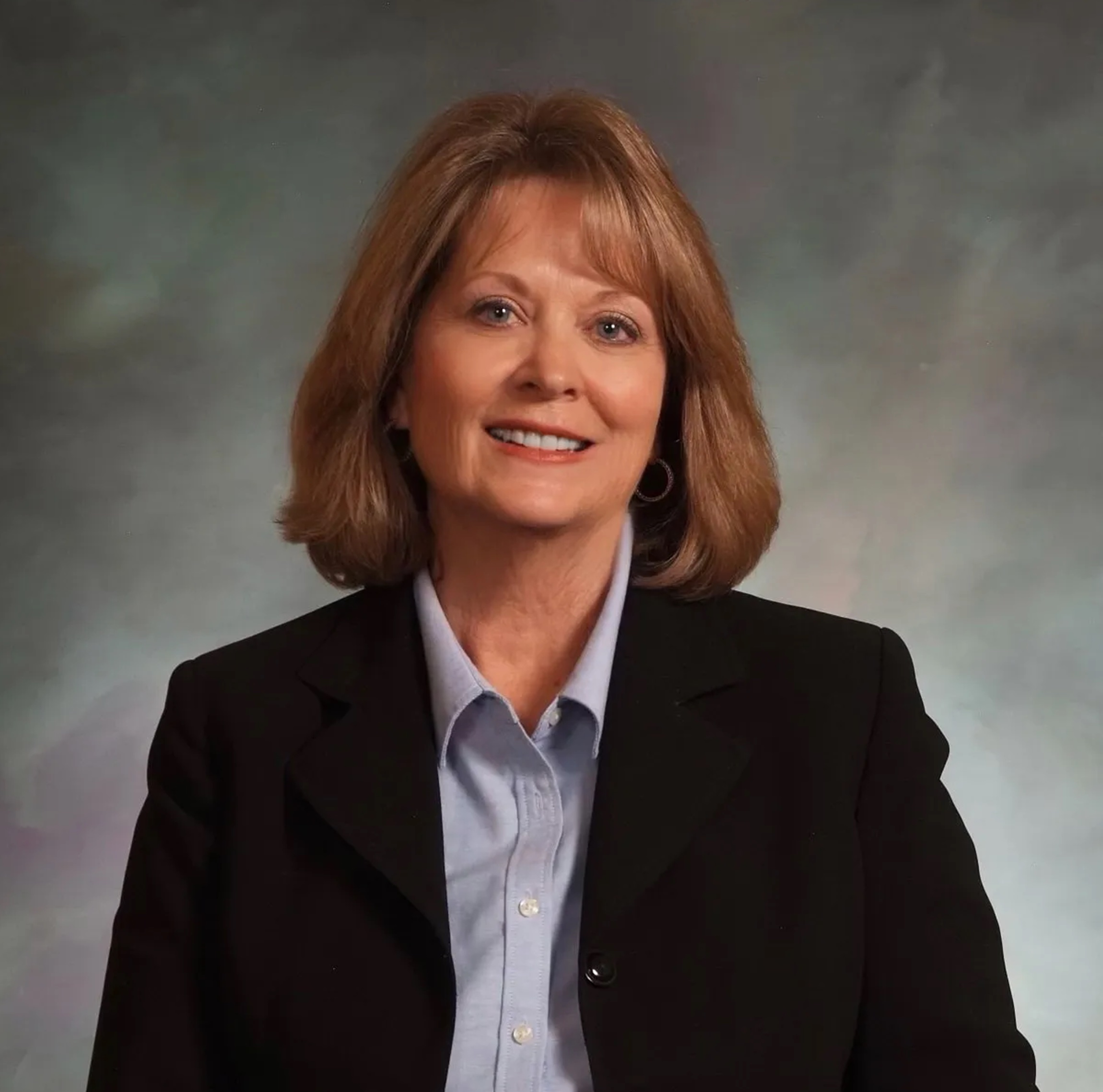
Slotted into those openings for 2023 were Sens. Jeff Bridges, D-Greenwood Village, and Barbara Kirkmeyer, R-Brighton.
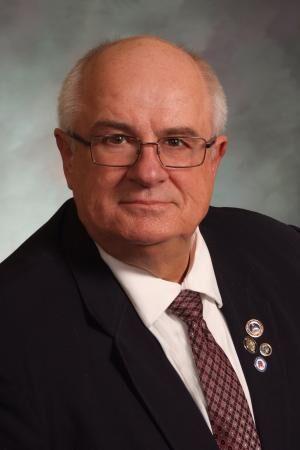
The House, meanwhile, had to replace all three of its members, sending Reps. Shannon Bird, D-Westminster, Emily Sirota, D-Denver, and Rod Bockenfeld, R-Watkins, to join the committee.
Zenzinger, a former teacher, became chair, a vindication of sorts for the tension she’s had with her caucus leadership, which replaced her with Hansen – and not at her request – several years ago. Zenzinger had returned to the committee just over a year ago, when Sen. Steve Fenberg became Senate President, and JBC member Sen. Dominick Moreno, D-Commerce City, became Fenberg’s lieutenant as majority leader.
Flavor of five
The backgrounds of the five brand-new committee members added a “flavor,” Zenzinger told Colorado Politics, which made the budget process work especially well.
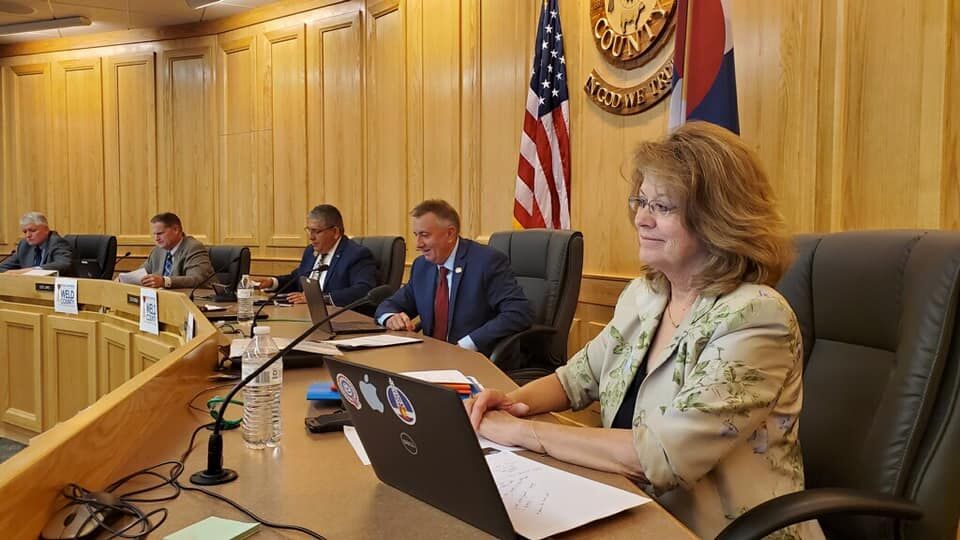
She pointed to the members’ experience: Bockenfeld and Kirkmeyer, both former county commissioners and both with backgrounds in budgets; Bird, whose background is in finance – “we’re just like different versions of each other,” Zenzinger said of Bird; Bridges, who she called a “big picture guy” and someone with a good relationship with the governor’s office; and, Sirota, who, Zenzinger said, is in tune with the progressive caucus and brought that diversity to the committee.
Zenzinger, the teacher
While none of the lawmakers were new to the legislature – Kirkmeyer is the newest of the six, first elected in 2020 – the process of reviewing programs and budget requests from 23 state agencies, including the governor’s office and legislative branch, can be daunting.
Former JBC member Rep. Brad Young, R-Lamar, once commented that learning the ropes of the budget process can take a couple of years. Bridges, in a Q&A with Colorado Politics in December, said it is among the biggest challenges he’d ever undertaken as a lawmaker.
Zenzinger became the committee’s teacher, a role that fellow committee members said she is ideally suited for and that made their learning curve just a little easier.
“I tried to take things from the perspective as a former educator,” Zenzinger said, adding the proper approach is to take things slow and make sure she prepared the other members for what was to come.
She even conducted “role playing” with them on the first day, in part because the JBC is not a normal committee and its processes aren’t the same, she said.
The first lesson dealt with how many questions they need to ask and maybe not being so accustomed to getting all of those questions answered.
Initially, the new members posed a lot of questions to the analysts, who, in turn, went to the departments for responses.
“They were surprised when the hearings came around that [the departments] answered all those questions,” Zenzinger said.
That led to some very long hearings.
At one point, Bridges asked why they were going through all these questions, and Zenzinger responded “because you asked.” They didn’t realize that, if someone asks for information from an analyst, the department will respond.
It’s the realization that what one says lands – and it matters.
After that, they stopped asking so many questions, she said, laughing.
It also meant a lot of one-on-one conversations, and for Zenzinger, that meant rethinking how she discussed their work.
“When you have to explain these things, it’s a different level of understanding,” she said.
“I wanted to make sure that they felt ownership,” Zenzinger said.
That also meant giving more time to members who needed more information before making decisions.
That led to far more agreement on decisions than in the past, particularly since Ransom, who served four years on the committee, was often the lone “no” vote and never sponsored the budget bill, nor voted for it.
As to her role as chair, Zenzinger said there’s an appeal to it, because “you’re the hero, you’re funding everything” and in charge of the legislature’s most powerful committee.
“But you can’t let it go to your head. You have to think about the budget integrity, and you have to think about the ripple effect. And sometimes you have to go outside of that year’s budget, and think about the future. And that’s hard to do.”
She added: “I’m proud of it, though, because it’s a solid budget where I really think that we focused on the needs and addressed the needs in a way that was prudent.”
She pointed out that even Sen. Jim Smallwood, R-Parker, voted for the budget this year.
Bird, the centrist
Despite the learning curve, which she called “tremendous,” Bird said joining the JBC was probably the best experience she’s had since coming to the legislature in 2019.
“You don’t have a true understanding of the scope of work for each agency and department until you read the briefing documents,” she said. “Each one could be a college class.”
She also lauded the JBC analysts, who walked them through each department.
“You cannot make thoughtful spending decisions if you don’t understand what the department does, what’s appropriate and what they actually need,” she said.
Five new members also meant they aren’t necessarily bound to the way things had been done in the past.
“We got to set our own norms,” Bird said, calling them positive steps.
Bird said she appreciated Zenzinger’s teaching style and willingness to take things at their own pace: “If somebody had an objection, it was coming from a place of goodwill. It was a legitimate objection or a legitimate request for more information. Nothing political or just partisan.”
Being on JBC was also a lot about relationships that felt much less partisan, she said.
“Everybody came without really having expectations so much about who each person was going to be or what the dynamic would be at the table,” she said. “There was a lot of goodwill from my colleagues and a willingness to just listen, ask good questions, and try to solve problems. Everyone came to the table with that mentality and I think that made it incredibly productive and great.”
Bridges, the big picture guy
Starting on the JBC was like starting grad school and a new job at the same time, Bridges said.
The days were intensely long, nonstop from as early as 7 a.m. to 7 p.m. or even later, with at least three hours of reading after that, a schedule that lasted for nearly five months.
Then there was what he called “JBC 101.”
“I had no idea what was happening, like the questions that we all asked in those first few weeks,” Bridges said, adding his “superpower” in grad school was asking the question that everyone wanted to ask but didn’t want to admit they didn’t know the answer to.
“I’m fine looking dumb,” he quipped.
That’s where having Zenzinger, the veteran, made the difference.
“We needed someone with the patience and the talent to explain at length all of the various different things that we didn’t understand, which were many,” he said.
He likened the budget process to a soup. What the JBC do is to decide which potatoes, carrots or croutons are added to the soup and how they affect the flavor, but the base is determined by previous chefs adding their ingredients.
“You can’t take anything out but you can add your own new ingredients,” he said.
Now that the budget process is completed, Bridges said he’ll spend the summer delving into cash funds, how they’re funded and how they’re spent.
“That kind of information lives only with a few people in the legislature and in state government,” he said.
Bockenfeld, the finance guy
Bockenfeld, whose background includes banking investigations and past service as an Arapahoe County commissioner, played a different role on JBC than his predecessor.
With his input, the committee ended up with a consensus budget, the first time that’s happened since 2018.
“I think we’ve built a pretty good team and a good balance of folks” on the JBC, he told Colorado Politics. “We came up with a product that I thought was fairly balanced that both houses could work with.”
His experience in finance and as a county commissioner meant his learning curve wasn’t that steep. Bockenfeld said he thought he had a good handle on how budgets work from his experience in Arapahoe County – on how TABOR interacts with county governments, for example.
But the JBC experience was all that on steroids, he said.
The fast pace was something else, with moving parts that meant a change in one area had ripple effects somewhere else.
“I felt like we were just plugging holes and nobody really had a feel for how this thing was going to roll out,” he said.
From a legislator’s standpoint, and as a first year member, Bockenfeld hoped the JBC staff had a handle on where the budget was heading because it went so fast.
That said, Bockenfeld added that the Long Bill – which contains the main spending provisions – is a product where “you’re not going to get everything in there you want.”
But members tried to get in the things most important to their caucuses.
A staunch defender of TABOR, Bockenfeld believes it has helped keep the reins on government and serves its purpose well. On the other hand, he said, “you can’t go in and start cutting government” because of the ratchet effect of TABOR.
That led him to spend time talking to his caucus to help them understand that nuance.
“Just live within the parameters” of TABOR, which, he said, helps restrain government.
“I think this year I’ve been able to get them to be a little more realistic of what to expect,” he said.
“Your job is to come up with the best product that you can come up with,” he added, acknowledging Republicans are still going to vote against the budget as something of a protest, which happened.
But in contrast to his predecessor, Bockenfeld said if he’s part of it, it’s his work product and he put together the best one possible under the circumstances. It’s a stand Bockenfeld took during the week of negotiations over reading the long bill at length, a parliamentary maneuver Republicans wanted to deploy as a means to delay or even halt legislation they opposed.
When asked in a caucus meeting if he would do that, Bockenfeld rejected the suggestion: “Are you kidding? It’s my work product!”
The entire process of the budget and the work of the JBC has been just fascinating, Bockenfeld added.
“It is really impactful work. It is interesting work. It’s a lot of work, but there’s always something new to learn and something new to consider, which keeps it interesting,” he said.
Kirkmeyer, the local
Kirkmeyer believes that, of the five new members, her learning curve was the shortest, given that she has 20 years experience in county budgets and six years of state experience as executive director of the Department of Local Affairs in the Owens administration.
She said she brought experience and a wealth of knowledge to the committee that “frankly, no one else had.” That helped her understand how all the pieces fit together once she got onto the JBC.
Kirkmeyer said the atmosphere among the committee members was collegial, respectful and professional, without people taking things personally.
“You could have those discussions even if maybe they might be a little tough,” or when people brought in their personal experiences, she said.
But, in the end, it’s not about “a whole bunch of political influences that come in. It’s really about doing what’s right for all the citizens of the state and looking at it from the broader perspective.”
And about the numbers.
“You have to make the numbers work,” she said.
Kirkmeyer recalled lots of times when they laughed and joked, and still got the work done.
“I honestly don’t recall one time where we were at odds. We might have been a little cranky because it was late at night, but nothing where people were having knock-down drag-out fights. That just didn’t happen,” she said.
That may have come from a common ground perspective about creating good government, she said, a frequent conversation among her, Bird and Zenzinger.
She also praised Zenzinger for her respectful approach. At the very beginning, Zenzinger asked everyone what was important to them and to identify their goals and priorities.
“It was refreshing. Your opinion mattered,” Kirkmeyer said.
Sirota, the progressive
The learning curve was steep for Sirota, the social worker and progressive voice on the committee.
What helped her, she said, is her natural curiosity: “You have to have a curiosity and an interest in learning about all these different departments and the work that they do, the policies that impact that work.”
Sirota said she found it all fascinating.
Both Sirota and Bridges noted that the budget is a moral document. Sirota said having the opportunity to weigh in on that, to dig deep and play a role in choosing how tax dollars are spent was part of the appeal for joining the committee.
Keeping an open line of communications back to her caucus to ensure she reflected their interests was also important, she said. That helped frame the questions she asked in committee.
She also advocated from a social worker’s perspective, particularly in areas that included human services and the new early childhood department. That meant ensuring the new department was set up correctly and properly funded.
“I think we have done a lot of really good work there,” she added.
The most difficult decision dealt with corrections, which occurred early on during the supplemental process, when the department asked for the ability to hire more employees and add more beds. That drew objections from progressive Democrats and concern from the JBC analysts about difficulty in getting accurate data.
Ultimately, the request got pared down several times to what Sirota called the bare minimum, which policymakers though would tie the department over until they got to the next year’s budget.
Sirota said that, going into the next cycle, she won’t be starting from scratch and will appreciate the context of this first year on the JBC.
“I’ve learned a lot,” she said. “I’ll be able to have context for the decisions that we made this year for requests or issues that come up next year.”
She said she’s also grateful for the JBC staff, whose wealth of expertise provides the kinds of robust analysis that helps them make decisions: “It’s just been a real pleasure to work with such an incredibly talented team.”
Despite taking a slightly slower pace to allow everyone to move at their own speed through the learning curve, the committee wrapped up its work on the budget three days ahead of its deadline.
marianne.goodland@coloradopolitics.com




marianne.goodland@coloradopolitics.com






Tapped: Douglas County looks to diversify water supply as population grows
Nicholas Fogleman
nicholas.fogleman@denvergazette.com
Updated 1 day ago
Tapped: The Denver metro region sits at the center of one of the American West’s most complex and consequential water challenges. This series examines the interconnected systems that determine how the region secures, stores, and conserves its water — while...

Tribes sue to halt exploratory drilling in Black Hills near sacred ceremonial site | OUT WEST ROUNDUP
Ernest Luning
ernest.luning@coloradopolitics.com
Updated 3 days ago
SOUTH DAKOTA Tribes sue to halt drilling SIOUX FALLS — Nine Native American tribes in South Dakota, North Dakota and Nebraska are suing the federal government in a bid to stop exploratory drilling for graphite near a sacred site in...

Tapped: Is water a problem for data centers in Colorado?
Deborah Grigsby
deborah.smith@denvergazette.com
Updated 14 hours ago
Editor‘s Note: The Denver metro region sits at the center of one of the American West’s most complex and consequential water challenges. This series examines the interconnected systems that determine how the region secures, stores, and conserves its water while...
TAPPED: Front Range residents face higher water rates, restrictions as rapid snowmelt threatens supplies
Kyla Pearce
kyla.pearce@gazette.com
Updated 15 hours ago
Tapped: The Denver metro region sits at the center of one of the American West’s most complex and consequential water challenges. This series examines the interconnected systems that determine how the region secures, stores, and conserves its water while navigating...
TAPPED: Front Range residents face higher water rates, restrictions as rapid snowmelt threatens supplies
Kyla Pearce
kyla.pearce@gazette.com
Updated 15 hours ago
Tapped: The Denver metro region sits at the center of one of the American West’s most complex and consequential water challenges. This series examines the interconnected systems that determine how the region secures, stores, and conserves its water while navigating...

TAPPED: Aurora cracks down on water use as reservoirs fall, runoff shrinks
Kyla Pearce
kyla.pearce@gazette.com
Updated 5 hours ago
Editor’s note: The Denver metro region sits at the center of one of the American West’s most complex and consequential water challenges. This series examines the interconnected systems that determine how the region secures, stores, and conserves its water while...
Tapped: Colorado River overallocation collides with record drought conditions
Nico Brambila
nico.brambila@denvergazette.com
Updated 1 day ago
Editor’s Note: The Denver metro region sits at the center of one of the American West’s most complex and consequential water challenges. This series examines the interconnected systems that determine how the region secures, stores and conserves its water while...
TAPPED: Front Range residents face higher water rates, restrictions as rapid snowmelt threatens supplies
Kyla Pearce
kyla.pearce@gazette.com
Updated 15 hours ago
Tapped: The Denver metro region sits at the center of one of the American West’s most complex and consequential water challenges. This series examines the interconnected systems that determine how the region secures, stores, and conserves its water while navigating...

Tapped: Denver residents face hotter, costlier summer under new drought rules
Deborah Grigsby
deborah.smith@denvergazette.com
Updated 5 hours ago
Editor’s note: The Denver metro region sits at the center of one of the American West’s most complex and consequential water challenges. This series examines the interconnected systems that determine how the region secures, stores, and conserves its water while...

Tapped: Golden tightens water rules as Clear Creek snowpack falters
The Denver Gazette
the-denver-gazette@coloradopolitics.com
Updated 5 hours ago
Editor’s Note: The Denver metro region sits at the center of one of the American West’s most complex and consequential water challenges. This series examines the interconnected systems that determine how the region secures, stores, and conserves its water while...
PREV
PREVIOUS

Senate committee passes judicial reform measures with key changes
A state Senate committee in a red-eye midnight meeting Wednesday approved a trio of measures designed to overhaul Colorado’s method of disciplining judges, the latest move in a legislative process that ultimately would land before voters in 2024. The three measures – House Concurrent Resolution 23-1001, House Bill 23-1019 and House Bill 23-1205 – passed […]

Federal judge moves forward on union's claim that King Soopers is violating agreement
A federal judge on Wednesday determined he could legally consider the request of a grocery workers’ union to block King Soopers from using non-union personnel to tend to garden displays, a move the United Food and Commercial Workers alleges is in violation of their labor contract. UFCW’s Local 7 represents retail and meat department workers […]