

State solution to wild horse issue wins Senate committee approval

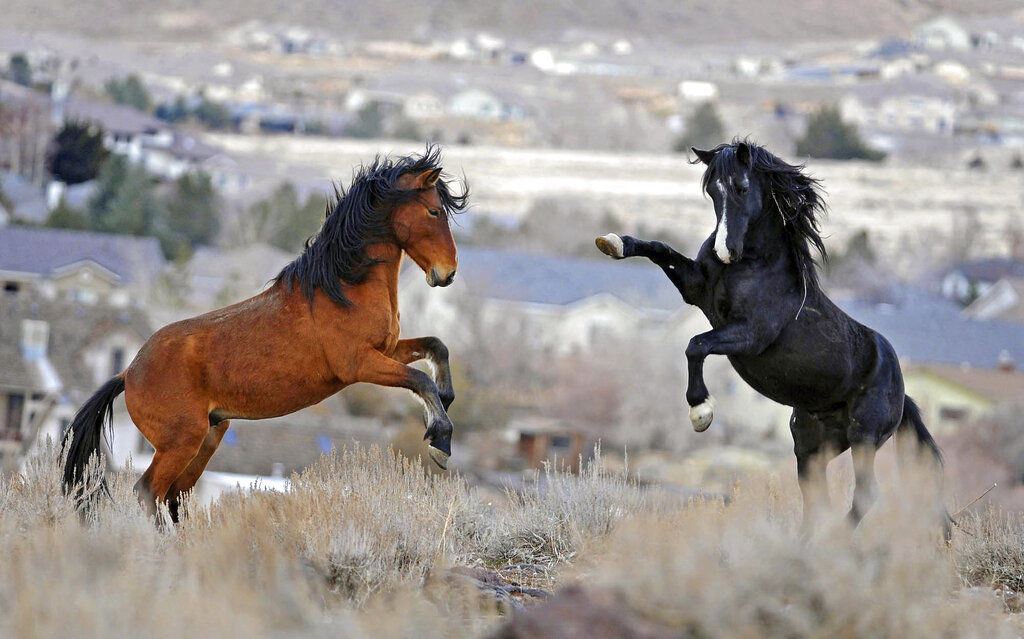
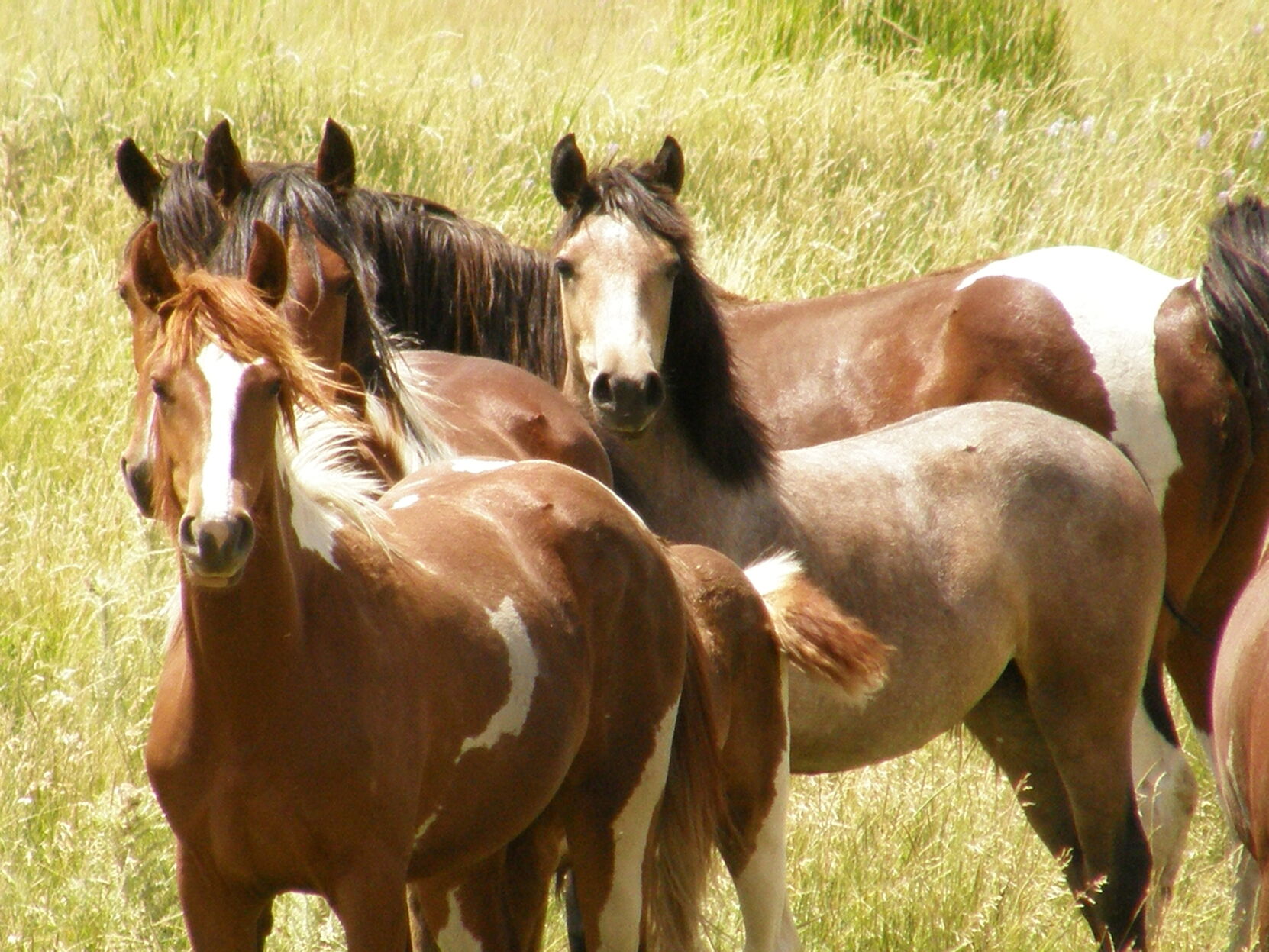
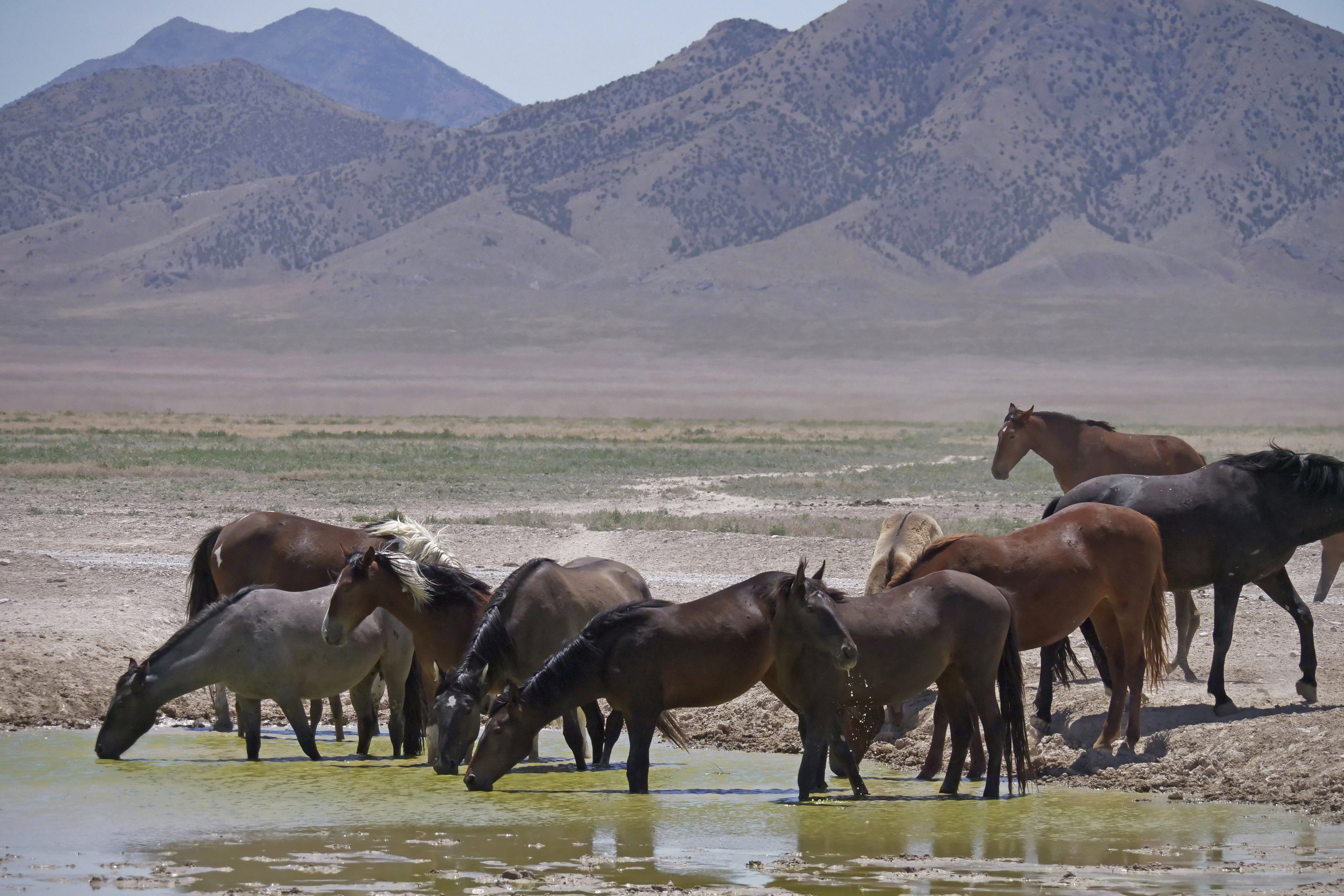
Advocates for the 1,400 wild horses on federal public lands in Colorado are hopeful a bill approved by the Senate Agriculture and Natural Resources Committee will provide an alternative to the roundups that have taken place over the last several years.
Senate Bill 275, which would establish the Colorado Wild Horse Project, won a 5-1 vote from the Senate Agriculture and Natural Resources Committee Thursday. But its ongoing cost may bump up against what’s available for legislation still in the works in the 2023 session.
The bill would create several programs under the control of the Department of Agriculture, including efforts focusing on management, stewardship, and fertility control.
An additional working group convened under the bill is intended to come up with long-term off-range and on-range solutions, although under a short timeline sunsetting in July 2025.
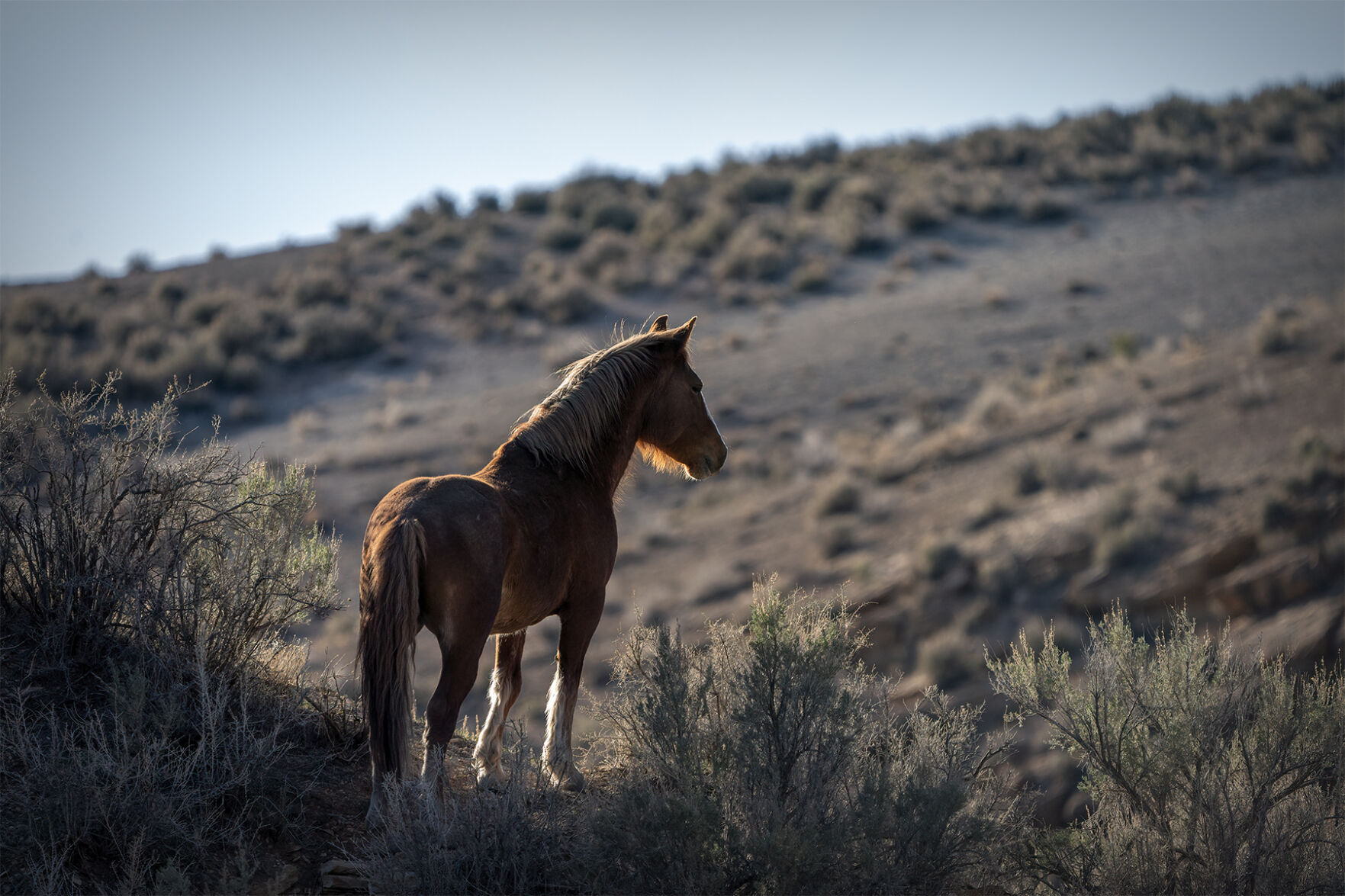
The stewardship program would be set up to support the management of wild horse herds and rangeland, including in federal “Herd Management Areas” known as HMAs, that are overseen by the Bureau of Land Management. There are four in Colorado, including three in the northwestern part of the state.
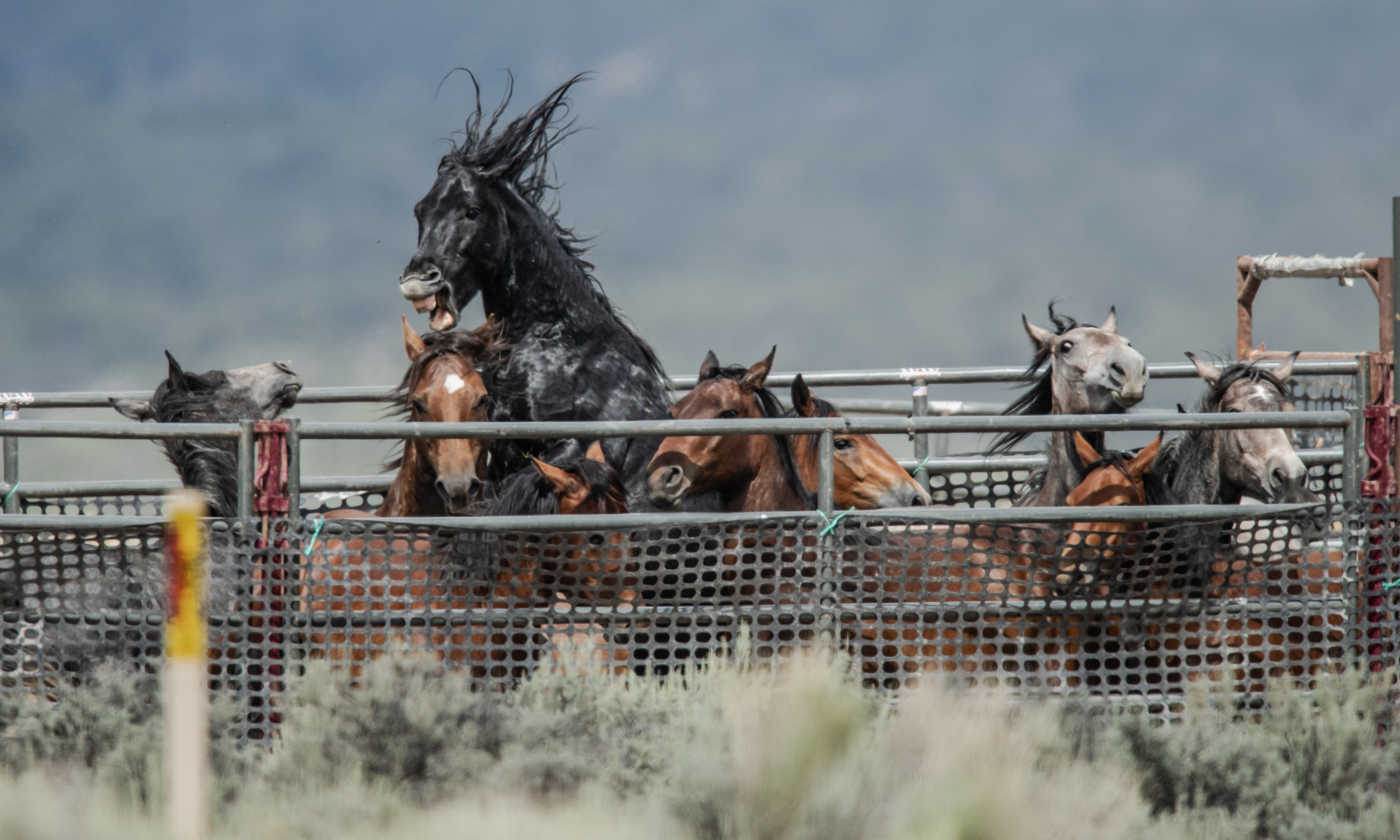
That’s where wild horse roundups have been conducted, and where wild horse advocates have complained the federal agency has used contractors who the advocates say panic the horses with helicopters.
The fertility program would manage the herds through “humane, nonlethal and safe fertility control methods,” and would ban the use of lethal population management or surgical sterilization.
Instead, the most popular birth control is the use of a contraceptive known as PZP, or Porcine Zona Pellucida. According to the American Wild Horse Campaign, PZP is a fertility vaccine, administered by a dart injection. It has been used successfully to manage the Spring Creek herd in southwestern Colorado near Dove Creek, the campaign says.
But BLM notes the vaccine is only good for about a year or two and then requires boosters, and is effective mostly in small herds. The agency indicated for larger herds, the horses must be rounded up in order to be treated.
That became a point of contention during the April 20 hearing for both proponents and opponents of SB 275.
Sponsor Sen. Joann Ginal, D-Fort Collins, said the intent of the legislation is to collaborate on darting programs with BLM, as well as fencing, maintenance, restoration of forage and water supply efforts.
While SB 275 provides for an initial state startup of $1.5 million in general fund spending, the intention is that it be self-sustaining through federal contracts, gifts, grants and donations.
Sponsor Sen. Perry Will, R-New Castle, explained the approach is collaborative and bipartisan, and will serve the diverse interests of livestock owners, wildlife, wild horses and range health. He said they found common ground among all those groups to keep the herds at a sustainable level, as well as agreeing to solutions to improve the health of the land.
Nothing changes as far as federal control and authority, Will told the committee.
Scott Wilson, an award-winning wildlife photographer who is head of strategy for the American Wild Horse Campaign, told the committee fertility control is the “next best solution,” with the PZP vaccine the safe and humane option.
Those fertility programs are already in place in the HMAs, thanks to the work of volunteer groups, Wilson said. But he added: “Resource challenges, as well as larger ranges, means darting teams are unable to consistently deliver the 70 to 80% coverage at which fertility control is demonstrably effective.”
Only about 1% of the BLM wild horse budget is directed to fertility control, Wilson said. Combined with the other programs in the bill, he said this is Colorado’s opportunity “to signal a new standard for wild horse conservation.”
The claim that fertility control doesn’t work in larger herds or on larger ranges, or that the startup money wouldn’t be enough, was disputed by Tracy Wilson, the state director for the American Wild Horse Campaign in Nevada. Wilson said she oversees the world’s largest wild horse fertility control program on a 300,000-acre range in Nevada. Between 2020 and 2022, they saw a 61% drop in birth in darted areas, and a 20% reduction in the herd without removals. Her program has 38 volunteers, is under Nevada’s Department of Agriculture and is entirely funded through private grants and donations.
Adoption is not the best solution for these horses, according to Tessa Archibald, who manages a coalition of hundreds of equine rescues and sanctuaries across the country. She said the number of horses removed from the range exceeds the adoption demand.
“Ultimately, we need a management approach focused on sensible, on-range solutions, such as investing in fertility control to reduce the number of horses born and successful adoptions where necessary, rather than an approach of endless roundups and shifting horses off the range,” Archibald said.
Rick Karcich of Centennial, testifying against the bill, told the committee the problem is not the horses. It’s overgrazing by livestock, citing data from BLM that showed 150 cattle had destroyed 78,000 acres in the Sand Wash HMA.
This bill would bring control of the situation under the wing of Colorado administrators who propose employing the same failed management techniques used by the BLM, Karcich said.
The Colorado Department of Agriculture in testimony cited a lack of volunteers. Jordan Beezley, the department’s lobbyist, told the committee: “At the heart of this issue is a lack of sustainable volunteer recruitment and enough human capital to effectively deploy fertility control and range management tactics.”
He indicated it’s a problem that can be easily solved with a sustained and reliable volunteer or paid labor base, one that SB275 can address.
Jennifer O’Hearon, a county commissioner with Rio Blanco County, suggested the money instead should just go to BLM for fertility control, and that a better working relationship between the state and BLM should be part of the solution.
The BLM also addressed the committee through Doug Vilsack, the state director for BLM. Vilsack is the son of federal Ag Commissioner Tom Vilsack, and until recently the assistant director for parks, wildlife and lands at the state Department of Natural Resources.
Despite his close ties to the state, Vilsack didn’t give an indication of what the federal agency thought of the bill.
He said the agency manages 400,000 acres of public lands in Colorado for the just under 1,400 wild horses, although the appropriate management level is about 800. He did not indicate whether BLM supports the legislation, although he acknowledged that most of the funding for the program goes to taking care of horses removed from the range rather than on fertility treatments.
The bill now heads to the Senate Appropriations Committee. But with just two weeks to go in the 2023 session, and general fund dollars dwindling for new programs, its $1.5 million general fund cost may prove prohibitive.


Tunnel to Towers brings 9/11 steel to Denver
Nicholas Fogleman
nicholas.fogleman@denvergazette.com
Updated 1 hour ago
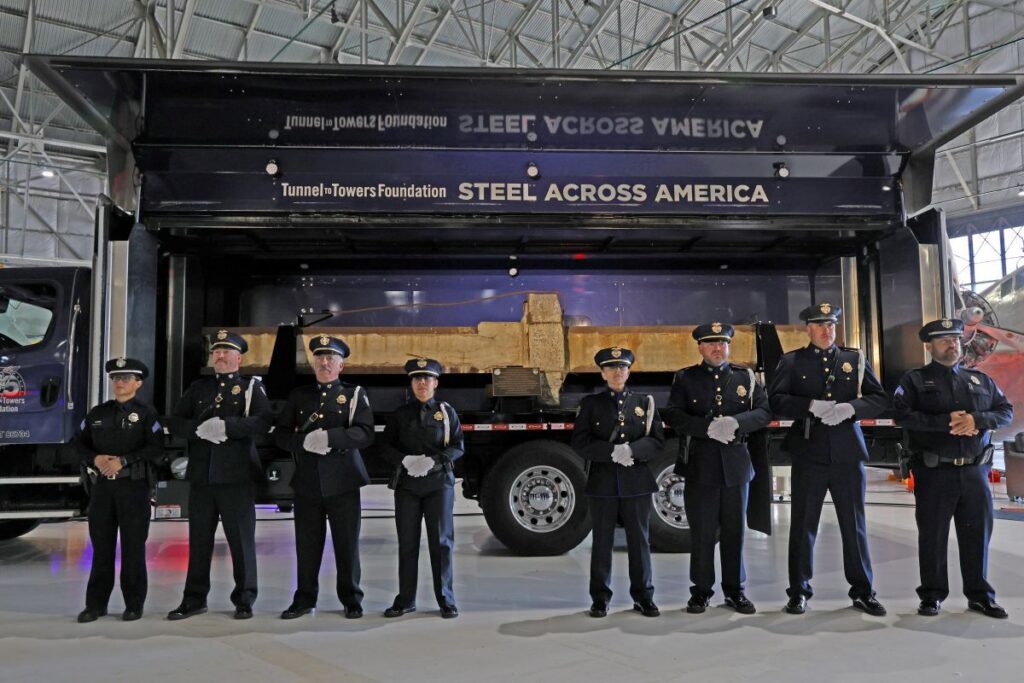
A nationwide tour commemorating the 25th anniversary of 9/11 brought a piece of the World Trade Center to Denver on Saturday as the Tunnel to Towers Foundation hosted a ceremony at the Wings Over the Rockies Air & Space Museum....
Top officials in Arizona’s Maricopa County agree on how to oversee elections | OUT WEST ROUNDUP
The Associated Press
the-associated-press@coloradopolitics.com
Updated 5 days ago
ARIZONA Officials agree on election oversight PHOENIX — Election officials in Arizona’s most populous county reached an agreement a week before the state’s July 21 primary on how to jointly oversee the vote, ending a prolonged legal battle. Republican Maricopa...
First Air Force Academy class of just 306 cadets started out in WWII barracks, faced high standards
Mary Shinn
mary-shinn@coloradopolitics.com
Updated 1 hour ago
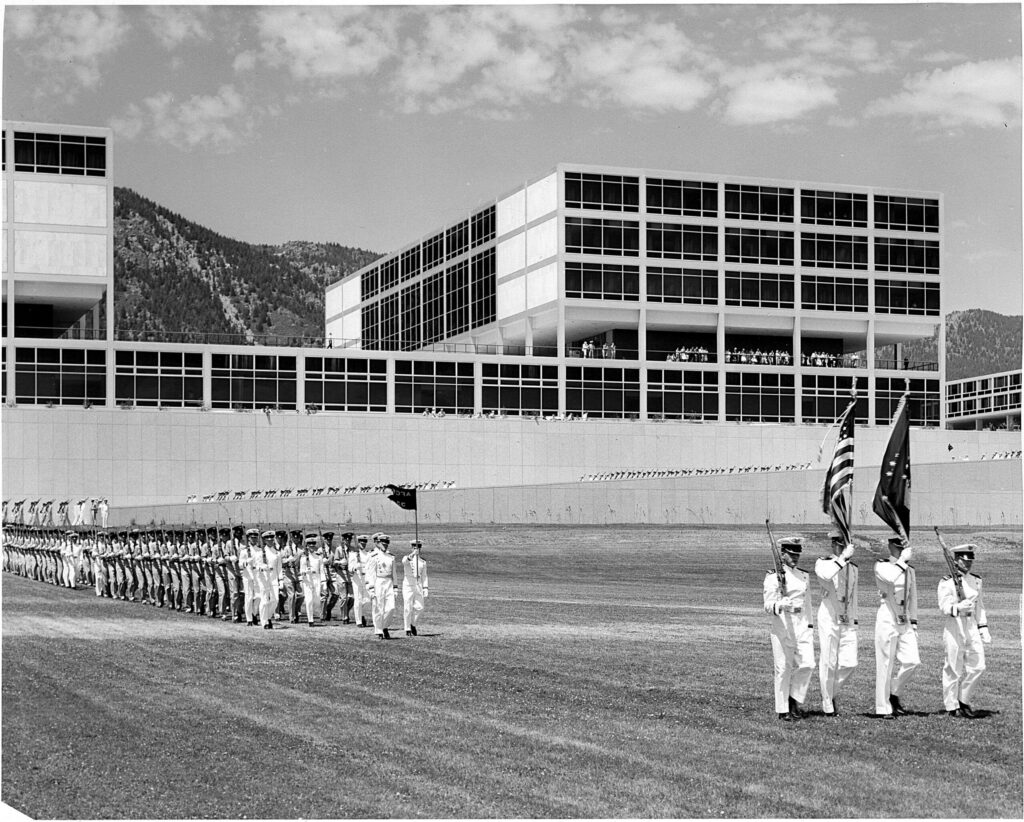
When the first class of the Air Force Academy arrived at Lowry Air Force in Denver, they were welcomed with an air show featuring bombers and fighter jets. “Most of us were overwhelmed,” recalled retired Col. Max Miller, the president...

Colorado Politics Calendar Aug. 3-9
Rachael Wright, Special to Colorado Politics
rachael.wright@coloradopolitics.com
Updated 5 days ago
CoPo’s weekly political calendar will help you find political and public-policy events throughout Colorado. It includes candidate and issue campaign events, public policy meetings, court hearings, state and local party conventions, assemblies, debates, rallies, parades, speaking engagements, traveling dignitary appearances,...
The primary political reform and precondition for all others | SONDERMANN
Eric Sondermann
eric-sondermann@coloradopolitics.com
Updated 5 days ago
In its current state, the American political system has no end of ailments. Far too many factors accelerate polarization and work against moderation and narrowing the differences. Media, and the way so many citizens limit themselves to agreeable, reinforcing sources,...
Susemihl wins surprise victory to replace Steve Durham as Colorado Springs state senator | A LOOK BACK
Rachael Wright, Special to Colorado Politics
rachael.wright@coloradopolitics.com
Updated 5 days ago
Forty-five years ago this week: In a closed session, the vacancy committee for Colorado’s Senate District 12 selected attorney Peter Susemihl to complete Sen. Steve Durham’s, R-Colorado Springs, term. Durham resigned his seat to become Region 8 Director of the...
Judge denies Calderon injunction case against Denver, Johnston
Deborah Grigsby
deborah.smith@denvergazette.com
Updated 1 hour ago
A U.S. District Court judge has denied a preliminary injunction in the case of Jessica Calderon, the Denver city employee who won a temporary restraining order preventing the City and County of Denver from terminating her amid the 2025 citywide...
10th Circuit partially revives lawsuit over 2020 Denver protest injuries
Michael Karlik
michael.karlik@coloradopolitics.com
Updated 20 hours ago
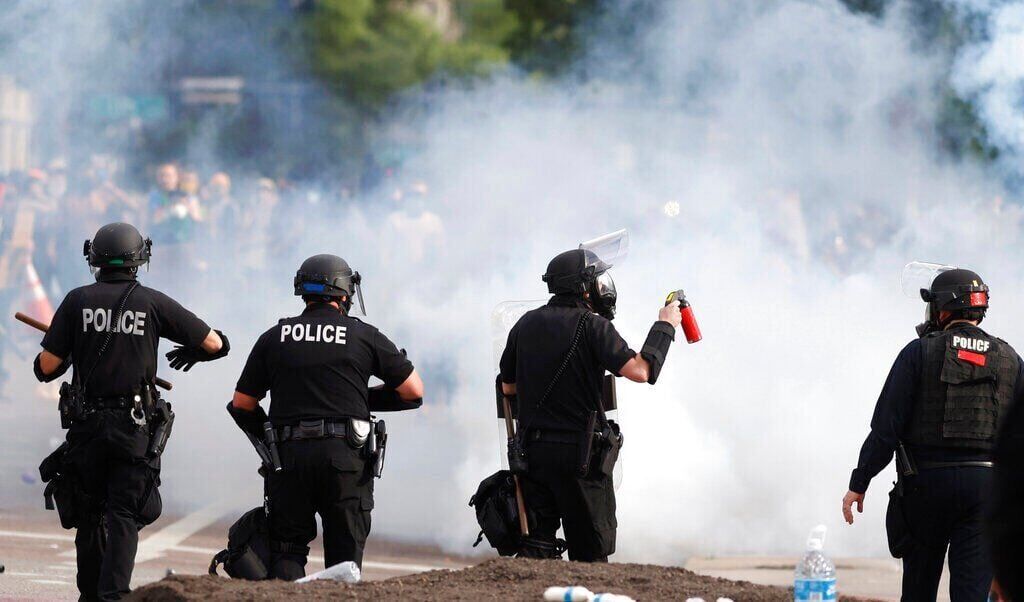
The Colorado-based federal appeals court revived a man’s claims against Denver on Friday after concluding a trial judge resolved the case in the city’s favor without analyzing two of the three instances of alleged excessive force and other constitutional violations....

At conservative summit, Colorado Republican leaders concede Democrats’ election edge
Marissa Ventrelli
marissa.ventrelli@coloradopolitics.com
Updated 2 days ago
Four Republican state lawmakers told attendees at a gathering of conservative leaders on Friday they doubt their party can win statewide races, noting that Colorado’s electorate has been shifting toward Democrats but adding they see an opening in several pockets....
Federal judges find Colorado immigration judge violated several orders
Michael Karlik
michael.karlik@coloradopolitics.com
Updated 2 days ago
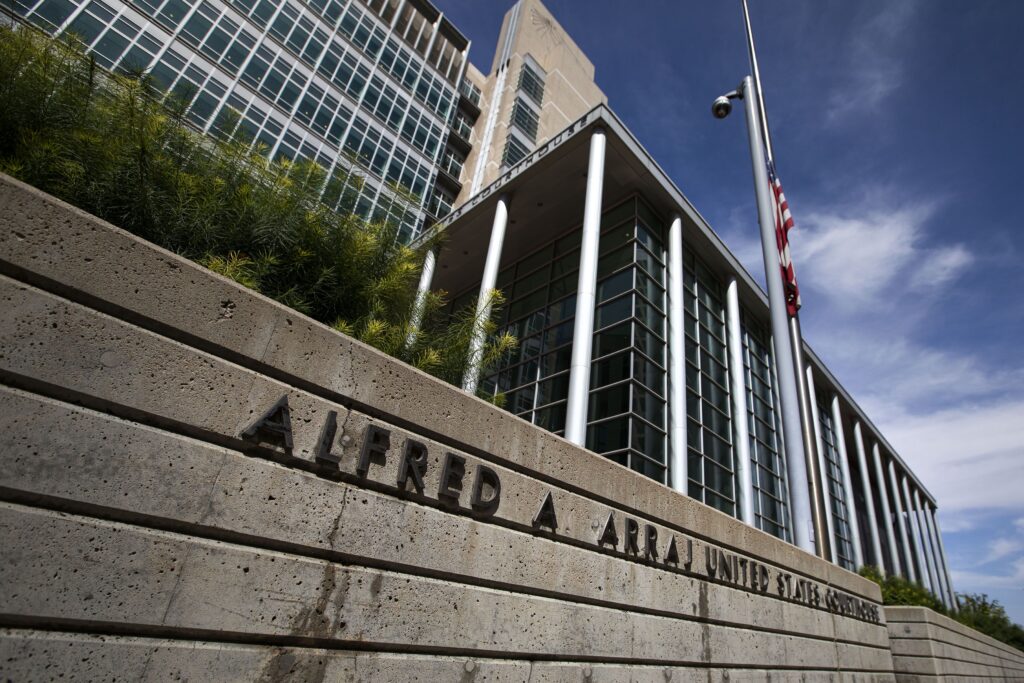
Multiple federal judges in Colorado have freed people from immigration custody after determining that one immigration judge violated their directives for properly conducting bond hearings. For nearly a year, Colorado’s U.S. District Court has faced a flood of habeas corpus petitions...
PREV
PREVIOUS
Federal judge forges ahead in hearing challenge to new Colorado abortion law
Even though Colorado’s attorney general and multiple regulatory boards have promised they will not immediately enforce a new state law against “abortion-reversal” medication, a federal judge will still hold a hearing Monday morning on whether to extend his own narrow injunction against the law. Last Saturday, U.S. District Court Judge Daniel D. Domenico turned down […]

SCOTUS hears Colorado stalking case, state abortion law partly on hold | COURT CRAWL
Welcome to Court Crawl, Colorado Politics’ roundup of news from the third branch of government. A criminal case from Colorado reached the nation’s highest court last week, and the U.S. Supreme Court’s directive that abortion policy be returned to elected leaders ran into a minor roadblock in the Centennial State. SCOTUS mulls whether society is […]