

Pesticides poised to stay under state control, roiling Colorado environmentalists
The fight over state regulation of pesticides took center stage Wednesday in the state Senate Agriculture and Natural Resources Committee.
The committee unanimously approved Senate Bill 192, which would extend the state’s pesticide applicators act for another 11 years, based on recommendations from the Office of Policy, Research and Regulatory Reform at the Department of Regulatory Agencies.
But the review didn’t recommend lifting state preemption, which would allow local governments to enact their own regulations around pesticides instead of relying on the current statewide standard. SB 192 also does not change the preemption issue.
Gov. Jared Polis is believed to favor lifting state preemption, and a representative of the state Department of Agriculture, which manages the regulations of pesticide applications, declined to articulate the department’s position on the issue Wednesday.
Current laws maintain a statewide standard of regulation for pesticides. That was affirmed in 2019, when the General Assembly set a statewide standard for dealing with bedbugs, a longstanding problem for apartment-dwellers and landlords.
At the federal level, the Federal Insecticide Fungicide and Rodenticide Act provides the U.S. Environmental Protection Agency with the authority to regulate the sale and use of pesticides, and then designates this authority exclusively to the states, although a 1991 U.S. Supreme Court ruling said the federal law does not preclude local government regulations.
Forty-four states have a state standard for pesticides, although Utah allows for local control of pesticides, as does Nevada, Maine and Maryland. Another half-dozen states allow for petitions for local control.
The argument for local control of pesticides is based on concerns around public health, the environment, and even cultural issues. Those who advocate for more control over pesticides cite the declining population of bees, with pesticides as one of the culprits, along with pests and disease.
The bill’s sponsors are Sen. Dylan Roberts, D-Avon, who chairs the ag committee and wants to keep preemption in place, and Sen. Kevin Priola, D-Henderson, who favors lifting preemption. That conflict between the sponsors didn’t play out in Wednesday’s hearing but could surface when the bill comes up in the Senate.
Roberts offered a series of amendments in an attempt to compromise on the notification issue. The sunset recommended notifying people on the state’s Pesticide Sensitive Registry prior to pesticide applications near their workplace or if students, at their schools. The review also recommended notifying people on the registry for applications within 250 feet of their property line.
Those recommendations did not make it into SB 192. The committee adopted those amendments unanimously.
Wednesday’s committee hearing drew environmentalists and other individuals who want to see local governments take over the regulation of pesticides, versus farmers, ranchers, pesticide applicator companies and their advocates who warned that state preemption would threaten their livelihoods and create a confusing patchwork of regulations.
Erin Meschke of Boulder said she would prefer to see pesticides and herbicides banned in their entirety. “In my view, a poison is a poison; even if applicators are properly trained and chemicals are placed in accordance with directions, nearly all pesticides are toxic,” she said.
A representative of the city of Boulder asked the committee to amend the bill to repeal the state preemption. Rella Abernathy, who manages the city’s pesticide policy, has a background in developing alternatives to pesticides. “The scientific evidence is undeniable that pesticide and pesticide intensive land management practices are major drivers that are contributing to the rapid decline of insects and birds, as well as destabilizing ecosystems,” Abernathy said, and the continued uses of pesticides undermines economies that rely on ecosystem services.
Treading the middle ground: Department of Agriculture Plants Division Director Wondirad Gebru, who said the department supports SB 192, which maintains statewide regulation.
But his answer appeared to change after being asked about preemption, a question from Sen. Rod Pelton, R-Cheyenne Wells. “Does the department support uniform statewide control?” he asked. Gebru responded that the department does not have a position on that issue.
Those who defended the use of pesticides advocated for keeping state control, which they said is best equipped to monitor and maintain regulations in accordance with peer-reviewed science.
Tyler Garrett of the Rocky Mountain Farmers Union pointed out that farmers and ranchers understand the importance of using pesticide applications in a safe and thoughtful manner. They also rely on pollinators, like bees, and conscious of pesticides’ impact on bees, Garrett said. Renewal of the act is “imperative to the continued regulatory efforts to manage pesticide use that adheres to peer-reviewed science,” he said.
Then there’s the issue of each county having a different set of regulations. Garrett pointed out that some farms cross county lines, and it would be difficult to figure out what they could use on one side of the county line versus different requirements from the next county over.
It’s vitally important to continue the applicators act, Roberts said as the committee hearing wrapped up, but acknowledged conversations around preemption are likely to continue.
SB 192 now heads to the Senate Appropriations Committee, based on a small cost of $31,200 to the state.


5 takeaways from Colorado’s shocker of a 2026 primary election
Ernest Luning
ernest.luning@coloradopolitics.com
Updated 2 hours ago
Voters in Colorado’s Democratic primary on Tuesday night mostly let their elected officials know that they’re fed up with the party’s Washington politicians and ready to back the most aggressive fighters they can find. At the same time, the voters...
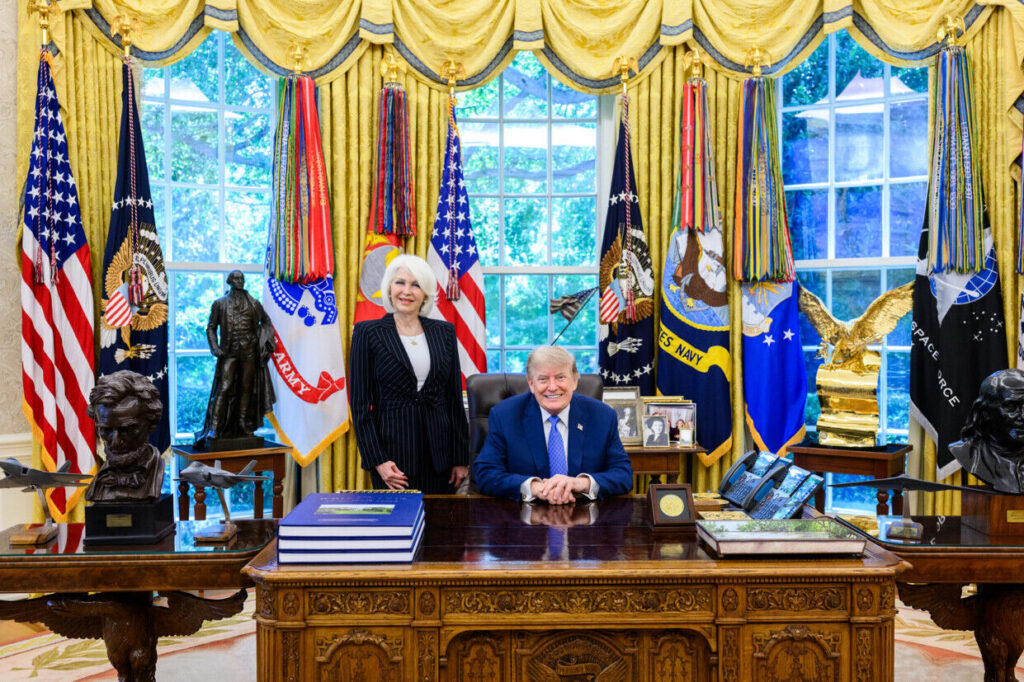
Tina Peters visits President Donald Trump in the White House
Thelma Grimes
thelma.grimes@coloradopolitics.com
Updated 2 hours ago
Since her release from prison, Tina Peters has reemerged on the political circuit — appearing over the weekend at the GOP Freedom Fest in Castle Rock and then visiting the White House on Monday to meet with President Donald Trump....

Melat Kiros shocks 15-term incumbent Diana DeGette, winning Colorado’s 1st CD Democratic primary
Ernest Luning
ernest.luning@coloradopolitics.com
Updated 1 hour ago
In the equivalent of a political earthquake, 29-year-old Democratic socialist Melat Kiros defeated 15-term U.S. Rep. Diana DeGette in Colorado’s Denver-based 1st Congressional District primary, according to unofficial election results Tuesday night. The Associated Press called the race at 10:03...

Dwayne Romero wins Democratic primary, will face Republican Jeff Hurd in Colorado’s 3rd CD
Ernest Luning
ernest.luning@coloradopolitics.com
Updated 4 hours ago
Democrat Dwayne Romero has defeated challenger Alex Kelloff in the primary in Colorado’s 3rd Congressional District, where Republican U.S. Rep. Jeff Hurd fended off a challenge from a former state lawmaker, according to The Associated Press. In returns posted at...

Democrat Jessica Killin claims victory in Colorado’s 5th Congressional District primary
Ernest Luning
ernest.luning@coloradopolitics.com
Updated 4 hours ago
Jessica Killin walked out to the song American Girl in a bright red dress to claim victory in the democratic primary race for Congressional District 5 at a hotel in downtown Colorado Springs on Election Day. She beat her fellow...
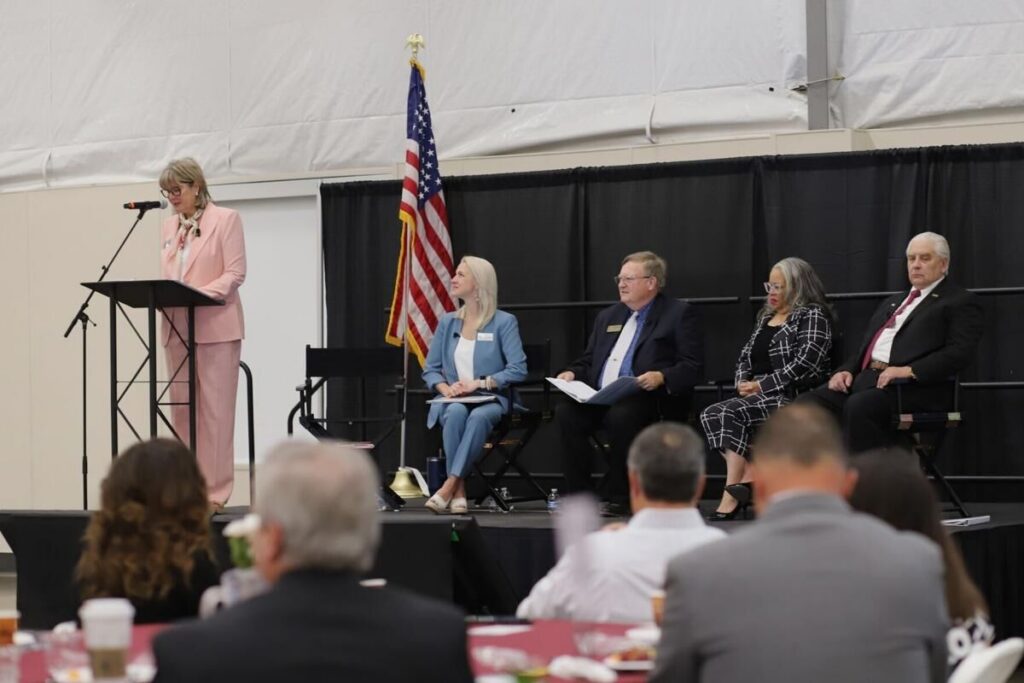
Incumbents lead in Arapahoe County commissioner race
Kyla Pearce
kyla.pearce@gazette.com
Updated 4 hours ago
Both incumbents on the Arapahoe County Board of Commissioners appear to be winning the Democratic primary election, according to the early and unofficial tally on Tuesday night. In District 2, incumbent Jessica Campbell is leading Angela Garland by 34 points,...
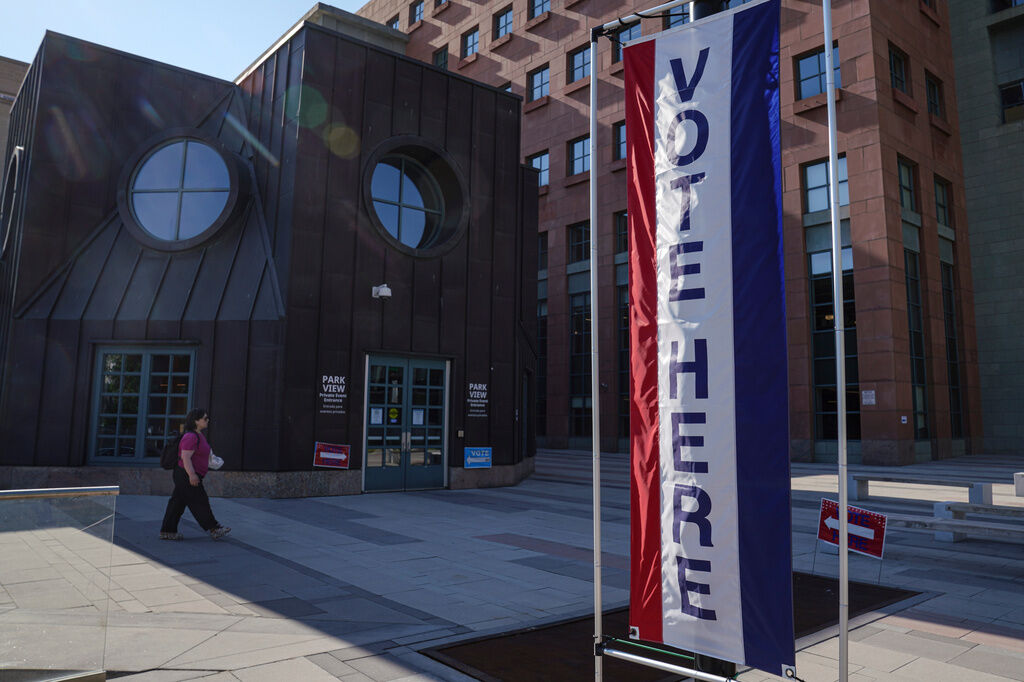
Colorado voters pick state Senate primary winners
Marissa Ventrelli
marissa.ventrelli@coloradopolitics.com
Updated 4 hours ago
Colorado voters on Tuesday night picked winners in the Republican and Democratic primaries in an election that will shape the contests in the general election later this year. The eventual winners will join the Colorado General Assembly in January 2026....
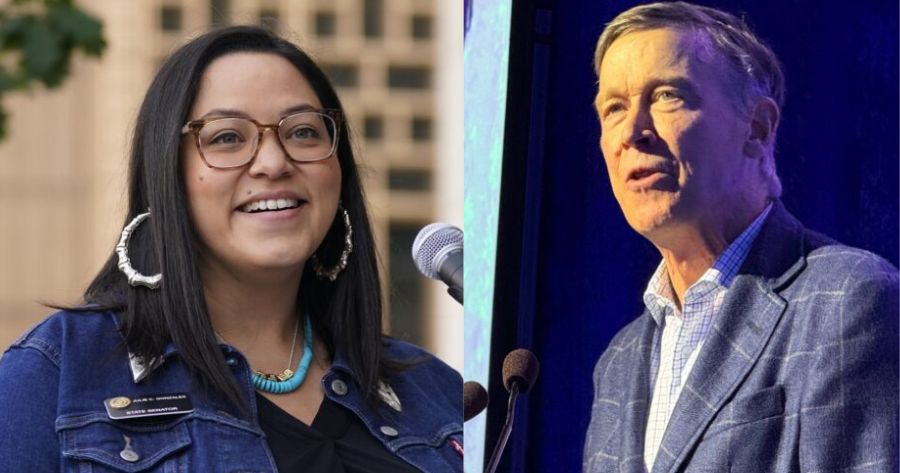
John Hickenlooper fends off challenge from Julie Gonzales in Colorado’s Democratic U.S. Senate primary
Ernest Luning
ernest.luning@coloradopolitics.com
Updated 4 hours ago
U.S. Sen. John Hickenlooper defeated progressive challenger state Sen. Julie Gonzales Tuesday in Colorado’s Democratic U.S. Senate primary, notching a win for one of the state’s most enduring politicians on a night when voters appeared to be fed up with...

Allen wins Republican primary for attorney general
Marissa Ventrelli
marissa.ventrelli@coloradopolitics.com
Updated 5 hours ago
Michael Allen has defeated David Willson in the Republican primary for attorney general, according to The Associated Press. Allen received just over 60% of the vote, according to the secretary of state’s website. Allen will face Democrat Jena Griswold in...

Manny Rutinel defeats Shannon Bird in Colorado’s 8th CD Democratic primary, will face Gabe Evans
Ernest Luning
ernest.luning@coloradopolitics.com
Updated 4 hours ago
State Rep. Manny Rutinel ran away with the Democratic nomination in Colorado’s most competitive congressional district on Tuesday, defeating former state Rep. Shannon Bird in the primary in Colorado’s 8th CD, where he will face Republican U.S. Rep. Gabe Evans...
PREV
PREVIOUS

Mike Johnston, Kelly Brough lead field of Denver mayoral candidates, prepare for runoff
For the first time in a dozen years, Denver residents can count on a new boss at city hall after this spring’s election. Early, unofficial returns posted Tuesday night after polls closed showed former state Sen. Mike Johnston and former Denver Metro Chamber of Commerce CEO Kelly Brough leading the field of 16 candidates vying […]

Takeaways from Denver's mayor race
Perhaps the most surprising thing about last night’s race for mayor in Denver is there were few surprises. Mike Johnston and Kelly Brough jumped out to early leads and appear to have secured the top spots, heading into a June runoff, just as pundits and observers anticipated. Here are some takeaways. In this Colorado Conversations […]