

Justices come back to town, guidance for virtual proceedings up for comment | COURT CRAWL

Welcome to Court Crawl, Colorado Politics’ roundup of news from the third branch of government.
This week the members of the Colorado Supreme Court are back for a light schedule of oral arguments, plus the public has just over a week to comment on proposed guidance for remote and livestreamed court proceedings that became widespread during the early pandemic and are still going strong in places.
Oral argument calendar
? The state Supreme Court has just two cases on its schedule for Tuesday:
Colorado v. Center for Excellence in Higher Education, Inc. et al.: The question is whether there needs to be a redo of a four-week trial against a scam technical school that provided little to no value to many of its students for years. The Court of Appeals decided to wipe out the $3 million penalty against the school based on a legal error.
U.S. Bank National Association v. Silvernagel et al.: This case asks whether homeowners who go through bankruptcy are essentially immune from foreclosure if the bank doesn’t act within six years. Legally, there’s another intriguing question: When the Court of Appeals answered “yes,” did it rely on a botched understanding of the law generated by judges in a different state?
? There was a third case listed for this week, People in the Interest of Jay.J.L., which implicated the duty of Colorado counties to investigate whether a child in a custody case may be eligible for tribal membership and is, therefore, protected as an “Indian child” under longstanding federal law. The justices recently dismissed the case as moot after learning Denver had investigated while the appeal was pending and determined the children involved weren’t American Indian after all.
Other Supreme Court business
? In an unusual move, the Supreme Court has opened up a pair of chief justice directives – policies that govern operations within the judiciary – for public comment. The directives certainly affect the public: one deals with livestreaming of criminal proceedings and the other sets out a rubric for when judges should let parties appear remotely in cases. The judicial branch is capable of handling a high volume of virtual hearings (see below), but each judge is in charge of his or her own courtroom, so there’s a lack of uniformity in remote access.

? The court is accepting comments until March 15 at supremecourtrules@judicial.state.co.us. Note that the legislature is sitting in the wings with its own proposal for livestreaming, which has fewer conditions and qualifications than the chief justice directive.
? The Supreme Court decided last week that judges may not order the parties in a criminal case to engage in mediation for a potential plea deal, noting that would impermissibly involve judges in the plea process.
? The justices will hear a case that questions whether judicial review is an option when the Colorado State Board of Education orders underperforming local school districts to reorganize themselves. The court will also consider the nature of coverage that antique/classic car insurance policies must provide.
Heard on appeal
? The catering chef at the University of Colorado’s Colorado Springs campus may have been a royal jerk, but was he fired illegally? The state’s Court of Appeals believed a jury could find in his favor, and partially reinstated his lawsuit against the school.
? The Court of Appeals wagged its finger at a Gilpin County prosecutor who erroneously told jurors they would need to disbelieve the victim entirely in order to acquit the defendant. But the court declined to reverse the sexual assault conviction.
? Pueblo County prosecutors charged a woman with assaulting a police officer while she was in custody, but the Court of Appeals overturned the conviction after finding the defendant was actively trying to escape police officers and, therefore, could not be “in custody.”
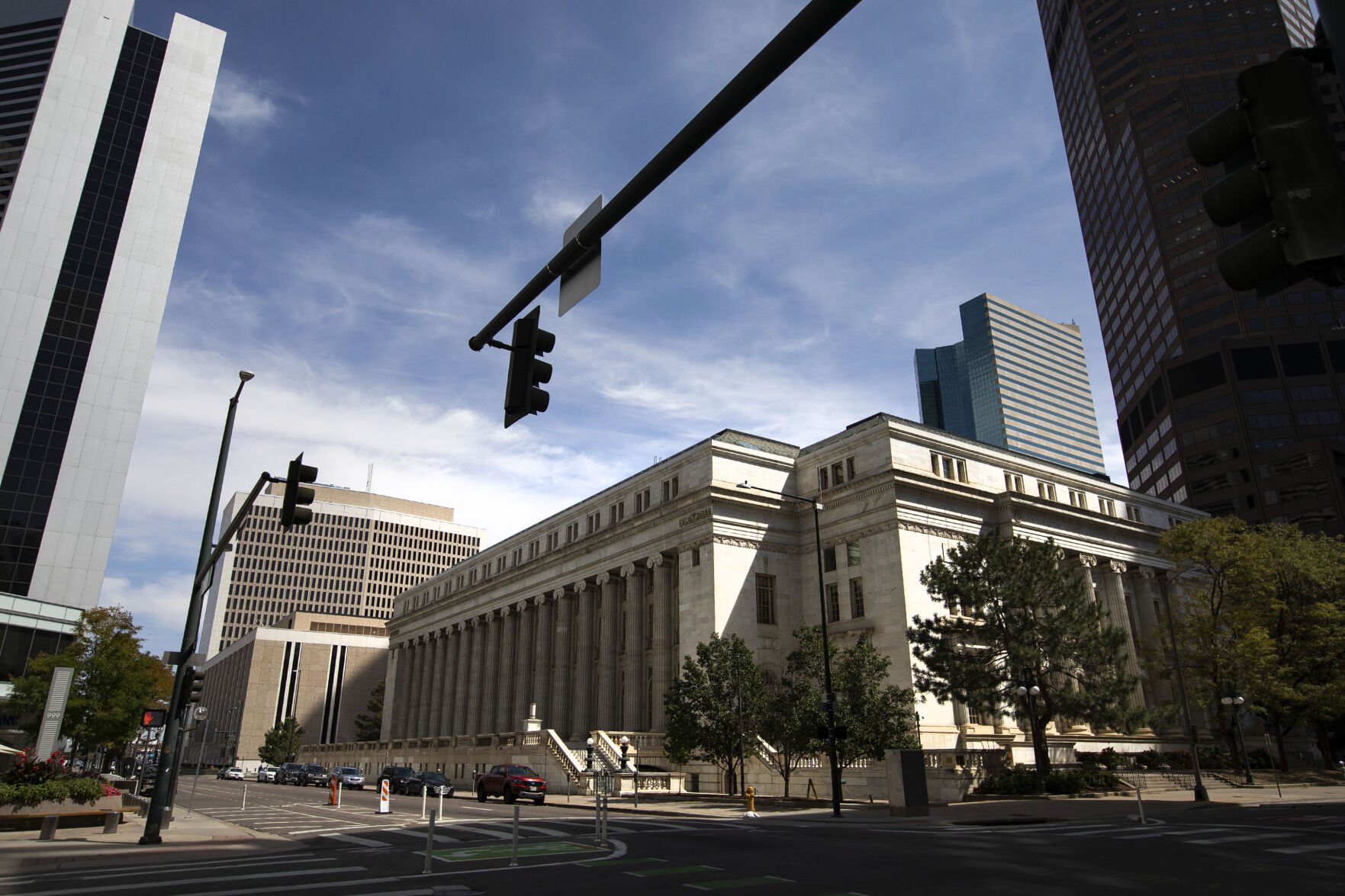
? The U.S. Court of Appeals for the 10th Circuit agreed with Denver that a former custodian wasn’t fired for racial or national origin reasons, but because she represented herself as a police officer online as an alleged “joke.”
In federal news
? It appears that a college student enrolled in the Semester at Sea program was kicked off the ship in Cyprus at the end of February, after a judge in Colorado declined to intervene and keep him on board while his lawsuit unfolded.
? A man failed to state a false arrest claim against Walmart after a store in Larimer County allegedly told police he was a shoplifter. The report resulted in his arrest, but prosecutors later dropped the charges because they couldn’t prove he was the person seen on surveillance footage.
Vacancies and appointments
? The governor has appointed civil litigator Thomas W. Henderson in the 18th Judicial District (Arapahoe, Douglas, Elbert and Lincoln counties), where he will succeed former District Court Judge John E. Scipione.
? Applications are due by March 31 to succeed Judge Richard Medina on the Crowley County Court. The position is part time and requires only a high school degree or equivalent.
? The U.S. Senate last week invoked cloture on the nomination of Gordon P. Gallagher to be a federal trial judge for Colorado. Look for a confirmation vote sometime this week.
Miscellaneous proceedings
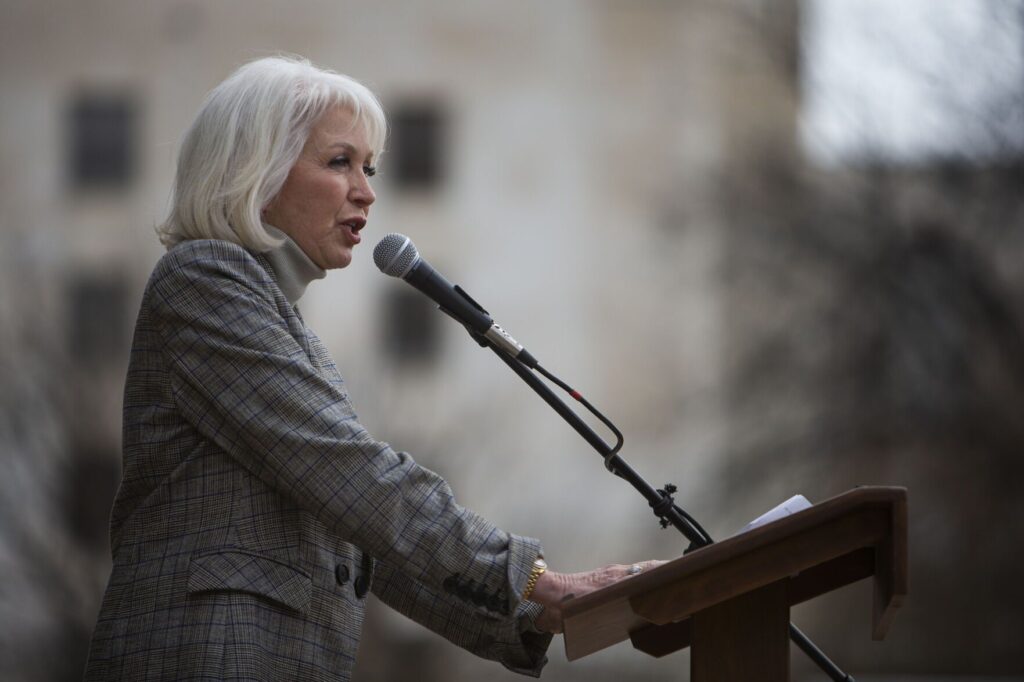
? A Mesa County jury found former Clerk and Recorder Tina Peters guilty of an obstruction charge last week, based on allegations she recorded court proceedings on a tablet when she shouldn’t have.
? The Denver Gazette looked at the death of a detainee in the Denver jail last year that still has unanswered questions.


Federal judge dismisses developer’s challenge to Denver affordable housing ordinances
Michael Karlik
michael.karlik@coloradopolitics.com
Updated 6 hours ago
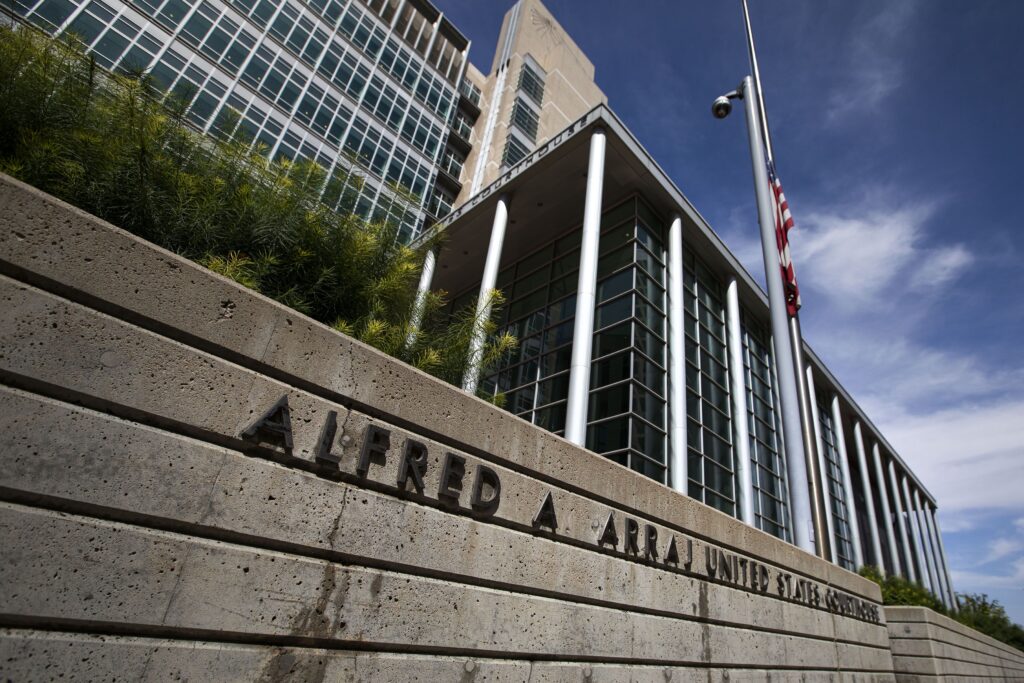
A federal judge dismissed a homebuilder’s constitutional challenge on Tuesday to a pair of Denver ordinances that impose obligations on developers related to the affordable housing demands created by new construction. Two related companies, redT Homes and redT Capital Partners,...
10th Circuit distances itself from prior decision making it easier to toss prisoner lawsuits
Michael Karlik
michael.karlik@coloradopolitics.com
Updated 14 hours ago
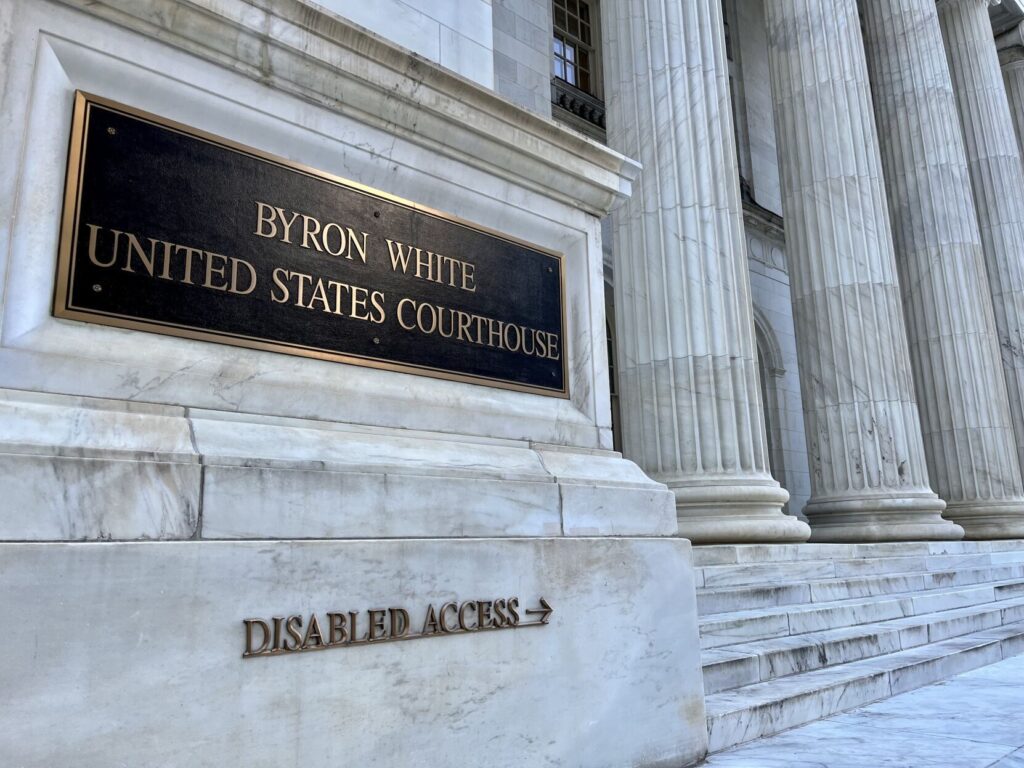
The Denver-based federal appeals court distanced itself on Wednesday from its own recent decision that made it easier for prison officials to end civil lawsuits by transferring incarcerated plaintiffs between facilities. A three-judge panel of the U.S. Court of Appeals...

Appeals court overturns Douglas County vehicular homicide conviction due to faulty jury instructions
Michael Karlik
michael.karlik@coloradopolitics.com
Updated 2 days ago
Colorado’s second-highest court overturned a defendant’s vehicular homicide conviction and 12-year prison sentence on Thursday after determining a Douglas County judge omitted key language from the jury instructions that could have resulted in a different outcome. James Paul McDonald was...
Federal judge dismisses malicious prosecution claim against former Denver prosecutor
Michael Karlik
michael.karlik@coloradopolitics.com
Updated 9 hours ago
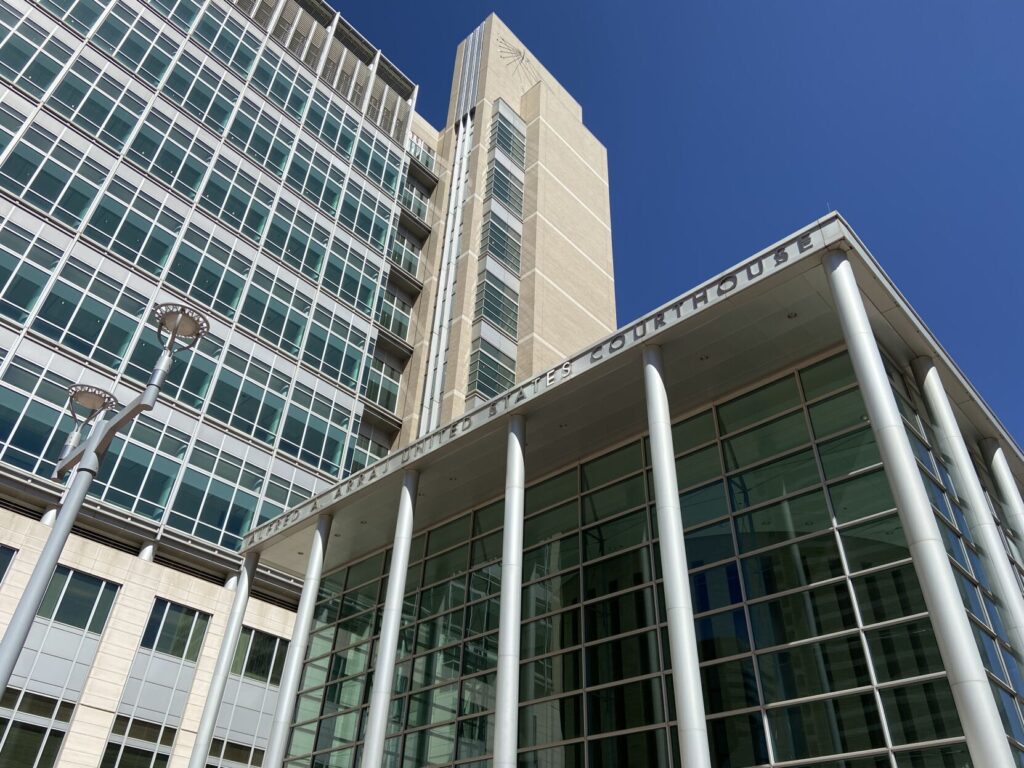
A federal judge concluded on Monday that a former Denver prosecutor could not be sued for allegedly causing the arrests of two plaintiffs after they failed to appear for trial on the scheduled date, even though the trial had been...
Judicial discipline commission reports increased transparency, increased submissions
Michael Karlik
michael.karlik@coloradopolitics.com
Updated 3 days ago
The Colorado Commission on Judicial Discipline received 473 misconduct complaints about judges in 2025, which was nearly 29% higher than in 2024 and substantially greater than any time in the past decade. However, only 31 complaints were referred to the commission...
Colorado Gov. Jared Polis ignites fierce debate after raising clemency questions in Tina Peters case
Marianne Goodland
marianne.goodland@coloradopolitics.com
Updated 2 days ago
Gov. Jared Polis ignited a political firestorm Tuesday night after weighing in on the prison sentences of two former Colorado officials — a Democrat and a Republican — convicted of attempting to influence a public servant. The comments quickly fueled...

Colorado Supreme Court signals intervention in dispute over treatment for trans children
Michael Karlik
michael.karlik@coloradopolitics.com
Updated 3 days ago
The Colorado Supreme Court ordered Children’s Hospital Colorado on Tuesday to explain why it should not direct the organization to resume providing certain types of services to transgender children in compliance with the state’s non-discrimination law. Last month, a Denver...

Judge nixes latest policy requiring 7 days’ notice for Congress members to visit ICE facilities
Michael Kunzelman
michael.kunzelman@associatedpress.com
Updated 3 days ago
WASHINGTON (AP) — A federal judge agreed on Monday to temporarily suspend the latest version of a Trump administration policy that requires members of Congress to provide a week’s notice before they can visit immigration detention facilities. U.S. District Judge...
Judge nixes latest policy requiring 7 days’ notice for Congress members to visit ICE facilities
Michael Kunzelman
michael.kunzelman@associatedpress.com
Updated 3 days ago
WASHINGTON • A federal judge agreed on Monday to temporarily suspend the latest version of a Trump administration policy that requires members of Congress to provide a week’s notice before they can visit immigration detention facilities. U.S. District Judge Jia...
Colorado Supreme Court clarifies restraining order violations can always support burglary charge
Michael Karlik
michael.karlik@coloradopolitics.com
Updated 2 days ago
The Colorado Supreme Court’s majority ruled on Monday that a violation of a restraining order can also serve as a basis for finding a defendant guilty of burglary. Under state law, a person commits second-degree burglary by unlawfully entering or...
PREV
PREVIOUS

Bill banning arrest for prostitution, petty offenses draws criticism from retailers, law enforcement
On Nov. 11, 2015, Michael Marshall was a street preacher with a history of mental illness. He was arrested that day for trespassing and disturbing the peace at a motel, and taken to jail in Denver. But it was what happened to him at the jail that led Democrats at the state Capitol to seek […]

Colorado DMV outage shutters local motor vehicle services, appointments to be rescheduled
Coloradans with driver’s license appointments Monday are asked to reschedule due to a technical issue impacting all state and county motor vehicle offices, the Colorado Department of Motor Vehicles said in a news release. New red-light camera will go live in Colorado Springs next week The department is reaching out to those with an appointment […]