

‘Plow the damn roads’: Frustrations boil over as Denver promises to plow side streets with snowstorm coming

In preparation for Tuesday night’s incoming snowstorm, Denver announced that it will deploy its small plows to side streets, a decision that brings up a history of tension between the city and its residents over how to keep roadways clear and safe.
The winter storm expected to roll in Tuesday afternoon and evening will bring up to a foot of snow in Denver area by midday Wednesday, according to the National Weather Service.
In response, Denver’s Department of Transportation and Infrastructure said it is mounting plows on its residential 4×4 pickup trucks to deploy to side streets.
The city typically does not deploy its plows to side streets, focusing instead on major thoroughfares. This often leaves side streets with sheets or clusters of ice that often turn slippery and dangerous. In fact, a lot of ice on side streets still remain from the last snowstorm.
The side street conditions have been a source frustration among Denver residents. Commenting on Twitter, one user called Denver’s snow removal a “joke.” Other criticisms have come from the media. The 9News show Next with Kyle Clark tweeted a picture – from the early 1900s – of a horse buggy picking up snow with this caption: “Picture proof that Denver has, at least once, done snow removal.”
One mayor candidate called for a “ground-up overhaul of the system-and it needs to include plowing the damn roads.”
While the city’s snow removal system has its share of critics, it also has defenders. One defender rejected the notion that Denver’s icy streets are the result of government malfeasance and suggested the mayoral candidate’s call to “plow the damn roads” is voter pandering.
The city said its plows will take a single pass down the center of each side street over the course of a 12-hour shift, taking the top few inches of snow off the street.
“They will not bring streets to bare pavement but can be helpful in creating a path to the main streets and preventing deep ice ruts from forming,” the city said.
US 6 Loveland Pass to close overnights through mid-February for planned maintenance work
DOTI tackles snow removal in terms of roadway priority. Top priority snow routes focus on major arterial roads, roads to hospitals, fire and police stations, as well as public school perimeters. The city only deploys its plows to smaller and residential streets when large storms are expected.
It didn’t so last time, and Denver’s roads have not fully cleared following the storm on Dec. 28.
As a result, the city faced strident criticism from residents.
The city has about $3 million in its 2023 budget for snow removal materials, DOTI spokesperson Nancy Kuhn said.
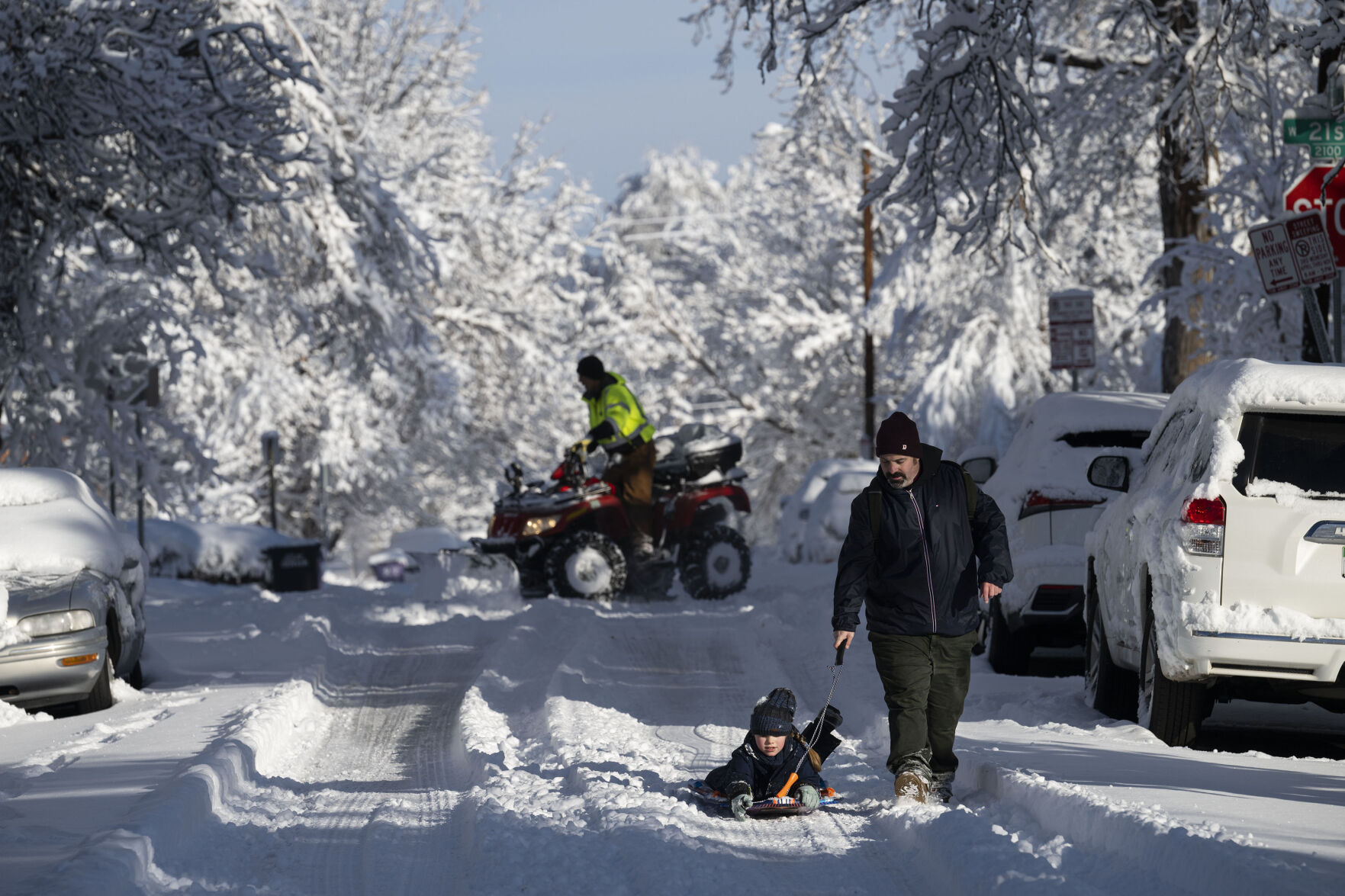
Kuhn said the city was not prepared for the last storm’s affect on roads. The forecast had called for 1 to 5 inches of snowfall, an amount the city would usually not respond to with residential plows. The incorrect forecast left the city struggling to catch up with unexpected snowfall as they tried to plow residential streets that were already packed down, Kuhn said.
This time, the forecast is calling for 6 to 11 inches of snowfall followed by prolonged cold temperatures.
Parts of Denver’s snow removal system date back to decades ago, partly explaining the city’s deployment decisions.
Jim Charlier, a longtime transportation planning professional, said Denver’s current plowing policies are a product of work done in the late 1980s to reduce air pollution.
“Twenty to twenty-five years ago, you’d come over the lip on I-70 into Denver in the winter and you often couldn’t see the city,” Charlier said.
Officials found out that the pollution – the “brown cloud” – was 90% re-entrained road dust, meaning particles that get kicked up off the roads when cars drive on them, Charlier said, adding that, in the winter, this effect worsens due to extra material on roads and cold air inversions that lock particles in the air.
So, the city modified its snow removal response, limiting the streets that get plowed to reduce emissions from snow removal machinery and to keep dust on the roads, he said.
Metro Denver braces for arctic blast
“The snow removal program has been debated for many years and is an attempt to balance the need to provide streets for people to drive on with the need to keep our air quality as good as possible,” Charlier said.
Snow removal has been part of a longstanding political debate in Denver.
In 1983, Mayor Bill McNichols lost re-election to Federico Peña, a loss frequently linked to his administration’s alleged mismanagement of snow removal after a 1982 storm.
In 1988, a citizen group attempted to recall Denver Mayor Federico Peña, McNichols’s replacement, also for alleged mismanagement of snow removal.
At the end of December 2006, two holiday storms swept through Denver and left the city with months of snow removal catch-up that cost millions of dollars and left roads in disrepair.
The mayoral campaign issue of snow removal continues into 2023.
“I said it before and I’ll say it again,” mayoral candidate Chris Hansen tweeted Tuesday. “We need to plow the damn roads – and the bike paths, and the bus stops – and ensure they are clear and safe for all Denver citizens.”
Responding to Hansen, Charlier said there are “challenges and policy consequences” to the notion of “plowing the damn roads.”
Denver’s snow removal plan, he maintained, is the result of “an extended professional and political debate and specific (informed) policy choices.”
“It is cynical to assume (or expect others to agree) that Denver’s problems with snowy/icy streets are a result of government malfeasance,” said Charlier, who nonetheless added it may be time for the city to review its snow management practices.
“The suggestion that we could significantly ramp up our snow removal program ignores the fact we would have to buy equipment, hire more drivers and increase snow removal budgets. Obviously, none of that is feasible, either financially or logistically,” he said.
He also blamed climate change for the city’s icy road woes.
“I think it’s important to acknowledge that climate change may be playing a role here and we may be having different weather patterns,” Charlier said. “Perhaps we need to reassess our snow management practices based on that.”
He argued that snow removal also needs to be about more than clearing roadways. He said drivers can still get around even when the roads are bad but that people who rely on walking face much worse consequences when sidewalks are not cleared.
“People who are wheelchair-bound or have physical disabilities … it’s not safe because what we’re doing with sidewalks is not working,” Charlier said.
Kuhn said the city evaluates its snow removal procedure every snow season and is assessing after the unusually wet, heavy and spring-like December storm that left roads messy.
“Was this a one-time thing? Or a new trend amid global warming? These are things we’ll look at,” Kuhn said. “(We’ll look at) any new trends over the course of several seasons and see if we need to adjust.”
Other Denver metro cities are preparing for the storm, as well. The cities of Boulder and Aurora follow snow removal processes similar to Denver’s.
“Like other Front Range communities, the city does not typically plow side and residential streets since most snow usually melts within a day or two and because side and residential street plowing would significantly increase costs, impacting other high-priority services,” City of Boulder spokesperson Julie Causa said.
Boulder is in the process of reviewing and potentially updating its 2023 snow clearing program, Causa said.
Aurora, meanwhile, is actively monitoring forecasts and activating its standard snow removal plan starting Tuesday afternoon, Aurora spokesperson Michael Brannen said.
“The primary objective of our snow removal is to provide safe and orderly movement of traffic in the city,” Brannen said.

Vince Bzdek: Coloradans are fed up with the high price of cars
Vince Bzdek
vince.bzdek@gazette.com
Updated 38 minutes ago
Car buyers in Colorado – and America – are fed up. Cars are too damn expensive. The average price of a new car broke the $50,000 barrier last fall, according to Kelley Blue Book stats. The Wall Street Journal recently...

Unsolicited advice to both Republicans and Democrats | SONDERMANN
Eric Sondermann
eric-sondermann@coloradopolitics.com
Updated 3 days ago
This even-numbered year will be one of political turnover in Colorado with the governor’s chair opening up, along with the other state executive offices (attorney general, state treasurer, and secretary of state), all due to term limits. A U.S. Senate...

New Jersey signs legislation banning cellphones in schools
Molly Parks, Washington Examiner
molly.parks.washington.examiner@gazetteedit.wpenginepowered.com
Updated 22 hours ago
K-12 students in New Jersey will no longer be allowed to use their cellphones in school starting in the fall of 2026. Gov. Phil Murphy (D-NJ) signed a bill into law on Thursday establishing “phone-free” schools in the Garden State....
Gov. Jared Polis ‘frustrated, surprised’ at efforts to revive vetoed union bill
Marissa Ventrelli
marissa.ventrelli@coloradopolitics.com
Updated 21 hours ago
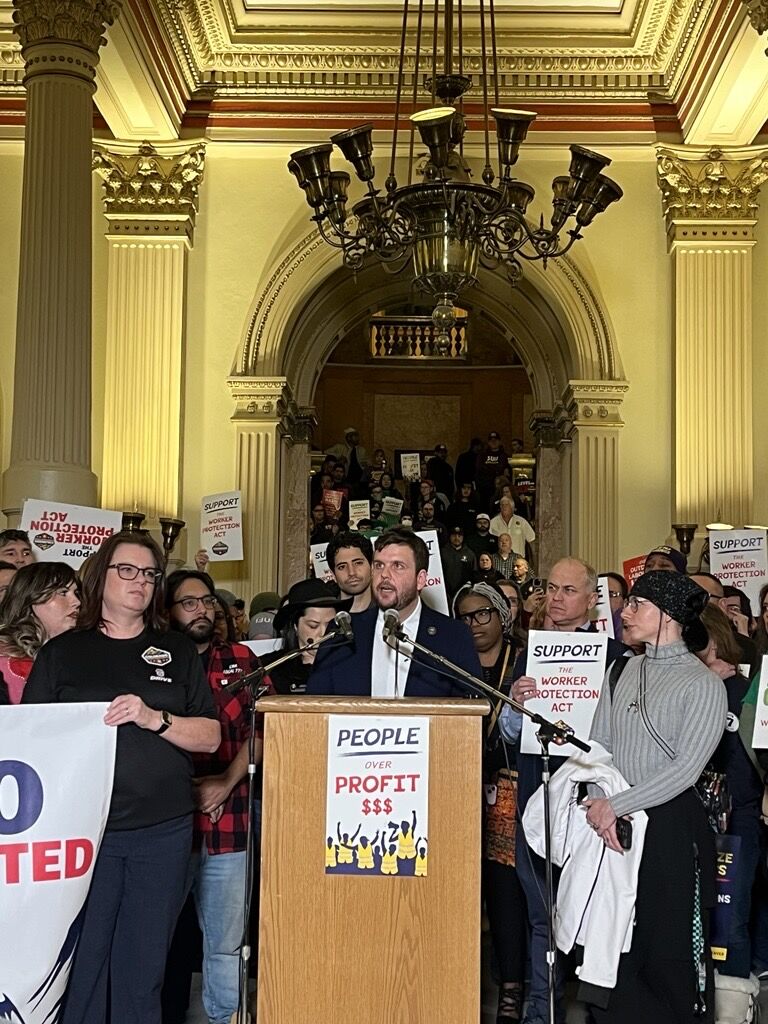
Gov. Jared Polis was surprised that Democratic lawmakers and labor groups are seeking to revive a union-backed legislation less than a year after he vetoed the bill due to concerns about its impact on businesses and mandatory dues. Elected officials...

Red Carpet Reception proves new home’s a winner for Coors Western Art Exhibit & Sale | NONPROFIT REGISTER
Joanne Davidson Special to Colorado Politics
joanne-davidson-special-to-colorado-politics@coloradopolitics.com
Updated 21 hours ago
NATIONAL WESTERN STOCK SHOW News: It wasn’t just the art that people were talking about at Thursday night’s Red Carpet Reception for the 34th Coors Western Art Exhibit & Sale. A good number of the 1,000-plus guests were on their first visit to the show’s spacious new location on the...
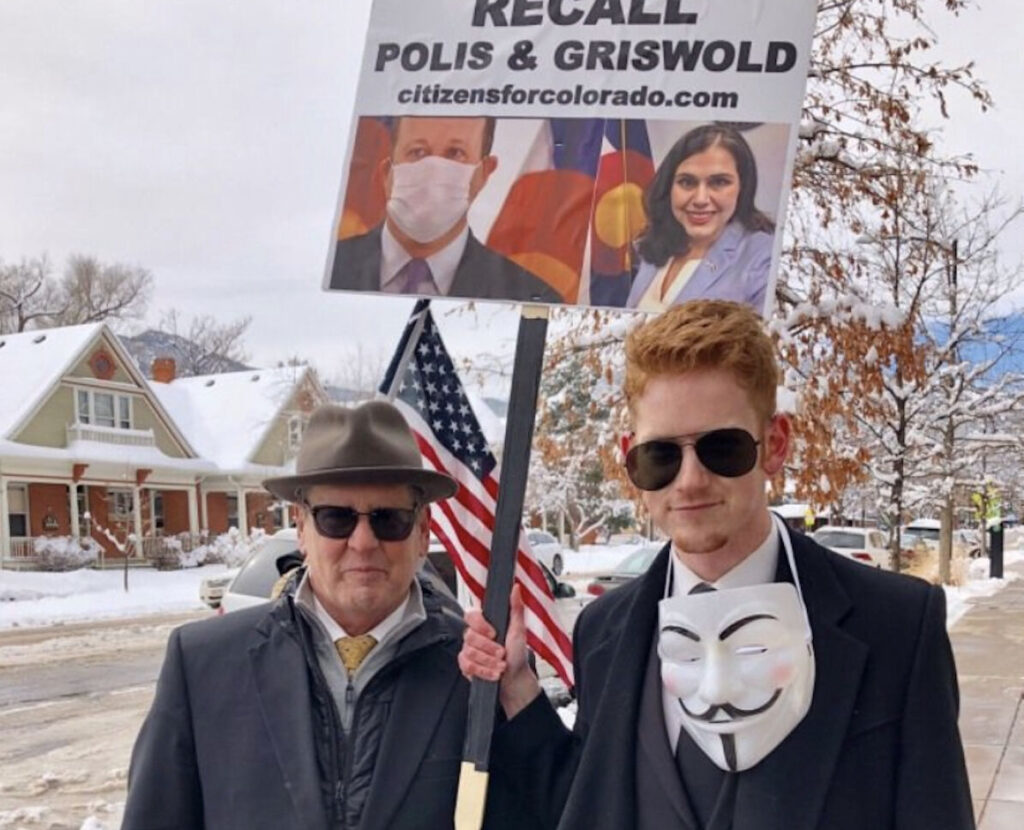
Colorado candidates switch parties, races as midterm election year looms | TRAIL MIX
Ernest Luning
ernest.luning@coloradopolitics.com
Updated 1 day ago
The final days of 2025 saw an unusually high number of Colorado candidates switch parties and races, reshaping at least a few primaries ahead of this year’s midterm elections. The state has seen its share of switchers over the years,...
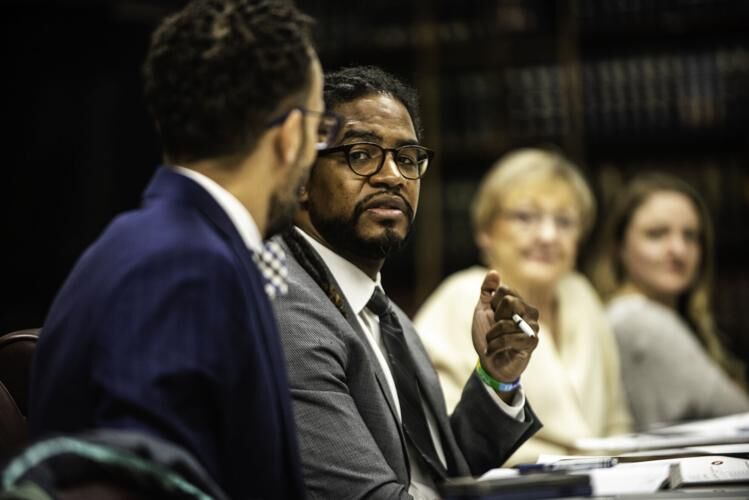
Denver Auditor: Office of Social Equity and Innovation risks mismanaging or losing taxpayer money
Deborah Grigsby
deborah.smith@denvergazette.com
Updated 19 hours ago
Denver’s Office of Social Equity and Innovation has yet to implement half of the 14 recommendations made by auditors in 2024, leaving the city and the Colorado Youth Detention Continuum Program at risk of misusing small-dollar funds. A follow-up report...

New Aurora councilmembers to host meetings about creating civilian oversight of police
Kyla Pearce
kyla.pearce@gazette.com
Updated 19 hours ago
Two of Aurora’s new councilmembers plan to hold listening sessions with community members to talk about establishing an independent civilian oversight committee for Aurora police. Gianina Horton and Amy Wiles, who were both elected to the Aurora City Council in...

Final Lap: Gov. Jared Polis outlines his 2026 agenda for Colorado as he nears the end of his term
Marianne Goodland
marianne.goodland@coloradopolitics.com
Updated 2 days ago
A year from now, Gov. Jared Polis will wrap up eight years as the state’s chief executive officer, take off the governor’s mantle and go back to private life. The governor recently reflected on what remains to do in his...
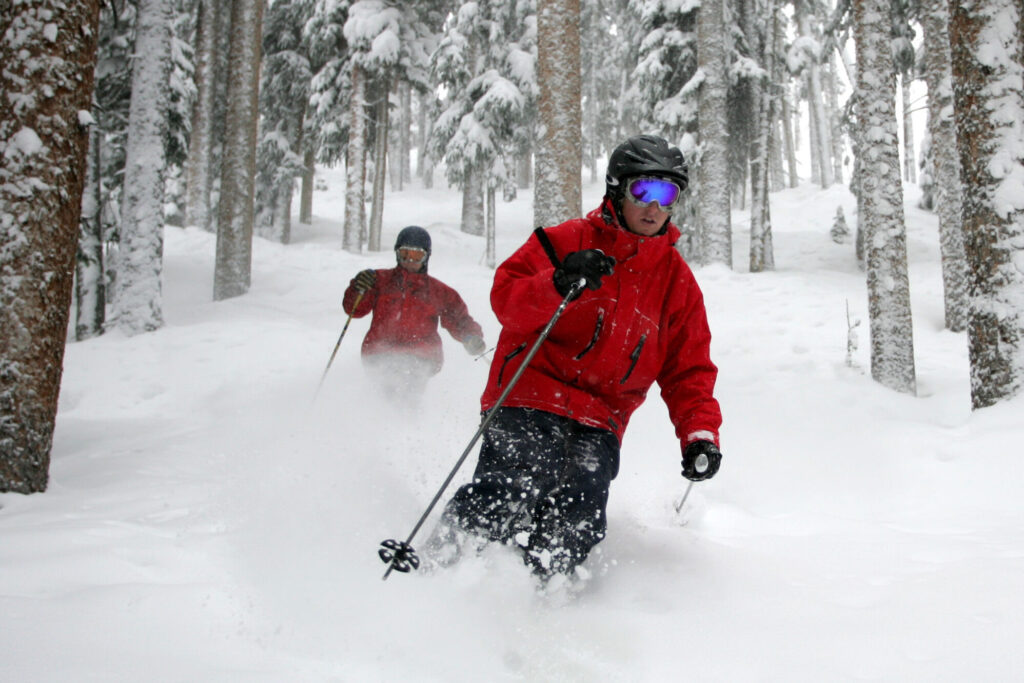
Ski patrollers end strike against Telluride
RACHAEL WRIGHT Special to The Gazette
rachael-wright-special-to-the-gazette@coloradopolitics.com
Updated 2 days ago
After 13 days, the longest ski patrol strike in U.S. history has come to an end. On Dec. 27, the 72-member Telluride Professional Ski Patrol Association voted to go on strike after approaching Telluride Ski Resort (Telski) owner Chuck Horning...
PREV
PREVIOUS

Security company tied to fatal 2020 rally shooting reapplies for Denver license
Pinkerton Consulting and Investigations, a company involved with providing an unlicensed security guard to 9News who fatally shot a man at a 2020 rally, has reapplied for a license in Denver to employ private guards. The company’s application in December comes after a district court judge overturned the revocation of the company’s license in June […]

Evergreen man faces charges alleging threats against FBI and Homeland Security
An Evergreen man faces federal charges after allegedly making shooting threats against Denver’s FBI building and Homeland Security office, according to a news release from the U.S. attorney for the District of Colorado. He also allegedly made mass shooting threats against a Colorado performing arts group. Kyle William Staebell, 33, allegedly made one threat directly […]