

A LOOK BACK | Dodge takes chief lobbyist gig for Denver, sets off musical chairs
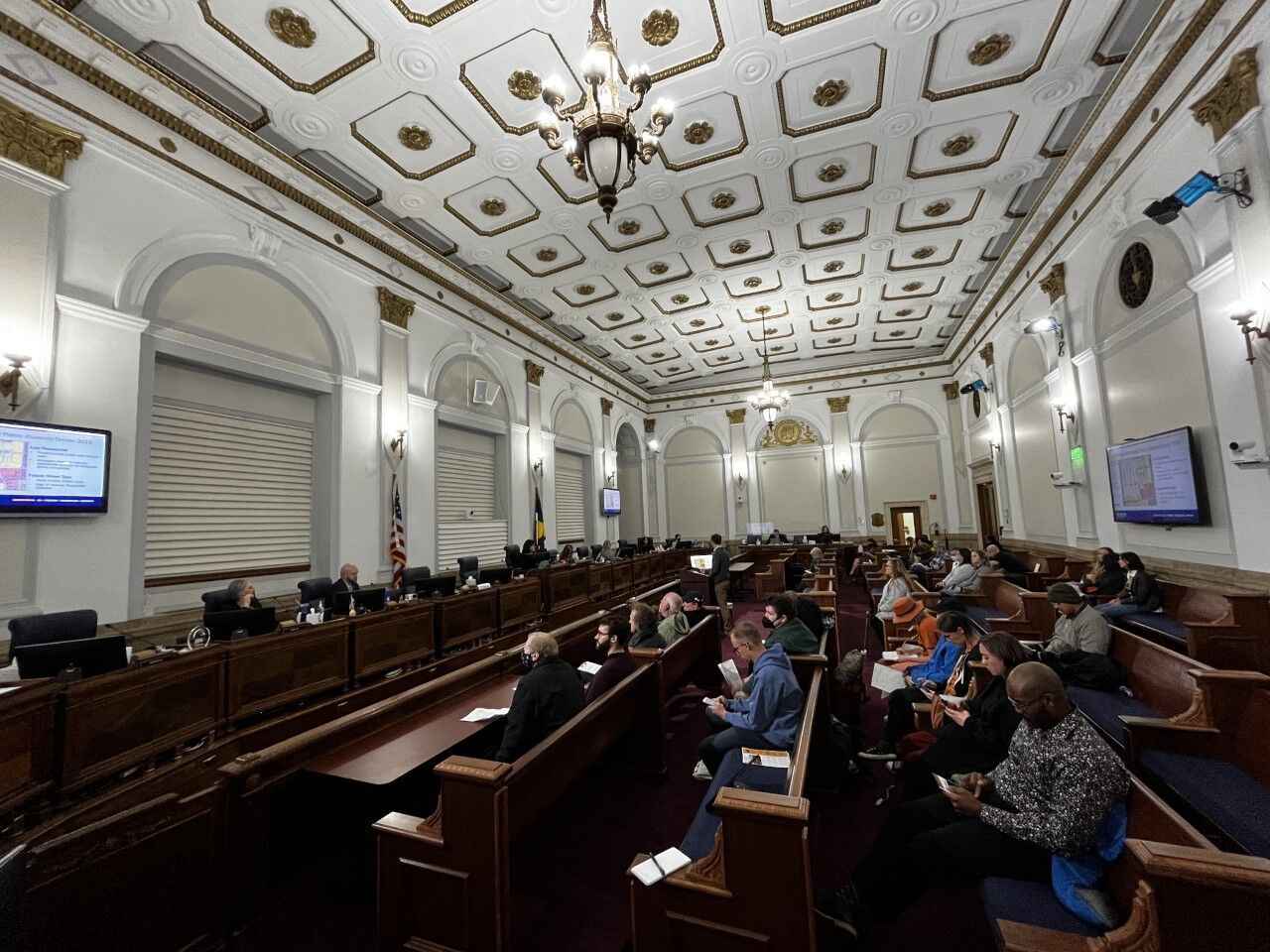
Thirty-Five Years Ago This Week: State Sen. Clifford Dodge, R-Denver, announced he was resigning his seat to accept a post as chief lobbyist for the City and County of Denver, and no one seemed to have fully anticipated how much upheaval it would cause.
Rep. Dorothy “Dottie” Wham, R-Denver, was appointed by vacancy committee to serve the rest of Dodge’s term. This created another vacancy and a special election was needed to fill Wham’s House District 11 seat. Six people put their names forward including veteran campaign worker Cheryl Caldwell, precinct committeeman Ross Corrace, and Sue Haskell executive director of U.S. West’s home and personal services division.
But in the end it was another candidate, Jeff Shoemaker, who narrowly edged out Caldwell in a final ballot after they tied on a fifth ballot. In a question-and-answer period before the voting got underway, Shoemaker told the vacancy committee that he would be the most electable in 1988 because he had worked the hardest during this election.
“I personally contacted all but one of the vacancy committee members in the past 41 days,” Shoemaker said.
Caldwell shot back that though she had entered the campaign less than two weeks previously, “Jeff worked 41 days, but I worked 10 days four times harder.”
Shoemaker who was the executive director of the Platte River Greenway Foundation of which his father, former state Sen. Joe Shoemaker, was chairman, stressed his strong background in fundraising.
“My knees are worn out because I beg for a living,” he said. “I’ll work harder than you can imagine if I win.”
Wham, who was still settling into her new state senate seat, nominated all six candidates herself and declined to publicly state her preference for a successor, stating only in a nomination statement that she was in favor of all of the candidates. Several members of the vacancy committee professed themselves pleased with this setup, as it had cut down on the lengthy nominating and seconding speeches.
One possible Democrat challenger for Shoemaker was attorney Ann Duckett who told The Colorado Statesman that several people had approached her to run for the HD 11 seat.
“I am considering the possibility, but I haven’t yet come to a definite decision,” Duckett said.
In other news, freshman U.S. Rep. Joel Hefley, CD-5, said that he wasn’t sitting idly by in his 1988 campaign for reelection. And for good reason. Hefley’s predecessor, former U.S. Rep. Ken Kramer said he was contemplating a comeback.
Kramer had decided not to run for reelection in order to run for the U.S. Senate in 1986 and said at the time that he had accomplished all he could in the House and really wanted to be where he could make a difference.
Fast forward to ’87 and Kramer wouldn’t make any definite comment on his desire to challenge Hefley other than some opaque “maybes.”
But Hefley was preparing for any eventuality, assembling a strong finance committee with building industry businessman Steve Schuck serving as chairman. Hefley’s finance committee included several former Kramer supporters including Phil Winn, who had served as finance chairman of Kramer’s 1986 senate campaign.
Winn, who said he’d been in touch with Kramer over the past weeks, said blandly that it was a free country.
“Ken has a right to run if that’s his desire,” Winn said. “But for party unity and party stability, I’d hope he would not run. Joel is just beginning and has done well. If Ken ran, it would be destructive to the party.”
Winn also argued that a highly contested primary would drain money from an economically depressed area.
“But for Ken’s sake, I hope he doesn’t do it,” Winn said. “Remarriages don’t usually work out. If Ken runs, I’m supporting Hefley, but Ken will still be my friend.”
Rachael Wright is the author of the Captain Savva Mystery series, with degrees in Political Science and History from Colorado Mesa University and is a contributing writer to Colorado Politics and The Gazette.

DOJ publishes more Epstein documents mentioning Trump after initial omission
Rena Rowe, Washington Examiner
rena.rowe.washington.examiner@gazetteedit.wpenginepowered.com
Updated 13 hours ago
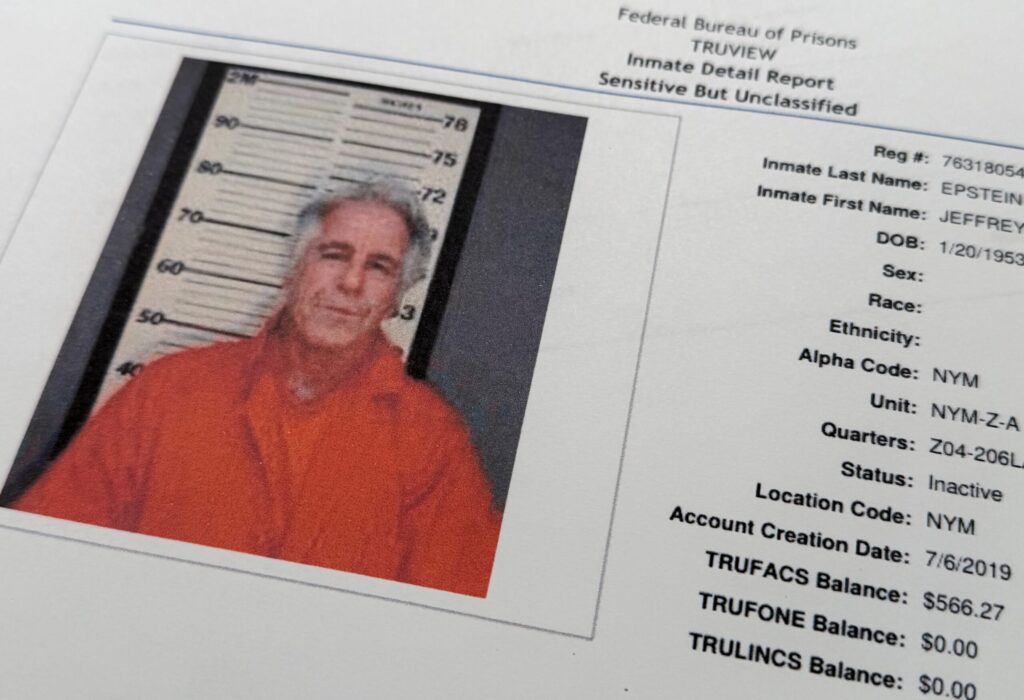
The Justice Department released additional Epstein files on Thursday, including uncorroborated accusations from a woman claiming she was sexually assaulted by President Donald Trump. Last week, Rep. Robert Garcia (D-CA), the top Democrat on the House Oversight and Government Reform...

Federal judge dismisses developer’s challenge to Denver affordable housing ordinances
Michael Karlik
michael.karlik@coloradopolitics.com
Updated 8 hours ago
A federal judge dismissed a homebuilder’s constitutional challenge on Tuesday to a pair of Denver ordinances that impose obligations on developers related to the affordable housing demands created by new construction. Two related companies, redT Homes and redT Capital Partners,...

Another TABOR fight: Democrats plan to redirect refunds to Colorado residents
Marianne Goodland
marianne.goodland@coloradopolitics.com
Updated 6 hours ago
Colorado voters could decide this fall whether billions of dollars that would otherwise be returned as refunds under the Taxpayer’s Bill of Rights should instead go to public schools under a ballot measure unveiled Thursday by Democrats. Supporters say the...
Analysis: Colorado legislators introduce 18 energy bills amid debate over emissions goals
Scott Weiser
scott.weiser@gazette.com
Updated 13 hours ago
Colorado legislators have introduced 18 energy-related bills so far in the 2026 session, with Democrats sponsoring 14 and Republicans four, highlighting the sharp partisan split over how aggressively the state should pursue its greenhouse gas reduction goals while protecting affordability...

Colorado House committee advances bills regulating AI in therapy, insurance decisions
Marissa Ventrelli
marissa.ventrelli@coloradopolitics.com
Updated 14 hours ago
Colorado lawmakers are moving to place guardrails on the growing use of artificial intelligence in mental health care and insurance decisions. The House Health and Human Services Committee on Thursday approved two bills that would limit how therapists and insurers...

Colorado Democrats, Republicans fight over ballot fiscal information
Marissa Ventrelli
marissa.ventrelli@coloradopolitics.com
Updated 11 hours ago
Republicans and Democrats clashed anew over legislation that would require identifying which programs would see a funding reduction if a ballot measure passed, with the former saying it’s yet another way for the government to control the campaign narrative and...

10th Circuit distances itself from prior decision making it easier to toss prisoner lawsuits
Michael Karlik
michael.karlik@coloradopolitics.com
Updated 16 hours ago
The Denver-based federal appeals court distanced itself on Wednesday from its own recent decision that made it easier for prison officials to end civil lawsuits by transferring incarcerated plaintiffs between facilities. A three-judge panel of the U.S. Court of Appeals...

Legal war over Trump tariffs still raging despite Supreme Court ruling
Jack Birle, Washington Examiner
jack.birle.washington.examiner@gazetteedit.wpenginepowered.com
Updated 16 hours ago
The war in the courts over tariff refunds took a key step forward this week as President Donald Trump’s newly implemented tariffs are facing a new legal challenge, less than a month after the Supreme Court struck down Trump’s sweeping...

Democrat Dwayne Romero jumps in primary to challenge Republican Jeff Hurd in Colorado’s 3rd CD
Ernest Luning
ernest.luning@coloradopolitics.com
Updated 18 hours ago
The Democrat who has been running for nearly a year to unseat Republican U.S. Rep. Jeff Hurd in Colorado’s 3rd Congressional District got some company in the primary this week. Dwayne Romero, a Snowmass Village business owner and decorated Army...
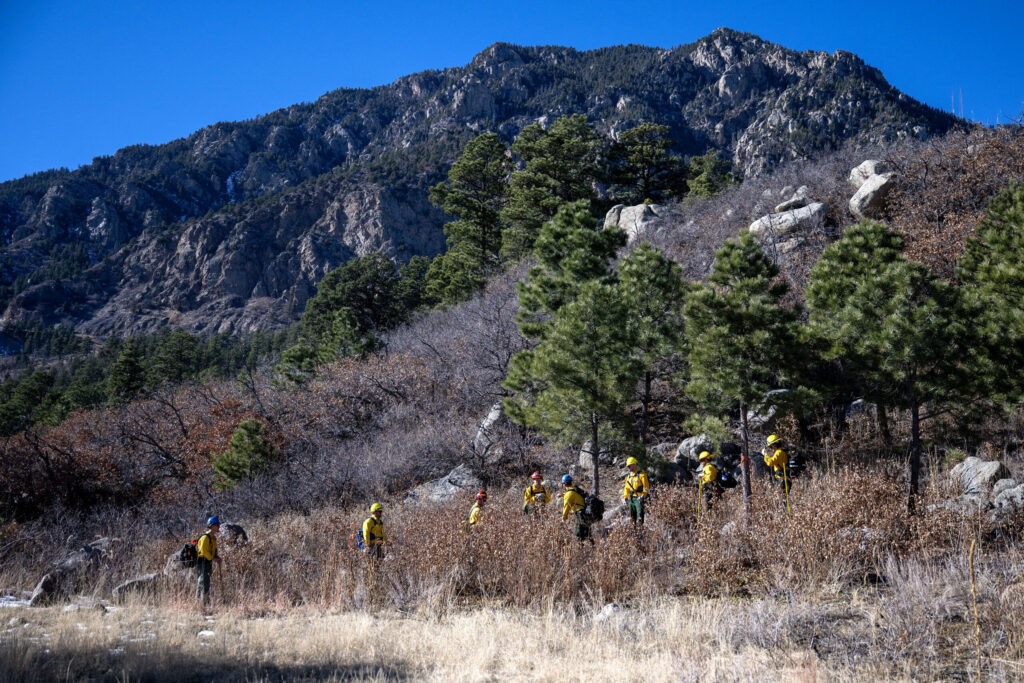
Proposed changes to wildfire code would add protections to eastern edge of Colorado Springs
Brennen Kauffman
brennen-kauffman@coloradopolitics.com
Updated 20 hours ago
New construction rules may be coming to the higher-risk wildfire areas around Colorado Springs, including the grassland on the city’s eastern side. Colorado Springs Fire Marshal Kris Cooper presented an early draft of the proposed changes to the city’s wildfire...
PREV
PREVIOUS

In rare move, appeals court reverses itself to concede unlawful search
After taking an extraordinary third look at a criminal appeal out of Gilpin County, Colorado’s second-highest court this week made the rare move of withdrawing its prior decisions and reversing the defendant’s drug conviction. Nearly 11 months after it first concluded a sheriff’s deputy lawfully seized a sunglasses case from Robert Scott Schweizer’s van that contained methamphetamine, a […]

Has the GOP lost Colorado for a 'generation'?
The prevailing sentiment following the thumping Republicans suffered on Tuesday in Colorado argues that a combination of factors contributed to their sweeping defeat, chiefly that Donald Trump remains a drag on the GOP among state voters and the U.S. Supreme Court’s decision to undo Roe v. Wade served as a shot in the arm for […]