

OUT WEST ROUNDUP | Forest service restarts burns after runaway New Mexico blaze
NEW MEXICO
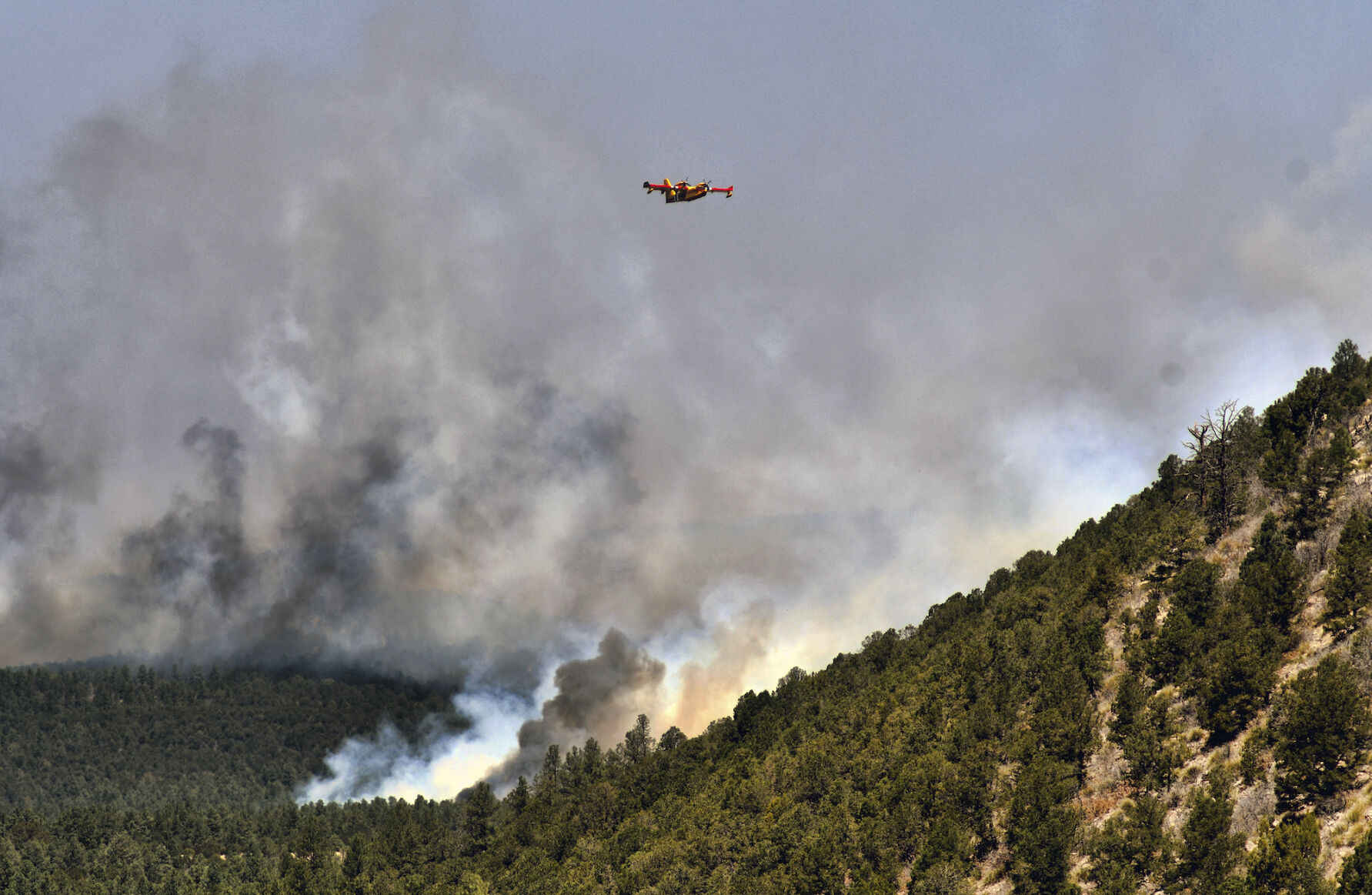
US restarts burns of forest fuel, paused after runaway blaze
SANTA FE – The U.S. Forest Service is resuming its practice of intentionally lighting fires to clear brush and small trees from forested areas nationwide after a three-month hiatus to review the risks of runaway wildfires under increasingly severe climate conditions, the agency announced on Sept. 8.
The prescribed fire program was put on hold in late May in the midst of a devastating wildfire sparked by the federal government near Las Vegas, New Mexico. The flames burned across more than 500 square miles through remote communities in the southern reaches of the Rocky Mountains.
Forest Service Chief Randy Moore said prescribed burns will require new safeguards such as same-day authorization to keep pace with evolving weather and ground conditions.
He said the Forest Service will adopt mandatory tactics, taken from an in-depth review and public consultation process, that include a more robust scientific analysis of burn plans and a final on-site evaluation of the potential for human error linked to fatigue or inexperience.
Moore said the agency won’t back away from intentional burns that he sees as a crucial tool in reducing the buildup of combustible material on forest floors and grasslands.
Many forestry experts outside the federal government say prescribed burns need to be accompanied by sufficient oversight and new scientific tools for modeling of fire behavior.
The Forest Service typically ignites 4,500 prescribed fires a year, aimed at treating more than 2,000 square miles across the National Forest system. Very few of the fires escape control – a fraction of 1% by Forest Service calculations.
State’s judiciary endorses elimination of some court fees
SANTA FE – New Mexico’s judiciary has endorsed the elimination of court fees for traffic violations and some misdemeanor criminal cases that can have a disproportionate effect on the poor, a top court administrator announced on Sept. 1.
Jason Clack, a division director for the Administrative Office of the Courts, told a panel of legislators that the endorsement is contingent upon replacing fee income with taxpayer dollars from the state general fund.
The legislature is likely to consider the budget proposal and companion statutory changes when it meets in January 2023.
The new proposal, endorsed by the state Supreme Court in August, would not affect court fines applied by judges as punishment, and municipal courts could continue to collect fees on enforcement of local ordinances.
State courts collect roughly $16 million each year in fees on traffic and misdemeanor cases to sustain an array of programs include juries, magistrate pensions, an Albuquerque crime lab and support services for people with brain injuries.
The judiciary’s proposal would sustain those programs by diverting money from the state general fund amid a multibillion-dollar annual state budget surplus.
Critics of the current fee system say it’s an inefficient way to fund government programs and has a disproportionate impact on impoverished residents that can deprive them of crucial income and prompt or prolong incarceration.
Ignored court hearings and debts lead to bench warrants more than 25,000 times a year statewide, coupled with additional fees.
SOUTH DAKOTA
Tribes buy land near Wounded Knee massacre site
SIOUX FALLS – Two American Indian tribes in South Dakota have joined forces to purchase 40 acres around the Wounded Knee National Historic Landmark, the site of one of the deadliest massacres in U.S. history.
The Oglala Sioux and the Cheyenne River Sioux said the purchase of the land on the Pine Ridge Indian Reservation was an act of cooperation to ensure the area was preserved as a sacred site. More than 200 Native Americans – including children and elderly people – were killed at Wounded Knee in 1890. The bloodshed marked a seminal moment in the frontier battles the U.S. Army waged against tribes.
The tribes agreed this week to petition the U.S. Department of the Interior to take the land into trust on behalf of both tribes. The Oglala Sioux tribe will pay $255,000 and the Cheyenne River Sioux tribe will pay $245,000 for the site, Indian Country Today reported. The title to the land will be held in the name of the Oglala Sioux tribe.
The tribes’ agreement ends a decades-long dispute over ownership of a site that has figured largely in Indigenous people’s struggles with the U.S. government. Jeanette Czywczynski became sole owner of the property after her husband, James, died in 2019. He had purchased the property in 1968.
The Czywczynski family operated a trading post and museum there until 1973, when American Indian Movement protesters occupied the site, destroying both the post and Czywczynski’s home.
The 71-day standoff that left two tribal members dead and a federal agent seriously wounded led to heightened awareness about Native American struggles and propelled a wider protest movement.
MONTANA
Judge restores oil lease on land sacred to US, Canada tribes
BILLINGS – A federal judge on Sept. 9 ordered the Biden administration to reinstate a drilling lease that has been in dispute for decades on land near the Blackfeet Indian Reservation that is considered sacred to Native American tribes in the U.S. and Canada.
The 10-square-mile oil and gas lease in the Badger-Two Medicine area of northwestern Montana was first issued in 1982. It was cancelled in 2016 under then-U.S. Interior Secretary Sally Jewell, at the request of the Blackfoot tribes and conservation groups.
There have been efforts to declare the area a national monument or make it a cultural heritage area, and tribal leaders have bitterly opposed drilling in recent decades.
But U.S. District Judge Richard Leon said Jewell lacked the authority to withdraw the lease so many years after it was sold and after several prior studies examined the environmental and other impacts of drilling in the area.
He ordered Interior Department officials to reinstate the lease and issue a drilling permit to Solenex LLC, the Louisiana company that holds the lease. Leon issued a similar order in 2018 that was later overturned on appeal.
The Badger-Two-Medicine is adjacent to Glacier National Park and is the site of the creation story of the Blackfoot tribes of southern Canada and Montana’s Blackfeet Nation. The Blackfeet had intervened in the case on the side of the government, and tribal Historic Preservation Officer John Murray said the fight against drilling would continue.
Judge Leon criticized government officials for adopting the Blackfeet Tribe’s position that drilling had the potential to “affect the power and spirituality” of the area without explaining what those effects were.
UTAH
BYU finds no racial slurs against Duke player
PROVO – An investigation by Brigham Young University into allegations that fans engaged in racial heckling and uttered racial slurs at a Duke volleyball player in August found no evidence to support the claim.
BYU issued the results of its investigation into the Aug. 26 match on Sept. 9, reiterating it will not tolerate conduct threatening any student-athlete.
The school said it reached out to more than 50 people who attended the event, including athletic department personnel and student-athletes from both schools, event security and management and fans who were in the arena. It also reviewed audio and video recordings and raw footage from the match.
As a result of the investigation, the university said it has lifted a ban on a fan who was identified as directing racial slurs toward Duke sophomore Rachel Richardson during the match. It also apologized to the fan for any hardship the ban caused.
Duke athletic director Nina King issued a statement standing by Richardson and the rest of her team.
Lesa Pamplin, Richardson’s godmother who initially drew attention to the alleged slur by tweeting about it, said in an emailed statement that she does not accept BYU’s findings.
BYU said it remains committed to rooting out racism wherever it is found. The school also said it understands some will criticize its investigation as being selective in its review.


Healthcare Freefall: Longer drives, fewer options for maternity care in Colorado
Thelma Grimes
thelma.grimes@coloradopolitics.com
Updated 19 hours ago
Editor’s Note: Colorado’s healthcare system is entering a period of accelerating instability — a “tsunami,” as multiple leaders describe it — driven by collapsing hospital finances, shrinking Medicaid reimbursements, disappearing services and a political fight over who is responsible for...

Judge grants partial injunction to GEO in fight against state health inspection law
Kyla Pearce
kyla.pearce@gazette.com
Updated 11 hours ago
A judge ruled Thursday that The GEO Group does not have to follow parts of a new state law requiring more frequent health and safety inspections at the U.S. Immigration and Customs Enforcement processing center in Aurora. Under the order...
Parker man faces 20 years to life for serial sexual assaults
Nicholas Fogleman
nicholas.fogleman@denvergazette.com
Updated 13 hours ago
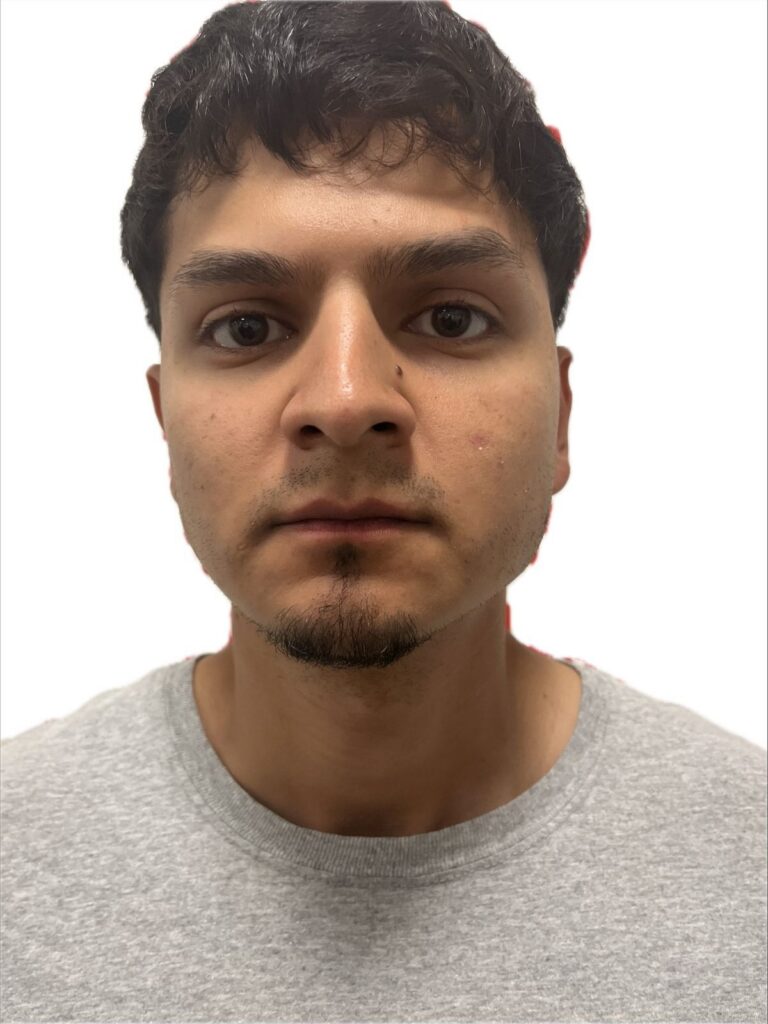
A 25-year-old Parker man who sexually assaulted three women in 2025 pleaded guilty Wednesday and will serve 20 years to life in prison. Javier Rodriguez-Andrade pleaded guilty to charges stemming from three sexual assaults involving women ages 19 to 24. ...
Buttigieg performs best among Democrats against Rubio or Vance in possible 2028 contest: Poll
David Zimmermann
david-zimmermann@coloradopolitics.com
Updated 15 hours ago
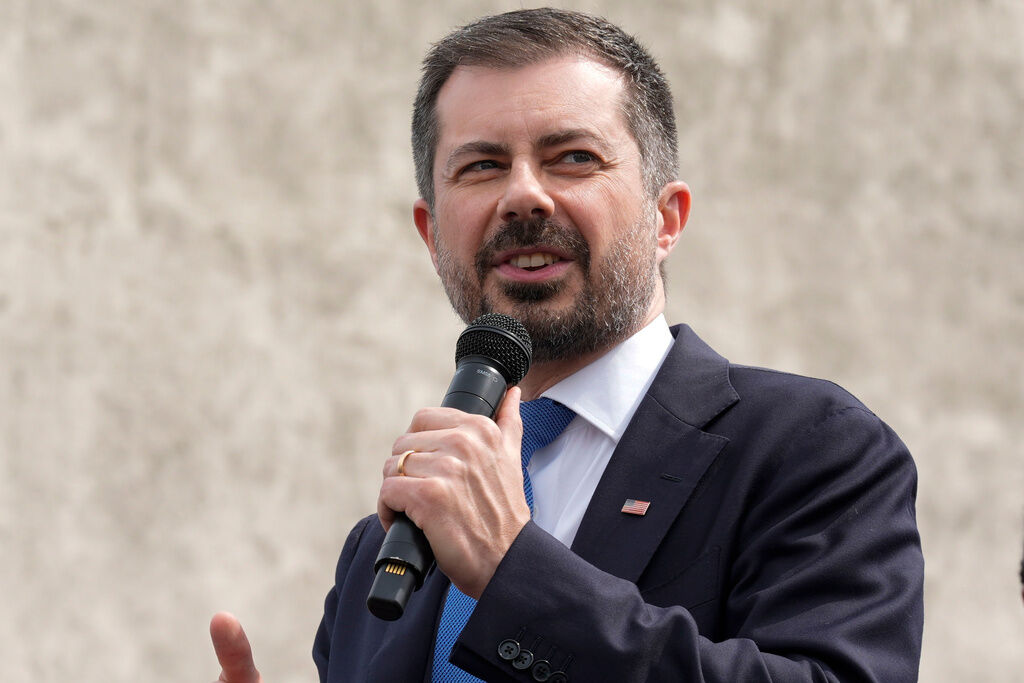
Former Transportation Secretary Pete Buttigieg appears to be the Democratic Party’s best chance at winning the presidency against Secretary of State Marco Rubio or Vice President JD Vance in 2028, according to a poll released on Thursday. In hypothetical matchups...
Douglas County moves to Stage 1 fire restrictions following recent rain
Nicholas Fogleman
nicholas.fogleman@denvergazette.com
Updated 13 hours ago
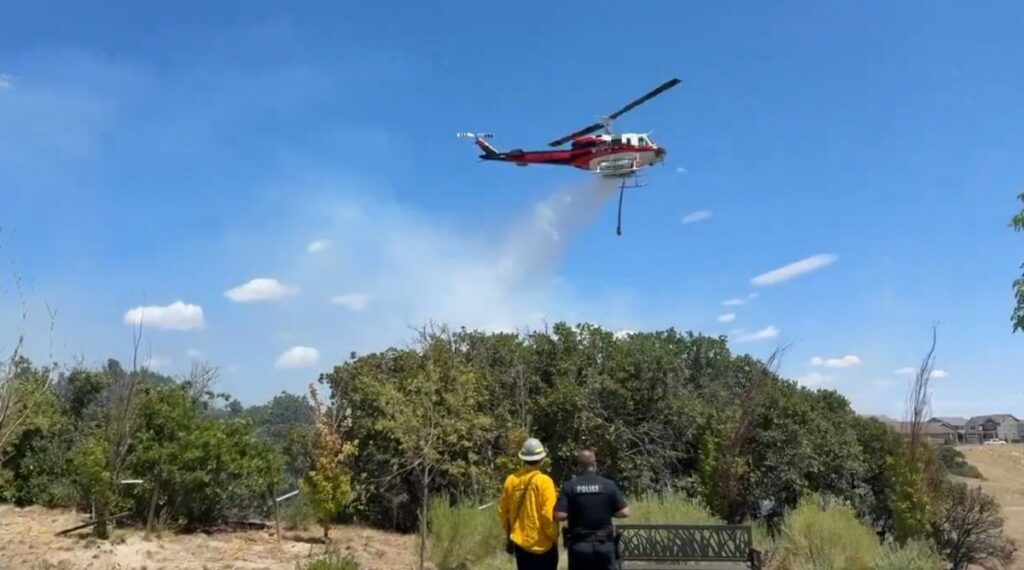
Douglas County has downgraded its fire restrictions from Stage 2 to Stage 1 on Thursday following recent rainfall and moderate fire conditions, according to the Douglas County Sheriff’s Office. The change applies to unincorporated Douglas County, as well as the...
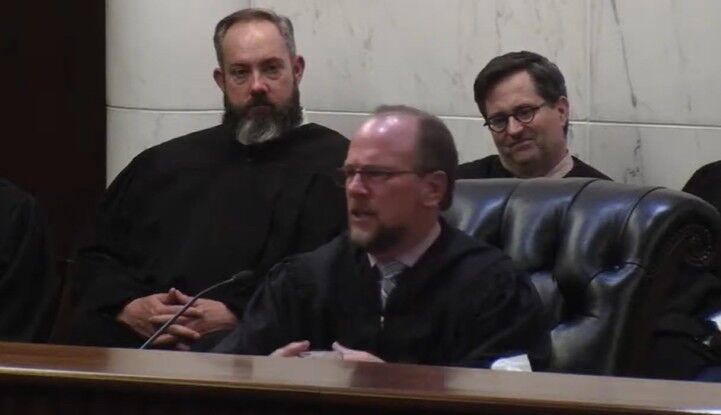
Divided appeals court upholds warrantless DNA collection in Colorado cold case, cautions of government overreach
Michael Karlik
michael.karlik@coloradopolitics.com
Updated 12 hours ago
Colorado’s second-highest court upheld the warrantless collection of a suspect’s DNA from a discarded soda can as constitutional on Thursday, while warning about potential abuse of DNA privacy in the absence of further guardrails. By 2-1, a three-judge Court of...

Democratic gubernatorial candidate Phil Weiser promises to appoint rural outreach director, water adviser
Marianne Goodland
marianne.goodland@coloradopolitics.com
Updated 12 hours ago
Democratic gubernatorial candidate and current Attorney General Phil Weiser told the Colorado Water Congress Thursday he intends to appoint a rural outreach director and a water policy adviser should he win the election in November. Weiser’s speech at the Steamboat...
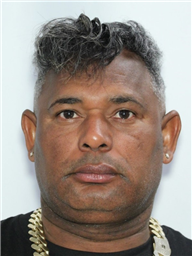
Man charged in Northglenn homicide of wife
Matt Kyle
matt.kyle@denvergazette.com
Updated 13 hours ago
A man has been formally charged with murder and burglary relating to a homicide last week in Northglenn. Alexei Munive-Rodriguez, 48, was arrested Sunday after he was at large following the homicide, which occurred Friday. Police were dispatched around 10:30...
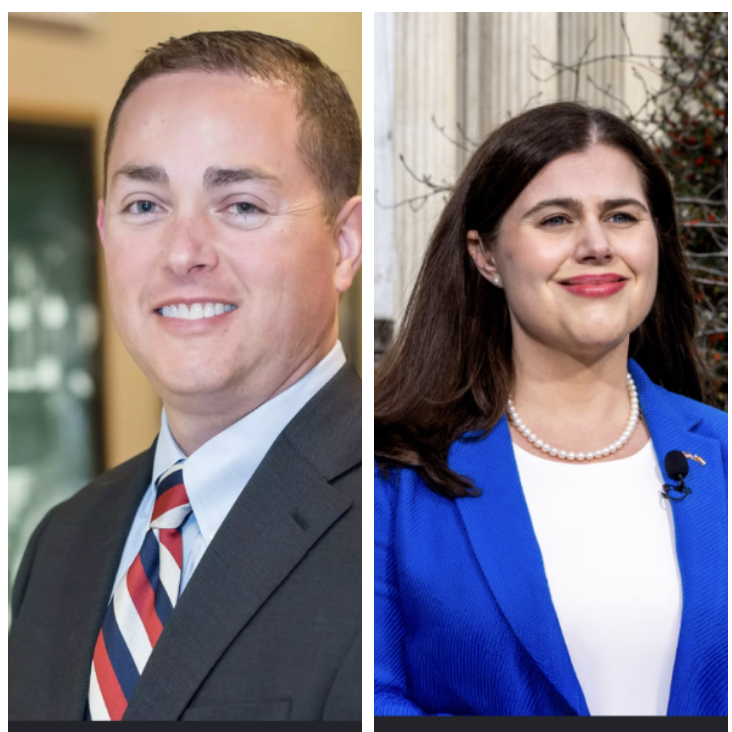
Attorney General candidates present priorities at Colorado Water Congress
Marianne Goodland
marianne.goodland@coloradopolitics.com
Updated 12 hours ago
The two major-party candidates for attorney general — Republican Michael Allen, the district attorney for Teller and El Paso counties, and Democratic Secretary of State Jena Griswold — on Thursday outlined their priorities at the Colorado Water Congress. Griswold attended...

US aircraft carrier arrives in Middle East, relieving long-deployed USS Lincoln
The Associated Press
the-associated-press@coloradopolitics.com
Updated 17 hours ago
WASHINGTON (AP) — The Asia-based USS George Washington aircraft carrier is now operating in the Middle East, the U.S. military said Thursday, relieving a long-deployed carrier following reports of mental health challenges and supply shortages aboard while it was supporting...
PREV
PREVIOUS

SONDERMANN | In defense of the political center
Question: What is the only thing you find these days in the middle of the road? Answer: A dead armadillo. That bit of humor points to what is increasingly and problematically our political condition. The political center is vanishing as the country further pulls to its embattled poles. Clearly, one’s perception of just where that […]
Denver Gazette, Colorado Springs Gazette, Colorado Politics win 22 awards from Colorado Press Association
Journalists and photographers from the Colorado Springs Gazette, Denver Gazette and Colorado Politics won 22 awards from the Colorado Press Association on Saturday. The stories ranged from drought coverage and its impact on a fifth-generation rancher in El Paso County to the toll that the Central 70 project has taken on two Denver neighborhoods. Journalists […]