

Polis threatens feds with legal action to thwart Denver gasoline mandate
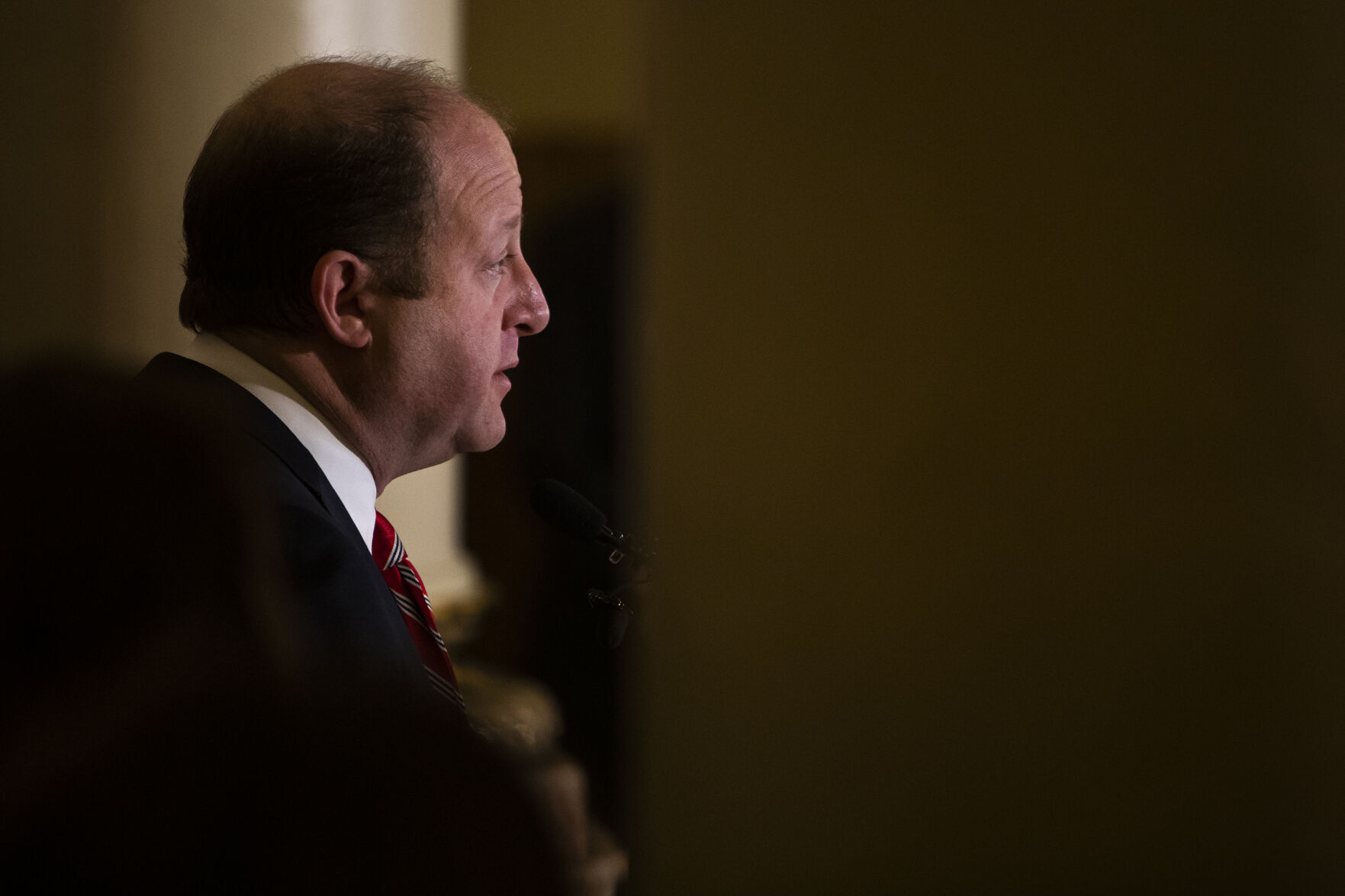
The Polis administration threatened the U.S. Environmental Protection Agency with legal action over pending plans to impose a more expensive blend of gasoline to reduce ozone pollution in the Denver metro area. I a letter to the EPA, Gov. Jared Polis called it “frustrating” that a federal law governing clean air standards attempts to impose a “decades-old, one-size-fits-all approach” that also “does not accurately account for Colorado’s unique situation.”
The Denver metro/Northern Front Range ozone non-attainment region faces a pending downgrade to “severe” status, under which residents will pay for the more expensive fuel – called reformulated gasoline – as soon as the summer 2024. At issue is the failure of Colorado to achieve EPA ozone-pollution standards for the region.
Noting the spike in gas prices and high inflation, the governor told EPA Administrator Michael Regan that Coloradans, particularly those of limited means, “should not bear the burden of this requirement.”
“Colorado hereby reserves the right to pursue any legal means we identify to correct this injustice and inequity, particularly when it leads to impacts like reformulated gasoline that impact hardworking Coloradans without significant benefit with regard to ozone attainment,” Polis said in his letter to Regan.
Polis didn’t specifically say his administration will sue the EPA, but Colorado, he said, “reserves the right to pursue any legal options.” That includes waivers, extensions or “state level actions to avoid undue economic strain on Coloradans,” he said.
The governor also asked the EPA to conduct a detailed cost-benefit analysis to measure the cost of reformulated gas and its benefits to human health and combating ozone pollution. He added that Colorado also will evaluate requesting an extension to the RFG requirement similar to what Georgia sought, based on fuel supply shortage, for the Atlanta area.
Greer Bailey, executive director of the Colorado Wyoming Petroleum Marketers Association, earlier said Polis and the EPA should take a “hard look” at what the mandate would cost Coloradans.
“This is by far one of the most expensive proposals that our regulatory partners could impose on our neighbors and families in the Front Range,” Bailey said. “I think it’s important that the governor and the EPA take a hard look, scientifically, of what the actual (ozone) reduction would be, because those costs are going to be significant on families trying to make their way.”
Bailey also said upgrading refineries to produce the new RFG blend could cost “tens of millions of dollars” and he expressed wariness that out-of-state refineries that supply gasoline to some 66% of Colorado might decide it’s not worth it to invest in such improvements.
The only refinery in Colorado, Suncor’s Commerce City facility, supplies about 33% of the state’s gasoline.
A Suncor spokesperson told The Denver Gazette last month that the refinery is “preparing to be able to produce RFG for the 2024 summer driving season, in accordance with Clean Air Act requirements for the area covered by the non-attainment severe’ designation.”
The total cost of the project, the company said, is estimated to be more than $36 million.
Polis’ current position stands in stark contrast to the approach he took in 2019.
Back in 2018, EPA determined that the Denver metro area and northern Front Range failed to meet air quality standards and prepared to downgrade the region’s status to “serious” non-attainment.
Then-governor and now U.S. Sen. John Hickenlooper asked the federal agency for an extension of time for the state to meet the standards.
The election that year ushered in a new administration, and about two months after assuming office, Polis withdrew Colorado’s extension request.
“We believe that the interests of our citizens are best served by moving aggressively forward and without delay in our efforts to reduce ground level ozone concentrations in the Denver Metro/North Front Range non-attainment area,” Polis said in his March 19, 2019, letter to the EPA.
The difference between 2019 and 2022 is the hefty gasoline price tag that would come with the latest downgrade.
Reporter Scott Weiser contributed to this article.

Colorado, some Coloradans make appearances in the Epstein Files
RACHAEL WRIGHT Special to The Gazette
rachael-wright-special-to-the-gazette@coloradopolitics.com
Updated 20 minutes ago
With the U.S. Department of Justice’s release of 3 million more files pertaining to convicted sex felon Jeffrey Epstein, multiple written mentions of alleged connections to Colorado towns and business owners have come to light. A word search of the documents for “Colorado” generates 1,485 hits, with inquiries for cities including Denver and Aspen generating several thousands more. Chad...
New Mexico launches ‘truth commission’ investigation into Jeffrey Epstein’s ranch | OUT WEST ROUNDUP
The Associated Press
the-associated-press@coloradopolitics.com
Updated 4 days ago
NEW MEXICO State investigates Epstein’s ranch SANTA FE — State legislators in New Mexico launched an investigation on Feb. 17 into past activity at a secluded desert ranch where financier and sex offender Jeffrey Epstein once entertained guests and whether...

Colorado’s federal judges maintain approach to immigration detentions while escalating warnings
Michael Karlik
michael.karlik@coloradopolitics.com
Updated 12 hours ago
Colorado’s federal judges are maintaining their view that the government’s assertion of broad immigration detention authority is unlawful, casting aside a recent appellate decision to the contrary as “unpersuasive” and out of step with the predominant interpretation by the judiciary....
In a meeting Colorado GOP chair Brita Horn calls ‘illegal,’ Republicans vote to demand her resignation
Ernest Luning
ernest.luning@coloradopolitics.com
Updated 13 hours ago
Roughly half the membership of the Colorado Republican Party’s state central committee on Saturday voted overwhelmingly to approve a resolution expressing “no confidence” in state GOP Chairman Brita Horn’s leadership and calling for her immediate resignation in an online meeting...

Colorado Medicaid probe uncovers millions of dollars in alleged transport fraud ring
Nico Brambila
nico.brambila@denvergazette.com
Updated 17 hours ago
Colorado Medicaid officials detected $25 million in abnormal billing over just four months two years ago — a surge that prompted a new state law and the suspension of dozens of providers in what authorities now describe as an organized...
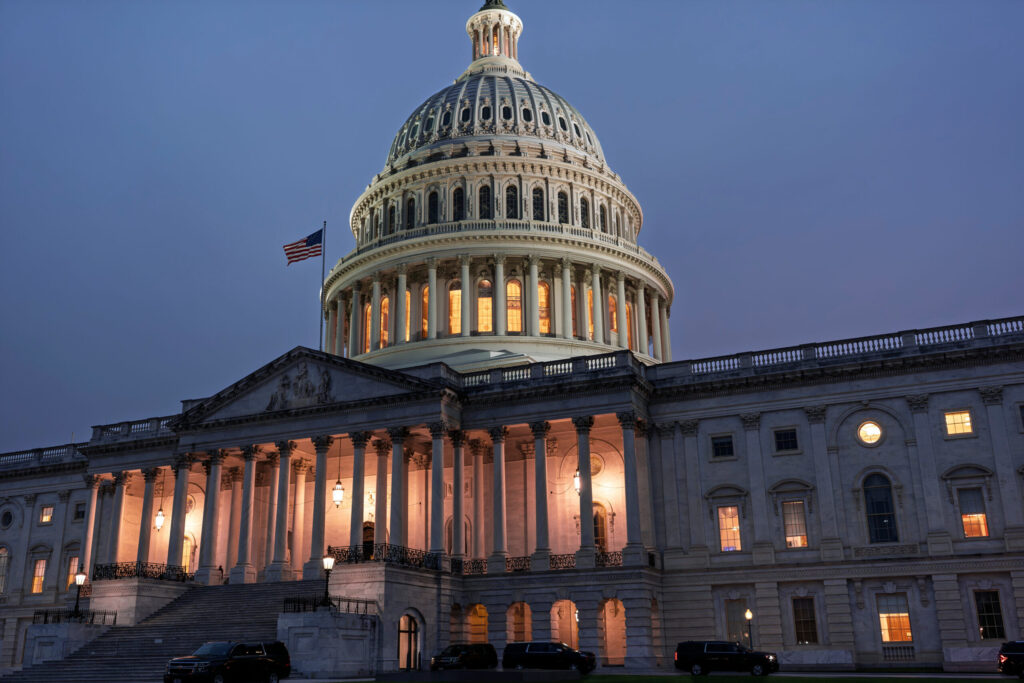
One small step for dialing back the partisanship | SONDERMANN
Eric Sondermann
eric-sondermann@coloradopolitics.com
Updated 3 days ago
Much ink, including a good deal of my own, has been spilled on the excesses of super-charged, toxic partisanship in this current era. Except for true believers along with those who profit from this all-consuming poison, there is broad agreement...
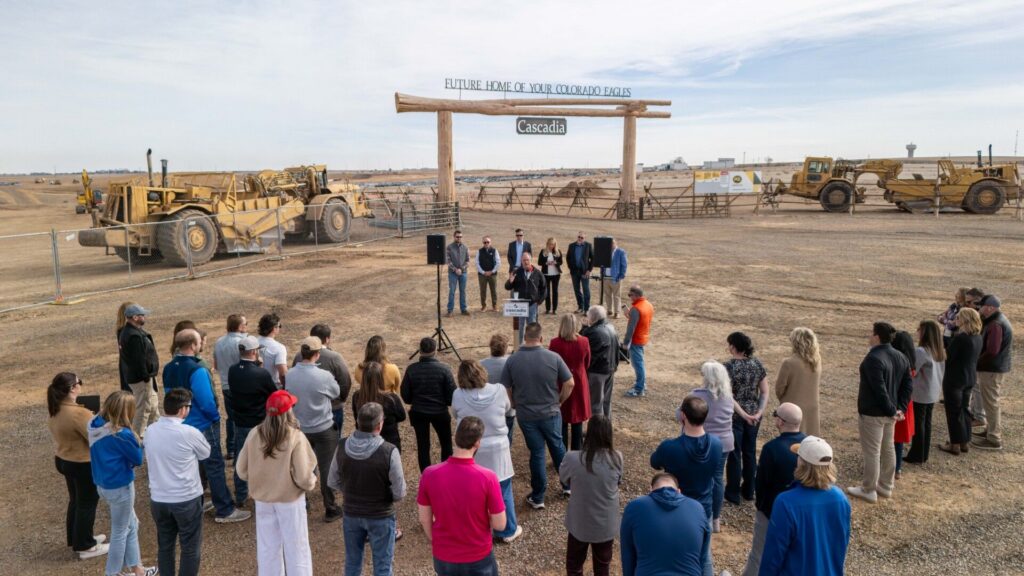
Greeley voters to decide fate of project that includes minor league hockey arena
Hap Fry, Special to The Gazette
hap-fry@gazette.com
Updated 17 hours ago
GREELEY • The fate of the Cascadia development — and quite possibly the future direction of the city — is in the hands of Greeley voters this Tuesday during a special city election on whether the landscape-altering project should be...

Colorado Politics Calendar Feb. 23-Mar. 1
Rachael Wright, Special to Colorado Politics
rachael.wright@coloradopolitics.com
Updated 4 days ago
CoPo’s weekly political calendar helps you find political and public policy events throughout Colorado. It includes candidate and issue campaign events, public policy meetings, court hearings, state and local party conventions, assemblies, debates, rallies, parades, speaking engagements, traveling dignitary appearances,...
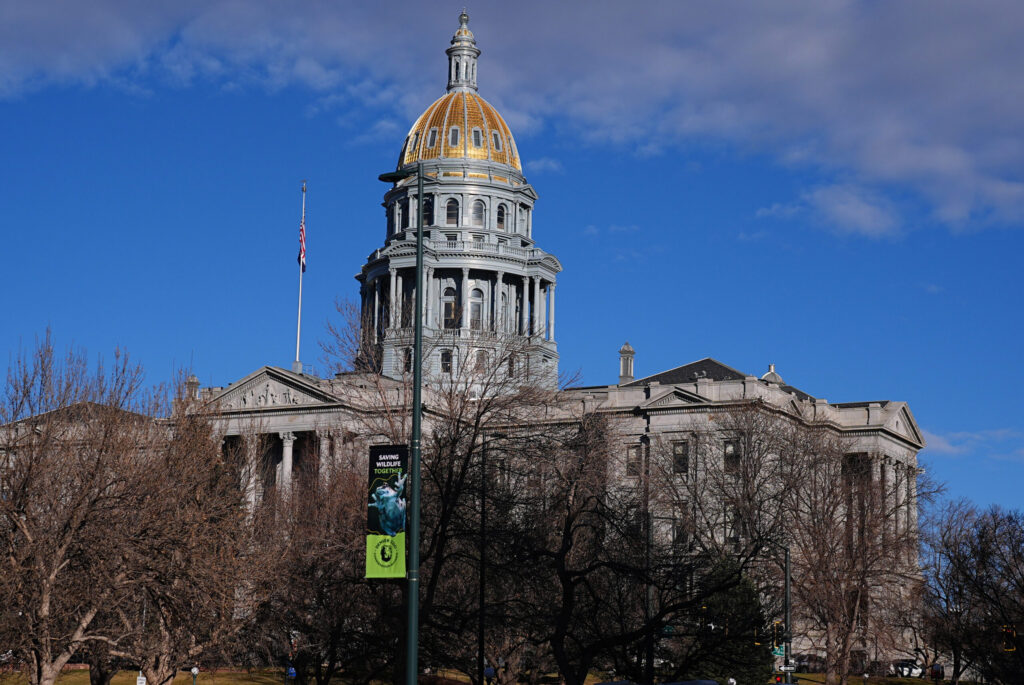
Meeker rancher leads one of Colorado’s earliest attempts to transfer federal lands | A LOOK BACK
Rachael Wright, Special to Colorado Politics
rachael.wright@coloradopolitics.com
Updated 3 days ago
Forty-Five Years Ago This Week: Former state Rep. Nick Theos, R-Meeker, was one of several people testifying before the Senate Agriculture Committee on Senate Bill 81-170, which would transfer ownership of public lands from the federal government to state control....
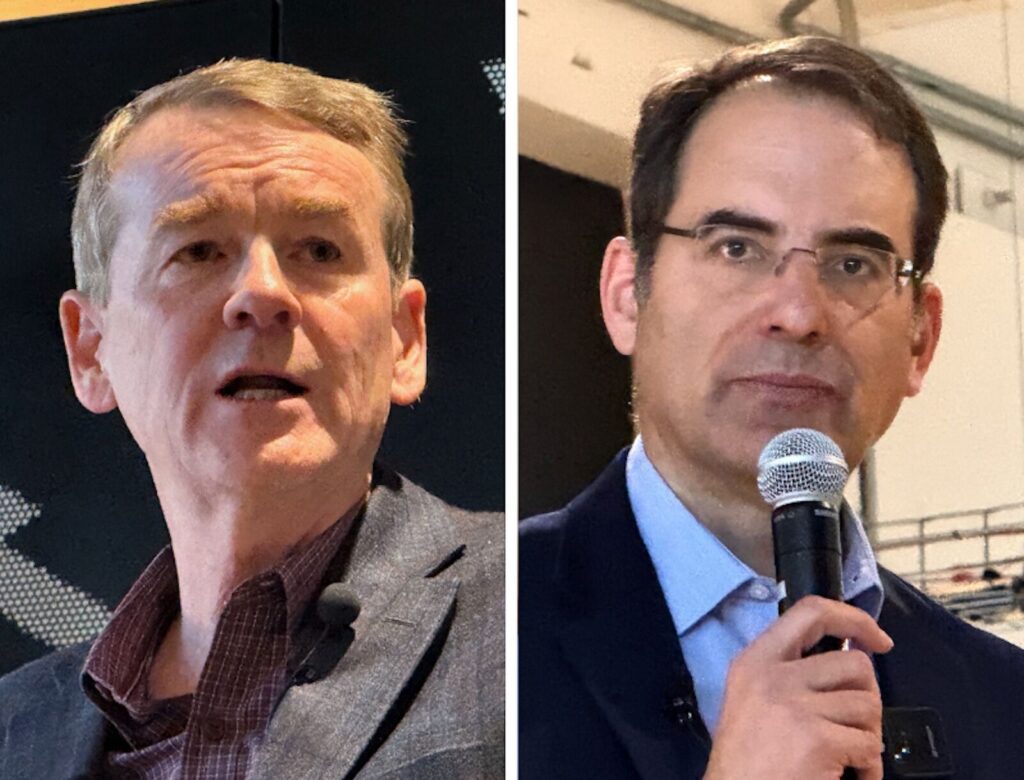
Democrats Michael Bennet, Phil Weiser make their cases to be Colorado’s next governor ahead of primary
Ernest Luning
ernest.luning@coloradopolitics.com
Updated 2 days ago
Nearly eight months before ballots will be counted in Colorado’s race for the its open gubernatorial seat, voters are lining up behind two of the state’s leading Democrats, who are facing off in a primary that will likely determine which...
PREV
PREVIOUS

State Supreme Court to examine foreclosure timeline, narrowly turns down DUI appeals
The Colorado Supreme Court has agreed to review a lower court’s ruling that banks and mortgage lenders argue gives an improper incentive to rapidly foreclose on certain homeowners. On Monday, the justices announced they will hear the case of U.S. Bank National Association v. Silvernagel, which centers on Colorado’s six-year statute of limitations for lenders to foreclose […]

Appeals court finds district attorney violated defendant's rights with comments
A prosecutor in Morgan County crossed the line by implying a defendant was guilty because he chose to exercise his constitutional right to stay silent, Colorado’s second-highest court ruled last week. The Fifth Amendment protects a criminal defendant’s right against self-incrimination, and it is part of the Miranda warning a suspect receives in custody. The […]