

Anxiety, substance use-related emergency room visits went up during first 18 months of pandemic: Report

Emergency room visits for substance-use issues and anxiety jumped during the first 18 months of the pandemic, an analysis of Colorado Medicaid data found, despite overall volumes in ERs across the state dropping.
The findings, released last week by the Colorado Department of Health Care Policy and Financing, further illustrate the breadth of the pandemic’s impact on the state’s health care system and residents.
It also matches what providers and individual hospital systems have reported: Utilization of ERs across the state plummeted early in the pandemic, in part because of fewer diseases were spreading among a socially distance population; public fear about catching COVID-19 in hospitals also played a role.
What’s next for Colorado hospitals, health care with staffing as COVID-19 pandemic ebbs?
At the same time, the stressors of the pandemic helped fuel a burgeoning mental health crisis. According to the report, ER visits for alcohol-related issues – the 13th most common reason pre-pandemic – jumped to 5th by September 2021 among Medicaid patients. Other state data further illustrates this trend: Alcohol-related deaths in Colorado jumped from 999 in 2017 to 1,543 in 2020 and 1,653 in 2021.
Visits for anxiety increased, as did those for substance-use issues. The health care policy and financing department found that substance-use problems became the 22nd most common reason for an ER visit among Medicaid members by September 2021, up from 30th pre-pandemic. Since the pandemic began, overdoses in Colorado – particularly those fueled by fentanyl – have skyrocketed.
Tamara Keeney, the research and analysis manager for the agency and the report’s primary author, said the findings about behavioral health were the most surprising.
Coloradans delayed care in the early months of the pandemic. The consequences will last for years.
The intent of the study was to find ways to reduce unnecessary emergency room use by the state’s Medicaid enrollees; the state incentivizes its regional Medicaid managers to help patients get treatment at a more appropriate setting, or earlier. But the past two years have instead been dominated by COVID-19, which initially drove down ER visits, and later lead to an increase in behavioral health concerns across the spectrum.
The report found that ER use among Medicaid members declined “substantially” after the onset of COVID-19. That trend is true across the entire state and nation. Some of it makes simple sense, officials have said: Fewer people out, fewer car accidents, or fights, or common infections spreading.
But missed or delayed treatment for heart attacks or strokes – as well as missed preventative care, like cancer screenings – will have impacts into the future, health officials have said, and it’s playing a role in why some hospitals are seeing sicker patients now than pre-pandemic.


Trump lowers flags to half-staff for Dolly Parton: ‘The World loves you’
Naomi Lim
naomi-lim@coloradopolitics.com
Updated 16 hours ago
President Donald Trump is honoring the life of country music legend and philanthropist Dolly Parton by ordering federal buildings across the country to lower flags to half-staff for a week. “Very sad to report that Dolly Parton, one of the...
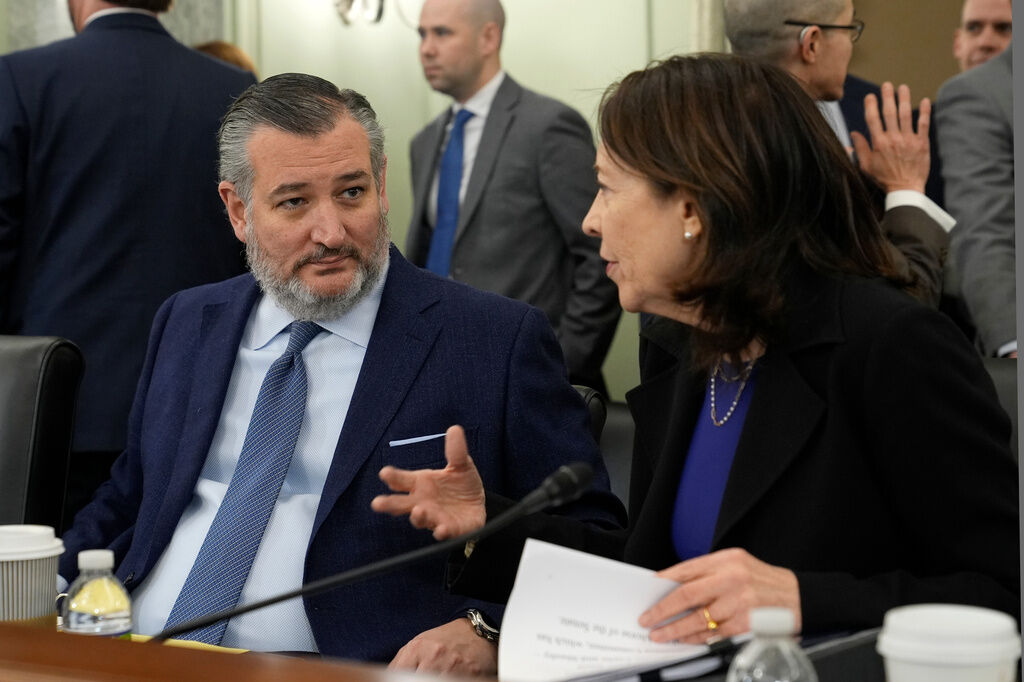
Ted Cruz suggests GOP realignment coming after Trump leaves office
Emily Hallas
emily-hallas@coloradopolitics.com
Updated 16 hours ago
Sen. Ted Cruz (R-TX) on Monday suggested the Republican Party could embrace a directional shift after President Donald Trump leaves office, a transition that promises to leave a gaping hole in the GOP. Cruz is known as a critical ally...
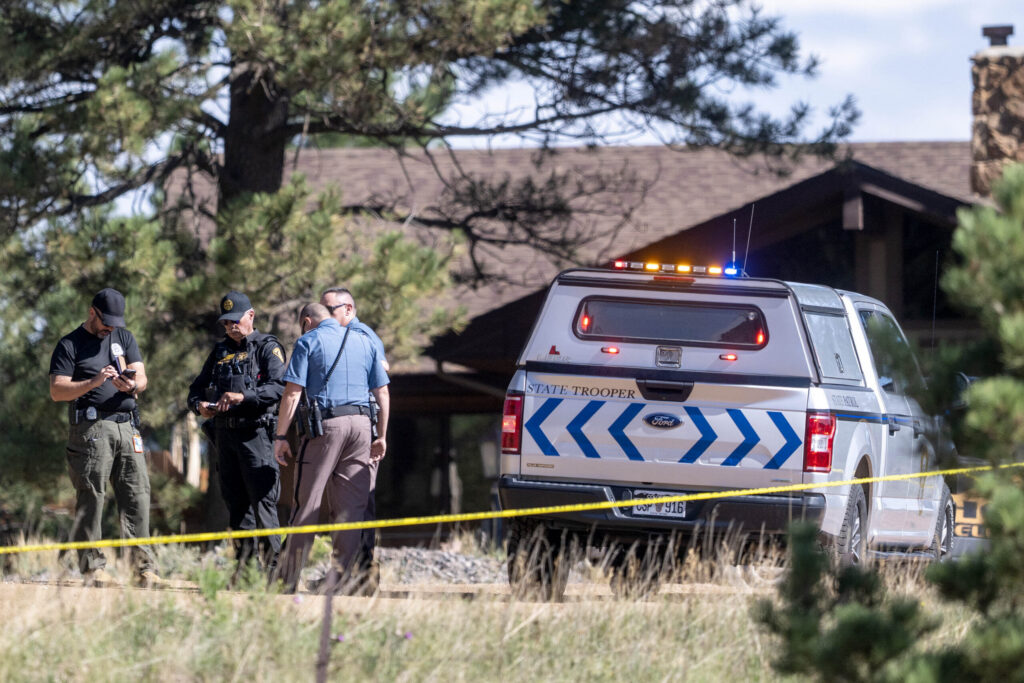
2 Colorado State troopers shot near Woodland Park; suspect killed
DEBBIE KELLEY
debbie-kelley@coloradopolitics.com
Updated 15 hours ago
Two Colorado State Patrol troopers were hospitalized, and a suspect is dead after a shooting during a traffic stop Tuesday. The initial incident happened at about 7:15 a.m., when a resident reported suspicious activity in the area near milepost 286...

Aurora moves forward with data center regulations
Kyla Pearce
kyla.pearce@gazette.com
Updated 16 hours ago
The Aurora City Council approved moving forward with two new regulations on data centers and directed staff to come back at the next study session with others. At a council meeting in early August, council members directed city management to...

Aurora City Council considers stricter food truck regulations
Kyla Pearce
kyla.pearce@gazette.com
Updated 16 hours ago
The Aurora City Council is considering passing laws to limit the number of food trucks on properties in the city and how and when they operate. Councilmember Angela Lawson, who sponsored the ordinance, said she understands the importance of food...

Denver murder conviction reversed for incomplete self-defense instruction
Michael Karlik
michael.karlik@coloradopolitics.com
Updated 14 hours ago
Colorado’s second-highest court reversed a defendant’s murder conviction last week because a Denver judge gave an incomplete instruction to the jury about the man’s right to self-defense. Donald R. Gonzales and Gary McLaughlin met up in a Capitol Hill parking...
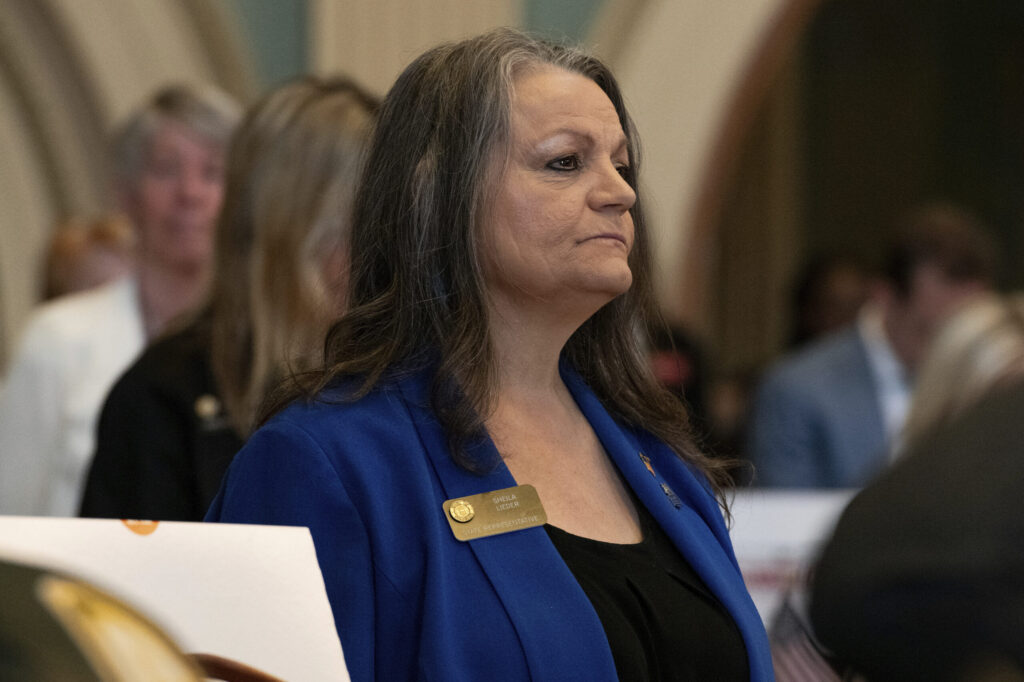
Colorado lawmaker, House leaders named in workplace-retaliation lawsuit
Marianne Goodland
marianne.goodland@coloradopolitics.com
Updated 16 hours ago
A former legislative aide has filed a lawsuit alleging she was mistreated, illegally directed to perform campaign work and harmed by a House leadership structure she charged was fragmented, politicized and ineffective at protecting employees. The lawsuit, filed by Jennifer...

Secret Service confirms awareness of Iranian state media video threatening Barron Trump’s life
The Associated Press
the-associated-press@coloradopolitics.com
Updated 21 hours ago
WASHINGTON (AP) — The U.S. Secret Service has confirmed it is aware that Iranian state media has aired a video that appears to threaten the life of Barron Trump, President Donald Trump’s youngest son. “The U.S. Secret Service is aware...

Federal judge hears arguments about Colorado’s 3-day gun purchase waiting period
Michael Karlik
michael.karlik@coloradopolitics.com
Updated 21 hours ago
A federal judge heard arguments on Monday about the constitutionality of a 2023 Colorado law that generally imposes a three-day waiting period on firearm purchases after the initiation of a background check. The test that the U.S. Supreme Court created...

Denver auditor finds oversight failures in $175.6M 16th Street project
Nico Brambila
nico.brambila@denvergazette.com
Updated 15 hours ago
Surprise historic sewer discovery delayed completion a year, cost $18M The Denver Auditor recently found significant oversight and contracting problems with the $175.6 million 16th Street Improvement Project, including an $18 million contract increase and a nearly one-year extension that...
PREV
PREVIOUS

Son of U.S. Secretary of Agriculture Tom Vilsack appointed as BLM Colorado State Director
Doug Vilsack, son of U.S. Secretary of Agriculture Tom Vilsack, was appointed as the new Colorado State Director of the Bureau of Land Management Wednesday. Vilsack, the current assistant director for Colorado parks, wildlife and lands with the Colorado Department of Natural Resources, will begin work Aug. 14 at the state BLM offices in Lakewood. […]

Colorado's first West Nile case of 2022 identified in Delta County
A Delta County resident has tested positive for West Nile virus, the state said Friday afternoon, confirming Colorado’s first confirmed human case of the disease this year. The first case arrived unseasonably late in Colorado; previous state data indicates infections often begin in the spring. The virus had previously been detected here this year: Mosquitoes […]