

Denver Gazette: Reforms needed in judging our judges
The judiciary is so powerful — and in some ways, so cloaked in secrecy — it warrants all the transparency and accountability it can muster. It must not ever appear to be above the very laws it is charged with interpreting and enforcing.
Yet, in the light of a controversy that has rocked Colorado’s highest court — and that has been covered doggedly by The Gazette — it is clear our state’s court system has fallen far short of that mark.
What the reporting has revealed is a disturbing saga involving the courts. It amounts to a fundamental breakdown in accountability by the Colorado Judicial Department and the Colorado Supreme Court, which presides over the department.
Early last year, the public learned the court’s then-chief justice allegedly approved a multimillion-dollar contract for a high-level employee who faced firing and had threatened a tell-all sex-discrimination lawsuit. The suit promised to reveal years of alleged judicial misconduct that went unpunished or was covered up.
Instead of being forthcoming and helping investigate the allegations, the Judicial Department has stonewalled.
The public — which looks to the courts to interpret and uphold the rule of law and to mete out justice — has been left to wonder whether the contract, later canceled, was awarded as hush money. Much of the state’s political establishment and leadership have been wondering, as well — about that allegation and others that have turned up since.
Even the Colorado Commission on Judicial Discipline, which is supposed to get to the bottom of such allegations, has been shut out by the Supreme Court itself. The commission released a report last month accusing the Judicial Department of refusing to comply with a subpoena the commission had issued five months earlier in its inquiry into the alleged judicial misconduct. The Supreme Court also refused to issue the funding the commission needed to pay the investigators it hired.
The allegations in fact spurred multiple investigations and audits, as detailed in Gazette coverage — and all the inquiries have run into one hurdle or another.
This week, a special legislative committee looking into the discipline of judges and the need for reform heard testimony from some of those who have been trying to get answers. As reported by The Gazette, reform advocates testified that Colorado’s current method of investigating and disciplining judges should be scrapped for a more independent and transparent process.
“The walls between the (commission) and public should come down,” Chris Forsyth, executive of The Judicial Integrity Project told the lawmakers. “Reduce the appearance that courts are for the wealthy and the elite. This is the path toward judicial integrity.”
Forsyth suggested that a commission appointed by various government officials and the governor should replace the current, 10-member discipline commission appointed by the chief justice and governor.
Perhaps such a reconfigured commission could be vested with the authority and independence needed to take even the highest court to task if needed.
And the public should then have access to what the commission learns, as well. As noted in this week’s Gazette report, Colorado is one of 15 states where the work of its judicial discipline commission is secret until discipline is rendered. The process is public in the other 35 states once the investigation of a complaint is finished and charges are instituted.
Whatever form the reform takes, it can’t come too soon even if it does mean going to the voters to make the necessary constitutional changes to the process. We cannot afford to lose any more confidence in those who wield the gavel in our system of justice.
Denver Gazette editorial board

It’s time to let unaffiliated voters caucus | Vince Bzdek
Vince Bzdek
vince.bzdek@gazette.com
Updated 15 hours ago
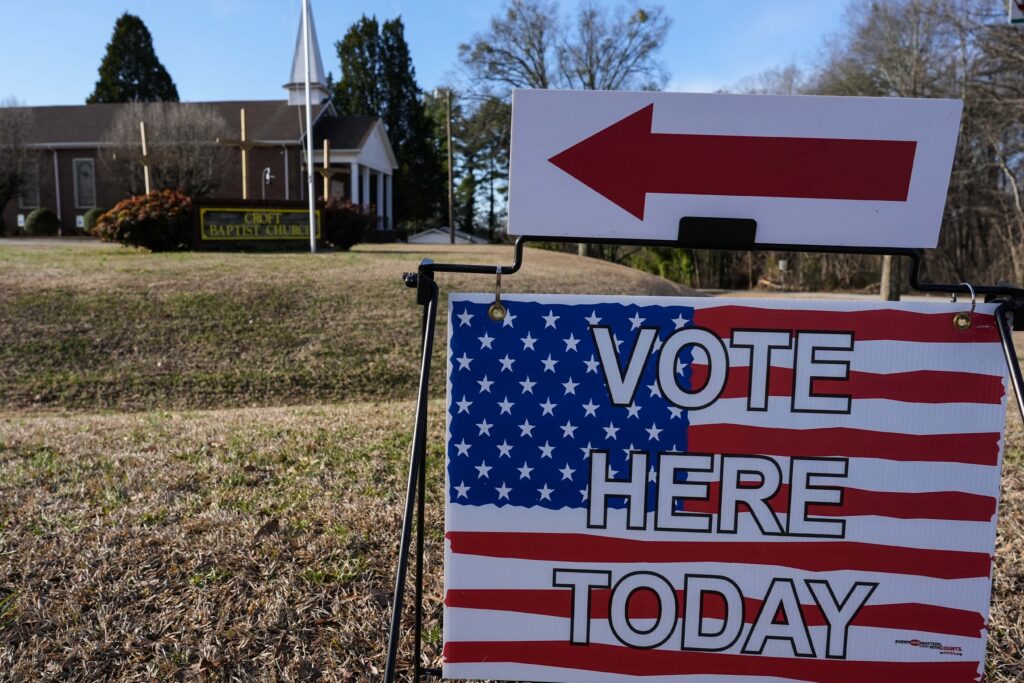
There’s no getting around it: Colorado’s 3,000 county caucuses, which just wrapped up recently, left half the electorate out in the cold. Since unaffiliated voters now make up 51% of all Colorado voters, a majority of Colorado electors are barred...
A Mile High, again: Capitol M | Week of March 21, 2026
Marianne Goodland
marianne.goodland@coloradopolitics.com
Updated 3 days ago
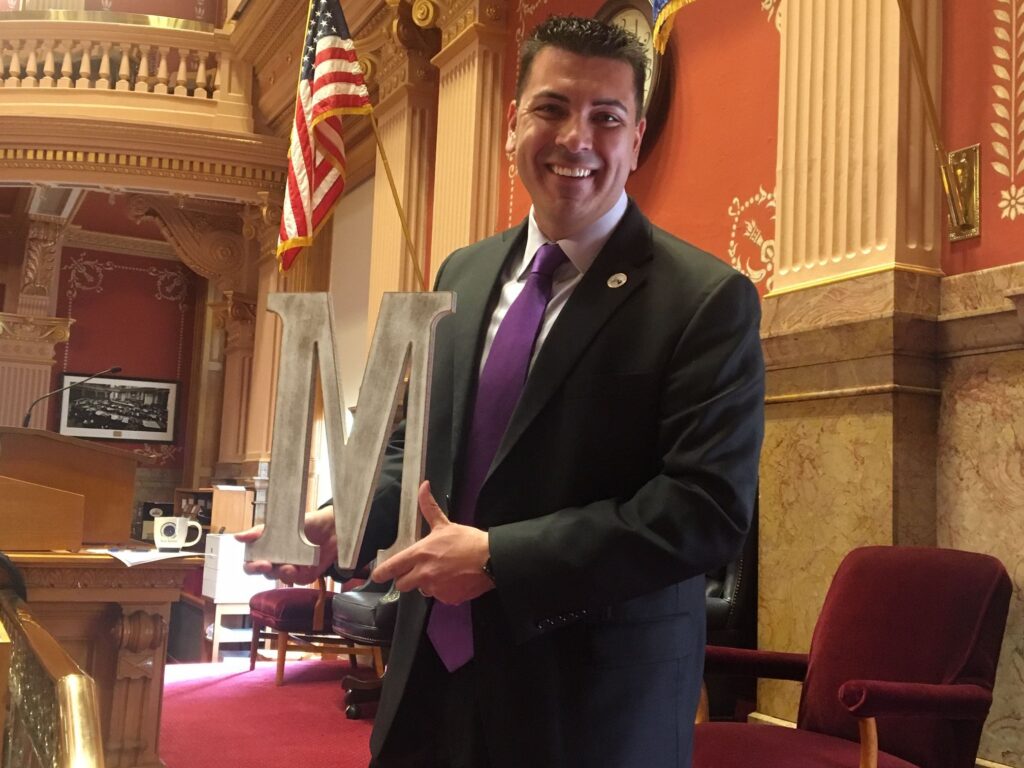
The lighter side of the Capitol, usually…. Local Journalism Day, except they forgot their very own local journalists. The state Senate on Thursday, March 19, passed a resolution recognizing Local Journalism Day. Everyone voted for it, which is good, because...

The insular bubble of caucuses and assemblies | SONDERMANN
Eric Sondermann
eric-sondermann@coloradopolitics.com
Updated 2 days ago
Nearly 30 years ago, then-Federal Reserve Chairman Alan Greenspan coined the term “irrational exuberance” to describe the overheated stock market. That descriptive phrase could also apply to much of the political realm. The hype in politics often grossly exceeds the...

Set appropriate state guidelines for critical surveillance technology | OPINION
Colorado Politics
colorado-politics@coloradopolitics.com
Updated 2 days ago
I admit it: I’m worried. I’m hearing a lot about surveillance in the public arena. I hear cameras are capturing my car’s license plate wherever I drive, my face as I go in and out of stores and health facilities,...

Puppy trafficking bill promotes inhumane breeding | OPINION
Colorado Politics
colorado-politics@coloradopolitics.com
Updated 2 days ago
By Patti Strand When Justice Thurgood Marshall wrote “The Constitution does not prohibit legislatures from enacting stupid laws,” he wasn’t wrong. He was referring to a political process sometimes ill-equipped to deal with complex issues that require subject-matter knowledge and a...
Penny wise but foolish by pounds | Paula Noonan
Paula Noonan
paula-noonan@coloradopolitics.com
Updated 3 days ago
Leadership of Colorado’s General Assembly introduced the Fiscal Year 2026-2027 Legislative Appropriation bill, HB26-1333, at $75.72 million. That will be the budget to run the state legislature next year. About $74 million comes out of the general fund and the...

Proposed evictions bill fails to improve housing stability while threatening higher rents | OPINION
Colorado Politics
colorado-politics@coloradopolitics.com
Updated 3 days ago
No landlord wants to evict a tenant for non-payment of rent. That is true for large housing providers, small “mom-and-pop” owners and nonprofit housing rental providers alike. Evictions are financially and emotionally costly for everyone involved. But when rent goes unpaid, eviction...

Prevention works — invest in conflict prevention with wolves | FEEDBACK
Colorado Politics
colorado-politics@coloradopolitics.com
Updated 3 days ago
The recent reporting on Colorado’s wolf depredation payouts exceeding $700,000 highlights a critical problem with the current approach to wolf recovery: current mainstream systems focus on compensation and ineffective reactive non-lethals. These systems are not designed to prevent conflict but attempts...
Colorado’s clean-energy future must be affordable for older adults | PODIUM
Colorado Politics
colorado-politics@coloradopolitics.com
Updated 3 days ago
By Jason DeaBueno Last winter, one of the older adults we serve at Silver Key shared something that has stayed with me. She begun turning her heat down at night — not because she wanted to, but because she was...
Why Denver should care about conservation easements — even if you’ve never set foot on a ranch | OPINION
Colorado Politics
colorado-politics@coloradopolitics.com
Updated 4 days ago
By Jason Swann I live in Denver. I drink tap water from my kitchen sink, hike close to home when I can, worry about wildfire smoke every summer, and try, like many families, to keep up with the rising cost...
PREV
PREVIOUS

BIDLACK | Trump, Boebert and Peters, oh my
Hal Bidlack As I sit down to write my twice-weekly columns, I am usually full to bursting with ideas on a story that has appeared in Colorado Politics, a story upon which I feel the need to pontificate and, well, often bluster. Today is not one of those days. Instead, I find that there are […]
Durango Herald: Cartoonists deserve Pulitzers
Prestigious prizes are awarded annually to cartoonists and illustrators for journalism excellence, and the Pulitzer Prize is as distinguished as they come. It’s the highest honor, the crowning achievement. We’re biased, but we see our in-house cartoonist Wes Rowell as worthy of being in this company. By Jan. 25 of every year, about 1,100 journalism […]