

Colorado exempts period products, diapers from sales tax

Beginning in 2023, period products and diapers will be exempt from sales tax in Colorado – thanks to legislation signed into law on Friday.
House Bill 1055 expands sales tax exemptions for the products, including tampons, pads, menstrual cups, sponges, sanitary napkins and panty liners, as well as adult and youth diapers starting on Jan. 1 of next year.
“For too long, too many Coloradans have been going without period products, diapers and essential hygiene products,” said Rep. Leslie Herod, D-Denver, who sponsored the bill. “Our law slashes the state sales tax on these items because they’re essential for millions of people. Together, we’re moving closer to a future of affordable hygiene products for all.”
Nationally, one in four teenagers reported missing school because they did not have access to period products, according to a 2019 study commissioned by Thinx and PERIOD. Before the COVID-19 pandemic, one in three American families could not afford needed diapers, said the baby gear nonprofit WeeCycle.
Colorado families spend an average of $15 per month on period products per family member who needs them, according to the Women’s Foundation of Colorado. For diapers, families spend approximately $75 per month per child. The state estimates the new tax exemption will save Colorado consumers approximately $9.1 million annually.
Other products currently exempt from sales tax in Colorado are unprepared food, corrective eyeglasses, contact lenses, hearing aids and medications, including Viagra.
“Every Coloradan deserves to live with dignity, but for far too many, their inability to pay for basic human needs like period products and diapers means they can’t,” said bill sponsor Sen. Faith Winter, D-Westminster. “This is a commonsense step in the right direction that will help countless families afford these products so they can maintain their own health and care for their loved ones.”
The bill received substantial bipartisan support in the legislature, passing the Senate in a 26-9 vote and the House in a 50-13 vote. In both chambers, only Republican lawmakers voted against the bill.
Opponents in the Senate did not explain their “no” votes, but in the House, many said the bill doesn’t go far enough to save families money and that it should also provide tax exemptions for baby formula.



Ski patrollers end strike against Telluride
RACHAEL WRIGHT Special to The Gazette
rachael-wright-special-to-the-gazette@coloradopolitics.com
Updated 7 hours ago
After 13 days, the longest ski patrol strike in U.S. history has come to an end. On Dec. 27, the 72-member Telluride Professional Ski Patrol Association voted to go on strike after approaching Telluride Ski Resort (Telski) owner Chuck Horning...
Appeals judge urges restraint in labeling new offenses serious across board
Michael Karlik
michael.karlik@coloradopolitics.com
Updated 8 hours ago
A member of the state’s second-highest court urged his colleagues on Thursday to pump the brakes before declaring new offenses “grave or serious” in every possible scenario. The Eighth Amendment’s prohibition on cruel and unusual punishment means sentences cannot be...
Federal judge opens new front in effort to increase magistrate judge handling of civil cases
Michael Karlik
michael.karlik@coloradopolitics.com
Updated 8 hours ago
One of Colorado’s federal judges rang in the new year with a new effort to spread out the U.S. District Court’s civil caseload among its roster of magistrate judges. “NOTICE ENCOURAGING CONSIDERATION OF CONSENT,” Judge S. Kato Crews has written...

Vance announces new assistant attorney general position to focus on fraud
Christian Datoc, Washington Examiner
christian.datoc.washington.examiner@gazetteedit.wpenginepowered.com
Updated 11 hours ago
Vice President JD Vance announced Thursday that President Donald Trump is creating a new attorney general position to lead government efforts to investigate and prosecute fraud cases. Vance joined White House press secretary Karoline Leavitt at an unscheduled briefing Thursday...

House rejects effort to override presidential veto for Colorado Water Project
Marianne Goodland
marianne.goodland@coloradopolitics.com
Updated 7 hours ago
The U.S. House of Representatives on Thursday rejected a Colorado-led effort to override a Dec. 30 presidential veto of a measure that would have helped finance the Arkansas Valley conduit. The measure, known as H.R. 131 and sponsored by U.S....
As lawmakers return, federal pressure and fiscal stress could shape Colorado’s 2026 session
Marissa Ventrelli
marissa.ventrelli@coloradopolitics.com
Updated 8 hours ago
The eight months since lawmakers wrapped up the 2025 legislative session have been anything but quiet. Federal funding cuts, a flurry of presidential executive orders, an election year fast approaching, and a projected $1.2 billion budget shortfall are all converging,...
Senate Democrats announce committee assignments for 2026 session
Marissa Ventrelli
marissa.ventrelli@coloradopolitics.com
Updated 14 hours ago
Democratic Senate Majority Leader Robert Rodriguez, D-Denver, announced committee assignments for the 2026 legislative session on Wednesday. “Committees are crucial to the legislative process – they’re where we deliberate, hear from the public, and fine-tune policies so that they can...

Jared Polis calls Minnesota ICE shooting ‘deeply disturbing,’ wants full investigation
Dan Boniface
dan.boniface@denvergazette.com
Updated 13 hours ago
Colorado Gov. Jared Polis on Wednesday characterized a fatal shooting involving federal immigration agents in Minnesota that took the life of a mother from Colorado as “deeply disturbing” and called for a full investigation. The shooting, captured on video in...
Colorado lawmakers hear from chief justice about security needs, new judges
Michael Karlik
michael.karlik@coloradopolitics.com
Updated 1 day ago
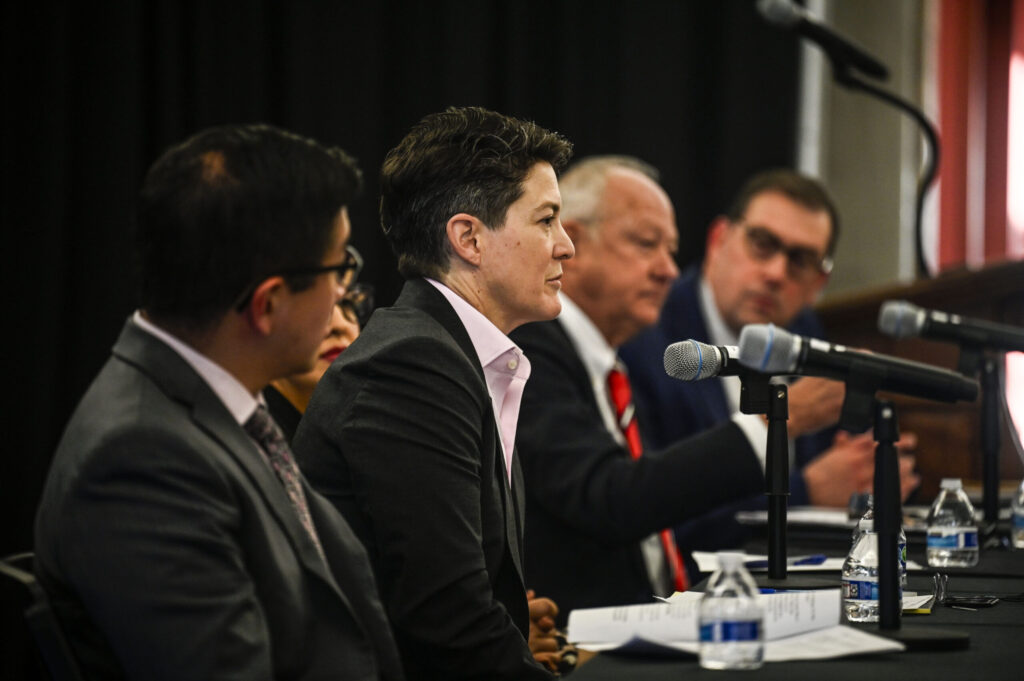
Chief Justice Monica M. Márquez asked members of the legislature’s Joint Budget Committee on Tuesday to stay the course and fund the 10 new trial judgeships that Colorado lawmakers approved last year, and also explained her vision for enhancing judicial...
Douglas County commissioners ponder revisiting ‘home rule’ proposal after last year’s failure
Noah Festenstein
noah.festenstein@denvergazette.com
Updated 7 hours ago
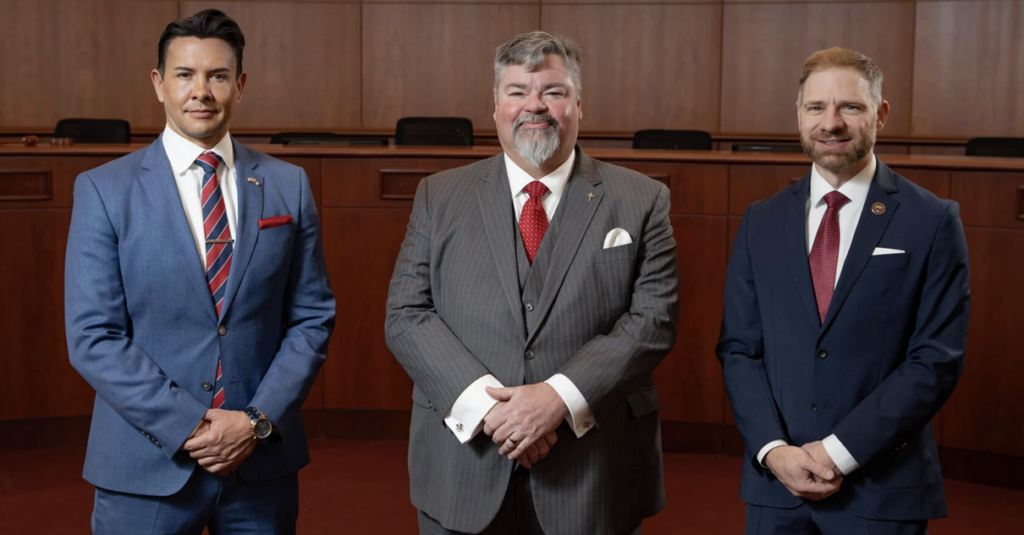
The future of Douglas County chasing “home rule” status may not be in the hands of commissioners, but instead by residents who are considering placing the issue back on the ballot, according to one commissioner. Last March, Douglas County commissioners...
PREV
PREVIOUS

Polis signs bills on homelessness, election security, environment, recycling, wildfire prevention
Gov. Jared Polis signed dozens of bills into law this week, including measures to create a statewide recycling program, improve election security and adopt stringent environmental regulations. House Bill 1355 aims to boost the state’s abysmal recycling rate by creating a recycling program funded by dues from companies that produce plastic packaging, primarily retailers and beverage […]

Canada Prime Minister Justin Trudeau to visit Colorado Springs, NORAD
Canadian Prime Minister Justin Trudeau on Friday announced that he will travel to Colorado Springs to visit the North American Aerospace Defense Command headquarters. Trudeau’s office announced that he will visit NORAD at Peterson Space Force Base on Tuesday before traveling to Los Angeles to participate in the ninth Summit of the Americas, hosted by […]