

BIDLACK | Looking to the stars for tourism dollars
OK, let’s get one thing straight right from the start: I’m a nerd.
I know, I know, my regular reader (hi Jeff!) and the rest of you nice folks likely think of me as dashing, debonair, and modest to a fault (Ed: really? We are going there?). But if truth be told, I’m a life-long geek, nerd, or whatever term seems right to you.
As proof, as I type these words, I am but a few feet from my not one but two telescopes for observing the night sky. I’ve been an amateur astronomer since high school, where I founded and then ran the school’s astronomy club. Heck, for five years I created and hosted a weekly astronomy show on my local NPR station.
So, yes, I’m a nerd.
But I’m also a Colorado politics nerd, and so I was excited to see a story on a travel website about the possible creation of only the second dark sky reserve in the United States. What is a dark sky reserve? Well, simply put, it is a place where the residents agree to regulate the type of lights they use in their homes and businesses in order to minimize illuminating the night sky, a phenomena called light pollution.
If completed and certified by the International Dark Sky Association, Colorado’s park in the state’s southwest will be nine times bigger than Los Angeles and will have some of the darkest skies in the world. We already have some certified dark sites (the city of Westcliffe is one) and this will be yet another great thing for Colorado.
Why does any of that really matter though?
Well, from an astronomer’s point of view, dark skies are truly wonderful. My local astronomy club (CSAstro.org) owns 35 acres of land outside Gardner, which will be on the edge of the proposed dark sky reserve. On our site we have some of the darkest skies you will ever see. We host an annual gathering in June called Rocky Mountain Star Stare (rmss.org) when more than 300 astronomers gather to hear great speakers and to bask in the amazing views of the Colorado night sky.
Because there are no lights nearby, our site is so dark that you can walk among the hundreds of telescopes set up just by the light cast by the Milky Way. I once used one of my telescopes to show the planet Pluto to a visiting scientist, an object so dim it should be invisible, as it is in all but the darkest skies. But at our site (cleverly called “Starry Meadows”) you can see such wonders, because it is truly, truly dark there. Oh, and that scientist had recently worked on the probe that went to Pluto, but she had never actually seen it with her own eyes.
So why should you care about dark skies and the proposed reserve? Well, if you have no interests in looking up, you might well have interests in the economic impact of dark-sky sites. As it happens, astronomers are often willing to travel to dark skies to observe, and when they do, they spend money. Westcliffe agreed to put limits on lighting not merely out of scientific interest, but also because dark skies mean money spent by visiting astronomers. This new reserve could prove a significant financial boon to the entire area. Heck, our little star party brings people from thousands of miles around and they spend money on gas, food, camping supplies, and such.
Lots of folks get uneasy when we talk about limiting night lighting. But it really isn’t that big a deal. We are not talking about no lights; we are talking about smart lights. You are wasting your money when you have lights that shine up, for example. And the old notion that bright lights stop criminals isn’t really true either, as criminals need light to see what they are doing. You can get a much fuller explanation of the benefits of dark skies by visiting the International Dark-Sky Association’s website, DarkSky.org.
The folks working on the new reserve still have some hoops to jump through, and it will likely be the end of the year before we see any formal certification by the IDA. And these folks are not the only ones that see the benefits of getting a dark-sky rating. The Florissant Fossil Beds National Monument partners with my local club to put on monthly star parties throughout the year, which generates additional park income. Oh, and last year, they were designated as a dark sky park by the IDA, which also generates attention and visitors for the National Park Service.
Dark skies are a good thing. Fully 20% of Americans live in places where light pollution prevents them from seeing the magnificent Milky Way. If you live in Chicago, you see about 20 to 30 stars at night. If you are standing in lower Manhattan, you see exactly zero stars.
But here in Colorado in a dark sky location, you’ll see 5,000.
Colorado will benefit, both financially and, well, emotionally and spiritually, by protecting the dark night sky. When I show someone the planet Saturn in my telescope for the first time, there is almost always an audible gasp at the beauty and the reality of what they are seeing. When we show people distant galaxies, the remnants of dead super nova star explosions, or the rusty surface of Mars, we see eyes widen, both literally and metaphorically. It is a good thing that we may soon see a huge dark sky reserve in Colorado. I urge you to go and always remember to keep looking up.
Oh, and go spend money in Westcliffe and such.
Hal Bidlack is a retired professor of political science and a retired Air Force lieutenant colonel who taught more than 17 years at the U.S. Air Force Academy in Colorado Springs.

It’s time to let unaffiliated voters caucus | Vince Bzdek
Vince Bzdek
vince.bzdek@gazette.com
Updated 17 hours ago
There’s no getting around it: Colorado’s 3,000 county caucuses, which just wrapped up recently, left half the electorate out in the cold. Since unaffiliated voters now make up 51% of all Colorado voters, a majority of Colorado electors are barred...
A Mile High, again: Capitol M | Week of March 21, 2026
Marianne Goodland
marianne.goodland@coloradopolitics.com
Updated 3 days ago
The lighter side of the Capitol, usually…. Local Journalism Day, except they forgot their very own local journalists. The state Senate on Thursday, March 19, passed a resolution recognizing Local Journalism Day. Everyone voted for it, which is good, because...
The insular bubble of caucuses and assemblies | SONDERMANN
Eric Sondermann
eric-sondermann@coloradopolitics.com
Updated 3 days ago
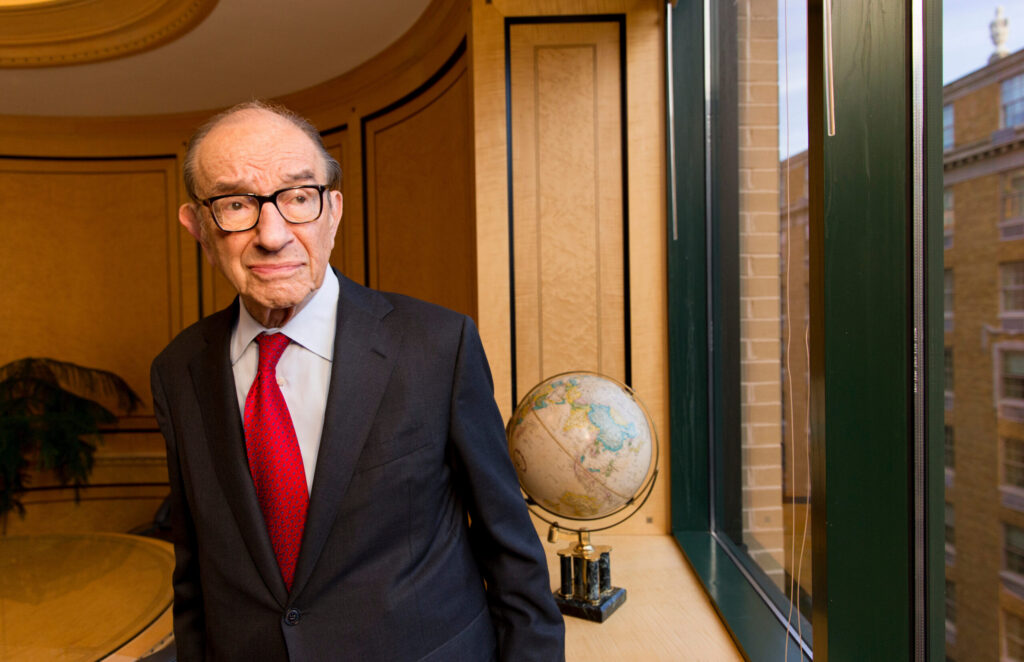
Nearly 30 years ago, then-Federal Reserve Chairman Alan Greenspan coined the term “irrational exuberance” to describe the overheated stock market. That descriptive phrase could also apply to much of the political realm. The hype in politics often grossly exceeds the...
Set appropriate state guidelines for critical surveillance technology | OPINION
Colorado Politics
colorado-politics@coloradopolitics.com
Updated 2 days ago
I admit it: I’m worried. I’m hearing a lot about surveillance in the public arena. I hear cameras are capturing my car’s license plate wherever I drive, my face as I go in and out of stores and health facilities,...
Puppy trafficking bill promotes inhumane breeding | OPINION
Colorado Politics
colorado-politics@coloradopolitics.com
Updated 2 days ago
By Patti Strand When Justice Thurgood Marshall wrote “The Constitution does not prohibit legislatures from enacting stupid laws,” he wasn’t wrong. He was referring to a political process sometimes ill-equipped to deal with complex issues that require subject-matter knowledge and a...
Penny wise but foolish by pounds | Paula Noonan
Paula Noonan
paula-noonan@coloradopolitics.com
Updated 3 days ago
Leadership of Colorado’s General Assembly introduced the Fiscal Year 2026-2027 Legislative Appropriation bill, HB26-1333, at $75.72 million. That will be the budget to run the state legislature next year. About $74 million comes out of the general fund and the...
Proposed evictions bill fails to improve housing stability while threatening higher rents | OPINION
Colorado Politics
colorado-politics@coloradopolitics.com
Updated 3 days ago
No landlord wants to evict a tenant for non-payment of rent. That is true for large housing providers, small “mom-and-pop” owners and nonprofit housing rental providers alike. Evictions are financially and emotionally costly for everyone involved. But when rent goes unpaid, eviction...
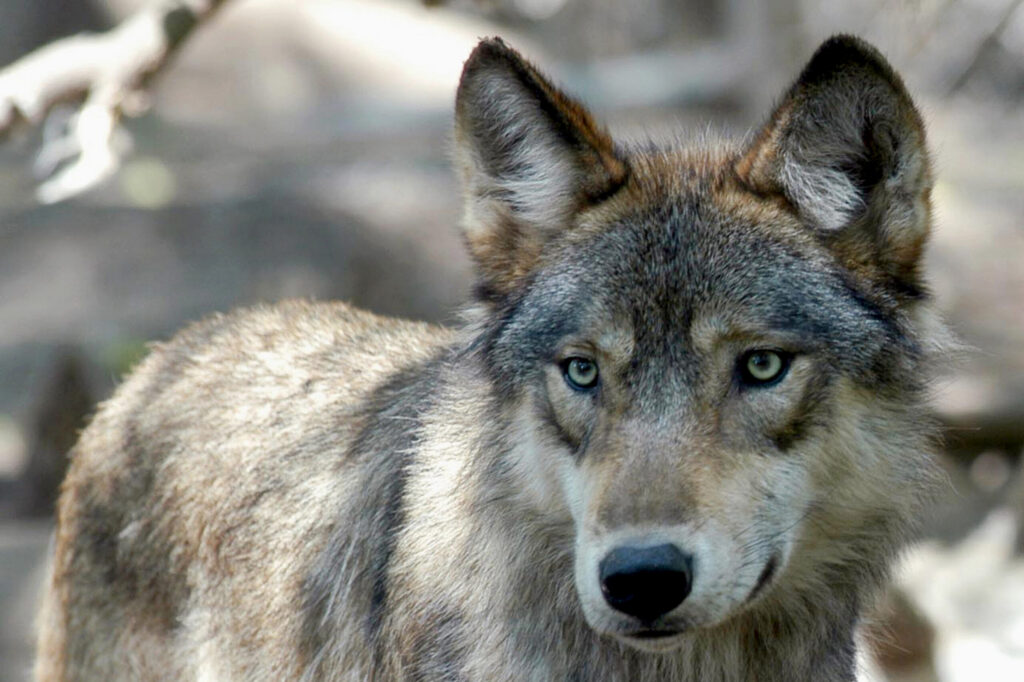
Prevention works — invest in conflict prevention with wolves | FEEDBACK
Colorado Politics
colorado-politics@coloradopolitics.com
Updated 3 days ago
The recent reporting on Colorado’s wolf depredation payouts exceeding $700,000 highlights a critical problem with the current approach to wolf recovery: current mainstream systems focus on compensation and ineffective reactive non-lethals. These systems are not designed to prevent conflict but attempts...
Colorado’s clean-energy future must be affordable for older adults | PODIUM
Colorado Politics
colorado-politics@coloradopolitics.com
Updated 3 days ago
By Jason DeaBueno Last winter, one of the older adults we serve at Silver Key shared something that has stayed with me. She begun turning her heat down at night — not because she wanted to, but because she was...
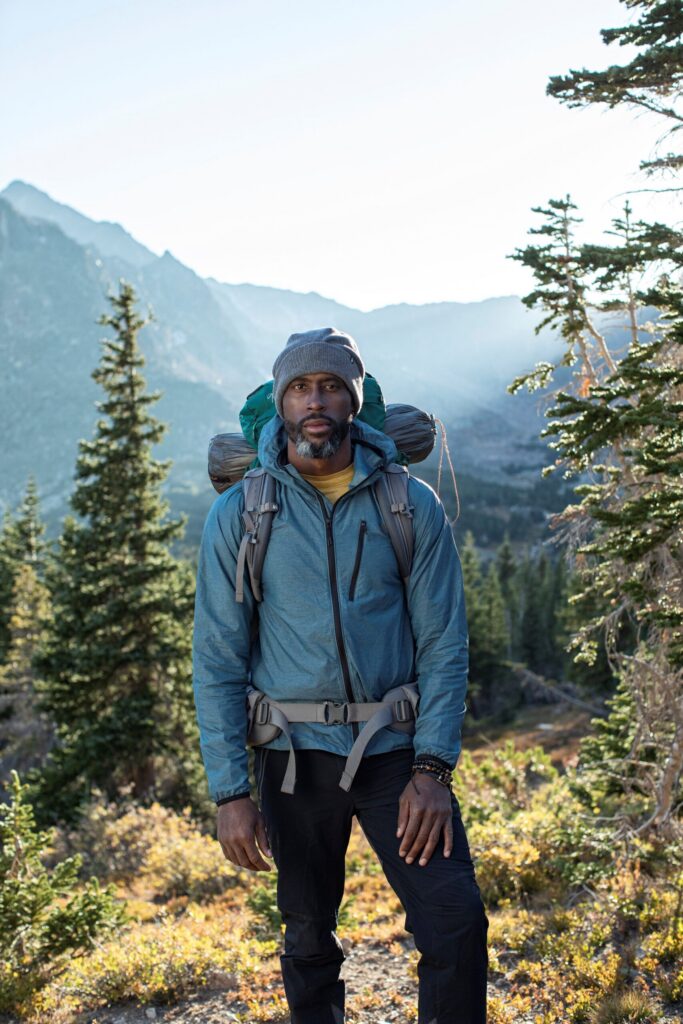
Why Denver should care about conservation easements — even if you’ve never set foot on a ranch | OPINION
Colorado Politics
colorado-politics@coloradopolitics.com
Updated 4 days ago
By Jason Swann I live in Denver. I drink tap water from my kitchen sink, hike close to home when I can, worry about wildfire smoke every summer, and try, like many families, to keep up with the rising cost...
PREV
PREVIOUS
AG sabotages effort to make state safer
Michael Fields Before last week, Solicitor General Eric Olson had never cast a single vote at the Title Board. So, it was a surprise to see him there for the first time on Wednesday. Unfortunately, he was there to kill a ballot initiative designed to address one of Colorado’s biggest crime problems. This measure would […]
Colorado Springs Gazette: The Shane Sandridge Law kills children
We all make mistakes. In 2018, we mistook Shane Sandridge for a stable, center-right conservative Republican and endorsed him for House District 14. Supporting this top figure in the pro-fentanyl Hall of Shame was a mistake with deadly consequences. Sandridge ran by flaunting his work as an “inner-city police officer” in Kansas City. His legislative […]