

Colorado House approves bill that tightens penalties for low-level possession, distribution of fentanyl
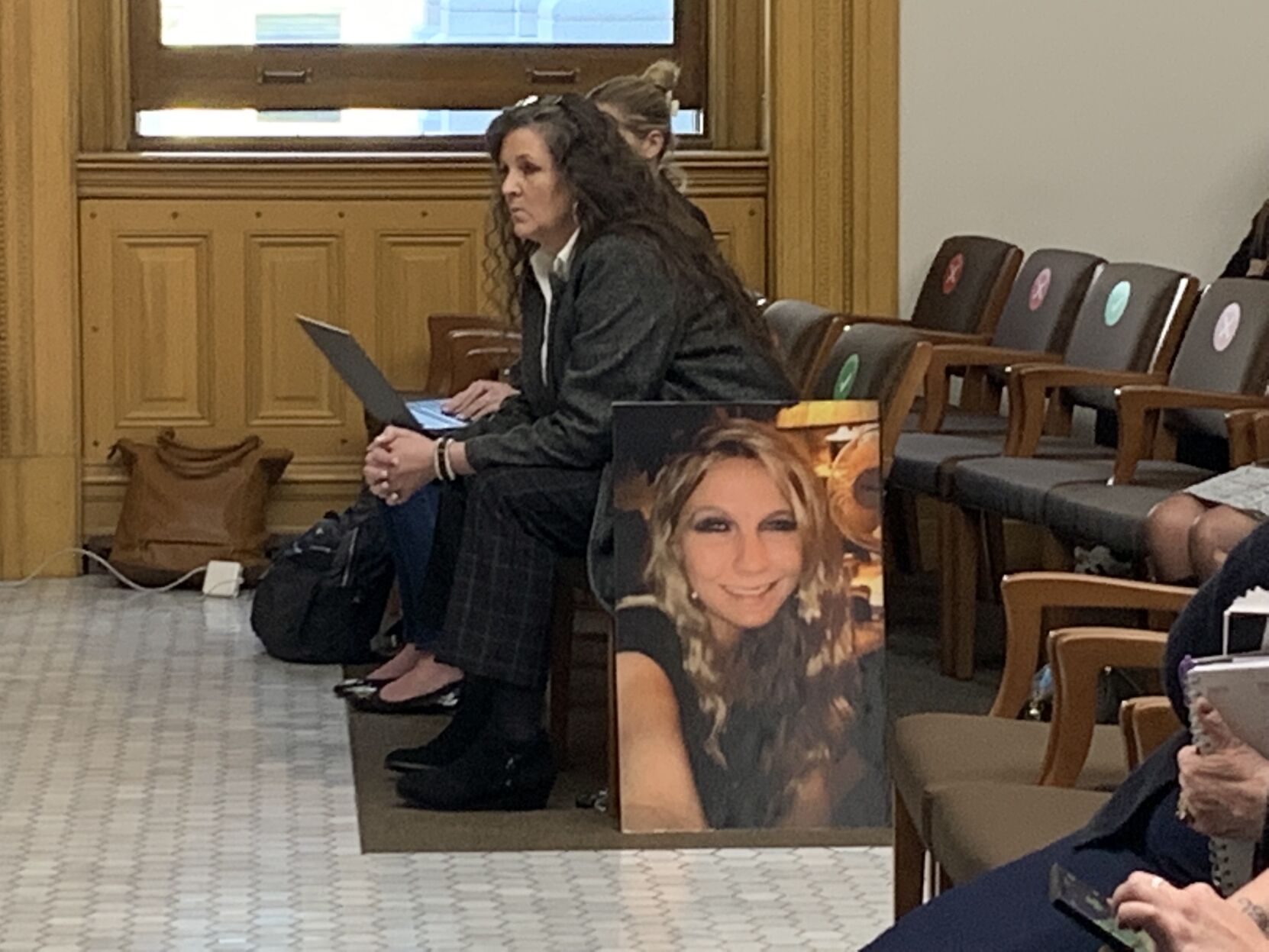
The Colorado House of Representatives gave preliminary approval to a bill Friday evening to address the state’s growing fentanyl crisis following another hours-long debate that focused on whether possessing the substance in any amount or form should be a felony.
For now, the balance of Colorado’s House members said no.
After five hours of debate, legislators, who worked into the night, approved House Bill 1326, which, in its most current version, tightens criminal penalties for distributing any amount of the drug and for dealers whose pills kill someone and makes it a felony to possess anything more than 1 gram of it in any form. It also sets aside millions to pay for medicine to reverse overdoses and test substances for fentanyl, while establishing education programs and advocating for a key treatment protocol in incarceration settings.
The bill, which still needs the full House’s final vote, is a comprehensive but not final approach to addressing fentanyl, said House Speaker Alec Garnett of Denver and Rep. Mike Lynch, a Wellington Republican, who co-sponsored the legislation.
“There’s still work to be done,” Lynch said. “This is by no means the silver bullet, but I think for us to ignore the work that has gone into this would not do it justice. We’ve done what we think we can do.”
The House’s action came two days after Gov. Jared Polis told Colorado Public Radio that possession of any amount of the substance should be a felony, and he likened it to anthrax. Rep. Terri Carver, a Colorado Springs Republican, and others also emphasized fentanyl’s deadly nature, while other members, such as Rep. Leslie Herod, D-Denver, blasted what they described as efforts to incarcerate people with substance use disorders.
Policymakers noted the drug’s grim death toll in Colorado throughout the day. According to state data, nearly 900 Coloradans fatally overdosed after ingesting fentanyl – alone or in another substance – in 2021. Nationwide, more than 100,000 Americans died over a 12-month period ending in November, the majority of which from synthetic substances like fentanyl.
The issue of incarceration dominated Friday’s debate, while considerably less time was paid to the measure’s less controversial provisions, which include a statewide education campaign, millions of dollars for Naloxone and test strips, and increased emphasis on evidence-based treatment offerings in jails.
Garnett, the bill’s co-sponsor, has lamented that fact repeatedly in recent weeks as the bill began to make its way through the statehouse and the debate over possession eclipsed all else.
Fentanyl’s arrival, the result of a shifting drug supply and the effects of the pandemic, pits two forces against each other: One is the recent push to treat drug use and possession more as a health, not criminal, problem. The other arises from fentanyl’s unique nature: a powerful synthetic drug that’s replaced heroin for many people struggling with substance use and is added, often without the knowledge of the user, to other substances, such as meth and cocaine.
Carver, Polis, Attorney General Phil Weiser and others argue that fentanyl’s strength and its presence in other substances – with often lethal consequences – make it a unique threat that requires zero tolerance. Many in that camp also argue that incarceration for users is a way to keep them alive and get them treatment.
Herod, Reps. Jennifer Bacon and Mike Weissman, as well as various experts and advocates counter that fentanyl’s presence in other drugs is precisely why it simple possession cannot be made a felony. To “felonize” any amount of fentanyl, they argue, is to, de facto, “felonize” possessing any amount of any substance, since much of the drug supply has been contaminated with fentanyl.
At the same time, they say, zero-tolerance possession will incarcerate people knowingly using fentanyl because they are physiologically dependent upon it.
Carver made repeated attempts to tighten penalties for possession and distribution, with each one failing. She also tried unsuccessfully to end a clause in the bill that would end the 1 gram felony threshold in three years.
Speaking in favor of one of Carver’s efforts, Rep. Rod Bockenfeld, R-Watkins, said dealers are “indifferent” to the harm their drugs deliver.
“We keep worrying about drug user, getting them rehabilitated, passing off their illicit drug, knowing they can kill another person, and that’s okay?” he said. “I’ve listened to the tear-jerk, heartbreaking stories from parents who didn’t know their child was on drugs.”
Herod emphasized earlier in the debate that the bill already deals with dealers by increasing penalties for distributing any amount of the drug. She and others stressed that changing the possession laws to zero tolerance would incarcerate many users, of fentanyl and other substances, and would permanently affect their lives by designating them as felons.
Rep. Matt Soper, a Delta Republican, backed an effort to set a zero-tolerance approach but with a provision to turn the conviction into a misdemeanor for people who completed mandatory treatment. Rising in opposition, Rep. Shane Sandridge, a Colorado Springs Republican and former police officer, said incarceration “has been tried. Didn’t work.”
While praising law enforcement, he advocated that lawmakers should go to “experts for our answers that show clear data of what’s going on.”
“What’s the definition of doing the same thing over and over and expecting a different result?” he said.
The bill was amended Friday to add an investigation grant program for law enforcement, addressing concerns raised by families that their loved ones died after taking fentanyl but their deaths were classified as overdoses rather than homicides. They had sought changes to require law enforcement to investigate those deaths.
HB 1326 now awaits a final vote in the House, which is likely to occur on Monday, and then it heads to the state Senate, where it will be sponsored by Sen. Brittany Pettersen, D-Lakewood, an long-time advocate for opioid treatment, and Sen. John Cooke, R-Greeley, the former sheriff of Weld County.
marianne.goodland@coloradopolitics.com

Elizabeth School District dismisses challenge to book-ban injunction on eve of appellate arguments
Michael Karlik
michael.karlik@coloradopolitics.com
Updated 5 hours ago
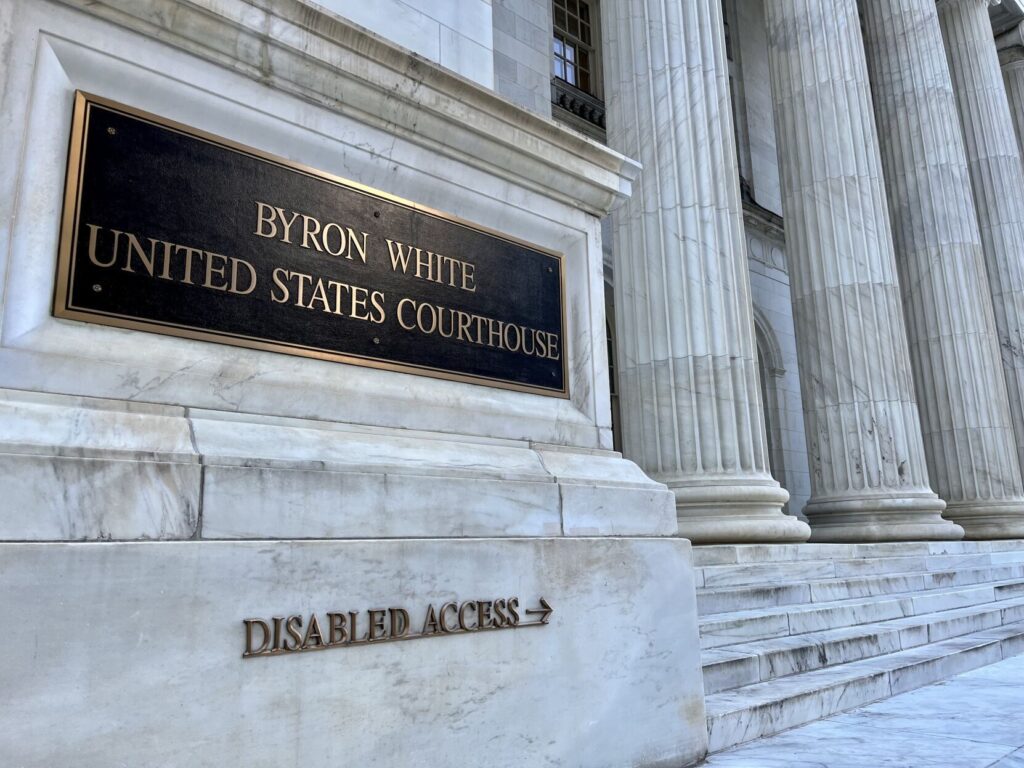
An Elbert County school district has dismissed its challenge to a judge’s injunction ordering it to return banned books to library shelves, days before the Denver-based federal appeals court was set to hear oral arguments this week. Although a three-judge...

Colorado farmers warn U.S. Sen. John Hickenlooper tariffs and research cuts endanger agriculture
Marianne Goodland
marianne.goodland@coloradopolitics.com
Updated 7 hours ago
Northern Colorado farmers told U.S. Sen. John Hickenlooper this week that tariffs and President Donald Trump’s decision to import $40 billion worth of beef from Argentina have hurt Colorado’s agricultural industry. But the administration’s cuts to scientific research are almost...
‘Doesn’t do enough’: House Democrats reject GOP deal on cutting ICE funding
Rachel Schilke, Washington Examiner
rachel.schilke.washington.examiner@gazetteedit.wpenginepowered.com
Updated 6 hours ago
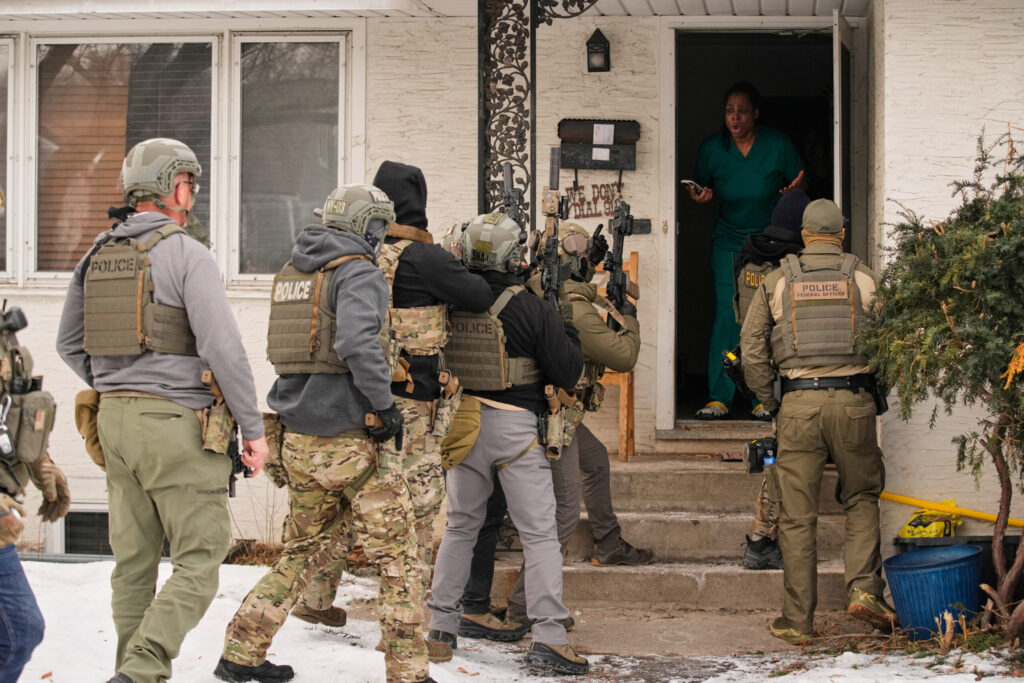
House Democratic leaders are planning to oppose a bipartisan homeland security funding bill set for a vote this week, even after Republicans agreed to cut funding for Immigration and Customs Enforcement. A source familiar with House Minority Leader Hakeem Jeffries’s...

Vance heading to Minneapolis amid Trump’s ICE crackdown
Christian Datoc, Washington Examiner
christian.datoc.washington.examiner@gazetteedit.wpenginepowered.com
Updated 11 hours ago
Vice President JD Vance will deliver remarks and visit with ICE agents in Minneapolis Thursday, as President Donald Trump continues his immigration crackdown in the state. The vice president has been a critical messenger for the administration combating public opposition...
Gov. Polis, Democratic lawmakers introduce trio of housing affordability bills
Marissa Ventrelli
marissa.ventrelli@coloradopolitics.com
Updated 7 hours ago
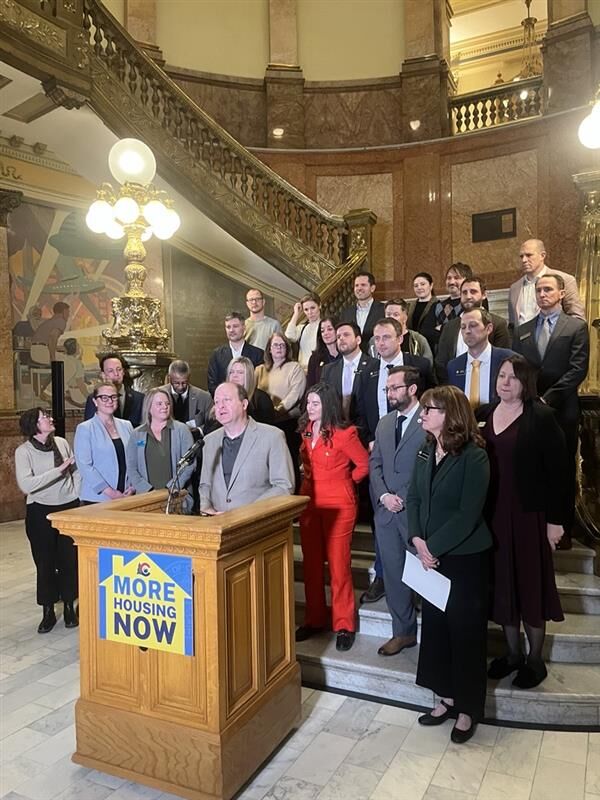
Democratic lawmakers were joined by housing advocates and Gov. Jared Polis at the Capitol on Wednesday to announce a trio of bills they say will increase affordable housing in Colorado. “This session, Colorado Democrats are focused on lowering costs, and...

Colorado Supreme Court to hear cases on insurance coverage for COVID, witness credibility
Michael Karlik
michael.karlik@coloradopolitics.com
Updated 7 hours ago
The Colorado Supreme Court announced on Tuesday that it will decide the degree to which a virus or other hazard must affect a commercial property before it can trigger loss-or-damage coverage under an insurance policy. At least three of the...

Colorado halts wolf releases for 2026 as federal pressure mounts
Marianne Goodland
marianne.goodland@coloradopolitics.com
Updated 9 hours ago
Colorado Parks and Wildlife, facing mounting criticism from the Trump administration over its management of the wolf reintroduction program, announced Wednesday they will not bring in any new wolves to the state for the 2026 winter season. CPW was turned...

Colorado wildlife officials report first wolf death of 2026 as mortality count reaches 13
Marianne Goodland
marianne.goodland@coloradopolitics.com
Updated 9 hours ago
Colorado Parks and Wildlife announced late Monday that another British Columbia female gray wolf, known as 2504-BC, was found dead in northwest Colorado on Friday. No cause of death nor an exact location of where the wolf was found was...

Trump’s threats challenge Europe’s security and prosperity, EU chief says ahead of summit
Lorne Cook
lorne.cook@associatedpress.com
Updated 16 hours ago
BRUSSELS (AP) — U.S. President Donald Trump’s threats to annex Greenland and impose tariffs on its backers pose a challenge to Europe’s security, principles and prosperity, European Council President António Costa said on Wednesday. “All these three dimensions are being...
Federal judge says prisoner cannot sue for dog-bite injury
Michael Karlik
michael.karlik@coloradopolitics.com
Updated 17 hours ago
A federal judge concluded last week that a man cannot sue the government for injuries he sustained when a dog allegedly attacked him while he participated in a prison program. Kenneth M. Chandler, representing himself, was participating in the “FIDOS”...
PREV
PREVIOUS

House OKs wildfire mitigation grant program, tax credit for Colorado homeowners
As Colorado faces what experts say could be the state’s worst wildfire season in history, lawmakers are seeking to incentivize wildfire mitigation efforts. The state House passed House Bill 1007 on Friday, which would create a grant program for organizations that conduct wildfire mitigation outreach in hazard areas. The bill would also extend an existing […]

A LOOK BACK | Colorado GOP members plot out busy election seasons
Thirty-Five Years Ago This Week: Arapahoe County Republican activist Mort Marks was perpetuating a rumor among politicos that state Sen. Martha Ezzard, R-Englewood, was going to launch a bid for Congress against incumbent Rep. Dan Schaefer. This even though the media had repeatedly asked Ezzard about her plans for the future and she had consistently […]