

Effort to get overdose antidote in hospitals reached nearly all Colorado facilities in first year
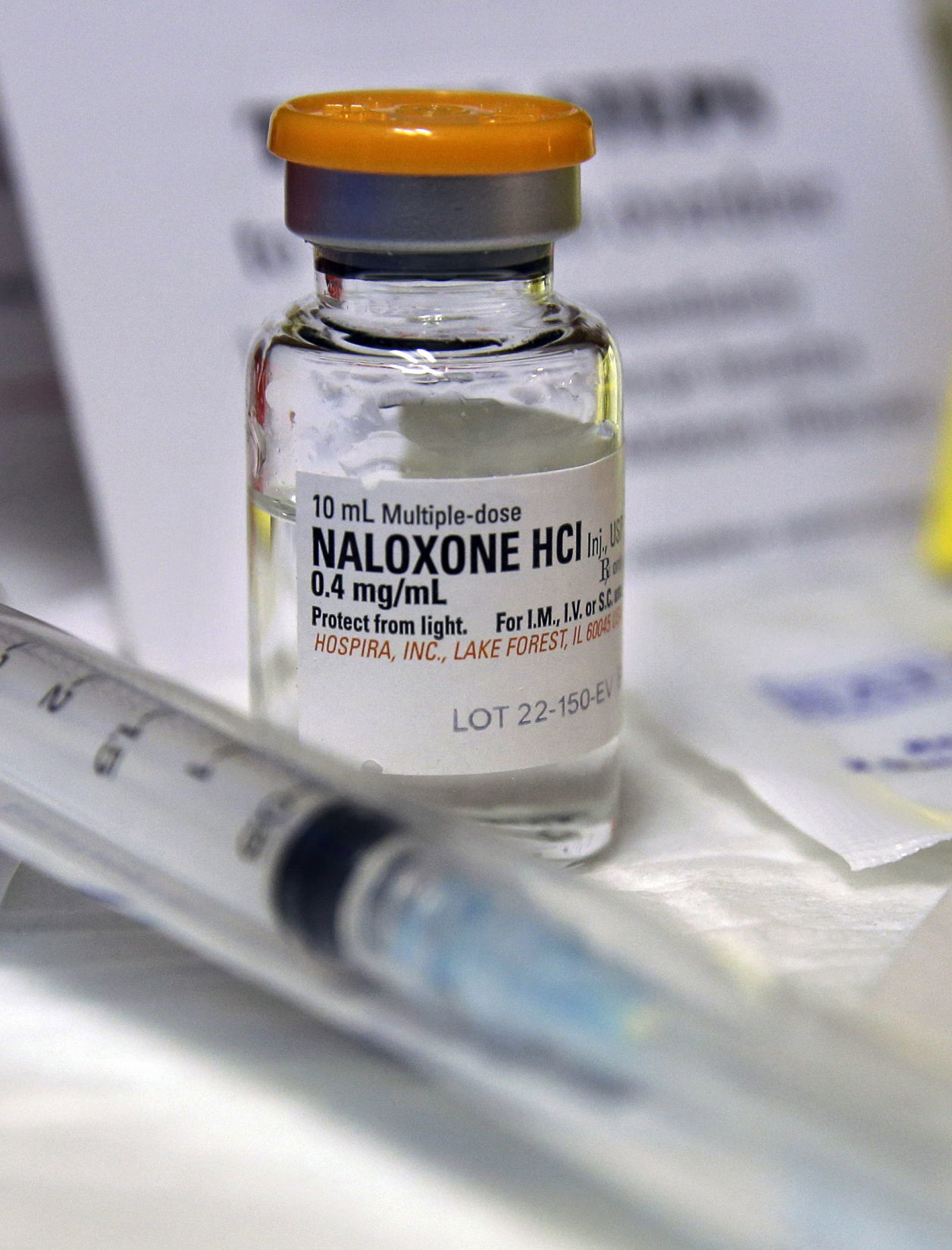
In its first 12 months, the Colorado Naloxone Project has successfully enrolled 86% of the state’s hospitals and emergency departments to dole out an overdose reversal medication for free to patients with opioid-use disorders.
The success is “remarkable,” said Don Stader, the emergency and addiction medicine physician who started the effort. The goal is to get Naloxone into the hands of people at risk of overdosing from an opioid, like fentanyl or heroin, or to their loved ones. Through the 104 enrolled hospitals and emergency departments, the program has distributed more than 3,300 doses of Naloxone so far, and Stader said the project’s now branching out further into the health care system and beyond Colorado.
Colorado hospitals launch project to get opioid overdose antidote to patients
As Colorado leaders grapple with how to address the state’s spiraling overdose crisis, a recurring theme is the importance of getting more Naloxone into the hands of organizations and people who need them most. A sweeping piece of legislation introduced last week sets aside $20 million to buy more of the medication.
The Colorado Naloxone Project started at Swedish Medical Center in Englewood, where Stader’s based. Fifty hospitals and emergency departments quickly signed up, he said, with more enrolling after the state’s Office of Behavioral Health provided additional Naloxone kits.
“I think the first year went extremely, extremely well,” Stader said in an interview Tuesday, ahead of a one-year anniversary news conference Wednesday that featured Attorney General Phil Weiser, submitted videos from three legislators and from providers. “I couldn’t be more happy with the reception we got from hospitals, emergency departments, clinicians and patients. Being able to get to over 100 hospitals (and emergency departments) committed to dispensing Naloxone … in the context and in the face of worldwide pandemic has been nothing short of remarkable.”
Expansion eyed for Colorado program offering drug to reverse overdoses
Ramnik Dhaliwal, an emergency medicine physician involved with the project, said that when Naloxone is prescribed to patients – meaning a provider writes a prescription for a person to go fill at a pharmacy – it’s filled at a pharmacy, at best, 20% to 30% of the time. He and Stader attributed that to shame and stigma among people with substance-use disorders; that population, advocates and experts have said, is particular wary of the health care system.
But distributing Naloxone directly to patients in a judgment-free manner, providers said, is vital.
“Within the emergency department, we have a touchpoint where a lot of people come when they have an overdose,” Dhaliwal said. “To be able to provide them a life-saving medication at their point of bottoming is huge.”
Stader described a young man who came into the emergency department at Swedish recently. The patient “was very unstable, he didn’t want treatment, and his mom brought him in,” Stader said. “We sent that family home with Naloxone. They were home 48 hours later, that patient had an overdose, and his mom was able to reverse him.
Bill confronting Colorado’s growing fentanyl crisis now officially in front of lawmakers
“That young man has another chance of considering recovery. His family has more time with him, and we hope that’s a learning moment for that patient because oftentimes, you do see patients who overdose, sometimes they do have that moment of clarity where they think, ‘Wow, this is something I’m going to die or could die from.'”
It’s a vital part of harm-reduction services: providing users with support and resources to safely use while continually giving them opportunities to enter treatment when they’re ready.
Of the 14% of the state’s hospitals that have yet to sign up for the Colorado Naloxone Project, Stader said all of them are rural hospitals with limited staffing. He said none had rejected him outright or said the idea was bad; those who haven’t enrolled said they couldn’t handle the adjustment now.
Fresh off its first-year successes, the project has begun issuing Naloxone in labor and delivery departments; three hospitals have signed on for the pilot program. Between 2014 and 2016, the second-leading cause of maternal deaths were overdoses, according to a July 2020 report issued by the state Department of Public Health and Environment.
Stader said Naloxone given to at-risk mothers or families can ensure “that child, once they’re born, might have an opportunity to group in a house where one of their parents hasn’t been lost to overdose.”
Polis, bipartisan group of advocates unveil proposal to confront fentanyl at Colorado Capitol
Moreover, he said, Naloxone should be available at all points of entry within the health system to people who need it. To that end, he announced Wednesday that the program will now expand to California, Tennessee, Wisconsin and Virginia. He told supporters and reporters during the news conference that he wanted “to commit to teaching other hospitals to do what we’ve accomplished here.”
As he looks to move beyond Colorado, Stader told The Denver Gazette on Tuesday that the program’s broad success wasn’t what surprised him most after its first 12 months.
“I thought it was about the Naloxone,” he said. “But it’s not. It’s about the relationship.”
When providers in hospitals or emergency rooms give patients Naloxone, Stader said, those patients “get the sense for the first time that the medical system actually cares about them.”
Talking to supporters Wednesday, Stader became emotional describing how many young people are dying needlessly from drug overdoses, when opioid-use disorders “are so damn treatable.” He said he tells every patient he sees that “I’m worried about you, your life matters, you’re worth recovery.”
“I always end it (with): ‘On the day you’re ready to stop or quit, come back here so we can help you to get you into treatment,'” he said. “It opens that door in a much more concrete way.”


Trump alleges ‘deep state’ suppressed Chinese interference in 2020 election
The Washington Examiner
the-washington-examiner@coloradopolitics.com
Updated 5 hours ago
President Donald Trump used a primetime address to allege the “deep state” suppressed Communist Party of China attempts to meddle in the 2020 election. As Trump made the allegations of election interference from the White House’s East Room, he declassified...

WATCH: Trump speaks on elections in primetime address
The Associated Press
the-associated-press@coloradopolitics.com
Updated 7 hours ago
WASHINGTON (AP) — President Donald Trump will deliver a primetime address Thursday that he says will include a focus on elections. The speech comes as he’s escalated calls for Republicans to pass tighter federal voting rules for November’s midterm elections....
Federal judge dismisses lawyer’s disability discrimination claims against judge
Michael Karlik
michael.karlik@coloradopolitics.com
Updated 6 hours ago
A federal judge dismissed a lawyer’s discrimination claims last month against a judge in El Paso County who allegedly failed to provide reasonable accommodations for her long COVID disability. Andrea M. Hall sued District Court Judge Chad Miller and his...
As Trump targets DEI programs, Polis says he worries about federal dollars used as ‘political football’
Marissa Ventrelli
marissa.ventrelli@coloradopolitics.com
Updated 11 hours ago
Colorado’s governor has officially opposed a proposed White House rule that would change procedures for grants, cooperative agreements and other forms of federal financial assistance. Gov. Jared Polis said the proposal from the White House Office of Management and Budget...

Ex-Broncos linebacker’s discrimination lawsuit returned to Colorado court
Michael Karlik
michael.karlik@coloradopolitics.com
Updated 7 hours ago
A federal judge returned a former Broncos linebacker’s disability discrimination lawsuit to state court last month, rejecting the NFL defendants’ attempt to keep the case in federal court. Randy Gregory, who played for the Broncos between 2022 and 2023, sued...

Signatures submitted to cap Colorado’s income tax rate
Marissa Ventrelli
marissa.ventrelli@coloradopolitics.com
Updated 10 hours ago
The group behind a ballot measure aiming to cap the state’s income tax at the current rate has submitted signatures from voters to election officials for review, part of the tug and pull in Colorado between opposing political forces fighting...
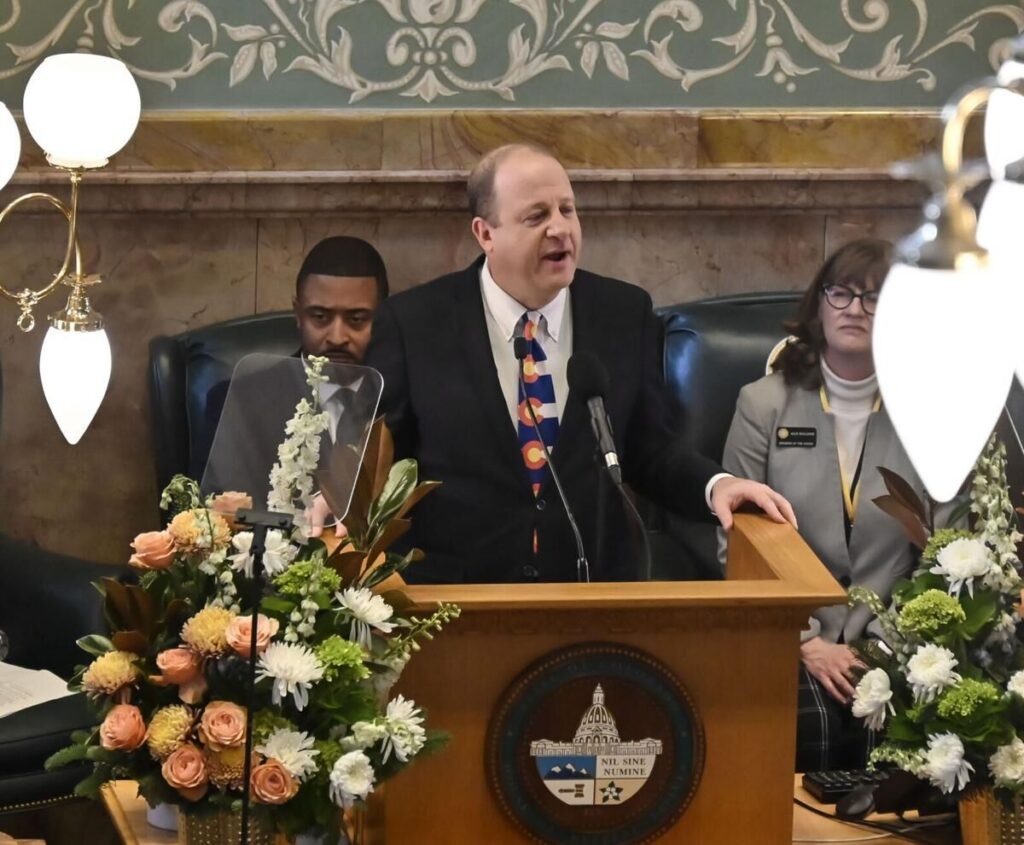
Colorado governor says he doesn’t want socialists to ‘destroy’ state
The Denver Gazette
the-denver-gazette@coloradopolitics.com
Updated 8 hours ago
The ideological divide within the Colorado Democratic Party once more burst into the open on Wednesday when Gov. Jared Polis responded to a legislator’s criticism by referencing Zimbabwe’s socialist experiment. “Thanks to socialism, the average Zimbabwean became a trillionaire,” the...

Republican candidates pass on signing Colorado gubernatorial nominee Victor Marx’s ‘unity compact’
Ernest Luning
ernest.luning@coloradopolitics.com
Updated 10 hours ago
A spokesperson for Republican gubernatorial nominee Victor Marx said his campaign is “extremely encouraged” by responses to a document the campaign circulated late last week, asking fellow GOP nominees how they want to collaborate in the months ahead before Colorado’s...
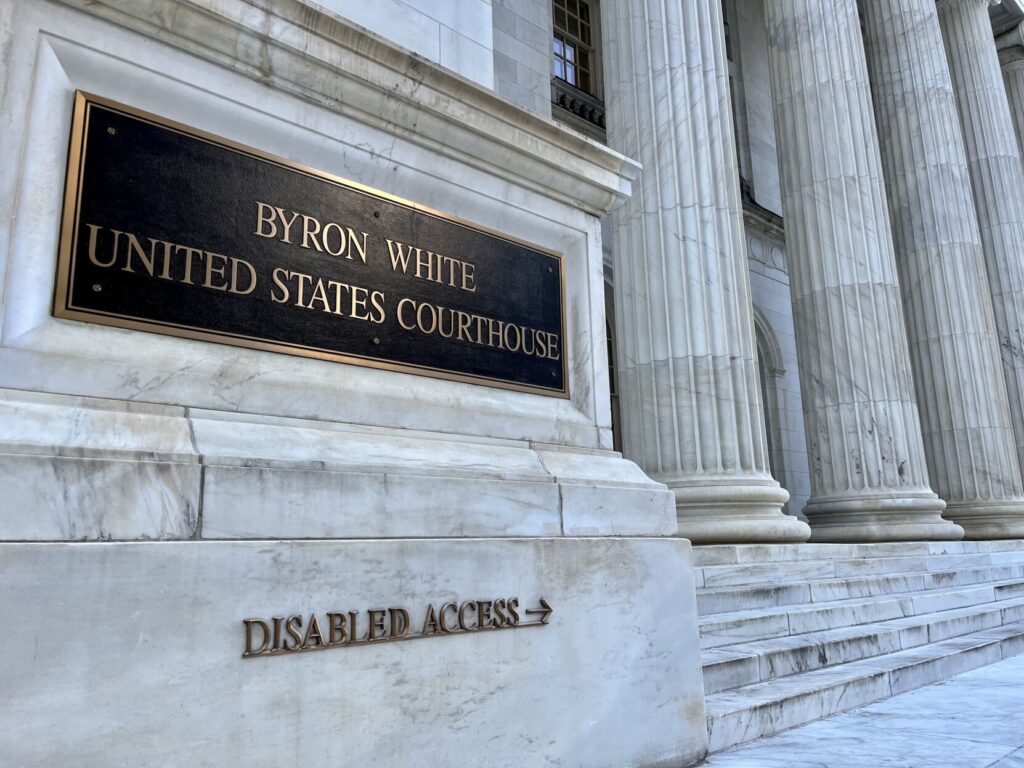
10th Circuit concludes Army was justified in initially withholding Purple Heart to soldier
Michael Karlik
michael.karlik@coloradopolitics.com
Updated 1 day ago
The Denver-based federal appeals court agreed last week that the U.S. Army was “substantially justified” in its initial decision to withhold the Purple Heart from an injured soldier, then reverse itself when new evidence surfaced during litigation. Joshua Savelkoul ultimately...
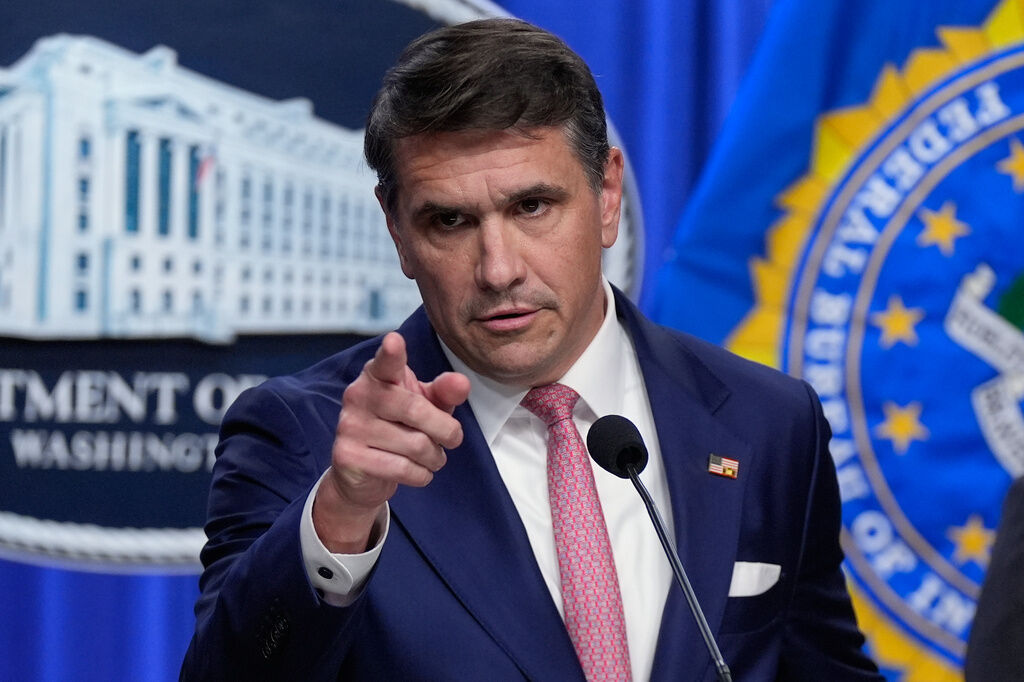
Todd Blanche confronts Democrats’ questions over Epstein files handling: ‘That narrative is false’
Kaelan Deese
kaelan-deese@coloradopolitics.com
Updated 2 days ago
President Donald Trump’s nominee for attorney general, Todd Blanche, said Wednesday that he could meet with disgraced and convicted sex offender Jeffrey Epstein’s victims but could not directly approach survivors represented by lawyers, responding to Sen. Dick Durbin’s (D-IL) demands...
PREV
PREVIOUS

Denver power couple Wilma, Wellington Webb honored with Governor’s Citizenship Medal
Wilma and Wellington Webb are as close to Denver royalty as it gets. The couple boast a combined 40 years of serving as state representatives and mayor and first lady of Denver, in addition to decades of advocacy. For their lifetime of public service, Wilma and Wellington have been awarded the Vanguard Legacy Medal by […]

Xcel gets permission to bill customers more than $182M
The Colorado Public Utilities Commission approved a settlement agreement earlier this month that allows Xcel Energy to impose an additional $182,235,418 on its customers, amounting to a 6.44% increase, or an average of $5.24 per month for residential customers and a 6.24%, or $6.64 increase for the average commercial customer starting April 1. This increase […]