

LOEVY | Reporting on the 1960s civil rights movement

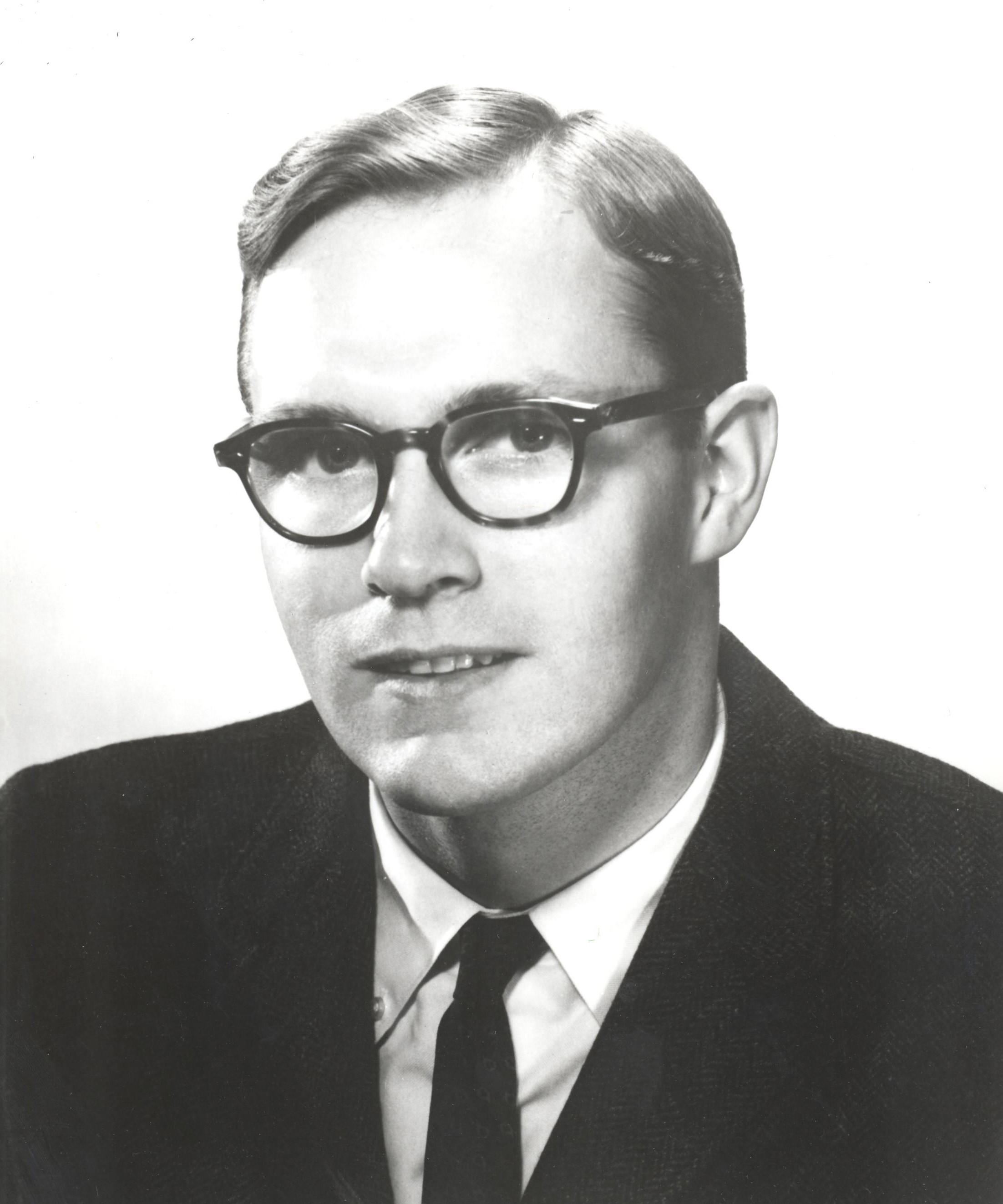
February is Black History month. It is a good time to dust off my memories of being a newspaper reporter in Baltimore, Maryland during the Civil Rights Movement of the late 1950s and early 1960s.
In the early 1960s, my city editor learned there was a major racial demonstration planned for Cambridge, Maryland. That was a small city south of Baltimore on the Chesapeake Bay famous for having a fleet of commercial sailboats working to dredge up oysters from the bottom of the bay.
In Cambridge, the public schools and all the local businesses, including restaurants and motels, were racially segregated. A local group of African Americans and their white allies planned to lead a Saturday night demonstration calling for more racial integration of the schools and the businesses in the community.
The demonstrators planned to parade down the main street in Cambridge and then hold a rally with speeches and singing in the main square downtown. My city editor assigned me to cover the story.
As I drove into Cambridge, I wondered what the attitude of white officials was going to be? Would they protect the black citizens in their city who were demonstrating for their civil rights? Or would they follow the lead of a number of southern governors, who had refused to use state and local police forces to maintain public safety during civil rights demonstrations?
I speculated in my mind about Maryland’s governor, J. Millard Tawes. A worrisome thought was that he was a native of rural Maryland. He thus had grown up in a rigidly racially-segregated community and no doubt as a youth had been a segregationist.
On the other hand, Tawes had been elected governor on the basis of his ability to be a compromiser and solve problems in a way that pleased most Marylanders, black and white.
If things went out of control in Cambridge and an African American civil rights demonstration turned into a race riot, would Governor Tawes intervene? Would he send in the National Guard?
Downtown Cambridge in the early 1960s resembled the downtown of any average United States small city. It was perhaps four-blocks square. The streets were lined with shops and stores. Most of the buildings appeared to have been built around the turn of the 20th Century, but many of the storefronts had been modernized with large plate glass windows and neon signs.
I walked to the major intersection in town. It was filled with people milling around and looking as though they were waiting for something to happen. The vast majority of the people were white males. Many of them were quite burly and tough-looking.
The crowd was growing larger as more white people arrived in downtown Cambridge. I asked myself: “Was I standing in the middle of a white mob? Was this the peaceful quiet before the nasty storm of a racial confrontation? Would segregationist whites soon be beating up demonstrating blacks in the middle of Cambridge?”
Four or five blocks away, on the main street of the town, I could see a large number of black citizens, and some white citizens, marching steadily toward the downtown area. Similar to civil rights demonstrators all over the United States at that time, they were waving pro-racial integration signs, singing hymns, and shouting civil rights slogans.
The white crowd was now standing in the middle of the street, defiantly blocking the path of the civil rights demonstrators into the downtown area.
Slowly and steadily, block by block, the African American protesters continued their parade for civil rights toward the downtown. When the protest marchers were just one block away, I could see their faces and hear their voices as they sang their songs and yelled their slogans.
Suddenly there was the sound of loud truck motors and screeching brakes as a convoy of military trucks pulled into the intersection in downtown Cambridge. National Guard soldiers armed with rifles jumped out of the trucks and began taking up positions around the intersection.
An Army jeep pulled up. Out stepped the commander of this particular contingent of the Maryland National Guard. He turned and walked toward the civil rights demonstrators. He raised both of his arms in the air to signal them to stop their march. He said:
“Maryland Governor J. Millard Tawes has declared martial law in Cambridge. You are all, white and black, to immediately return to your homes. A military curfew is in effect as of this moment.”
The reaction to the military commander’s orders was immediate. The civil rights demonstrators quickly retreated back down the street they had just marched along so defiantly. The whites either walked to their homes or returned to their automobiles and drove away.
Although raised in racial segregation, Governor Tawes had ordered in the Maryland National Guard to prevent violence that night in Cambridge. This civil rights dispute would be settled by negotiation, not by a white mob beating up civil rights demonstrators while the local and state authorities stood by and did nothing.
Although it ended peacefully, the confrontation in Cambridge that night was significant for its typicality. By the early 1960s, incidents such as the one in Cambridge were occurring all over the United States, particularly in the South. Taken together, all these events were building national support for civil rights reform.
“The fires of discord” are burning throughout America, said President John F. Kennedy as he sent to Congress the proposed law that became the Civil Rights act of 1964. That law ended forever legal racial discrimination everywhere in the United States, including Cambridge, Maryland.
Bob Loevy is a retired professor of political science at Colorado College. For an online tutorial on significant places and events in the Civil Rights Movement, google “Bob Loevy Home Page” and click on II,1,A.


Colorado Democrats, your time is coming | Jon Caldara
Jon Caldara
jon-caldara@coloradopolitics.com
Updated 1 day ago
Hey, Colorado Democrats! All the fun you’ve had watching Republican dysfunction in Colorado for the last 20 years was just a preview of what is about to happen to you. The Colorado Republican Party no longer exists as a competitive...
The relevance of Watergate more than a half-century later | SONDERMANN
By Eric Sondermann
by-eric-sondermann@coloradopolitics.com
Updated 4 days ago
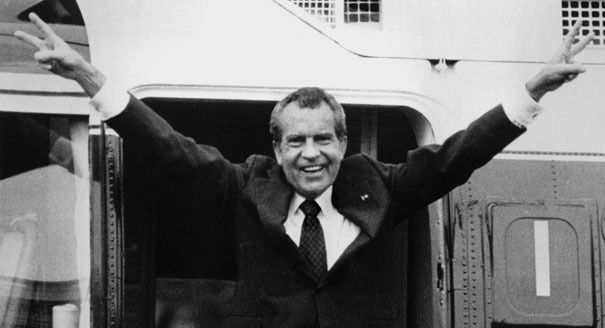
It was the scandal for which all other scandals are now named. In June 1972, a small group of Cuban burglars with high-level connections broke into the headquarters of the Democratic National Committee. Those headquarters were located in the Watergate...
Colorado must continue finding common ground on wildfire policy | GUEST COLUMN
Colorado Politics
colorado-politics@coloradopolitics.com
Updated 3 days ago
By John Herrick Colorado has never lacked for opinions about wildfire policy. We debate forest management, climate change, prescribed burns, land use, air quality and budgets. Those debates are familiar territory, but a new discussion is beginning to happen around...
Proposition NN is the best investment for Colorado’s students and schools | GUEST COLUMN
Colorado Politics
colorado-politics@coloradopolitics.com
Updated 3 days ago
By Justin Ogden Colorado families know what it means to make difficult budget decisions. Inflation has driven up the cost of groceries, housing, utilities and just about everything else. Families like mine work hard to stretch every dollar while still...
Were the primaries a preview for consequential general election? | Paula Noonan
Paula Noonan
paula-noonan@coloradopolitics.com
Updated 4 days ago
Colorado’s political future will go the way of this election. Historically, the state has not had both chambers controlled by a supermajority. This election may change that. The primaries suggest how the general election may play out. Democrats had solid...
Disagreement doesn’t have to mean disrespect | GUEST COLUMN
Colorado Politics
colorado-politics@coloradopolitics.com
Updated 4 days ago
By Vincent Atchity These days, it doesn’t take long to feel overwhelmed by politics. Turn on the news, scroll through social media or read the comments on almost any political post and you’ll find anger, outrage and personal attacks. For...
Keeping Colorado’s kids’ trust online | PODIUM
Colorado Politics
colorado-politics@coloradopolitics.com
Updated 5 days ago
By Stuart Jenkins Almost every day, the kids and teens we serve across Colorado are introduced to new generative artificial intelligence and other emerging technology, including conversational AI systems designed to simulate human conversation. These tools are no longer a...
Marx’s ‘through line’ predates Trump, connects to Maes | FEEDBACK
Colorado Politics
colorado-politics@coloradopolitics.com
Updated 5 days ago
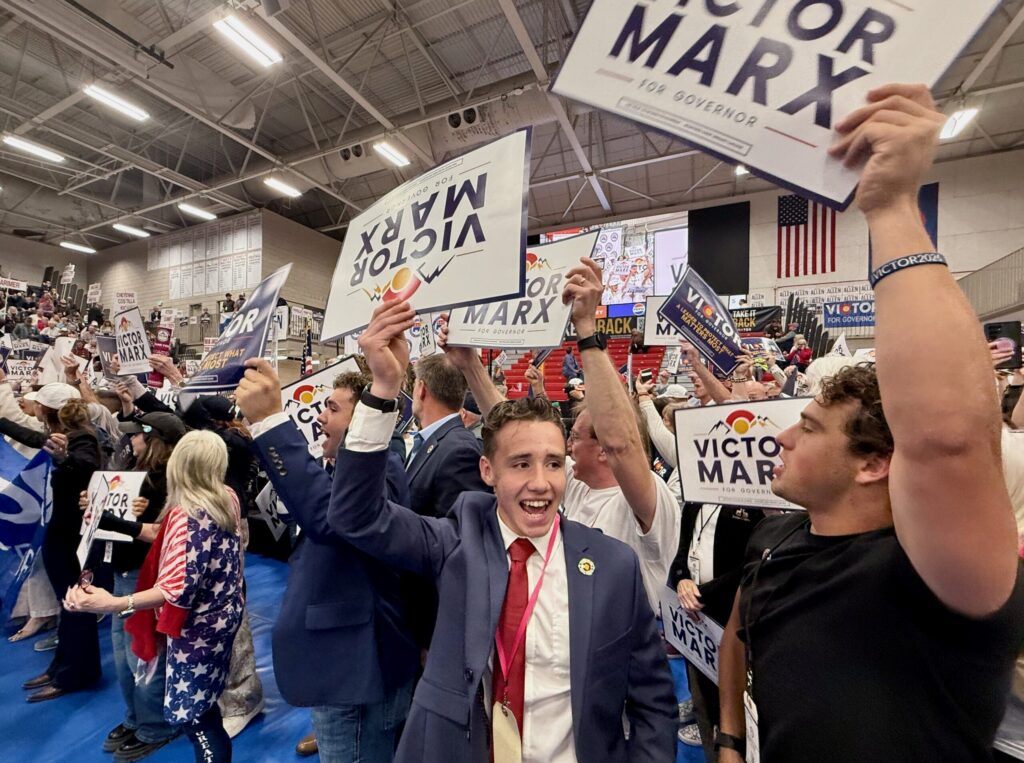
Eric Sondermann is of course correct Victor Marx is an unserious, unelectable, embarrassing Republican nominee for governor of Colorado. But I respectfully submit that the “through line,” as Mr. Sondermann describes it, is not from Trump to Marx, despite their...
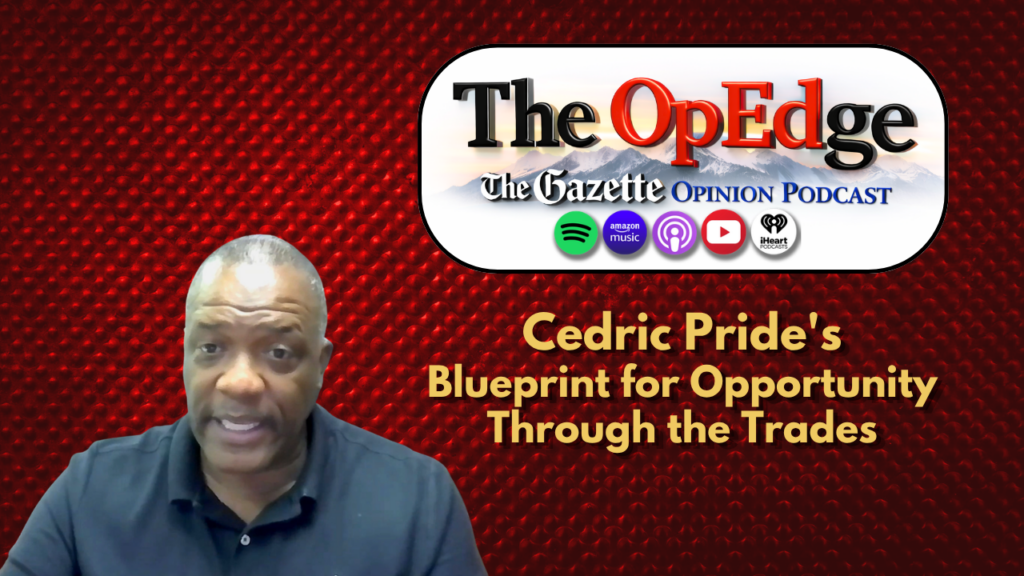
Cedric Pride’s blueprint for opportunity through the trades | The OpEdge Podcast
Tony Olivero
tony.olivero@gazette.com
Updated 5 days ago
Cedric Pride, CEO of the nonprofit Pride Initiative in Denver, joins The OpEdge with a blueprint for workforce development, skilled trades, and economic opportunity. Pride tells host and investigative columnist Jimmy Sengenberger why he believes the trades offer a path...
Colorado’s No. 1 education ranking should raise our ambition | GUEST COLUMN
Colorado Politics
colorado-politics@coloradopolitics.com
Updated 5 days ago
By Scott Laband Colorado has earned the right to celebrate its new No. 1 ranking in education from U.S. News & World Report. Gov. Jared Polis called it “one of the proudest moments” of his time in office and shared the...
PREV
PREVIOUS
Grand Junction Daily Sentinel: District 51 mask call is a cop out
When it was announced back in December that District 51 would no longer require students to wear masks in schools with high COVID-19 transmission rates, we asked for an open, public discussion on this change. Last night the Board of Education had a discussion. It was imperfect, but we appreciate them having it and involving […]

CALDARA | Consensual relationships might include ketchup
Jon Caldara I’ll say it again: Progressives care about consensual relationships only when people are naked. I promised you an update on a simple customer transparency bill in the legislature which would allow, not require, hospitals to include the hospital provider fee (a bed tax on your hospital stay) on the invoice they send you. […]