

Stock show officials formulating plan for new events center after voters reject bond measure

The old cowboy saying that when you get bucked off the bronco, you’ve got to get back on and try again applies to Denver and the National Western Center Authority when it comes to getting a shiny new arena.
In November, voters rejected a $190 million bond measure that would have helped pay for a 10,000-seat arena and revamped a stock show building into a community market.
“It certainly didn’t help that folks had not been on the campus for almost two years,” said Brad Buchanan, CEO of the authority, noting that last year’s stock show was canceled due to the pandemic and constant construction made it difficult to visit the stock show grounds.
Colorado State University bringing agriculture, veterinary education to downtown Denver
The authority oversees the land that makes up the National Western Complex and Denver Coliseum off I-70 and Brighton Boulevard.
The authority was created in 2015 when the Colorado State University system, Denver officials and the Western Stock Show Association, which puts on the stock show, signed an agreement to develop the campus and reinvigorate the city land.
Voters passed a measure that November allowing bonds to be issued through a 1.75% tourism tax on hotel rooms and rental cars. The measure was not to exceed $778 million.
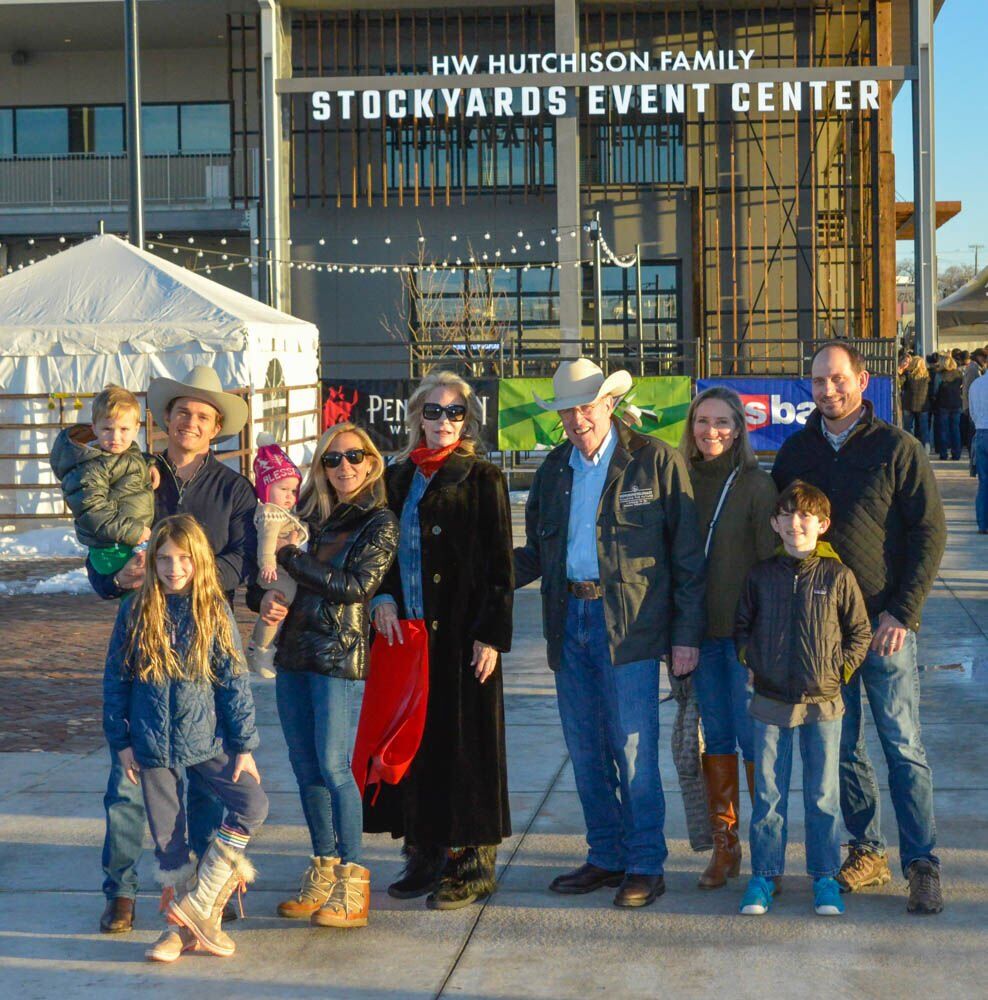
Phases 1 and 2 of that bond-fueled construction resulted in the Cille and Ron Williams Stockyards, the 46,000-square-foot HW Hutchison Family Stockyards Event Center, an equestrian center and trade show area. All of the facilities were unveiled during this year’s stock show, which runs through Jan. 23, along with the first of three buildings on the CSU Spur campus there.
“We were very supportive when the mayor asked us what we thought of the idea,” Paul Andrews, president and CEO of the National Western Stock Show, said of the failed bond measure. “We raised money to support the idea … but it appears that was not the vehicle voters would like to see used.”
Voters probably got confused and thought the measure would include a tax increase, city officials said.
“The broader Denver community didn’t know the progress we had made,” said Jenna Espinoza-Garcia, a Denver spokeswoman. “We hope many got to see the progress at the stock show this year.
“We’re sure people were feeling like, ‘We already approved funding for this, and haven’t seen any return on investment yet.'”
Now the Western Stock Show Association, Denver and authority officials are regrouping, talking to community members and trying to formulate a new plan.
Cowboys, horses, rodeos and more; 2022 Stock Show officially kicks off
“We’ve got to go back to the drawing board with the community,” Espinoza-Garcia said. “We’re starting discussions again and keeping them in the loop. It’s clear they want to be more involved partners.”
In the meantime, construction starts this summer on the 3,500-seat Sue Anschutz-Rodgers Livestock Center.
CoBank recently donated $5 million to the National Western Center through the Honoring the Legacy Campaign, earning naming rights for the CoBank Livestock Arena and the CoBank Livestock Auction Arena.
The 146,000-square-foot, 5,000-seat CoBank Livestock Arena “will be one of the most vital and heavily trafficked locations on the National Western Center campus during the National Western Stock Show and throughout the year,” according to a news release.
On Friday, the CoBank Livestock Auction Arena hosts the popular Junior Livestock Auction. The 10,000-square-foot facility seats 700.
Andrews said the National Western Stock Show owes $125 million to Denver to pay for phases 1 and 2 of the measure that passed in 2015. It transferred 90 acres of land, valued at $75 million.
National Western Stock Show returns after COVID-19 hiatus
“The other $50 million had to be a cash infusion, and the CoBank donation is part of that $50 million,” Andrews said. “The new, multi-purpose building all the partners are trying to have built will be in a different business model, that is yet to be determined.”
A new events center would help the stock show’s rodeo stay competitive, Andrews said. The aging Denver Coliseum is competing against venues like the 14,000-seat Dickies Arena in Fort Worth, which opened in late 2019.
“State-of-the-art facilities cities are building keeps them staying competitive. They can draw higher talent pools and pay out more,” Andrews said. “Fort Worth pays out $1 million. We’re in the $600,000 range. … No one is really suggesting the Denver Coliseum, built in 1952, is a competitive venue across America.”


Nebraska to be 1st state to implement Trump’s new Medicaid work requirements | OUT WEST ROUNDUP
Ernest Luning
ernest.luning@coloradopolitics.com
Updated 4 days ago
NEBRASKA Medicaid work requirements set Nebraska will become the first state to implement new work requirements for some people with Medicaid health insurance under a law President Donald Trump signed last summer. Gov. Jim Pillen, a Republican, announced on Dec....
Frozen funds, vetoes and lawsuits: Why Colorado says it’s in Trump’s crosshairs
Thelma Grimes
thelma.grimes@coloradopolitics.com
Updated 1 day ago
Colorado Democrats have accused President Donald Trump of deliberately targeting their state, arguing his administration is using federal powers to punish it for its policies and resistance. But whether Colorado is being singled out — and why — depends largely...
Colorado ‘un santuario’ for drug activity, DEA chief says
The Denver Gazette
the-denver-gazette@coloradopolitics.com
Updated 6 hours ago
Colorado’s “sanctuary” laws, notably its prohibition against cooperating with federal authorities, are having a “chilling effect” on law enforcement’s ability to go after drug cartels operating in the state, an official of the U.S. Drug Enforcement Agency said. That situation...
Vince Bzdek: Coloradans are fed up with the high price of cars
Vince Bzdek
vince.bzdek@gazette.com
Updated 2 days ago
Car buyers in Colorado – and America – are fed up. Cars are too damn expensive. The average price of a new car broke the $50,000 barrier last fall, according to Kelley Blue Book stats. The Wall Street Journal recently...
Unsolicited advice to both Republicans and Democrats | SONDERMANN
Eric Sondermann
eric-sondermann@coloradopolitics.com
Updated 4 days ago
This even-numbered year will be one of political turnover in Colorado with the governor’s chair opening up, along with the other state executive offices (attorney general, state treasurer, and secretary of state), all due to term limits. A U.S. Senate...

New Jersey signs legislation banning cellphones in schools
Molly Parks, Washington Examiner
molly.parks.washington.examiner@gazetteedit.wpenginepowered.com
Updated 2 days ago
K-12 students in New Jersey will no longer be allowed to use their cellphones in school starting in the fall of 2026. Gov. Phil Murphy (D-NJ) signed a bill into law on Thursday establishing “phone-free” schools in the Garden State....
Gov. Jared Polis ‘frustrated, surprised’ at efforts to revive vetoed union bill
Marissa Ventrelli
marissa.ventrelli@coloradopolitics.com
Updated 2 days ago
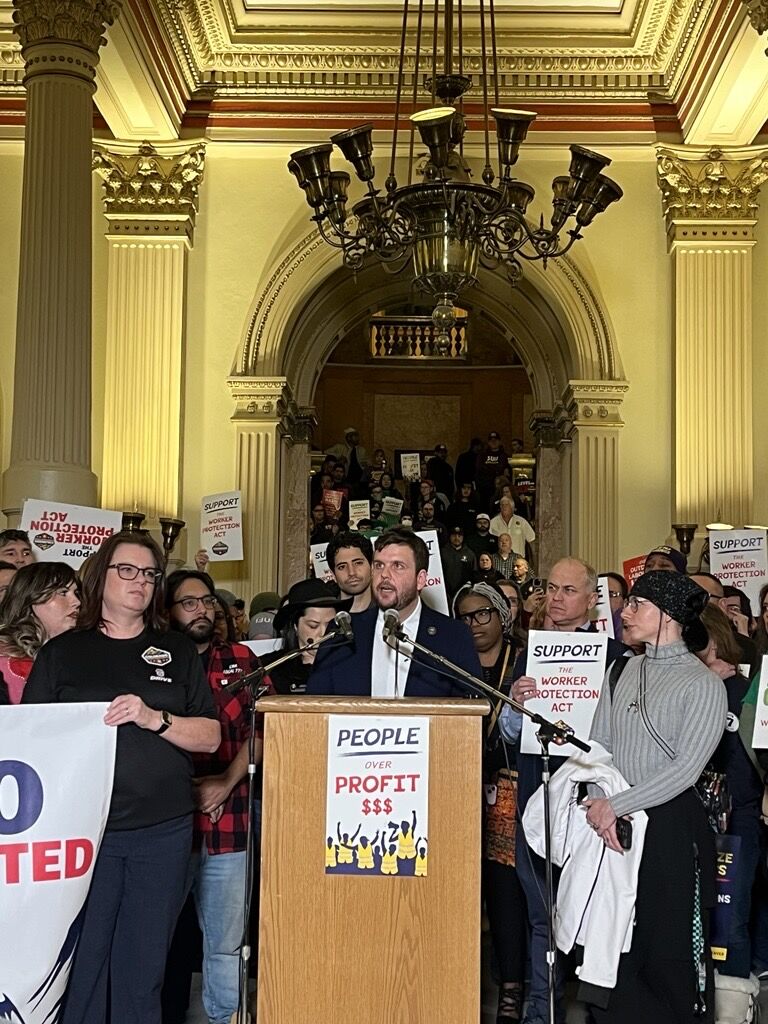
Gov. Jared Polis was surprised that Democratic lawmakers and labor groups are seeking to revive a union-backed legislation less than a year after he vetoed the bill due to concerns about its impact on businesses and mandatory dues. Elected officials...
Red Carpet Reception proves new home’s a winner for Coors Western Art Exhibit & Sale | NONPROFIT REGISTER
Joanne Davidson Special to Colorado Politics
joanne-davidson-special-to-colorado-politics@coloradopolitics.com
Updated 2 days ago
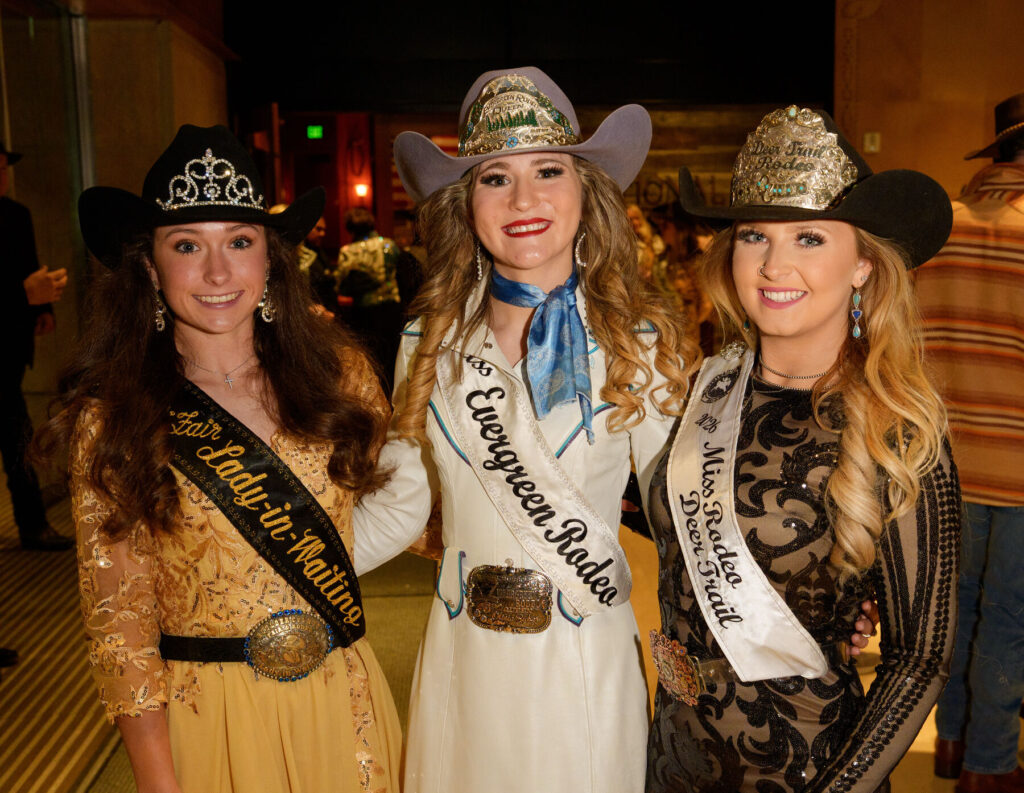
NATIONAL WESTERN STOCK SHOW News: It wasn’t just the art that people were talking about at Thursday night’s Red Carpet Reception for the 34th Coors Western Art Exhibit & Sale. A good number of the 1,000-plus guests were on their first visit to the show’s spacious new location on the...

Colorado candidates switch parties, races as midterm election year looms | TRAIL MIX
Ernest Luning
ernest.luning@coloradopolitics.com
Updated 3 days ago
The final days of 2025 saw an unusually high number of Colorado candidates switch parties and races, reshaping at least a few primaries ahead of this year’s midterm elections. The state has seen its share of switchers over the years,...
Denver Auditor: Office of Social Equity and Innovation risks mismanaging or losing taxpayer money
Deborah Grigsby
deborah.smith@denvergazette.com
Updated 12 hours ago
Denver’s Office of Social Equity and Innovation has yet to implement half of the 14 recommendations made by auditors in 2024, leaving the city and the Colorado Youth Detention Continuum Program at risk of misusing small-dollar funds. A follow-up report...
PREV
PREVIOUS

THIS WEEK AT THE COLORADO CAPITOL | Week of January 17, 2022
Here are legislative committee hearings and other events of note for the week ahead at the Colorado state Capitol. Committee schedules are subject to change. The daily schedule is available on the legislature’s website. Options for public testimony during committee hearings can be found here. House regulations regarding remote testimony can be found here. Senate regulations […]
Bill seeks to curb catalytic converter theft in Colorado
As Colorado experiences an unprecedented rise in thefts of catalytic converters, a bipartisan group of legislators introduced legislation Wednesday to confront the issue. Catalytic converters are exhaust emission control devices found in many lower emission and hybrid vehicles. The converters contain precious metals that are trading at record prices, leading to skyrocketing theft rates nationwide, […]