

OUT WEST ROUNDUP | Strayed Yellowstone wolves killed; nuke waste cleanup nears finish line

MONTANA
Hunters kill 20 wolves that roamed out of Yellowstone
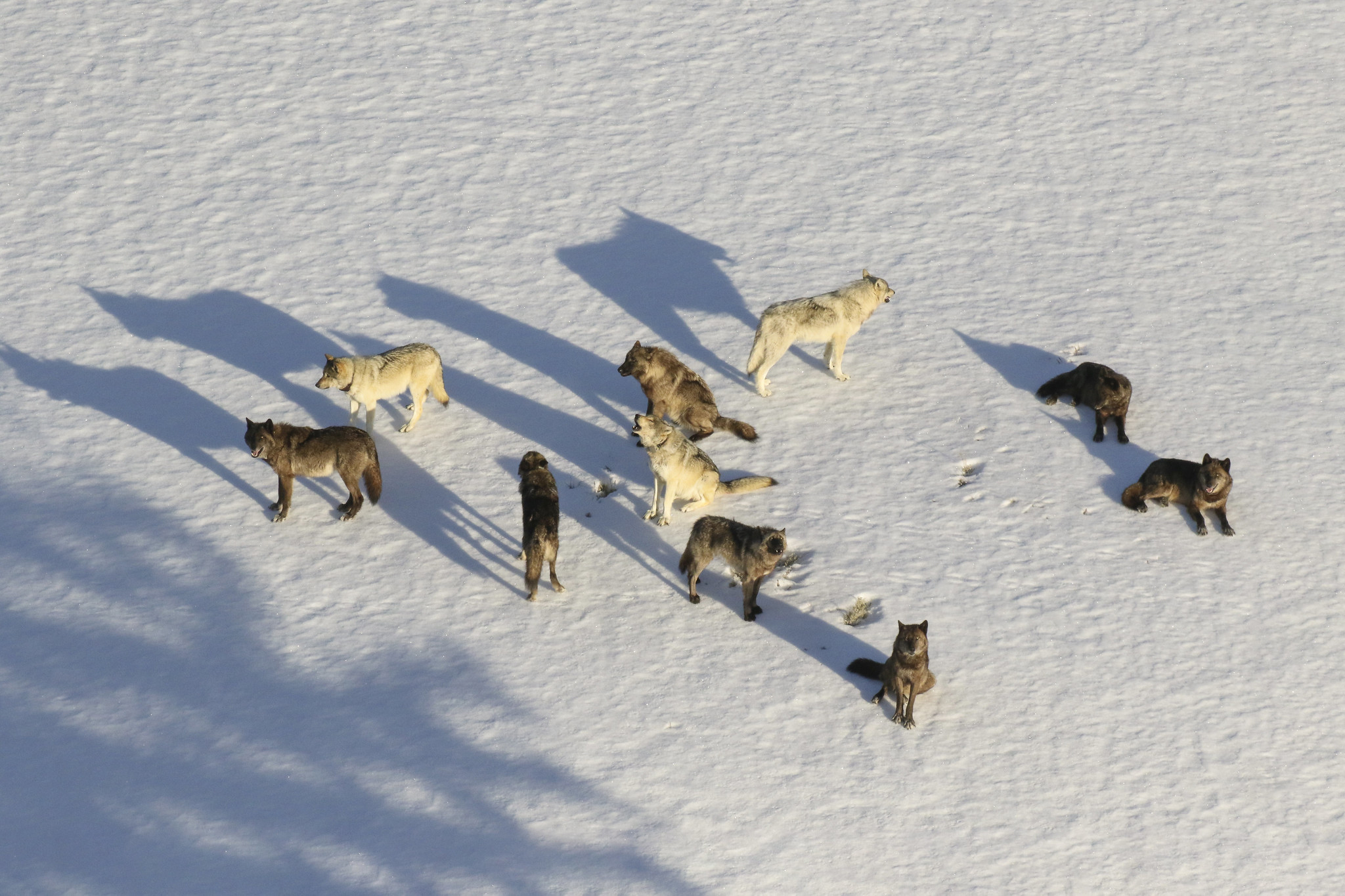
BILLINGS – Twenty of Yellowstone National Park’s renowned gray wolves roamed from the park and were shot by hunters in recent months – the most killed by hunting in a single season since the predators were reintroduced to the region more than 25 years ago, according to park officials.
Fifteen wolves were shot after roaming across the park’s northern border into Montana, according to figures released to The Associated Press. Five more died in Idaho and Wyoming.
Park officials said in a statement to AP that the deaths mark “a significant setback for the species’ long-term viability and for wolf research.”
One pack – the Phantom Lake Pack – is now considered “eliminated” after most or all of its members were killed over a two-month span beginning in October, according to the park.
An estimated 94 wolves remain in Yellowstone. But with months to go in Montana’s hunting season — and wolf trapping season just getting underway – park officials said they expect more wolves to die after roaming from Yellowstone, where hunting is prohibited.
Park Superintendent Cam Sholly first raised concerns last September about wolves dying near the park border. He recently urged Republican Montana Gov. Greg Gianforte to shut down hunting and trapping in the area for the remainder of the season.
Gianforte, an avid hunter and trapper, did not directly address the request to halt hunting in a Jan. 5 letter responding to Sholly that said wolves that exit the park may be “harvested pursuant to regulations” under Montana law.
Wolf trapping in the area opened Dec. 21. Under new rules, Montana hunters can use bait such as meat to lure in wolves for killing and trappers can now use snares in addition to leghold traps.
IDAHO
US close to ending buried nuke waste cleanup
BOISE – A lengthy project to dig up and remove radioactive and hazardous waste buried for decades in unlined pits at a nuclear facility that sits atop a giant aquifer in eastern Idaho is nearly finished, U.S. officials said.
The U.S. Department of Energy said that it removed the final amount of specifically-targeted buried waste from a 97-acre landfill at its 890-square-mile site that includes the Idaho National Laboratory.
The targeted radioactive waste included plutonium-contaminated filters, graphite molds, sludges containing solvents and oxidized uranium generated during nuclear weapons production work at the Rocky Flats Plant in Colorado. Some radioactive and hazardous remains in the Idaho landfill that will receive an earthen cover.
The waste from Rocky Flats was packaged in storage drums and boxes before being sent from 1954 to 1970 to the high-desert, sagebrush steppe of eastern Idaho where it was buried in unlined pits and trenches.
The cleanup project, started in 2005, is named the Accelerated Retrieval Project and is one of about a dozen cleanup efforts of nuclear waste finished or ongoing at the Energy Department site.
Most of the waste is being sent to the U.S. government’s Waste Isolation Pilot Plant in New Mexico for permanent disposal. Some waste will be sent to other off-site repositories that could be commercial or Energy Department sites.
The Energy Department said it is 18 months ahead of schedule in its cleanup of the landfill.
The Energy Department shipped nuclear waste to Idaho until a series of lawsuits between the state and the federal government in the 1990s led to a 1995 settlement agreement.
NEW MEXICO
State mulls voting reforms, Election Day holiday
SANTA FE – New Mexico would designate Election Day as a state holiday to encourage voting and make it easier to request and cast ballots by mail under a suggested legislative proposal outlined on Jan. 6 by the state’s top election regulator and governor.
Secretary of State Maggie Toulouse Oliver and Gov. Michelle Lujan Grisham said in a news release that the suggestions respond to “a wave of anti-democratic sentiment nationwide,” discriminatory ballot access policies in other states, and a refusal by Republicans to fortify voting rights at the federal level. The two Democrats are seeking reelection this year.
They say they want to expand opportunities for online voter registration and create a permanent absentee voter list so qualified residents can automatically receive mail-in ballots before each election.
Currently New Mexico voters must request an absentee ballot application before each election in order to vote by mail or ballot drop-off.
The proposal seeks to extend the deadline for accepting marked ballots to 7 p.m. on the Friday after an election, extending the deadline by three days.
The announcement coincided with the anniversary of rioters storming the U.S. Capitol and the 110th anniversary of New Mexico’s statehood.
Other proposed voting reforms would lower the minimum voting age to 16 in local elections and restore the option to vote for all candidates from one party – known as straight-ticket voting – by marking a single box.
Computer chip maker to pay $32M for water pipeline
RIO RANCHO – Computer chip maker Intel plans to pay one of New Mexico’s largest water utilities $32 million to build a pipeline to supply its factory with the much needed resource.
Millions of gallons are needed at the plant in Rio Rancho each day to produce tiny semiconductors, and demands will likely increase as part of a $3.5 billion retrofit that will boost production capacity of Intel’s chip-packaging technology, the Albuquerque Journal reported.
The 6-mile pipeline will connect two wells on the northwest edge of Albuquerque to the plant.
Linda Qian, spokeswoman for Intel New Mexico, said the company plans to filter non-potable groundwater onsite into “ultrapure water,” which is used to clean the surface of silicon wafers used in chip manufacture.
Intel estimates demand at the expanded plant could be 1 million to 3 million gallons of water a day.
Intel also uses water for cooling towers, industrial equipment and landscaping.
Qian said most of the water is used, recycled, used again, treated and then discharged.
UTAH
Sundance cancels in-person film festival
NEW YORK – Just two weeks before it was to be held in Park City, Utah, the Sundance Film Festival canceled its in-person festival and reverting to an entirely virtual edition due to the current coronavirus surge.
Festival organizers announced on Jan. 5 that the festival will start as scheduled on Jan. 20 but will shift online. The festival had been planned as a hybrid, with screenings both in Park City and online. Last year’s Sundance was also held virtually because of the pandemic.
The cancellation of an in-person Sundance is a huge blow to an independent film industry that has struggled to stay afloat during the pandemic. Last year’s virtual Sundance, where films like “Summer of Soul (or The Revolution Will Not Be Televised)” and “CODA” made a splash, proved that a digital festival can still foster breakout hits. But filmmakers, executives, audiences and journalists had held out hope that the premier American film festival – a launchpad for young filmmakers – could again kick off a new movie year with packed premieres in the Utah mountains.
But with highly infectious omicron variant of COVID-19 sending case counts to record highs, organizers ultimately pulled the plug.
Sundance earlier announced a slate of 82 feature-length films selected from more than 3,700 submissions. Kim Yutani, Sundance’s director of programming said at the time that “this year’s program reflects the unsettling and uncertain times we’ve been living in for the past year and a half.”

Highway 115 fire blows up, road closed south of Colorado Springs
Nick Smith
nick-smith@coloradopolitics.com
Updated 7 minutes ago
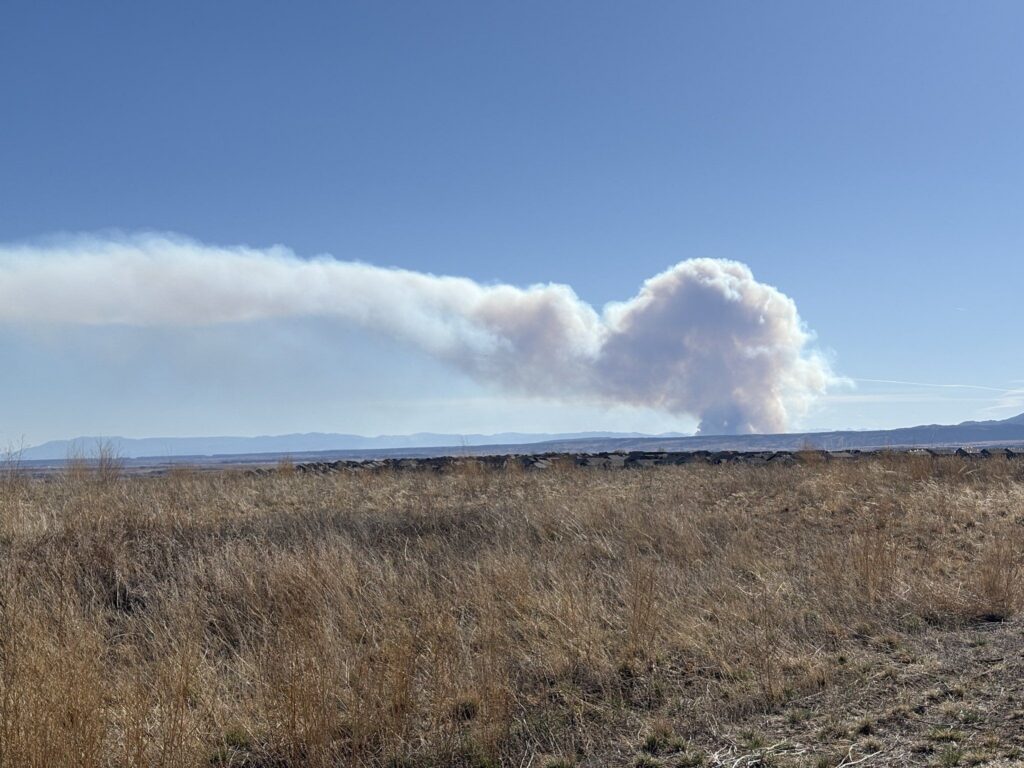
A fast-moving fire burning along Colorado 115 south of Colorado Springs blew the containment line Thursday, spreading farther east onto Fort Carson and scorching nearly 700 acres, officials said. The blaze was fully uncontained as of late Thursday afternoon, officials...
Public figures have limited path to sue over accusations of criminality, says appeals court
Michael Karlik
michael.karlik@coloradopolitics.com
Updated 3 hours ago
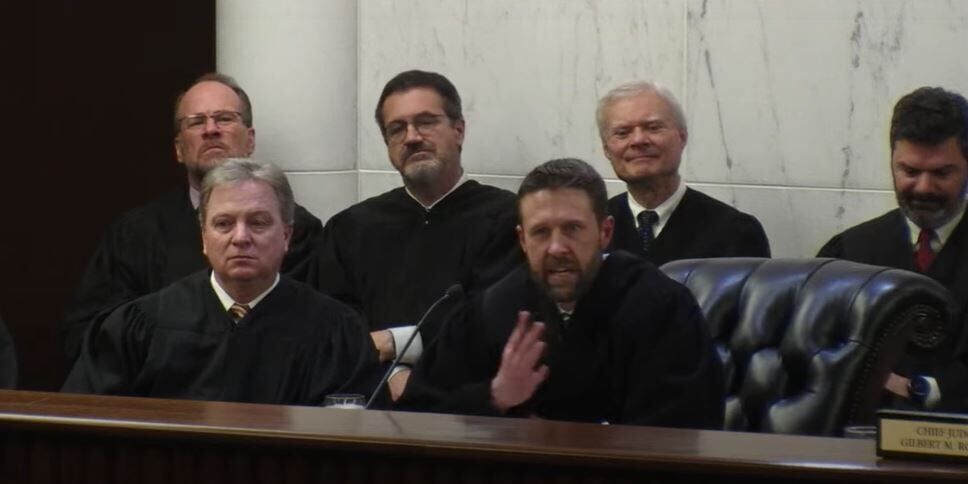
Colorado’s second-highest court ruled last week that a public figure cannot sue for defamation solely because a person publicly accuses them of committing a crime, as the statement may be constitutionally protected opinion. A three-judge Court of Appeals panel narrowed...
Proposed data center regulation in Colorado draws critics, backers
Scott Weiser
scott.weiser@gazette.com
Updated 53 minutes ago
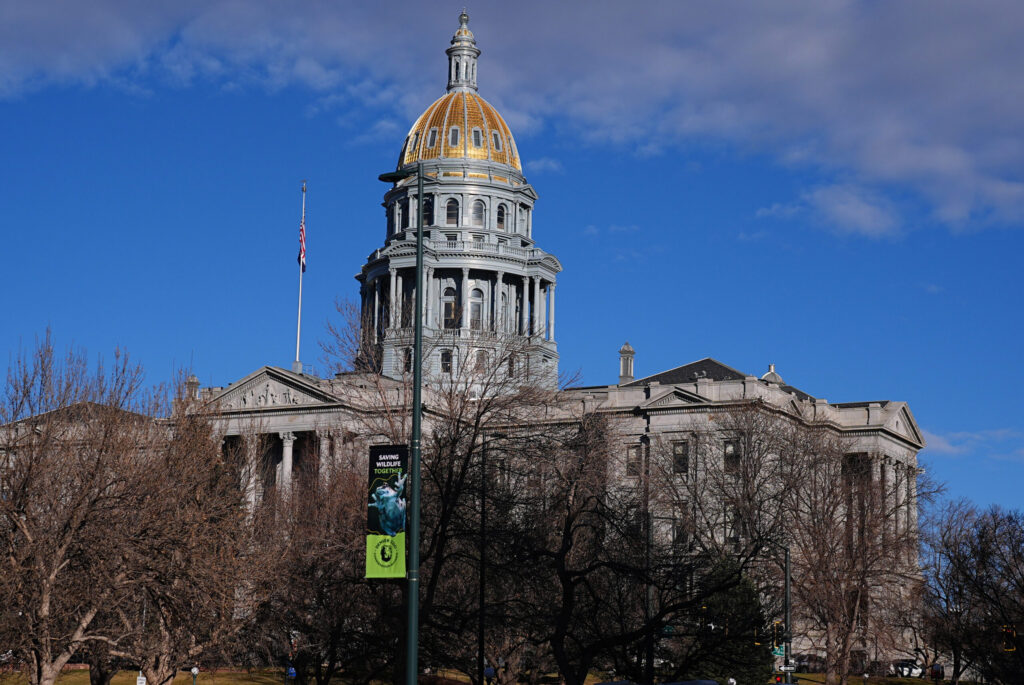
A packed marathon hearing at the state Capitol in Colorado highlighted the sharp divide between two competing approaches to the effects of data centers, one of America’s fastest-growing technology sectors. Data centers are the physical facilities that host the servers,...

Conservation Colorado proposes measures aimed at oil and gas companies
Marissa Ventrelli
marissa.ventrelli@coloradopolitics.com
Updated 3 hours ago
The environmental group Conservation Colorado has introduced four ballot measures it says are in response to an initiative that aims to enshrine Colorado businesses’ and consumers’ right to purchase and sell natural gas in the state’s Constitution. Filed with the...

Colorado revenue forecast worsens, pushing budget shortfall to nearly $1.5B
Marianne Goodland
marianne.goodland@coloradopolitics.com
Updated 47 minutes ago
The latest revenue forecasts from economists in both the governor’s office and the Colorado legislature show that the state’s budget predicament has worsened — by hundreds of millions of dollars more. That, in turn, means cuts programs and services in...
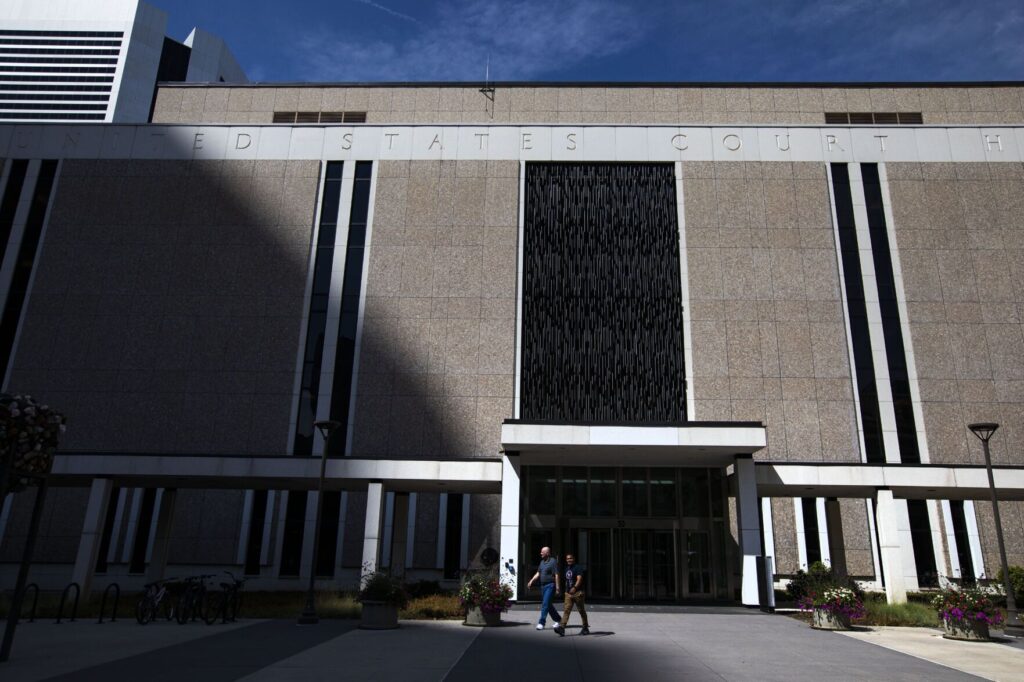
Federal judge to consider sanctioning ex-Colorado judicial discipline director
Michael Karlik
michael.karlik@coloradopolitics.com
Updated 2 hours ago
A federal judge ordered Colorado’s former head of judicial discipline on Wednesday to explain why she should not sanction him for making inaccurate statements about the defendants in his lawsuit against the Colorado Supreme Court and related entities. U.S. District...

With jails overcrowding, Gov. Jared Polis asks for new prisons as lawmakers face budget shortfall
Marianne Goodland
marianne.goodland@coloradopolitics.com
Updated 1 hour ago
The Polis administration is asking for hundreds of millions of dollars to expand the state’s prison system, just as Colorado’s legislators are bracing for a worsening fiscal outlook. The request sets up a clash over priorities at a time when...
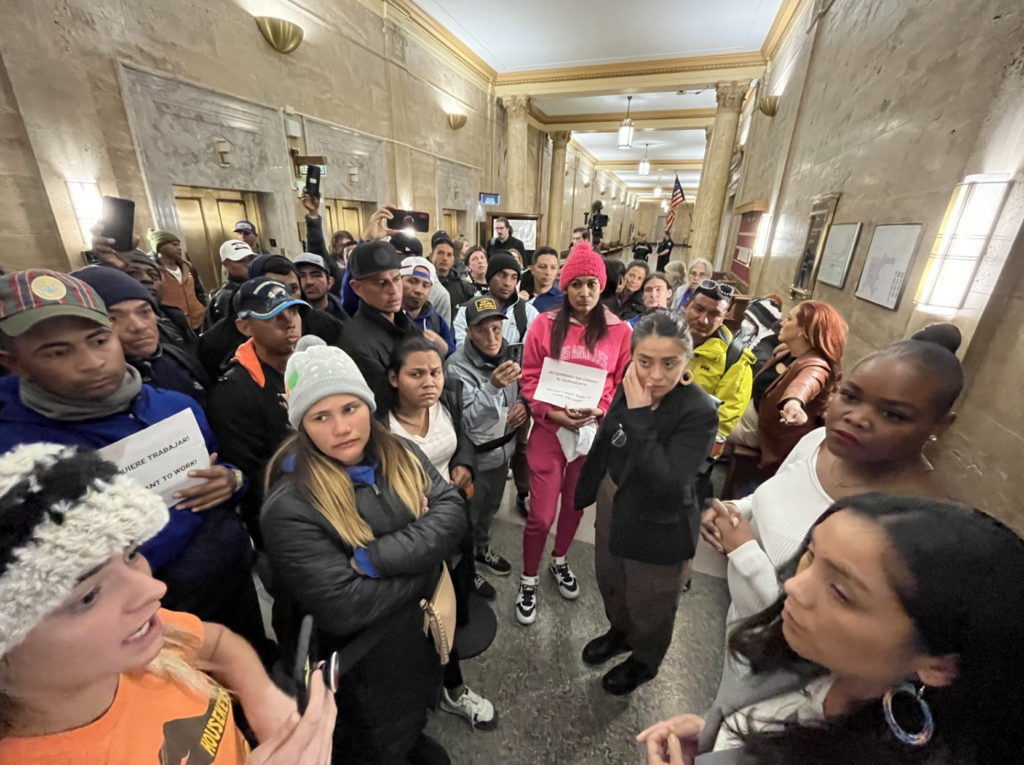
Costs explode for Colorado program covering pregnant women and children living in the U.S. illegally
Marianne Goodland
marianne.goodland@coloradopolitics.com
Updated 10 hours ago
A state program providing health care to pregnant women and children living in the country illegally is costing far more than lawmakers expected, with expenses nearly tripling in just a year and threatening to squeeze Colorado’s budget amid a nearly...

Costs explode for Colorado program covering pregnant women and children living in the U.S. illegally
Marianne Goodland
marianne.goodland@coloradopolitics.com
Updated 1 day ago
A state program providing health care to pregnant women and children living in the country illegally is costing far more than lawmakers expected, with expenses nearly tripling in just a year and threatening to squeeze Colorado’s budget amid a $1...
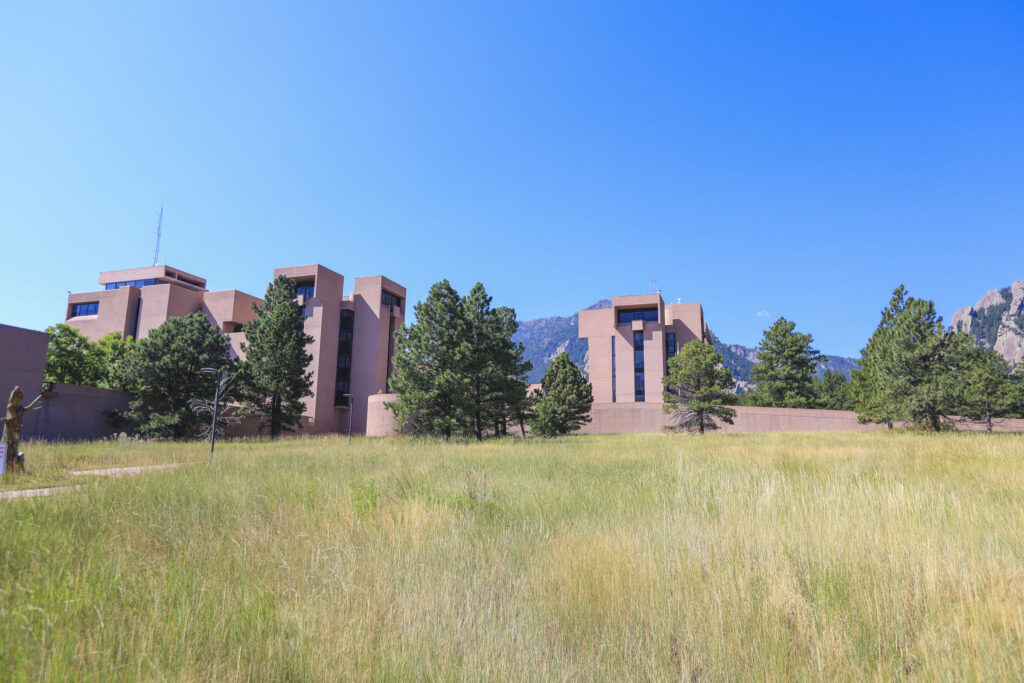
Universities sue to block dismantling of Boulder’s NCAR
Scott Weiser
scott.weiser@gazette.com
Updated 6 hours ago
A consortium of universities filed a federal lawsuit Monday, alleging the Trump administration’s plan to dismantle the National Center for Atmospheric Research is unlawful retaliation against Colorado. The group also argued that the move violates federal law. The University Corporation...
PREV
PREVIOUS

Denver’s green roof ordinance morphs into a broader mandate
Denver has one of its first commercial rooftop green spaces despite the city morphing the citizen-led Green Roofs Initiative into a less ambitious energy conservation and heat island reduction plan. McGregor Square, a 659,000-square-foot development owned by the Colorado Rockies that is next to Coors Field, took the green roof ordinance to heart when its design process began in […]
Judge tosses lawsuit over military vaccination mandate
A federal judge in Colorado threw out a lawsuit from two service members seeking to halt the “forcible inoculation” of military employees and prevent the U.S. Department of Defense from requiring vaccinations for people who already contracted COVID-19. U.S. District Court Judge Raymond P. Moore found that the plaintiffs had reportedly received or were being […]