

Year in review: The year COVID didn’t end
It’s strange to think back to 12 months ago. Vaccines had started to trickle in. The fever of the November 2020 surge had broken. Not many people were saying it out loud yet, but the long-rumored light at the end of the tunnel looked like it might just be getting closer.
In the early days of 2021, the rollout of the vaccine dominated all else.
Gov. Jared Polis cheerfully greeted the first FedEx shipment of doses in mid-December, and health care workers started getting jabbed shortly after. The order – who would get what, when – shifted constantly. Colorado gave priority to its oldest residents, and the feds dumped doses into nursing homes and long-term care facilities.
Much attention was paid to assuaging anxieties, to outreach for communities historically ignored and abused by the medical field. I, like most COVID-19 reporters, wrote a “How to talk to your vaccine-hesitant loved ones” explainer. Minority communities lagged behind their white peers in early vaccination rates, drawing criticism of the rollout from activists.
As spring came, vaccine availability ballooned. Every adult in the state became eligible by early April, a couple of months ahead of schedule. Cases went down, then poked up in May. Colorado had 70% of its population at least partially vaccinated by July 1, meeting President Joe Biden’s goal. Mask orders vanished statewide, then in Denver, then anywhere at all. Polis touted an imminent near-normal summer, and he gave out money and scholarships to people who got vaccinated.
Then, in June, the delta variant washed over Mesa County. Hospitals there had roughly 5% capacity left by the middle of the month. It was an early sign – for Colorado and for the United States – of what delta, a more transmissible strain of the virus that causes COVID-19, would do for the next six months.
Vaccine uptake fell off a cliff, and the state began to work to convince the slice of Coloradans who hadn’t been vaccinated but might be open to it. Cases ticked up, slowly. By August, it felt like people were starting to look around and wonder if we’d taken a wrong turn into summer 2020.
Bob McDonald, the executive director of Denver’s Department of Public Health and Environment, got up at an early August news conference. Visibly frustrated, he ticked off everything the state had done over the past 17 months. Vaccines were universally available.
And yet, he said, “here we are.”
The city announced a broad vaccine mandate that day. The state would enact its own, requiring all health workers be inoculated, before the end of August.
That was the beginning of the delta surge that would stutter-start until mid-October, when it burst forth and threatened to overwhelm hospitals by the end of the year. Case rates and hospitalizations were at the highest levels in 12 months. Vaccines had been shown to significantly blunt the risk of death and severe disease in people who’ve chosen to get them. Hospitals, their ranks thinned after more than 18 months of pandemic work, were beleaguered. Patients without COVID-19 were sicker than they had been before, the product of delayed care.
We will feel the impacts – delayed cancer diagnoses, delayed heart attack care, delayed care for chronic conditions – for years to come.
As federal regulators wavered and the surge gained momentum, Polis cleared all adults in Colorado to get boosted, and vaccines were approved for children as young as 5. But the governor refused to reinstitute a mask order, despite saying in the summer that he’d be guided by threats to hospital capacity. At times in November, there were fewer than 80 intensive care beds left statewide. Colorado surpassed 8,000 deaths in October, then 9,000 a month later.
By Thanksgiving, health departments across the state pleaded with him to require masks. Eventually, nearly every county in Denver gave up on waiting and moved together to require masks in indoor settings.
Wars over masking had split apart the Tri-County Health Department, which was at one time the state’s largest local public health agency.
Polis, meanwhile, leaned on monoclonal antibodies, boosters and a surge in hospital and long-term care beds to avert disaster.
In an eerily similar fashion to 2020, the fever broke in late November. Cases dropped, COVID-19 hospitalizations reversed. Deaths, a lagging indicator, kept coming. Colorado surpassed 10,000 deaths 11 days before Christmas, on the exact day that the vaccines had first arrived in 2020.
At the same moment things began to turn around, a new variant was identified officially in South Africa. By the first week of December, omicron was in Colorado. Before Christmas, it would become the dominant variant of new cases statewide, a stunning surge that pushed positivity rates in some counties over 30%.
During these past 12 months, more than 6,000 Coloradans died of COVID-19. Some 32,000 were hospitalized. We won’t know, maybe ever, how many more died as an indirect result of the pandemic. The ranks of health care workers have thinned, by somewhere in the neighborhood of 20%, if national surveys are to be believed. Overdoses spiked. More people died of Alzheimer’s. And on and on, the inescapable pandemic funhouse mirrors revealing new distortions with each turn we take.
As we enter 2022, we enter it with Omicron. It will likely burn through Denver and the rest of the state quickly. It is freakishly transmissible, turning pandemic curves (remember those?) into 90-degree angles. It also appears to be less severe, and it’s wildfire-esque rise hopefully means a similarly rapid decline. But hospitals are already strained, their workers exhausted. A more transmissible virus that’s less severe will still find plenty of people to send to the hospital.
And, by all accounts, most of those people will be unvaccinated. Vaccines are universally available to everyone over the age of 4. Boosters are available for those over 15. They are free. They demonstrably, provably, verifiably, safely work. Their biggest weakness is that they, like everything else, are subject to hyper-politicization and entrenchment.
The pandemic will end. If 2021 told us anything, it’s that a vaccine isn’t enough to bring about that end. Maybe 2022 will tell us what will and at what price.
“I’m just really frustrated and disappointed,” Joseph Forrester, a veteran intensive care physician at the Medical Center of Aurora, told me in December, after Colorado surpassed 10,000 deaths. “But I do think, as with most things, eventually, we’re going to get it right.
“It’s just – how many lives are we going to have to sacrifice unnecessarily to eventually get there?”


Federal judge sides with Mesa County school district in ex-student’s First Amendment claims
Michael Karlik
michael.karlik@coloradopolitics.com
Updated 7 hours ago
A federal judge concluded last week that Mesa County Valley School District 51 and three of its administrators did not violate the First Amendment rights of a former student when they imposed minor discipline in response to disruptive behavior. In...

Colorado Supreme Court intervenes in 4 ongoing cases
Michael Karlik
michael.karlik@coloradopolitics.com
Updated 11 hours ago
The Colorado Supreme Court recently moved to intervene in four ongoing cases, including two criminal prosecutions, a civil lawsuit, and a child welfare proceeding. At least four of the court’s seven members must agree to hear a case outside of...
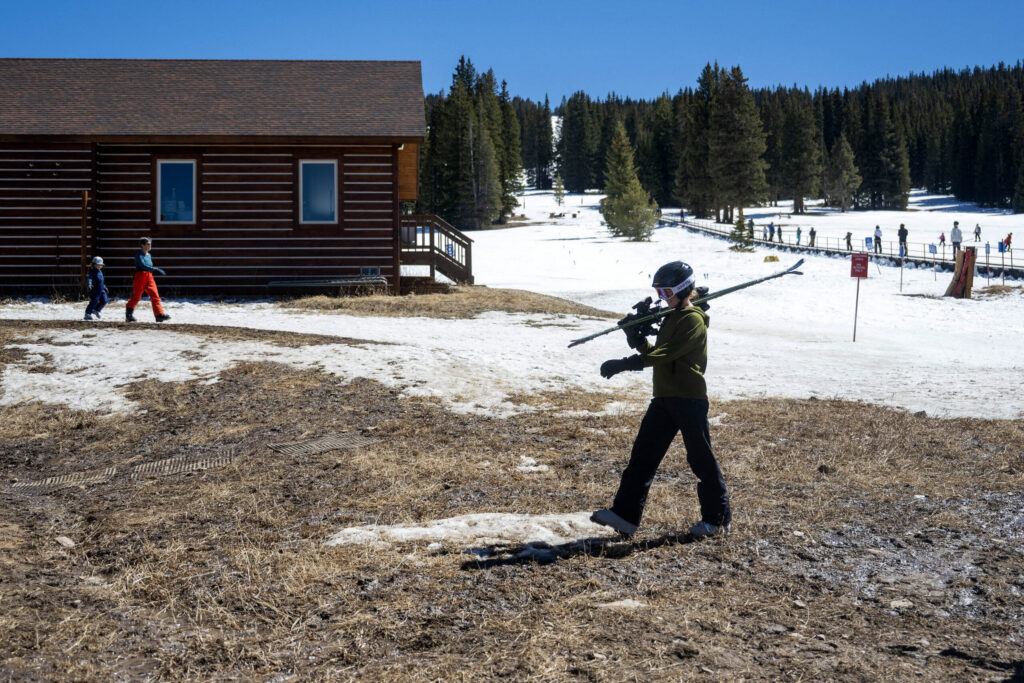
Colorado ski resorts announce early closures amid historic snowpack lows, high temperatures
Kyla Pearce
kyla.pearce@gazette.com
Updated 11 hours ago
Vail Resorts is the latest area to announce season closure Wednesday As Colorado’s historically low snowpack year comes to a close and spring conditions take over the mountains, the state’s major ski resorts are announcing closing dates — some of...
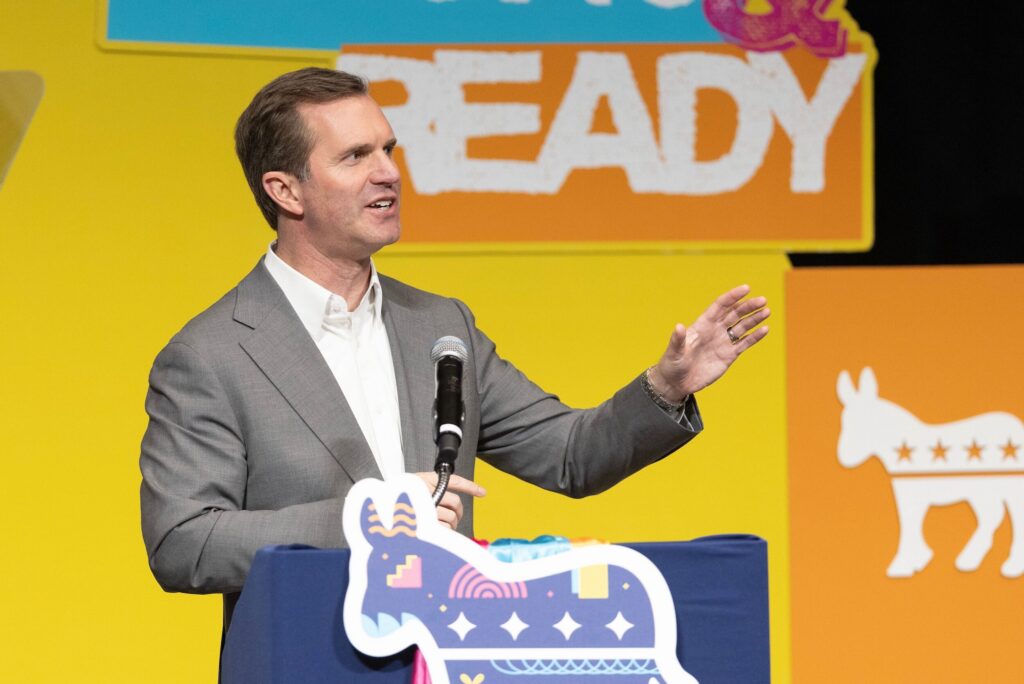
Kentucky Gov. Andy Beshear set to headline Colorado Democrats’ annual fundraising dinner
Ernest Luning
ernest.luning@coloradopolitics.com
Updated 11 hours ago
Kentucky Gov. Andy Beshear, one of the Democrats’ top 2028 presidential prospects, is scheduled to deliver the keynote address at the Colorado Democratic Party’s annual fundraising dinner in June in Denver, the party said Friday. Serving his second term as...
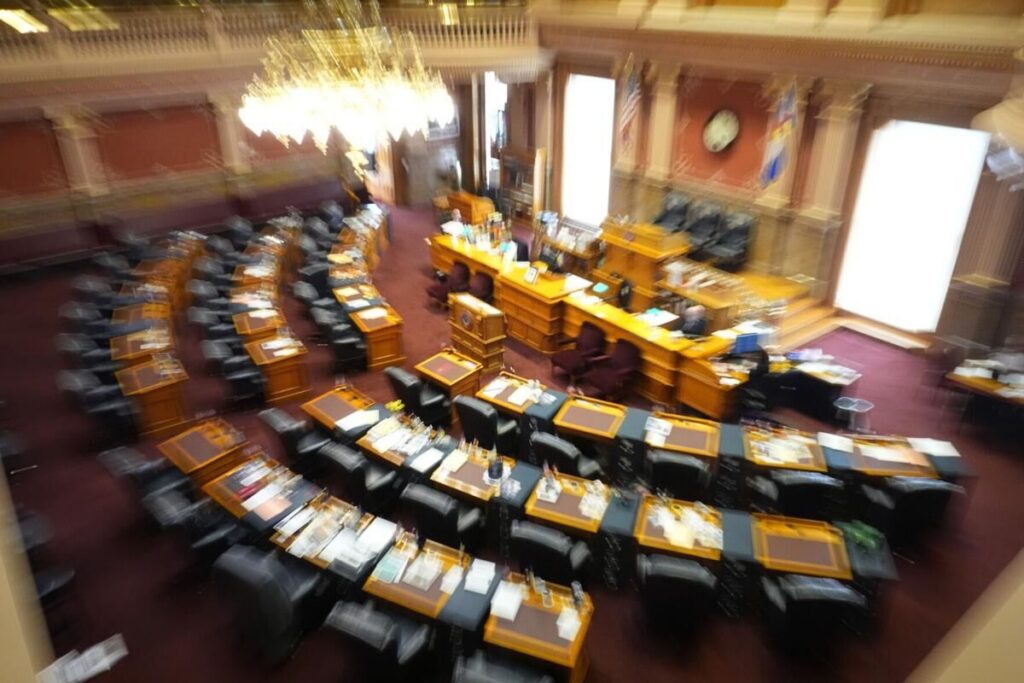
Gov. Polis names new leaders for Colorado health agencies in wake of Medicaid turmoil
Marianne Goodland
marianne.goodland@coloradopolitics.com
Updated 13 hours ago
Gov. Jared Polis, on Thursday, announced he was appointing Gretchen Hammer to serve as acting executive director of the Colorado Department of Health Care Policy and Financing, and deputy executive director Stephanie Beasley to become the next commissioner of the...
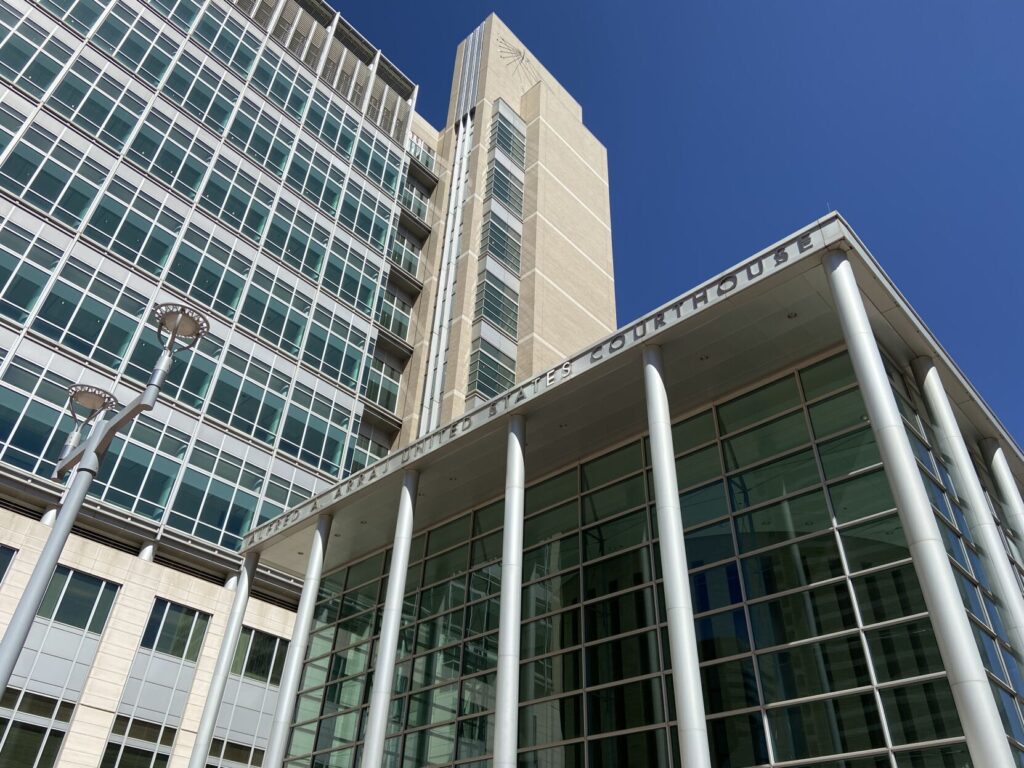
Federal judge releases man immediately as consequence for immigration judge disobeying orders
Michael Karlik
michael.karlik@coloradopolitics.com
Updated 11 hours ago
A federal judge ordered a man’s immediate release from immigration detention on Thursday after finding an immigration judge disregarded his prior orders requiring a bond hearing. For the past year, Colorado’s federal district court has faced a flood of “habeas corpus”...
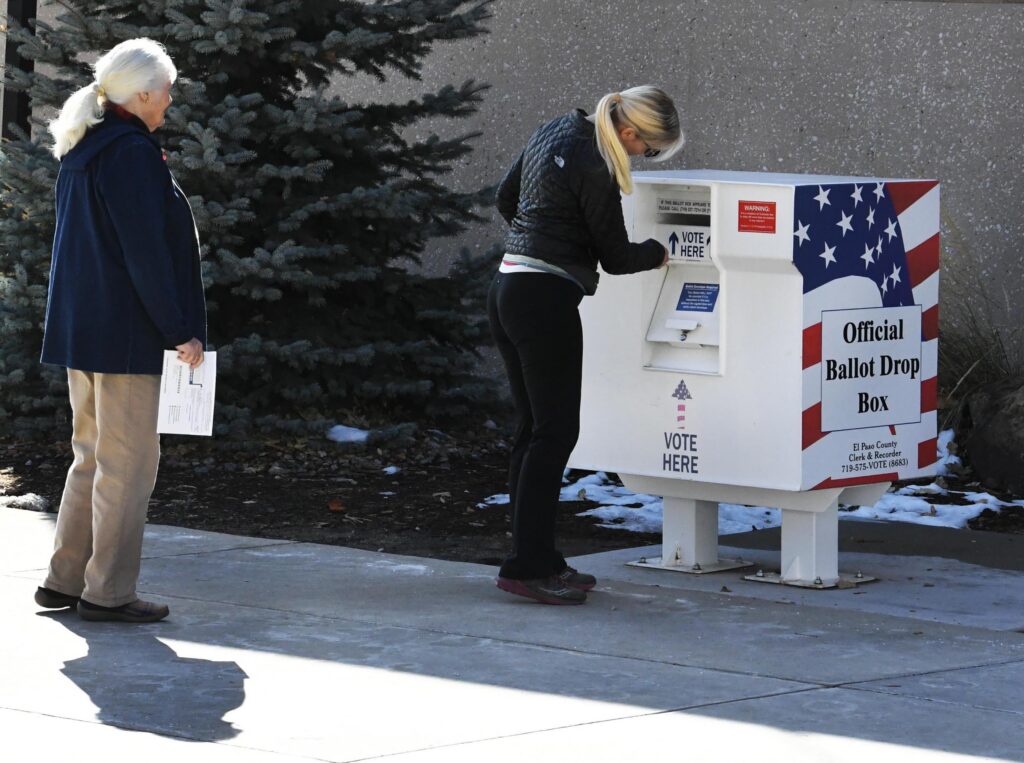
Colorado sues Trump administration, calling new election order ‘unconstitutional’
Marissa Ventrelli
marissa.ventrelli@coloradopolitics.com
Updated 14 hours ago
Colorado Attorney General Phil Weiser has joined a multistate coalition suing President Donald Trump over a new executive order on elections, arguing the directive unlawfully intrudes on states’ authority to run their own voting systems and threatens access to mail...
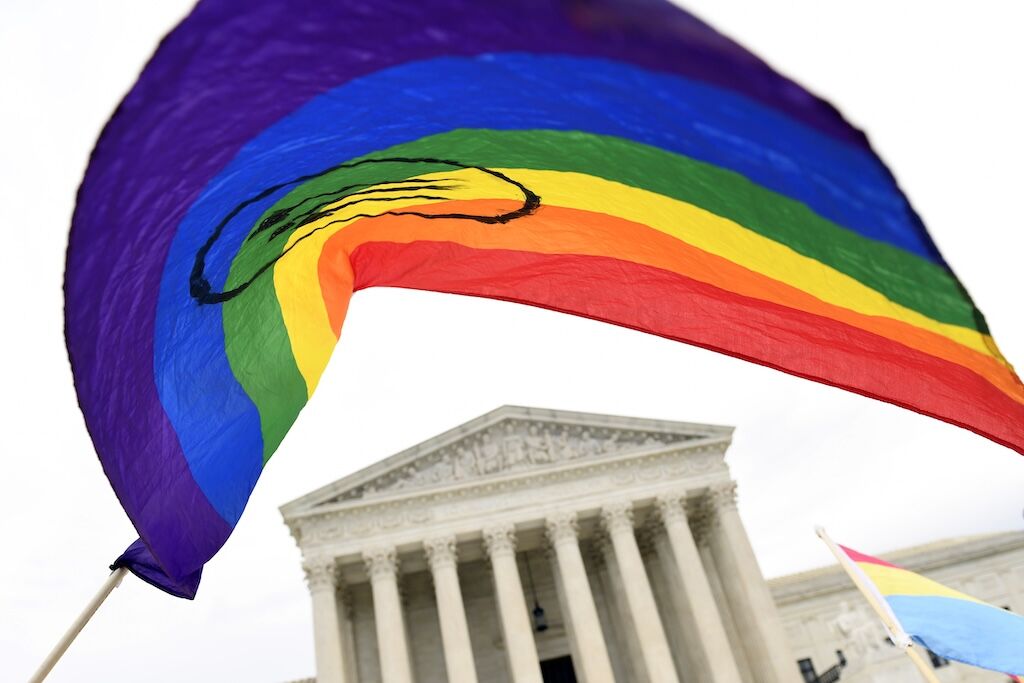
Why Colorado’s LGBTQ laws keep getting struck down by the Supreme Court
Jack Birle, Washington Examiner
jack.birle.washington.examiner@gazetteedit.wpenginepowered.com
Updated 14 hours ago
The Supreme Court has been a house of horrors for Colorado over the past decade, with the state facing a trio of major losses over laws it claims it has enacted to protect LGBT people but that the justices found...
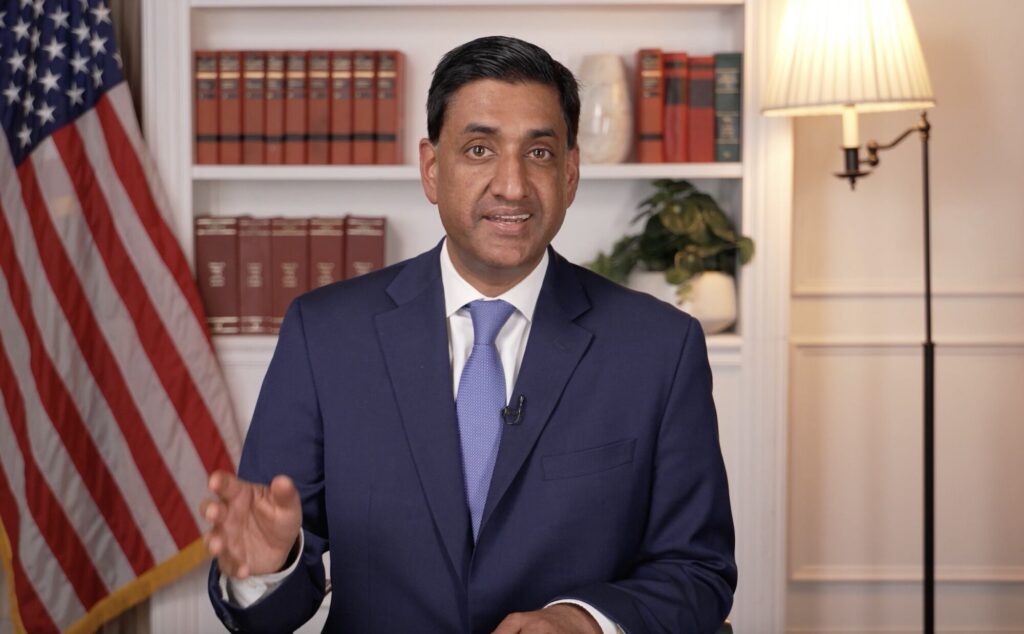
Denver Democrat Neal Walia lands endorsement from Ro Khanna in Colorado’s state House District 9
Ernest Luning
ernest.luning@coloradopolitics.com
Updated 11 hours ago
California Rep. Ro Khanna on Friday endorsed legislative candidate Neal Walia in the race for an open state House seat, praising the Denver Democrat’s commitment to public service and progressive goals. Walia, who mounted an unsuccessful challenge against U.S. Rep....
Denver judge denies Gov. Polis request to dismiss ICE-related records case
Marianne Goodland
marianne.goodland@coloradopolitics.com
Updated 12 hours ago
A year after blocking the release of state records to federal immigration agents, a Denver judge has now denied Gov. Jared Polis’ effort to end the lawsuit at the center of the dispute. The lawsuit filed against the governor in...
PREV
PREVIOUS
OUT WEST ROUNDUP | Yellowstone halts winter vehicle study; Noem wants to block critical race theory
MONTANA Yellowstone opens roads to oversnow travel BILLINGS – Yellowstone National Park opened its roads to oversnow vehicles for the winter season on Dec. 15 and has suspended a wildlife monitoring program that found snowmobiles and other such machines were having minimal effects on animals. The monitoring program for wildlife along road corridors used by […]
TIMELINE: As the Marshall Fire raced, residents fled their homes and community
It’s 11:30 a.m. on Thursday, and Brenda Leighton is shopping for fireproof cabinets and safes. She’d long debated installing them in her home in Superior. She does not know that roughly 30 minutes ago, a grass fire had ignited and would soon consume her home of 18 years. “When I went outside, I was freaking […]