

Colorado county institutes mask order after it’s faced with omicron surge and wave of visitors
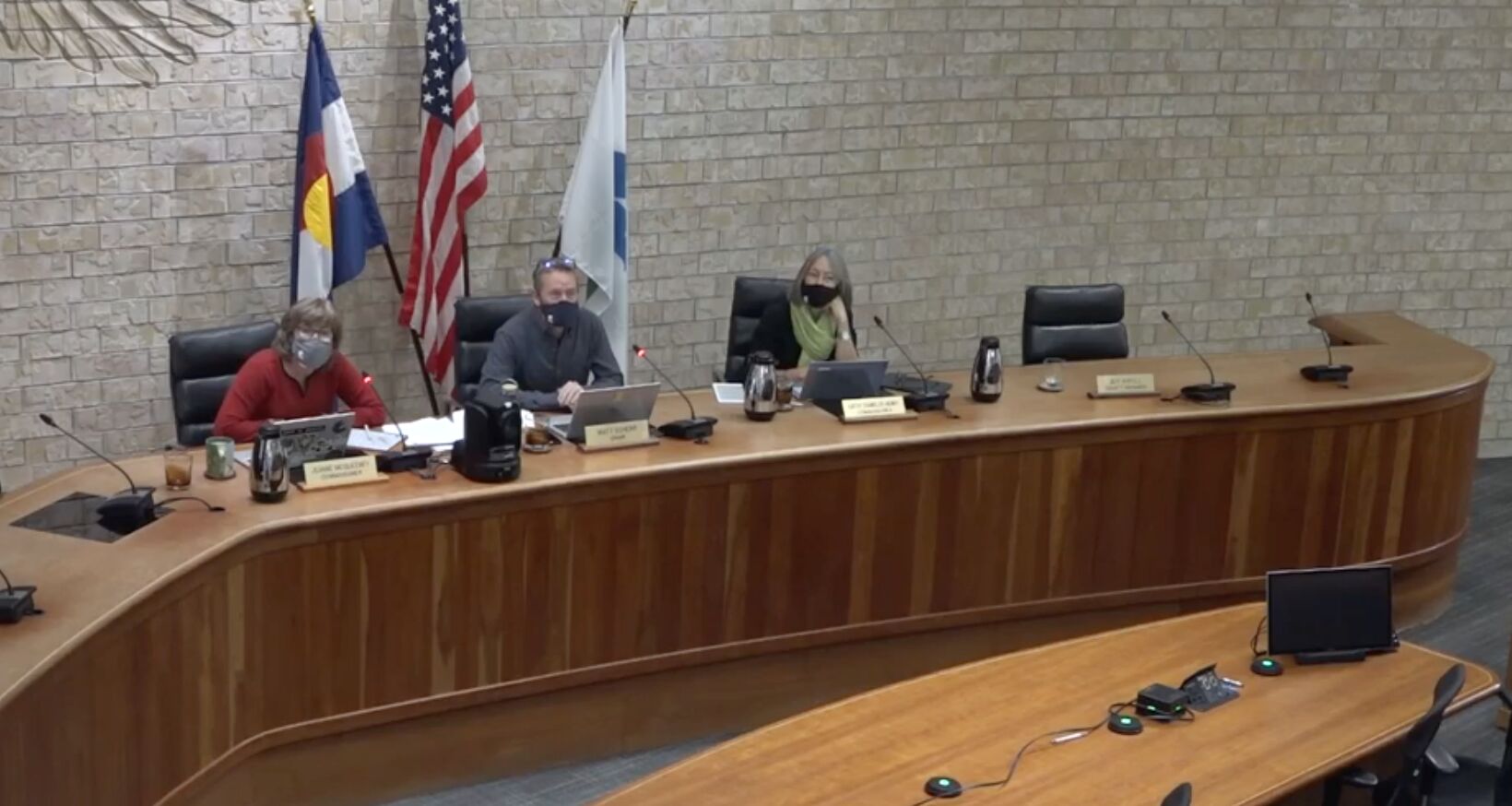
Eagle County officials instituted an indoor mask order Wednesday as the county, flush with winter tourists, faces a crush of COVID-19 cases likely fueled by the omicron variant.
The order became effective at noon Wednesday, roughly 90 minutes after the vote. As written now, it will expire Jan. 17 and requires indoor masking and a minimum of 10-day quarantines for individuals who test positive. People who are not fully vaccinated and have not yet received test results but had close contact with a positive case must also self-quarantine.
“This is simply the best that we believe we can do with the data we’ve got,” Matt Scherr, Eagle County commissioner and member of the county’s board of health, said at a Wednesday morning special meeting. He and the other two members of the board voted unanimously to implement the order. “I don’t think we have any understanding of what’s going to happen in the future. But this is the best we can do.”
Eagle is the Colorado county hardest-hit by omicron thus far. The variant’s arrival is so recent that the county has not yet officially identified a case of it, with final sequencing still pending. The positivity rate in the county is 30%, public health director Heath Harmon told the board, up from roughly 10% last week. The number of cases per 100,000 residents has more than tripled in eight days, from roughly 300 to more than 1,000.
The demand for testing is limiting capacity, the county said, and wait times for results have doubled to 48 hours. The state has sent resources to help the county expand its capabilities, officials said.
“Omicron is here,” Harmon said.
The variant has exploded nationwide, accounting for nearly three-quarters of recent cases. In Colorado, its presence has risen from about 0.53% percent of cases the week of Nov. 28 to nearly 10% last week. Gov. Jared Polis said Tuesday that it was only a matter of days or weeks before omicron was the dominant strain in Colorado, displacing the long-reigning delta variant.
Chris Lindley, the chief population officer for Vail Health, told the board that the system’s emergency department and urgent care centers are operating at double their average volumes. Many staff are isolated, and the state is surging 18 registered nurses to help supplement the facility. Additional testing sites are opening, he continued. Harmon said a vaccination team has also arrived from the state and is getting set up now.
Over the past three days, one in three tests run by Vail Health – including on out-of-state visitors – has returned positive for COVID-19. Vail has close to 100,000 visitors this week, Lindley said.
“Every hotel is full. Every Airbnb is full. People are up here skiing,” he said.
Harmon told The Denver Gazette after the meeting that the area was “entering the busiest visitor time of the year.”
“The increase in population to these communities can have a multiplying factor, whether it is bringing the virus into the community, increasing risks of exposures, and carrying it with them when they leave,” he said in an email. “This has been true throughout the pandemic with previous variants, but even more so with Omicron.”
The system’s five intensive care beds are all occupied. Even if omicron is less severe than delta or other strains of the virus – which researchers are still determining – the amount of disease in the community is unsustainable for the hospital, he said.
“Even if the virus is one-tenth the strength of delta,” he said, “looking at the numbers we have today, there’s no question we’ll be operating at the highest capacity in our hospital that we’ve ever operated.”
Harmon said masks were no magic bullet, but he stressed the need for layer protections. Harmon and the board members said they’d received 75 emails and messages about the order before they voted and that many businesses – though not all – supported the order, as a way to keep their employees healthy and able to work during the busy tourist season.


Colorado justices concerned about retrying defendant after jury signaled acquittal
Michael Karlik
michael.karlik@coloradopolitics.com
Updated 1 hour ago
Some members of the Colorado Supreme Court appeared uncomfortable on Tuesday with allowing a criminal defendant to stand trial a second time after a Larimer County jury signaled it was deadlocked on some counts but found him not guilty of...

Colorado budget gets clean opinion from Office of the State Auditor
Marissa Ventrelli
marissa.ventrelli@coloradopolitics.com
Updated 3 hours ago
The Office of the State Auditor has given the state’s Fiscal Year 2025 budget a “clean” opinion, meaning both state government and higher education institutions presented their financial statements “fairly, in all material respects.” The state’s financial statements reported total...

Missy Woods pleads not guilty; trial set for fall
Jenny Deam
jenny-deam@coloradopolitics.com
Updated 2 hours ago
The former Colorado Bureau of Investigation DNA expert charged with more than 100 felonies entered a plea of not guilty to all of them Wednesday in a packed Jefferson County courtroom. The plea was entered by her defense attorney Tom...
Colorado justices question process for parole board appeals
Michael Karlik
michael.karlik@coloradopolitics.com
Updated 4 hours ago
The Colorado Supreme Court considered on Tuesday whether criminal defendants whose parole is revoked must appeal the decision internally to the state’s parole board before seeking review by a judge. The process for returning someone to incarceration for violating the...

Leaders, past and present, inducted into Colorado Business Hall of Fame | NONPROFIT REGISTER
Joanne Davidson Special to Colorado Politics
joanne-davidson-special-to-colorado-politics@coloradopolitics.com
Updated 4 hours ago
JUNIOR ACHIEVEMENT ROCKY MOUNTAIN DENVER METRO CHAMBER OF COMMERCE Denver News: The men and women who were inducted into the Colorado Business Hall of Fame this year made their marks in different ways, yet they had this in common: They dared to...

Colorado Republicans set meeting to restrain state chair Brita Horn, but she says they can’t do that
Ernest Luning
ernest.luning@coloradopolitics.com
Updated 6 hours ago
A Colorado Republican Party officer has scheduled a meeting of the party’s state central committee to consider whether to curb state GOP chair Brita Horn’s spending authority and hold a confidence vote in her leadership, but Horn said the party...
Colorado justices weigh potentially faulty jury instruction in child abuse case
Michael Karlik
michael.karlik@coloradopolitics.com
Updated 6 hours ago
Members of the Colorado Supreme Court questioned on Tuesday whether a San Miguel County jury convicted a defendant of child abuse resulting in death, even though the instructions potentially allowed jurors to avoid finding that the child abuse resulted in...

Grand jury refuses to indict Democratic lawmakers in connection with illegal military orders video
Eric Tucker
eric.tucker@associatedpress.com
Updated 3 hours ago
WASHINGTON (AP) — A grand jury in Washington refused Tuesday to indict Democratic lawmakers in connection with a video in which they urged U.S. military members to resist “illegal orders,” according to a person familiar with the matter. The Justice...
Trump administration plans to hold back grant money from Colorado, 3 other states
Thelma Grimes
thelma.grimes@coloradopolitics.com
Updated 20 hours ago
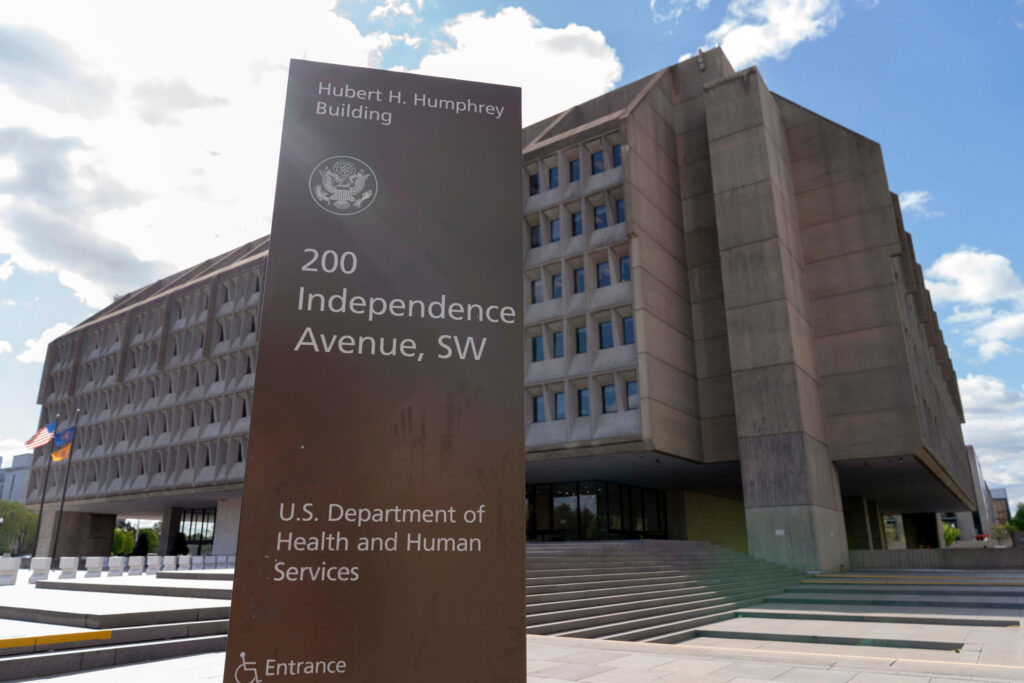
The Trump’s administration is planning to withhold some public health and transportation money from a group of Democratic-led states, including Colorado. The other states are California, Illinois and Minnesota. Full details have not been released, including whether the states could...

National Democrats add Republican Jeff Crank in Colorado’s 5th CD to list of targeted GOP-held seats
Ernest Luning
ernest.luning@coloradopolitics.com
Updated 21 hours ago
The House Democrats’ campaign arm on Tuesday added U.S. Rep. Jeff Crank in Colorado’s 5th Congressional District to its list of targeted seats held by Republicans as the party aims to flip control of the chamber in this year’s midterm...
PREV
PREVIOUS
Judge tells construction contractors to explain why they can challenge Denver's vaccine mandate
Organizations representing Colorado’s construction industry contractors are challenging the City and County of Denver’s vaccine mandate for workers who provide services to the city, schools and hospitals. The trade organizations are claiming the policy will “create chaos” for construction across Denver, forcing anti-vaccine employees out of the workforce and delaying city projects. Consequently, they are […]

Denver City Council audit delayed over disagreement with Auditor's Office
A planned audit of the Denver City Council has been delayed by a conflict between the council and the Auditor’s Office over whether the council can have an observer present during the auditor’s interviews of staff members. Auditor Tim O’Brien announced the delay Tuesday, saying he refuses to conduct the staff interviews with senior staff members […]