

State confirms first wolf kill in decades
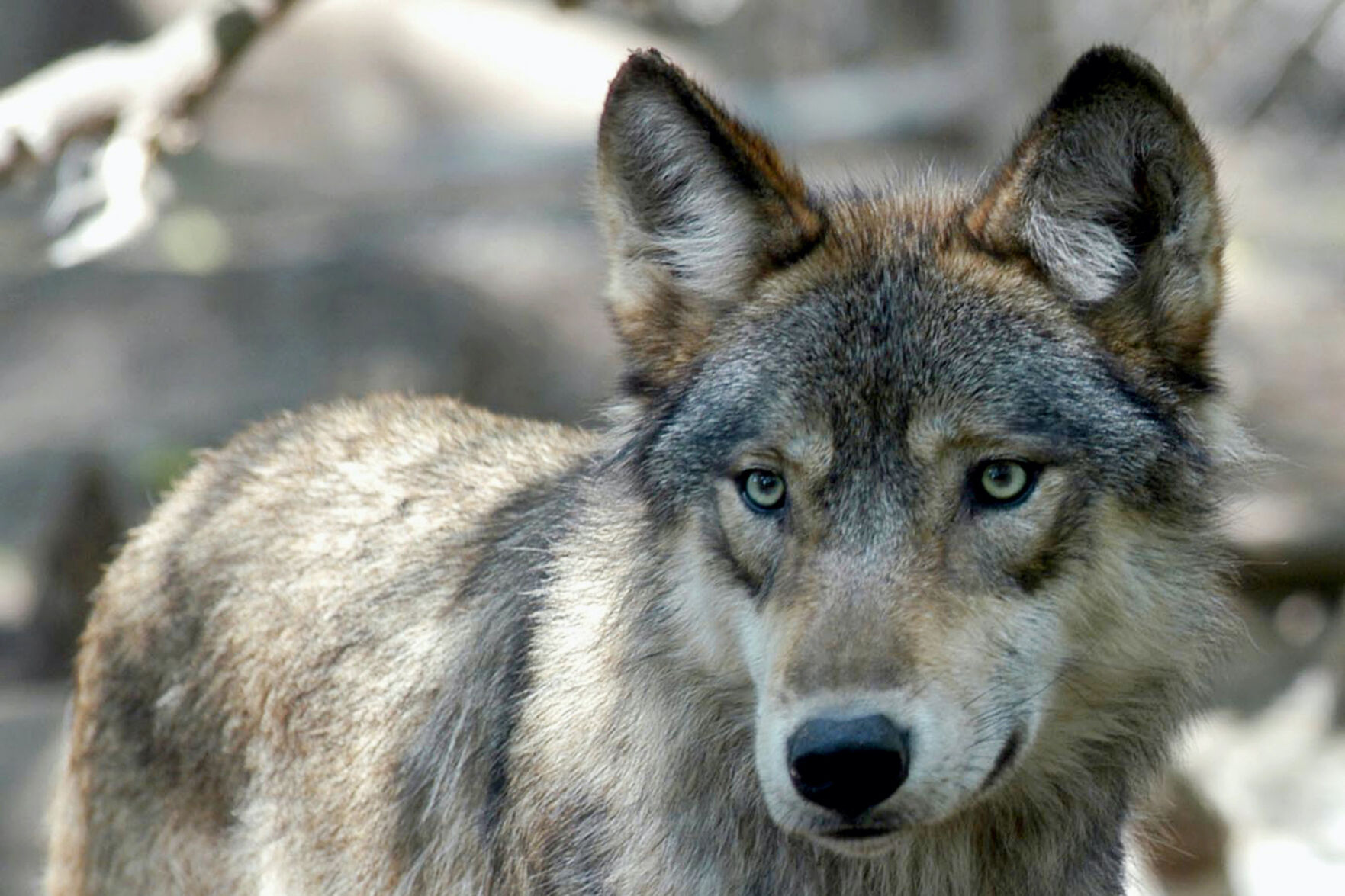
State wildlife officials on Tuesday confirmed the first killing of livestock by a pack of wolves in more than 70 years.
Colorado Parks and Wildlife said officers on Sunday investigated reports of a calf killed by wolves on a ranch in Jackson County.
“The results of this investigation indicated wolf tracks in the immediate vicinity of the carcass and wounds on the calf consistent with wolf depredation,” CPW Area Wildlife Manager Kris Middledorf said in a statement.
The Colorado Cattlemen’s Association, which first reported the incident, said the pack killed and ate a 500-pound purebred heifer near Walden in Jackson County. The young heifer belonged to a producer with a small herd, according to the association’s executive vice president, Terry Fankhauser. In the last several weeks, the producer saw tracks from the pack on his property, including near his house, Fankhauser told Colorado Politics.
In June, a mating pair with at six pups was spotted in Jackson County, according to CPW.
“CPW is working on draft regulations for the commission’s consideration on hazing for these naturally migrating wolves in the state,” CPW Director Dan Prenzlow said in a statement. “Our goal is to provide producers with resources to minimize the likelihood of conflict or depredation as we work to create a statewide wolf restoration and management program as directed under Proposition 114.”
The measure, which passed 50.9% to 49.1%, succeeded largely because of support from voters in urban, Democratic-leaning counties where wolves would not be reintroduced. In the northern Colorado counties where wolves would be reintroduced (Jackson, Moffat, Rio Blanco and Routt), the measure failed by a nearly 3-to-1 margin.
The Cattlemen’s Association was among the most vigorous opponents of Proposition 114. Ranchers and hunters opposed the measure, citing concerns for the safety of livestock and big game, specifically elk and deer. One study opponents cited found that, in five states where wolves have been reintroduced, they killed 158 cattle and 218 sheep in 2015 alone.
Backers of Proposition 114, however, said in 2020 that wolves can coexist with ranchers.
Rob Edward, president of the Rocky Mountain Wolf Action Fund, told Colorado Politics that science said “it is possible for working ranches to coexist with wolves as part of the landscape. Science tells us that returning wolves can help restore balance to Colorado’s wild places. Colorado is excited to show the rest of the West what it looks like to welcome wolves home with open arms. Future generations expect us to get this right.”
In March, Rio Blanco County commissioners passed a resolution declaring Rio Blanco a “Wolf Reintroduction Sanctuary County.” Under the resolution, “artificial” reintroduction of wolves would not be allowed. The resolution added that they should only be reintroduced in counties that supported the measure. Five Western Slope counties voted in favor of Proposition 114: La Plata, San Miguel, Pitkin, Summit and San Juan.
In other counties, the resolution stated, wolves should be introduced by natural migration and repopulation only.
Just after the November 2020 election, the Trump administration removed gray wolves from the endangered species list. The Biden administration is defending that decision in a lawsuit filed by Defenders of Wildlife, WildEarth Guardians and the Natural Resources Defense Council. A hearing on the lawsuit took place on Nov. 12 in the U.S. District Court for the Northern District of California, and a ruling is expected soon.
Once the gray wolf was delisted at the federal level, species management became the responsibility of tribes and states, according to Colorado Parks and Wildlife. In Colorado, the gray wolf is a state endangered species, and, under state law, killing wolves can result in fines of up $100,000, jail time or or loss of hunting privileges. Proposition 114 also contains a requirement that ranchers be compensated when wolves kill their livestock.
Colorado Parks and Wildlife are tasked with coming up with a management plan for reintroduction by 2023, under Proposition 114.
The Cattlemen’s Association said in a statement that the livestock kill “brings to light issues that must be addressed by the Wolf Restoration and Management Plan, specifically:
- Lethal and non-lethal methods, including hazing, of wolves for conflict minimization.
- A guaranteed funding source that allows Colorado Parks and Wildlife to fairly provide the needed tools for prevention and compensation from wolf impacts.
- Impacts from wolves go beyond livestock death and injury, to include more far-reaching impacts on livestock performance, such as loss of pregnancy, weight loss, imbalanced range usage, etc.”
The association said it “strongly encourages the members of the Wolf Restoration and Management Plan working groups and the Colorado Parks and Wildlife Commission to consider this wolf attack and the widespread impacts as a sentinel example of how livestock can be impacted by wolf introduction.”


House Ethics Committee to begin hearing on Weinberg complaint
Marianne Goodland
marianne.goodland@coloradopolitics.com
Updated 4 hours ago
The House Ethics Committee on Tuesday will begin a hearing requested by Rep. Ron Weinberg, R-Loveland, tied to an ethics complaint filed against him by Rep. Brandi Bradley, R-Roxborough Park. The ethics committee had found probable cause on two issues...

Iran war enters next phase of destroying entire missile supply chain: Hegseth
Brady Knox, Washington Examiner
brady.knox.washington.examiner@gazetteedit.wpenginepowered.com
Updated 5 hours ago
Secretary of War Pete Hegseth said the war with Iran was entering a new phase, as the United States was focusing on destroying Tehran’s defense industrial base. At a Friday Pentagon briefing, Hegseth and Gen. Dan Caine, chairman of the Joint...
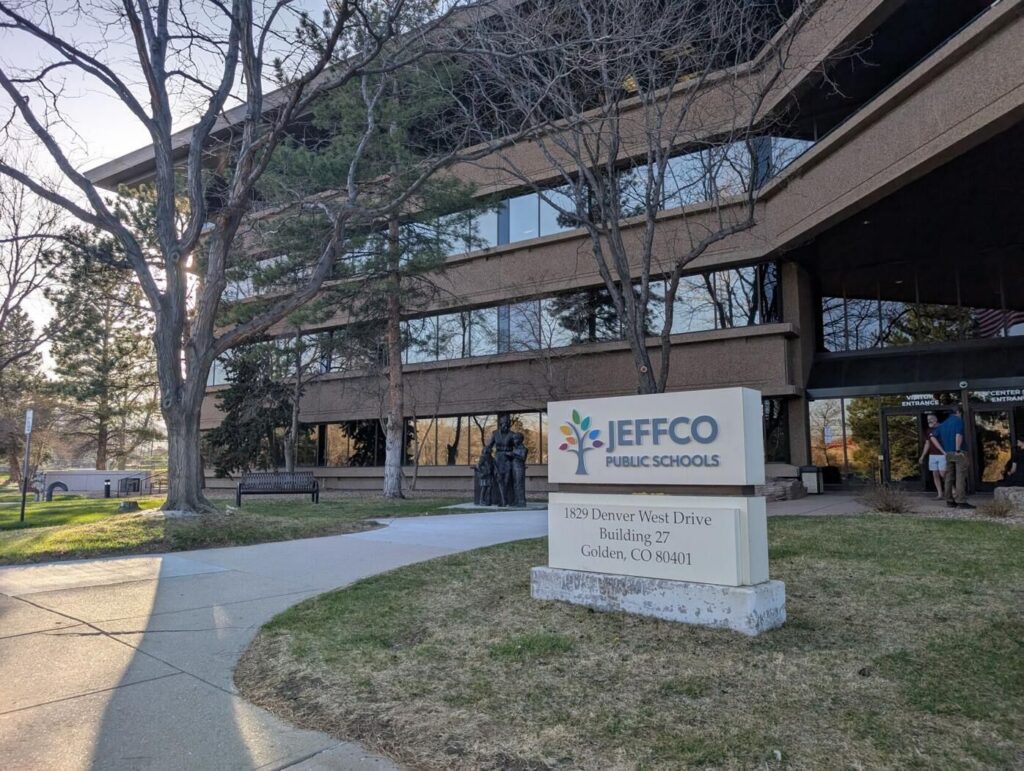
Jeffco Public Schools found in violation of Title IX
Sage Kelley
sage.kelley@denvergazette.com
Updated 7 minutes ago
Civil rights office: Male students occupy 61 roster positions on girls’ sports teams The U.S. Department of Education announced Friday that the Jeffco Public Schools district violated Title IX by permitting male students to access female bathrooms and compete in...

Colorado plans to slash interim committee work amid budget woes
Marianne Goodland
marianne.goodland@coloradopolitics.com
Updated 2 hours ago
In a tight budget year, the work of interim committees — those off-session groups that look at transportation, agriculture, water, healthcare, wildfires, pensions, and anything else that lawmakers want to look at — is on the chopping block. And this...
Xcel Energy: Power shutoff ‘likely’ Saturday in Boulder, Jefferson counties
Dan Boniface
dan.boniface@denvergazette.com
Updated 1 hour ago
Up to 43,000 residents in parts of Boulder and Jefferson counties should be prepared to have their power shut off Saturday afternoon, Xcel Energy said. The power company said it was “planning for a likely Public Safety Power Shutoff (PSPS)...

Colorado GOP chair Brita Horn says she’ll resign next month, points to ‘divide within our party’
Ernest Luning
ernest.luning@coloradopolitics.com
Updated 21 hours ago
Colorado Republican Party Chair Brita Horn said Thursday that she will resign her position next month following the GOP’s state assembly, citing what she described as an “enduring divide” within the party “marked by vitriol and hostility.” Horn’s announcement came...
Colorado justices skeptical of appellate court’s limitation on prosecution’s appeal
Michael Karlik
michael.karlik@coloradopolitics.com
Updated 1 day ago
The Colorado Supreme Court seemed skeptical on Tuesday that Denver prosecutors should be barred from appealing a trial judge’s permanent dismissal of a criminal case, based upon the sequence of events after the original ruling. Prosecutors charged Quinn M. Jebe...
Senate committee moves forward with Colorado ballot measure to redirect TABOR refunds to schools
Marianne Goodland
marianne.goodland@coloradopolitics.com
Updated 11 minutes ago
A Senate panel on Thursday voted along party lines to move forward with a bill that would ask voters for permission to eliminate Taxpayer’s Bill of Rights refunds and redirect those dollars to K-12 public education. The 6-3 vote in...

Federal judge: Government violated order shielding man from deportation in ‘one-off mistake’
Michael Karlik
michael.karlik@coloradopolitics.com
Updated 1 day ago
A federal judge acknowledged on Thursday that the government violated his order by deporting a man in immigration detention during his pending court case, but it “serves nobody’s interests” to require the government to return him. On Feb. 18, Tesfami...
Wolf depredation payouts in Colorado top $700,000 in 2025
Marianne Goodland
marianne.goodland@coloradopolitics.com
Updated 5 hours ago
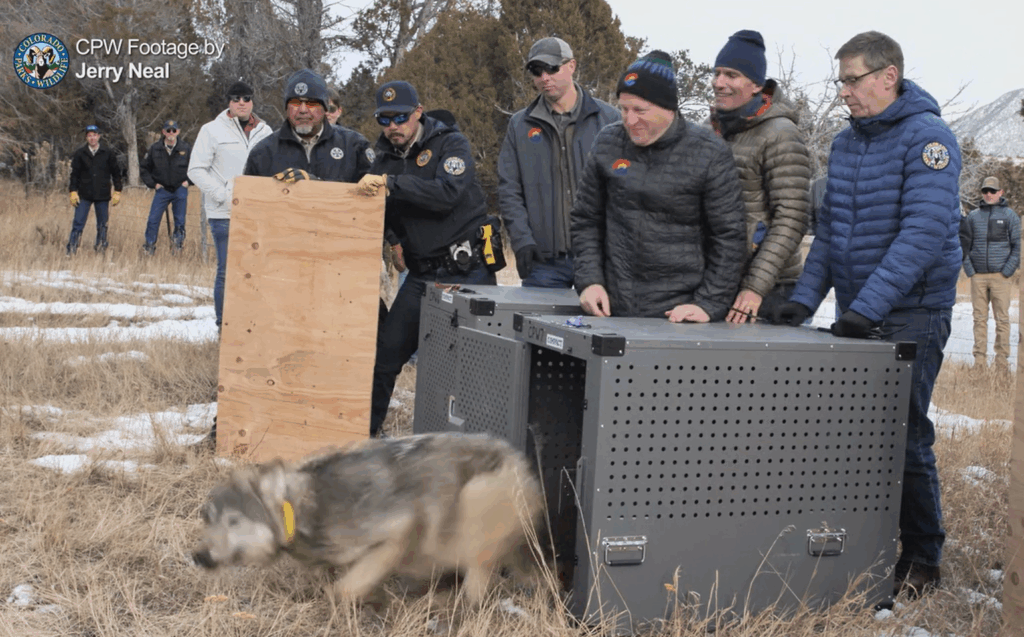
The Colorado Parks and Wildlife Commission approved more than $706,000 in wolf depredation claims for 2025 during its March meeting last week, an amount that exceeds the state’s annual wolf compensation fund by more than double. The commission rejected another...
PREV
PREVIOUS
State Supreme Court says man's post-arrest conduct cannot count toward resisting arrest
A Mesa County man was under arrest at the time officers placed him in handcuffs, meaning his conduct after that point could not be used against him to prove he was guilty of resisting arrest, the state Supreme Court decided Monday. The ruling reverses the state’s second-highest court, which determined that because Weston Jefferson Thomas went […]

City Council OKs $365,000 settlement in wrongful death lawsuit against Denver police
The Denver City Council approved a $365,000 settlement against the Denver Police Department Monday after police killed one man and injured another in 2018 while mistakenly pursuing who they thought was an escaped jail inmate. The settlement was approved unanimously without comment from council members. The $365,000 will go to the victims’ families, with payments […]