

Colorado Parks and Wildlife, Denver Zoo work to save the state’s boreal toads
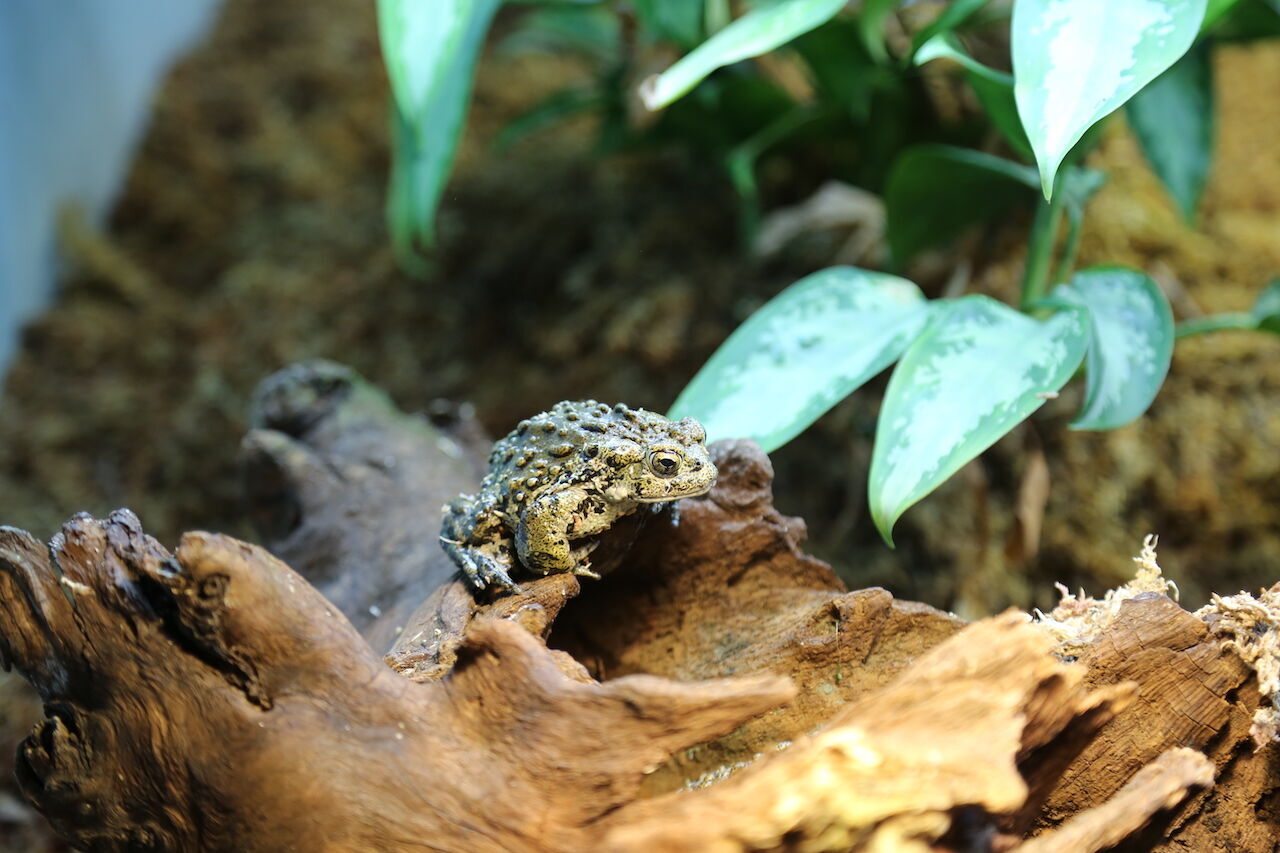
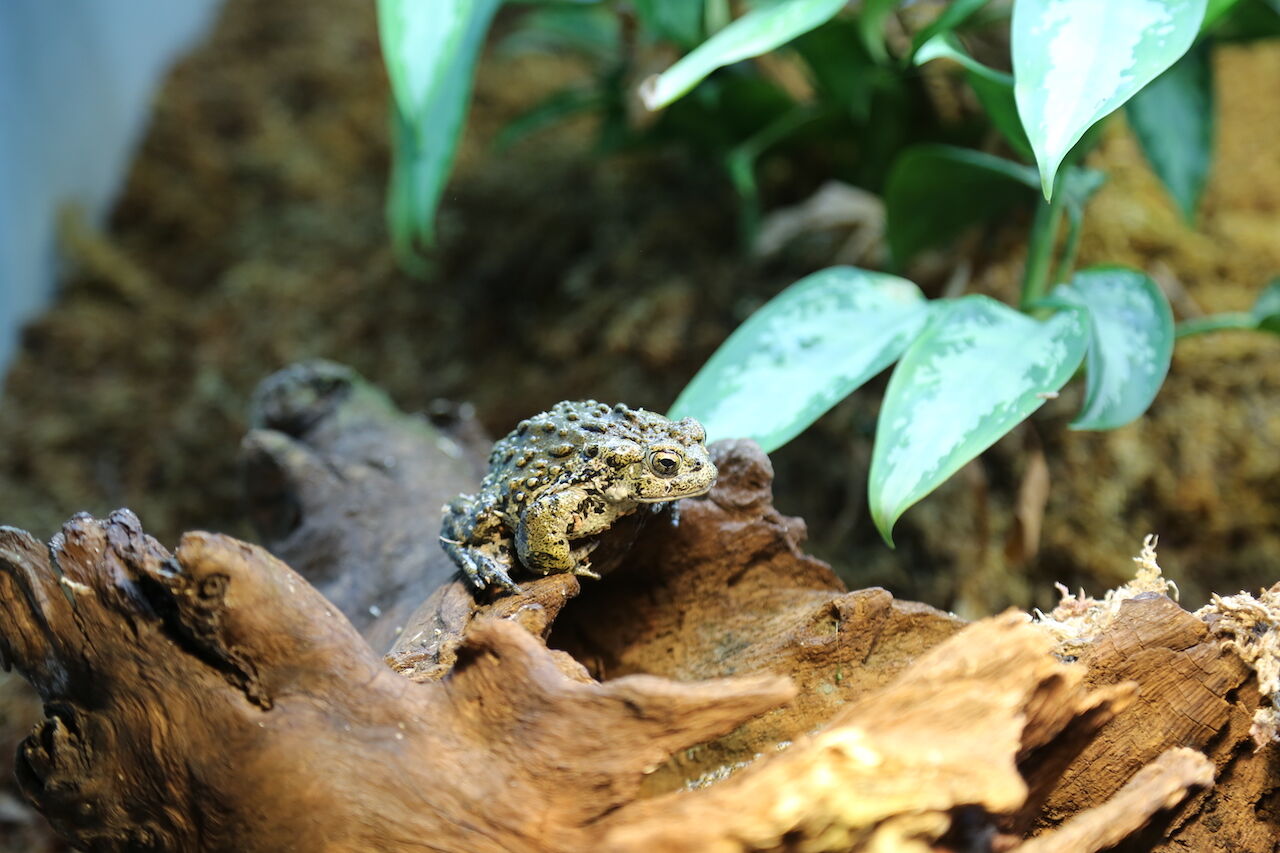
The Denver Zoo and Colorado Parks and Wildlife have joined forces to launch a program they say will help revive the dwindling population of the state’s boreal toads.
Over the past two decades, the toad population has declined because of habitat loss. The toads have also been hit hard by the chytrid fungus, which can infect amphibian species.
The toads live in the Southern Rocky Mountains at an elevation between 7,000 and 12,000 feet. They are listed as endangered in Colorado and New Mexico. But through the partnership, the population should grow by as much as 20,000 by next year, officials said.
“Boreal toads are in a lot of trouble, but their numbers are still relatively strong even though their population is in decline,” Stefan Ekernas, the zoo’s Rocky Mountain/Great Plains program director, said in an email. “We’re excited to join in the effort to help the species make a meaningful recovery while there’s still time.”
Last month, a team of conservation and amphibian experts from the zoo went to the Native Aquatic Species Restoration Facility in Alamosa to bring 95 boreal toads to the zoo for its breeding program. They were put into a brumation – a natural state of inactivity during winter months – and will be bred this spring, officials said.
The tadpoles will be released into the state’s wilderness next summer and should provide a significant boost to the population.
The zoo has been an active amphibian conservation site for more than 15 years. It was recognized as the first zoo in the Northern Hemisphere to successfully breed critically endangered Lake Titicaca frogs in 2018, officials said.
Likewise, the Native Aquatic Species Restoration Facility is dedicated to protect and restore threatened and endangered aquatic species that are native to Colorado. The facility is operate by Colorado Parks and Wildlife.
Officials said the state-of-the-art facility has protected 16 fish species and stocked more than 2.1 million fish in rivers, streams and lakes in Colorado. The facility is raising 12 species of threatened and endangered fish, officials said.
“We have had success in the past producing boreal toad eggs and tadpoles at NASRF, but it is challenging, and with the increasing need for more animals, we need to step up breeding and reintroduction efforts,” said Harry Crockett, native aquatic species coordinator for Colorado Parks and Wildlife. “This is a great opportunity for boreal toad conservation and collaboration with a strong conservation partner in Denver Zoo. We will really benefit from their expertise, experience in the conservation and breeding of boreal toads and other (endangered) amphibian species.”
Officials from the zoo and Colorado Parks and Wildlife said it could take “many years” for the population of boreal toads to reach a secure level in the Southern Rocky Mountains and they expect the collaboration to be a multiyear program.
While the project continues, the zoo will launch a community science project where volunteers can monitor the survival of released toads and evaluate potential release sites around the state, officials said.

Colorado, some Coloradans make appearances in the Epstein Files
RACHAEL WRIGHT Special to The Gazette
rachael-wright-special-to-the-gazette@coloradopolitics.com
Updated 3 hours ago
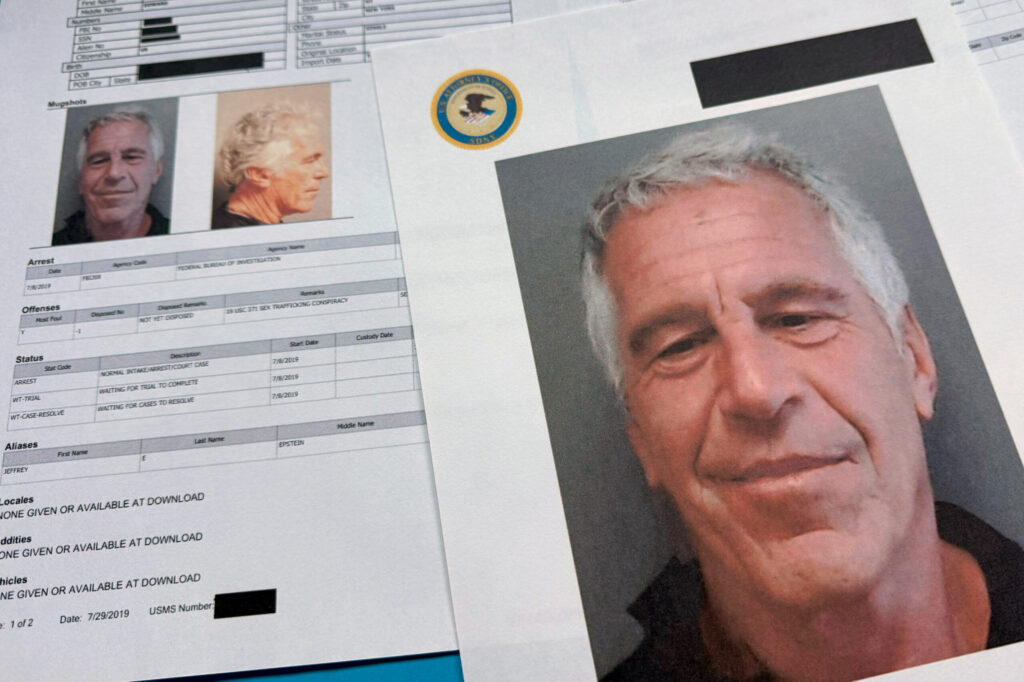
With the U.S. Department of Justice’s release of 3 million more files pertaining to convicted sex felon Jeffrey Epstein, multiple written mentions of alleged connections to Colorado towns and business owners have come to light. A word search of the documents for “Colorado” generates 1,485 hits, with inquiries for cities including Denver and Aspen generating several thousands more. Chad...
New Mexico launches ‘truth commission’ investigation into Jeffrey Epstein’s ranch | OUT WEST ROUNDUP
The Associated Press
the-associated-press@coloradopolitics.com
Updated 4 days ago
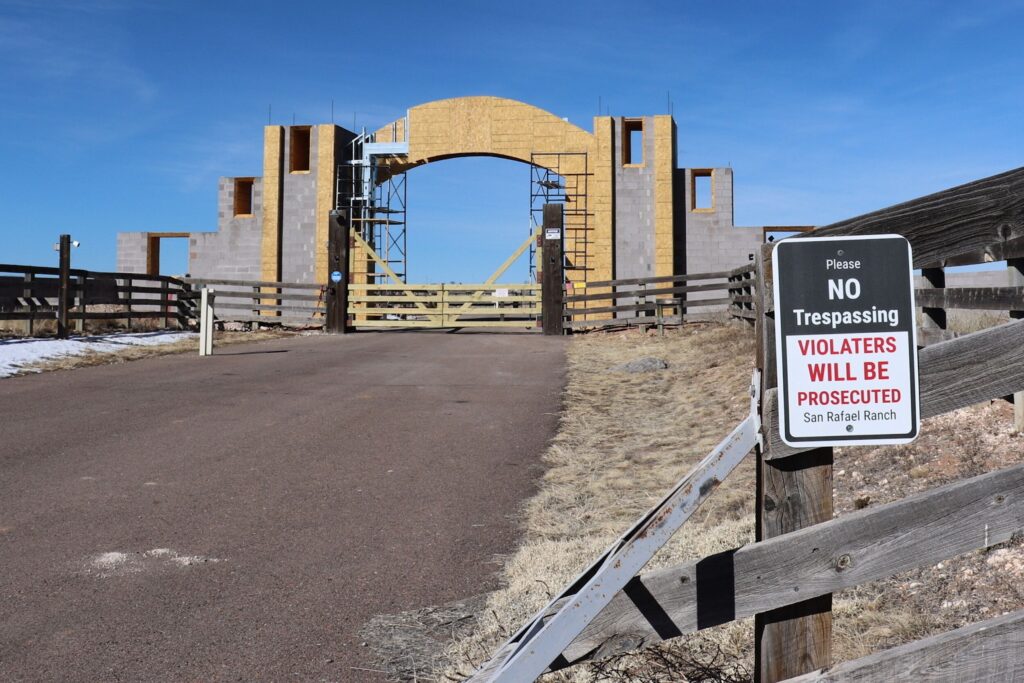
NEW MEXICO State investigates Epstein’s ranch SANTA FE — State legislators in New Mexico launched an investigation on Feb. 17 into past activity at a secluded desert ranch where financier and sex offender Jeffrey Epstein once entertained guests and whether...

Colorado’s federal judges maintain approach to immigration detentions while escalating warnings
Michael Karlik
michael.karlik@coloradopolitics.com
Updated 17 hours ago
Colorado’s federal judges are maintaining their view that the government’s assertion of broad immigration detention authority is unlawful, casting aside a recent appellate decision to the contrary as “unpersuasive” and out of step with the predominant interpretation by the judiciary....
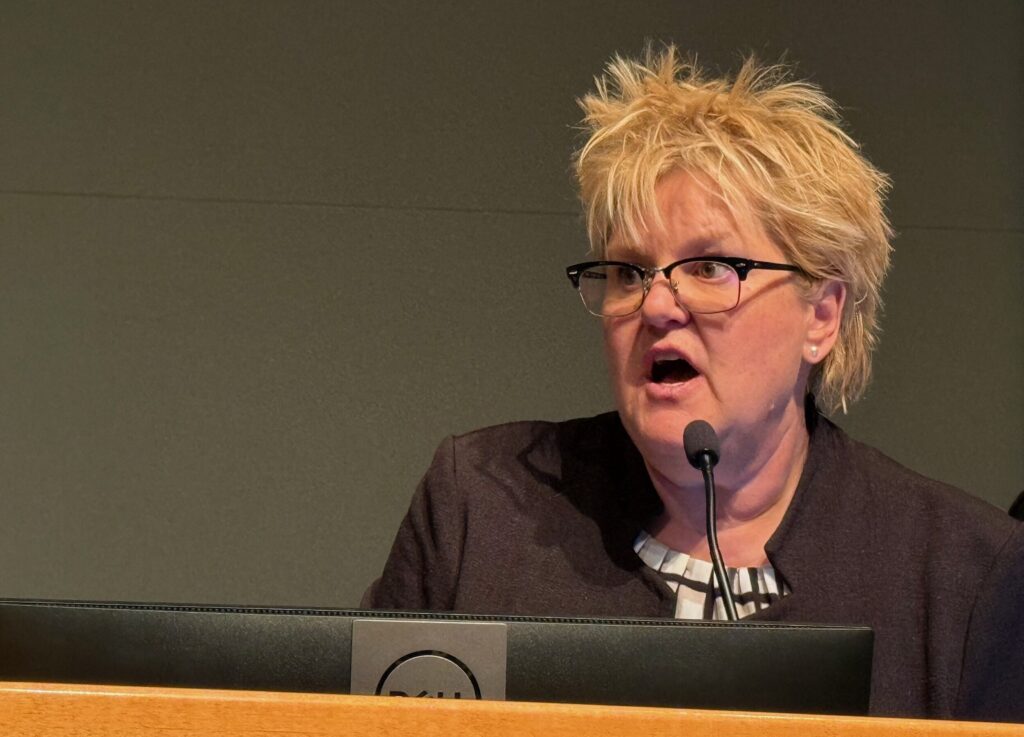
In a meeting Colorado GOP chair Brita Horn calls ‘illegal,’ Republicans vote to demand her resignation
Ernest Luning
ernest.luning@coloradopolitics.com
Updated 19 hours ago
Roughly half the membership of the Colorado Republican Party’s state central committee on Saturday voted overwhelmingly to approve a resolution expressing “no confidence” in state GOP Chairman Brita Horn’s leadership and calling for her immediate resignation in an online meeting...

Colorado Medicaid probe uncovers millions of dollars in alleged transport fraud ring
Nico Brambila
nico.brambila@denvergazette.com
Updated 22 hours ago
Colorado Medicaid officials detected $25 million in abnormal billing over just four months two years ago — a surge that prompted a new state law and the suspension of dozens of providers in what authorities now describe as an organized...

One small step for dialing back the partisanship | SONDERMANN
Eric Sondermann
eric-sondermann@coloradopolitics.com
Updated 3 days ago
Much ink, including a good deal of my own, has been spilled on the excesses of super-charged, toxic partisanship in this current era. Except for true believers along with those who profit from this all-consuming poison, there is broad agreement...
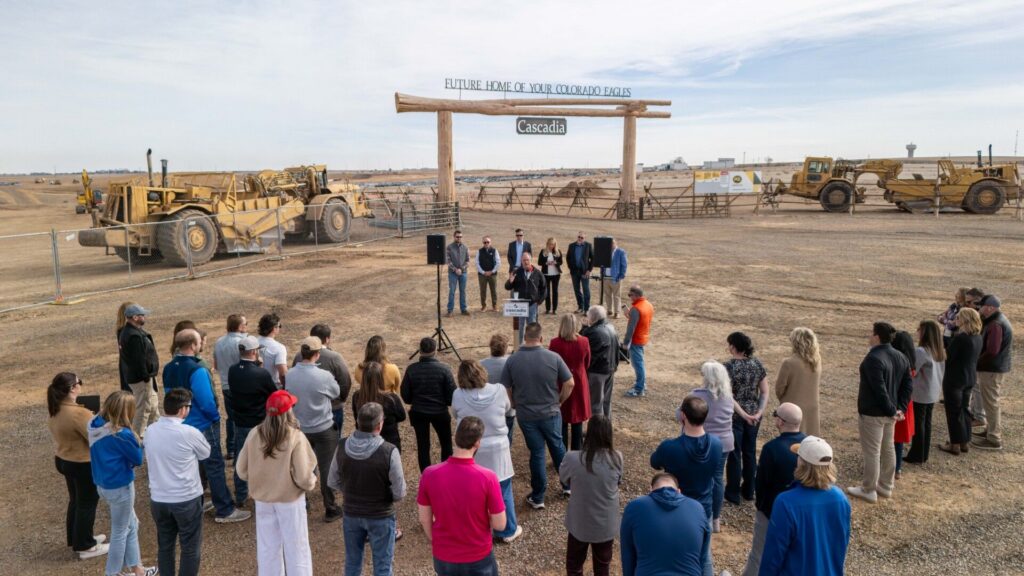
Greeley voters to decide fate of project that includes minor league hockey arena
Hap Fry, Special to The Gazette
hap-fry@gazette.com
Updated 23 hours ago
GREELEY • The fate of the Cascadia development — and quite possibly the future direction of the city — is in the hands of Greeley voters this Tuesday during a special city election on whether the landscape-altering project should be...

Colorado Politics Calendar Feb. 23-Mar. 1
Rachael Wright, Special to Colorado Politics
rachael.wright@coloradopolitics.com
Updated 4 days ago
CoPo’s weekly political calendar helps you find political and public policy events throughout Colorado. It includes candidate and issue campaign events, public policy meetings, court hearings, state and local party conventions, assemblies, debates, rallies, parades, speaking engagements, traveling dignitary appearances,...
Meeker rancher leads one of Colorado’s earliest attempts to transfer federal lands | A LOOK BACK
Rachael Wright, Special to Colorado Politics
rachael.wright@coloradopolitics.com
Updated 3 days ago
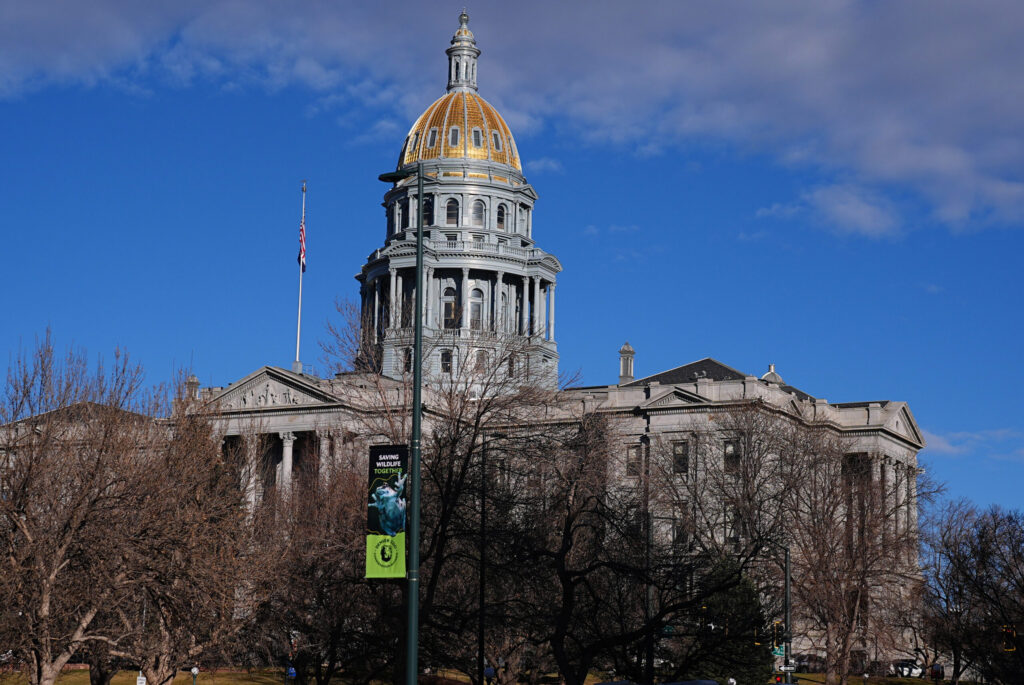
Forty-Five Years Ago This Week: Former state Rep. Nick Theos, R-Meeker, was one of several people testifying before the Senate Agriculture Committee on Senate Bill 81-170, which would transfer ownership of public lands from the federal government to state control....

Democrats Michael Bennet, Phil Weiser make their cases to be Colorado’s next governor ahead of primary
Ernest Luning
ernest.luning@coloradopolitics.com
Updated 3 days ago
Nearly eight months before ballots will be counted in Colorado’s race for the its open gubernatorial seat, voters are lining up behind two of the state’s leading Democrats, who are facing off in a primary that will likely determine which...
PREV
PREVIOUS

TRAIL MIX | 'Not one of the boys': How Mary Estill Buchanan just missed breaking an enduring glass ceiling
The women who have been chipping away for decades at Colorado’s political glass ceilings have long since left most of them shattered. The invisible barriers that kept women from winning nearly every major office in the state were broken years ago – when Republican Virginia Blue was elected state treasurer in 1966; when Democrat Pat Schroeder […]

Douglas County Commissioner Lora Thomas announces bid for sheriff
Douglas County Commissioner Lora Thomas, a Highlands Ranch Republican and former state trooper, declared on Friday that she’s running for sheriff in the fast-growing, suburban county. “We need to have an unmatched level of public safety, and law enforcement that we can trust,” Thomas said in a written statement. “And for Douglas County that begins […]