

Denver council to vote on expanding historic district to include Congress Park neighborhood

The Denver City Council is considering a proposal to expand the East Seventh Avenue Historic District to include 19 properties within the Congress Park neighborhood.
The council’s land use committee unanimously advanced the proposal Tuesday, passing it on to the full council for two final votes in the coming weeks. If passed, the expanded historic district would prevent the properties from being demolished or significantly altered.
“Historic designation would help preserve the character defining features of the district,” said Senior City Planner Jenny Buddenborg. “The intent of the designation is to recognize this unique district, the buildings that define it and its contributions to the historic fabric of the Congress Park neighborhood.”
The properties are considered historically significant because of their construction during Denver’s City Beautiful Movement in the early 1900s. In addition, the area housed Raymond Dean Jones for over 40 years, Colorado’s first African American appellate judge and a leader in Denver’s civil rights movement.
Of the 19 properties, 16 embody the distinctive physical characteristics of the craftsman architectural style, Buddenborg said.
Denver’s ban on flavored tobacco advances with new 2023 implementation date
Three property owners within the proposed historic district applied for the expanded designation. In an online community survey, 21 respondents were in support, one was neutral and three were in opposition. That includes 14 property owners, only three of whom were in opposition.
“We want to preserve the beautiful character of this historic neighborhood,” one commenter wrote in support. “The possibility of having one of these homes scraped and replaced with a big ‘beach’ house (big box with windows) breaks our hearts.”
“By placing additional restrictions on the zoning, we make this a less affordable neighborhood than it already is,” another commenter wrote in opposition. “It also places an unnecessary administrative burden for low-income home owners.”
Buddenborg said nearly all people in opposition to the historic designation expressed concern about the city having to approve significant alterations made to the exteriors of their homes.
The designation would provide the owners of the 19 properties access to a 20% tax credit from the state and would maintain stability in the neighborhood’s property values, Buddenborg said.
Denver council OKs first managed homeless camp on city property
Despite the majority support from community members, some council members said they were uncomfortable with approving the designation without support from all affected homeowners.
“What concerns me is that three of the property owners oppose it,” Councilwoman Kendra Black said. “It gives me angst to designate somebody’s property without their permission.”
On Tuesday, the land use committee also advanced a proposal to designate Pancratia Hall at 3001 S. Federal Blvd. as a city landmark. Pancratia Hall is 91 years old and part of the former Loretto Heights College campus.
Buddenborg said the hall, named after Mother Mary Pancratia, is historically significant because of its connection to the Sisters of Loretto and its distinctive collegiate gothic style. The proposal received unanimous support from community members and the committee.
Denver has 352 individual landmarks and 57 historic districts, including two historic cultural districts in the La Alma Lincoln Park and Five Points neighborhoods. This amounts to around 7,200 designated structures citywide.



It’s time to let unaffiliated voters caucus
Vince Bzdek
vince.bzdek@gazette.com
Updated 15 hours ago
There’s no getting around it: Colorado’s 3,000 county caucuses, which just wrapped up recently, left half the electorate out in the cold. Since unaffiliated voters now make up 51% of all Colorado voters, a majority of Colorado electors are barred...

Governor warns energy development both a boon and a risk to Colorado | A LOOK BACK
Rachael Wright, Special to Colorado Politics
rachael.wright@coloradopolitics.com
Updated 3 days ago
Forty-Five Years Ago This Week: “The real opportunity and the dangers before us are both real,” said Gov. Dick Lamm in his January state of the state address before the Colorado General Assembly. Lamm argued that energy development would continue...
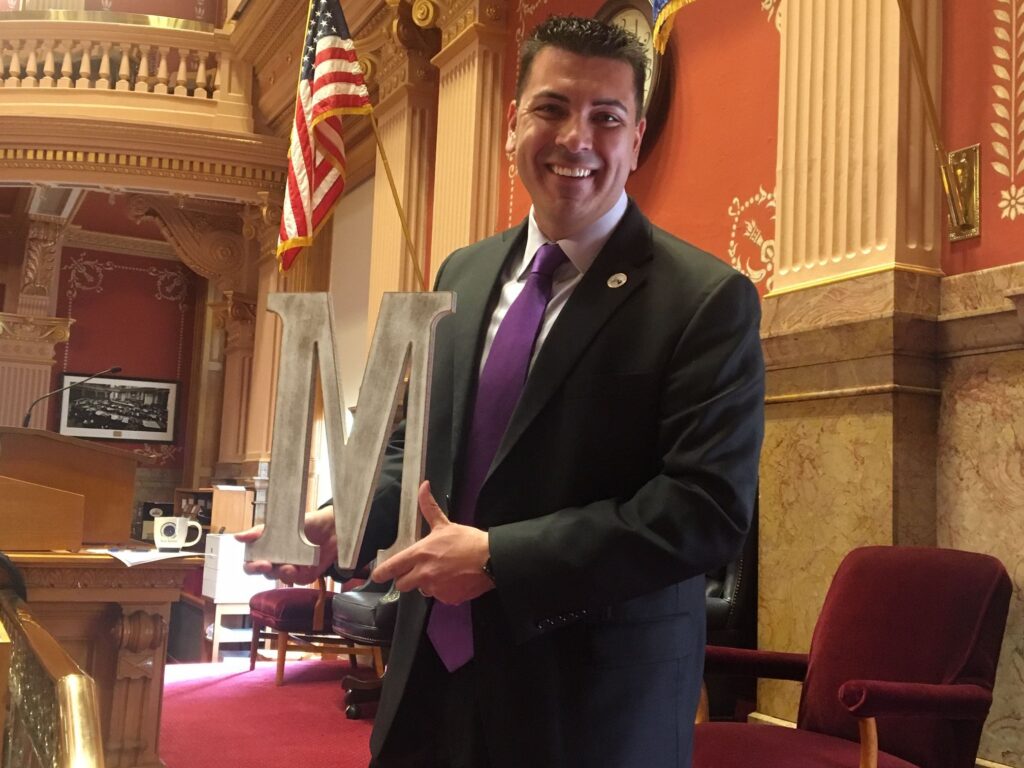
A Mile High, again: Capitol M | Week of March 21, 2026
Marianne Goodland
marianne.goodland@coloradopolitics.com
Updated 3 days ago
The lighter side of the Capitol, usually…. Local Journalism Day, except they forgot their very own local journalists. The state Senate on Thursday, March 19, passed a resolution recognizing Local Journalism Day. Everyone voted for it, which is good, because...

Colorado Politics Calendar Mar. 23-29
Rachael Wright, Special to Colorado Politics
rachael.wright@coloradopolitics.com
Updated 2 days ago
CoPo’s weekly political calendar will help you find political and public-policy events throughout Colorado. It includes candidate and issue campaign events, public policy meetings, court hearings, state and local party conventions, assemblies, debates, rallies, parades, speaking engagements, traveling dignitary appearances,...

The insular bubble of caucuses and assemblies | SONDERMANN
Eric Sondermann
eric-sondermann@coloradopolitics.com
Updated 2 days ago
Nearly 30 years ago, then-Federal Reserve Chairman Alan Greenspan coined the term “irrational exuberance” to describe the overheated stock market. That descriptive phrase could also apply to much of the political realm. The hype in politics often grossly exceeds the...

Lauren Boebert’s hard ‘no’ on Pentagon Iran funding request puts Mike Johnson in tough spot
Emily Hallas, Washington Examiner
emily.hallas.washington.examiner@gazetteedit.wpenginepowered.com
Updated 18 hours ago
Colorado U.S. Rep. Lauren Boebert announced on Thursday that she will not support further funding for the United States’s war in Iran, marking an uphill battle for the Trump administration’s effort to secure additional financing from Congress. “I’ve already told...
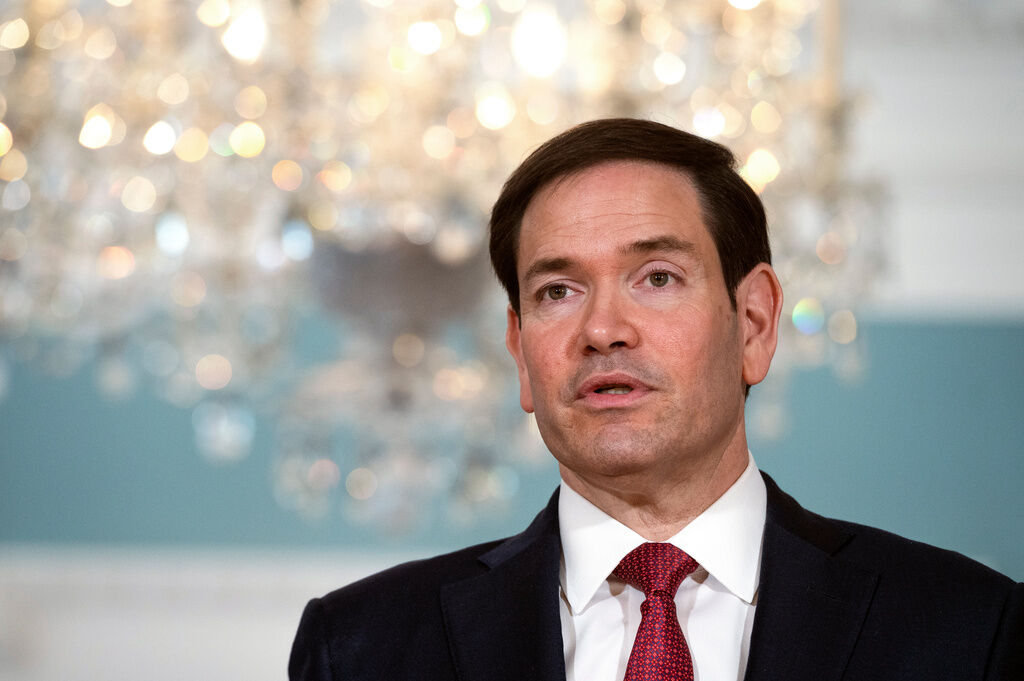
Rubio gains ground in 2028 jockeying as Iran war elevates his profile
Samantha-Jo Roth, Washington Examiner
samantha-jo.roth.washington.examiner@gazetteedit.wpenginepowered.com
Updated 19 hours ago
Secretary of State Marco Rubio’s high-profile role in the Trump administration’s response to the Iran war is boosting his standing in the early jockeying for the 2028 Republican presidential nomination — and positioning him as a possible rival to Vice...
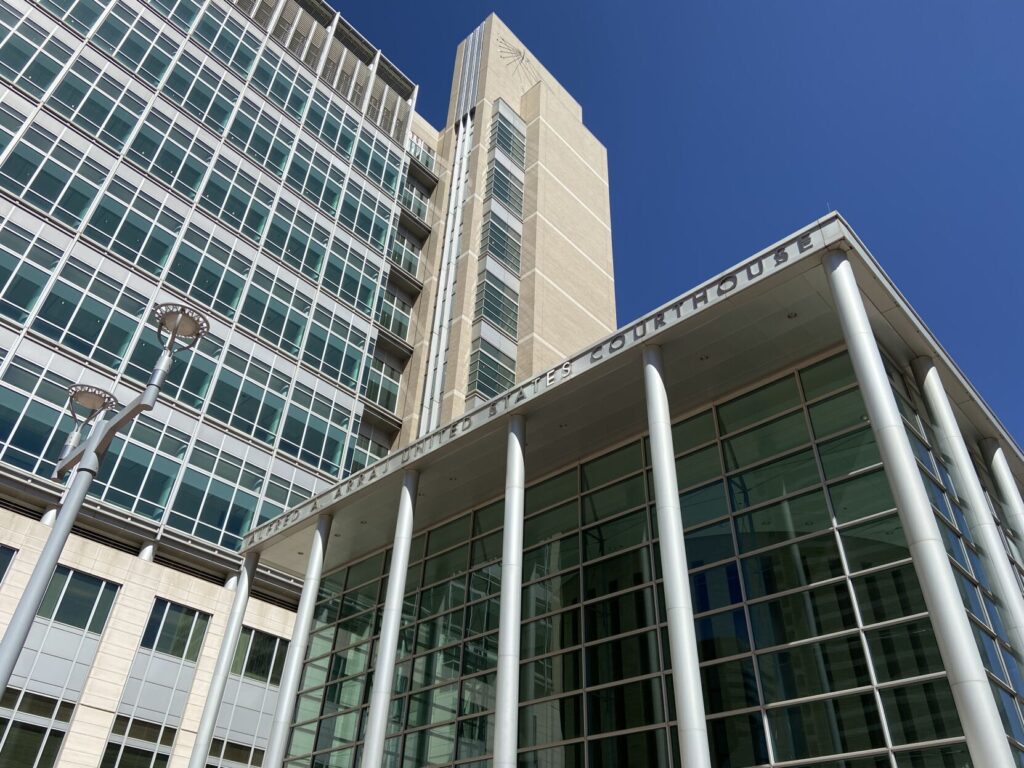
Federal judge dismisses claims against medical contractor for Eagle County jail suicide
Michael Karlik
michael.karlik@coloradopolitics.com
Updated 17 hours ago
A federal judge dismissed the claims against a medical contractor for the Eagle County jail and its employees earlier this month, concluding there were insufficient allegations that they violated the constitutional rights of a man who died by suicide in...

Colorado Senate committee advances bill increasing overtime threshold for farmworkers
Marianne Goodland
marianne.goodland@coloradopolitics.com
Updated 16 hours ago
The struggle to balance farmworker protections with the survival of Colorado’s family farms took center stage Thursday as senators debated two competing overtime bills. The Senate Business, Labor and Technology Committee held a rare double-bill hearing that led to a...

Colorado bill to fund mental health care with alcohol taxes defeated in House committee
Marissa Ventrelli
marissa.ventrelli@coloradopolitics.com
Updated 18 hours ago
A second measure proposing that alcohol producers and wholesalers in Colorado help fund mental health care treatment in the state was narrowly defeated in the House Health and Human Services Committee on Wednesday. House Bill 1301, sponsored by Rep. Bob...
PREV
PREVIOUS

NONPROFIT REGISTER | Tour a historic home, decorated for the holidays, from the comfort of your computer screen
CENTRAL CITY OPERA Denver News: The historic McCourt Mansion – once home to Peter McCourt, younger brother of the infamous Baby Doe Tabor – is the setting for the Central City Opera’s annual L’Esprit de Noel Holiday Home Tour. In-person visits to the E. 8th Avenue residence will not be taking place this year in a nod […]

GOP group sets forum for Colorado gubernatorial candidates
Nine of the Republicans running for the chance to challenge Democratic Gov. Jared Polis are scheduled to appear at a candidate forum in Fort Lupton in early January, the Republican Women of Weld announced. Dick Wadhams, a leading Republican strategist and former chairman of the Colorado GOP, will moderate the two-hour forum, which will be […]