

Denver-based appeals court upholds murder-for-hire conviction of ‘Tiger King’
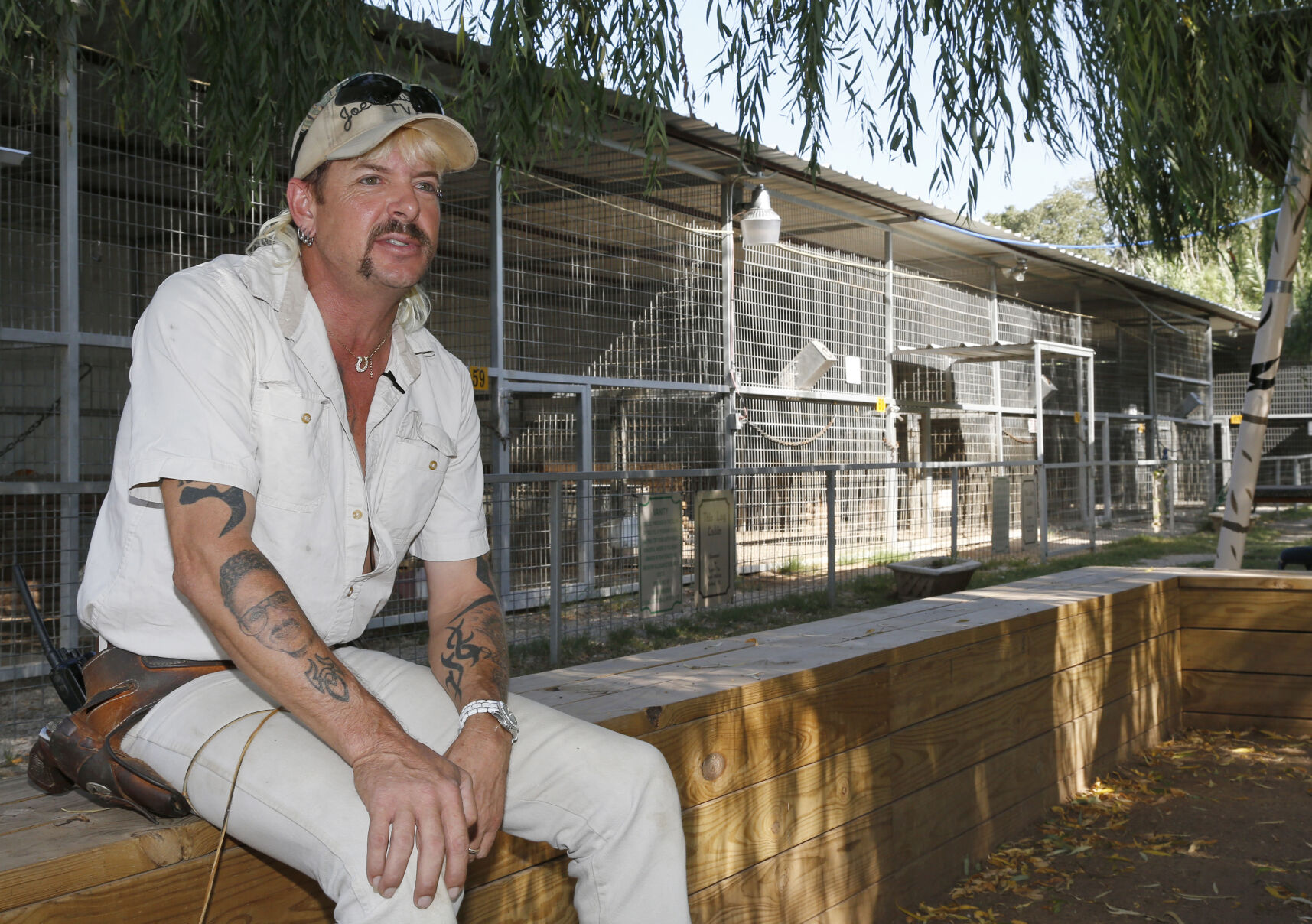
The federal appeals court based in Denver has weighed in on the case of Oklahoma’s “Tiger King,” upholding the murder-for-hire convictions of the subject of Netflix’s popular 2020 documentary.
The Tiger King, Joseph Maldonado-Passage, who also goes by “Joe Exotic” and other aliases, is serving 264 months in prison for wildlife crimes and for using interstate facilities in the commission of a plot to kill Florida wildlife activist Carole Baskin. The antagonistic relationship between the two was a key plotline of Netflix’s multipart series that more than 64 million households viewed in just one month since its March 2020 release.
At times, the July 14 opinion of the U.S. Court of Appeals for the 10th Circuit mirrored the theatrical nature of the Tiger King’s own biography.
“It was a rivalry made in heaven. Joseph Maldonado-Passage, the self-proclaimed ‘Tiger King,’ owned what might have been the nation’s largest population of big cats in captivity,” wrote Judge Gregory A. Phillips for the three-member appellate panel that heard Maldonado-Passage’s case. “Carole Baskin was an animal-rights activist who fought for legislation prohibiting the private possession of big cats. He bred lions and tigers to create big-cat hybrids – some the first of their kind. She saw the crossbreeding of big cats as evil.”
The panel did agree with Maldonado-Passage on one of his claims: that the trial court should have grouped together the charges that arose from his hiring of two different hitmen to murder Baskin. The decision lowered the advisory range of Maldonado-Passage’s sentencing, from a maximum of 327 months to a calculated maximum of 262 months.
The Tiger King operated the Greater Wynnewood Exotic Animal Park, known for housing big cats. Baskin owns Big Cat Rescue in Tampa, which she describes as a sanctuary for dozens of exotic cats. She tried to discourage venues from hosting Maldonado-Passage’s show, and Maldonado-Passage in turn named his road shows “Big Cat Rescue Entertainment,” prompting Baskin to sue for copyright and trademark infringement.
After Maldonado-Passage filed for bankruptcy as a result of the lawsuit, he began posting inflammatory videos about Baskin online.
“He even recorded a video in which he fired a gun at a ‘Carole blowup doll’,” Phillips noted in the appellate court’s narrative.
In August 2017, the Tiger King enlisted one of his employees to murder Baskin. The worker “got no further than partying on Florida beaches” and never saw Baskin, the court explained. A friend of Maldonado-Passage’s then introduced him to a man who was actually an undercover federal agent. Maldonado-Passage offered to pay him $10,000 to kill Baskin.
Ultimately, Maldonado-Passage received more than one dozen counts for violating the Endangered Species Act, plus the two murder-related charges. During his trial, he attempted to exclude Baskin from the courtroom because she was a witness for the government, but the trial court allowed her to stay because of her status as a crime victim.
“Baskin was not directly and proximately harmed and therefore was not a crime victim. It is undisputed that Baskin suffered no physical harm from Maldonado-Passage’s alleged conduct,” Brandon Sample, the attorney for Maldonado-Passage, argued to the 10th Circuit.
The appellate panel disagreed, noting Baskin learned of the murder plot and enhanced her existing security measures to the point of avoiding going out in public.
“Because of his constant threats to kill me, I have found myself seeing every bystander as a potential threat,” Baskin said following Maldonado-Passage’s sentencing. “My daughter, my husband, my mother, my staff and volunteers have all been in peril because of his obsession with seeing me dead.”
According to the U.S. Attorney’s Office for the Western District of Oklahoma, Maldonado-Passage’s wildlife offenses included falsifying forms, killing five tigers to make room in cages and selling tiger cubs.
The case is United States v. Maldonado-Passage.



Colorado commission makes new access-to-justice recommendations after renewed listening tour
Michael Karlik
michael.karlik@coloradopolitics.com
Updated 2 days ago
Adding judges to handle caseloads. Expanding authority for paraprofessionals in civil cases. Allowing self-represented litigants to file electronically. Making the judiciary’s website user-friendly. Those were among the recommendations advanced by the Colorado Access to Justice Commission in a report released Friday,...
‘Deep source of pride’: Federal judge speaks about first year on bench, how he spends his time
Michael Karlik
michael.karlik@coloradopolitics.com
Updated 2 days ago
One of Colorado’s newest federal judges spoke on Thursday about his first year on the bench, his philosophy behind facilitating case settlements and how his background as a public defender informs his current role. “Most of my career, I represented...
Trump says he has ‘pardoned’ Tina Peters
Wire Services
wire-services@coloradopolitics.com
Updated 3 days ago
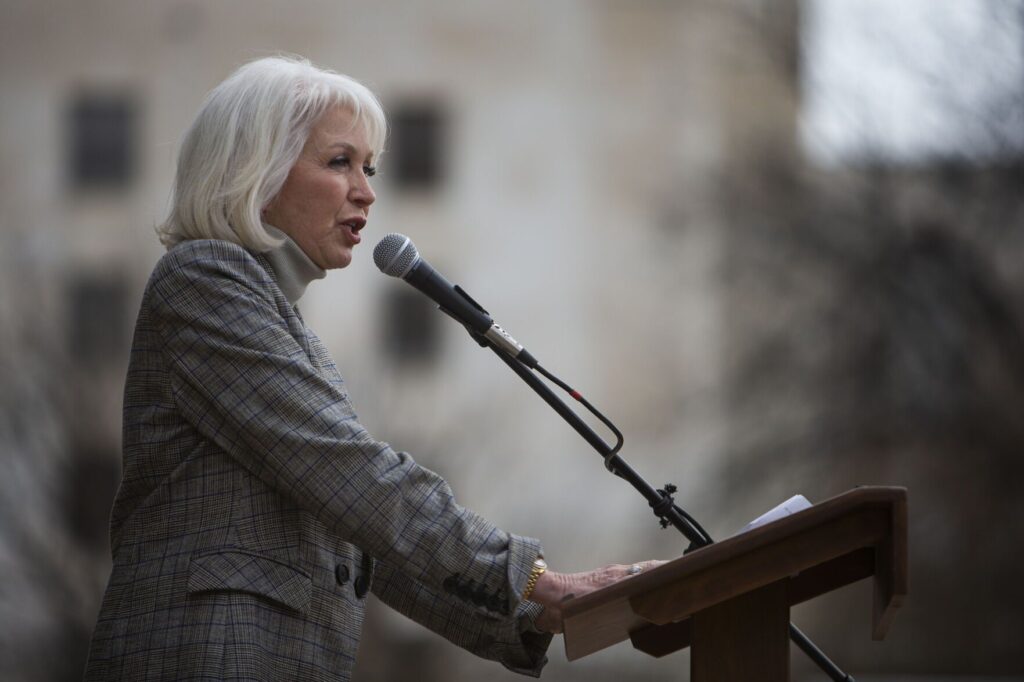
President Donald Trump on Thursday said he is “pardoning” Tina Peters, though that won’t free the former Colorado elections administrator as she was convicted under state laws of a security breach of her office’s voting equipment. Trump’s pardon power does...
Man set for plea deal in Evergreen shooting
Sage Kelley
sage.kelley@denvergazette.com
Updated 3 days ago
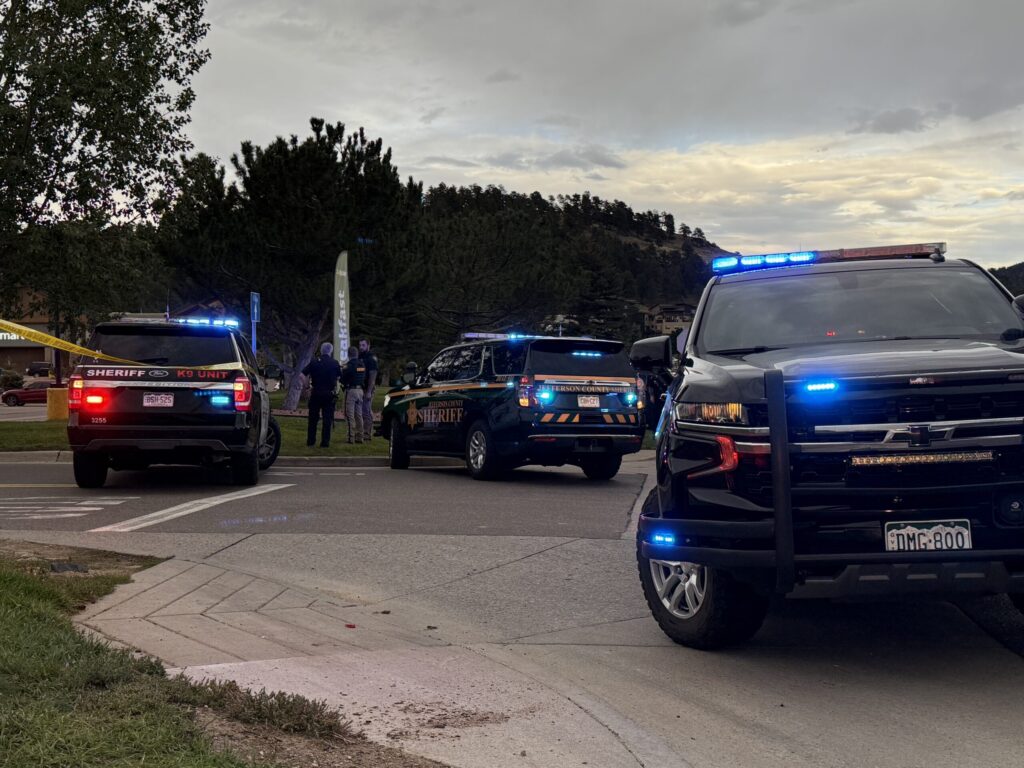
A Lakewood man may be on his way to a plea deal after allegedly ramming police vehicles at the Evergreen Walmart just a day after the Evergreen High School shooting. Tyler Young, 33, waived his right to a preliminary hearing...
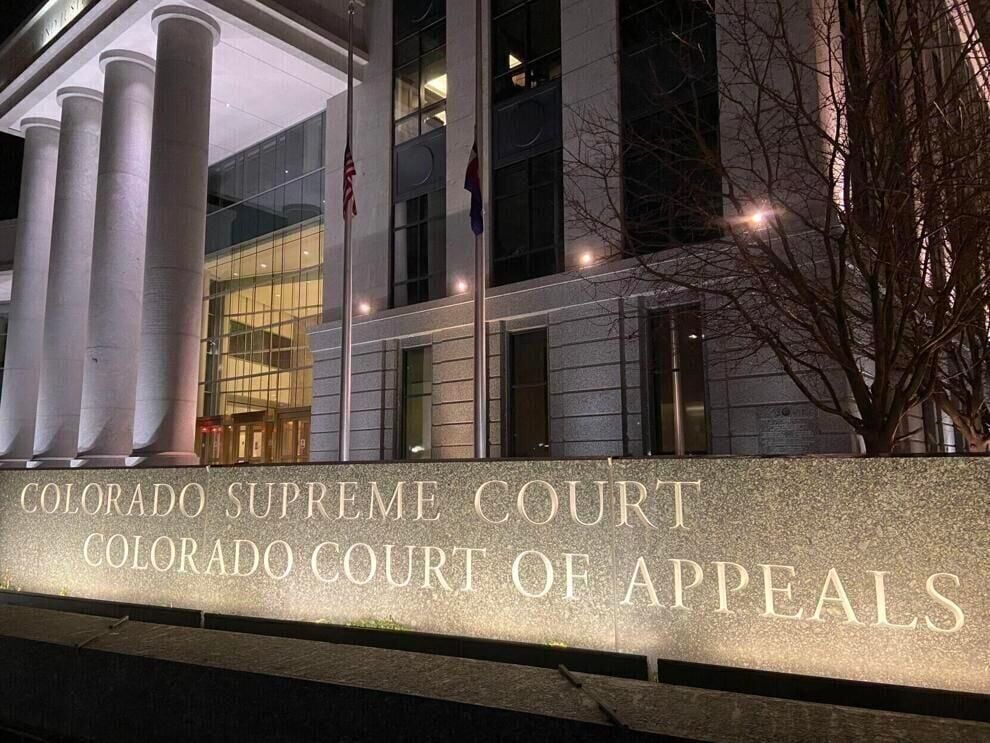
Appeals judge believes revised ‘reasonable doubt’ definition is unconstitutional
Michael Karlik
michael.karlik@coloradopolitics.com
Updated 3 days ago
Although Colorado’s second-highest court has issued multiple decisions in recent months upholding a revised definition of “reasonable doubt” from three years ago, an appellate judge became the first on Thursday to argue that a key phrase violates defendants’ constitutional right...
CDOT did not violate constitutional rights of outdoor advertising company, appeals court says
Michael Karlik
michael.karlik@coloradopolitics.com
Updated 3 days ago
Colorado’s second-highest court concluded last month that the Colorado Department of Transportation did not violate the constitutional rights of an outdoor advertising company by denying two permits for billboards in Adams County. StreetMediaGroup, LLC argued CDOT violated its right to...

Family files lawsuit over 2023 Jeffco inmate death
Sage Kelley
sage.kelley@denvergazette.com
Updated 3 days ago
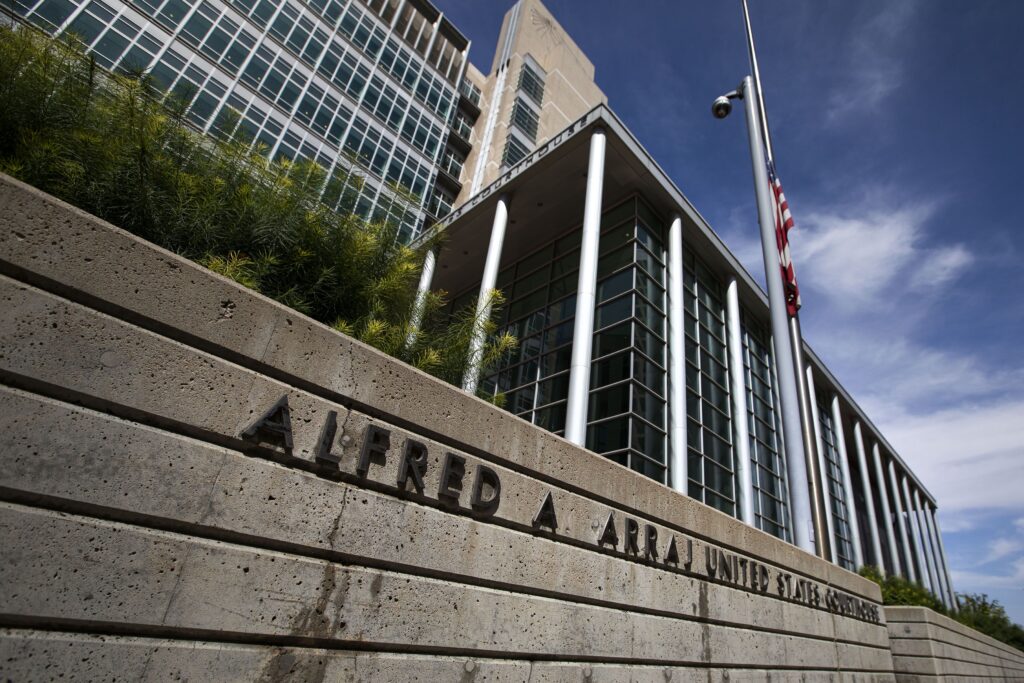
The family of 27-year-old Ashley Jo Raisbeck filed a lawsuit against the Jefferson County Sheriff’s Office nearly two years after the woman died in custody. Jaime Raisbeck, Ashley’s mother, stood outside of the Alfred A. Arraj Courthouse Wednesday morning, a...
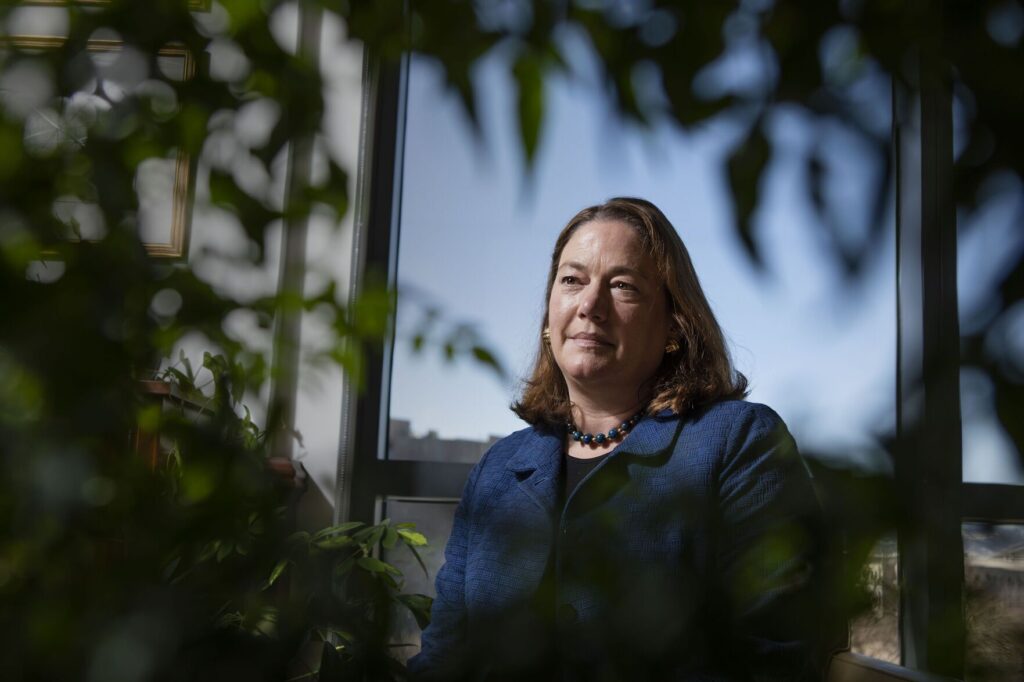
Colorado Supreme Court’s opinion output drops by two-thirds amid justice’s absence
Michael Karlik
michael.karlik@coloradopolitics.com
Updated 6 days ago
The Colorado Supreme Court has released significantly fewer new opinions in recent months compared to the previous two years, even as the judicial branch insisted that a member’s open-ended absence is not causing delays. Justice Melissa Hart has been on...

Divided 10th Circuit rules bank customer must arbitrate discrimination-related claims
Michael Karlik
michael.karlik@coloradopolitics.com
Updated 6 days ago
The Denver-based federal appeals court ruled on Monday that a mandatory arbitration clause in the fine print of a customer’s bank account agreement prohibited her from pursuing claims of racial discrimination in court. Jeanetta Vaughn filed suit against JPMorgan Chase...
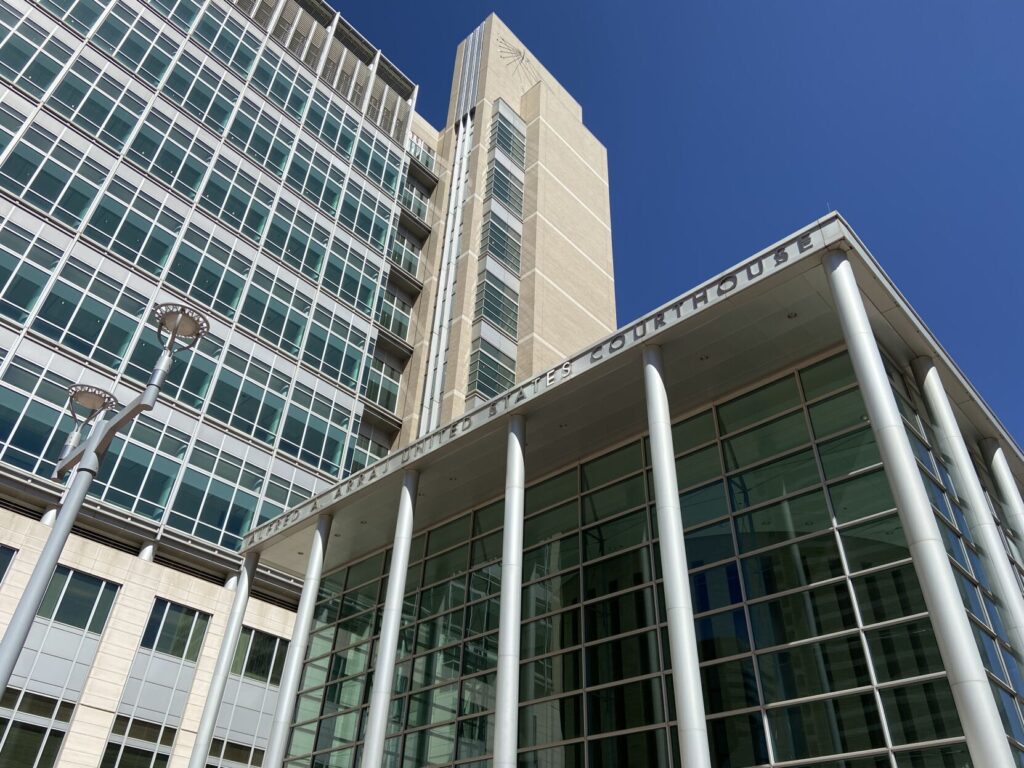
Colorado’s federal trial court denies admission to lawyer owing tens of thousands in dues, penalties
Michael Karlik
michael.karlik@coloradopolitics.com
Updated 4 days ago
Colorado’s U.S. District Court declined last month to allow an attorney to practice before the court due to his failure to pay enrollment fees and penalties to another state’s bar association for years. The federal trial court requires attorneys to...
PREV
PREVIOUS

Red State, Blue State, Twin Outbreak: Behind Wyoming and Colorado’s Anomalous COVID Spikes
WHEATLAND, Wyo. – Brandon Graves said covid-19 arrived in Wheatland the way new movies do in this High Plains farming town: months after hitting the big cities and without much fanfare. “It kind of trickled in and it never really exploded here,” said Graves, a lifelong resident and mayor of the town of about 3,500, […]
Common Sense Institute finds fee increases wipe out Colorado tax cuts
What the state is giving Coloradans in a tax break, they’re more than taking back in fees, according to an analysis released Wednesday by the Denver-based Common Sense Institute. Coloradans will shell out $255 million to cover fees approved by the General Assembly this year. Granted, the business think tank points out a 0.08% reduction […]