

OUT WEST ROUNDUP | Uranium waste plan faces outcry; emission rules take effect
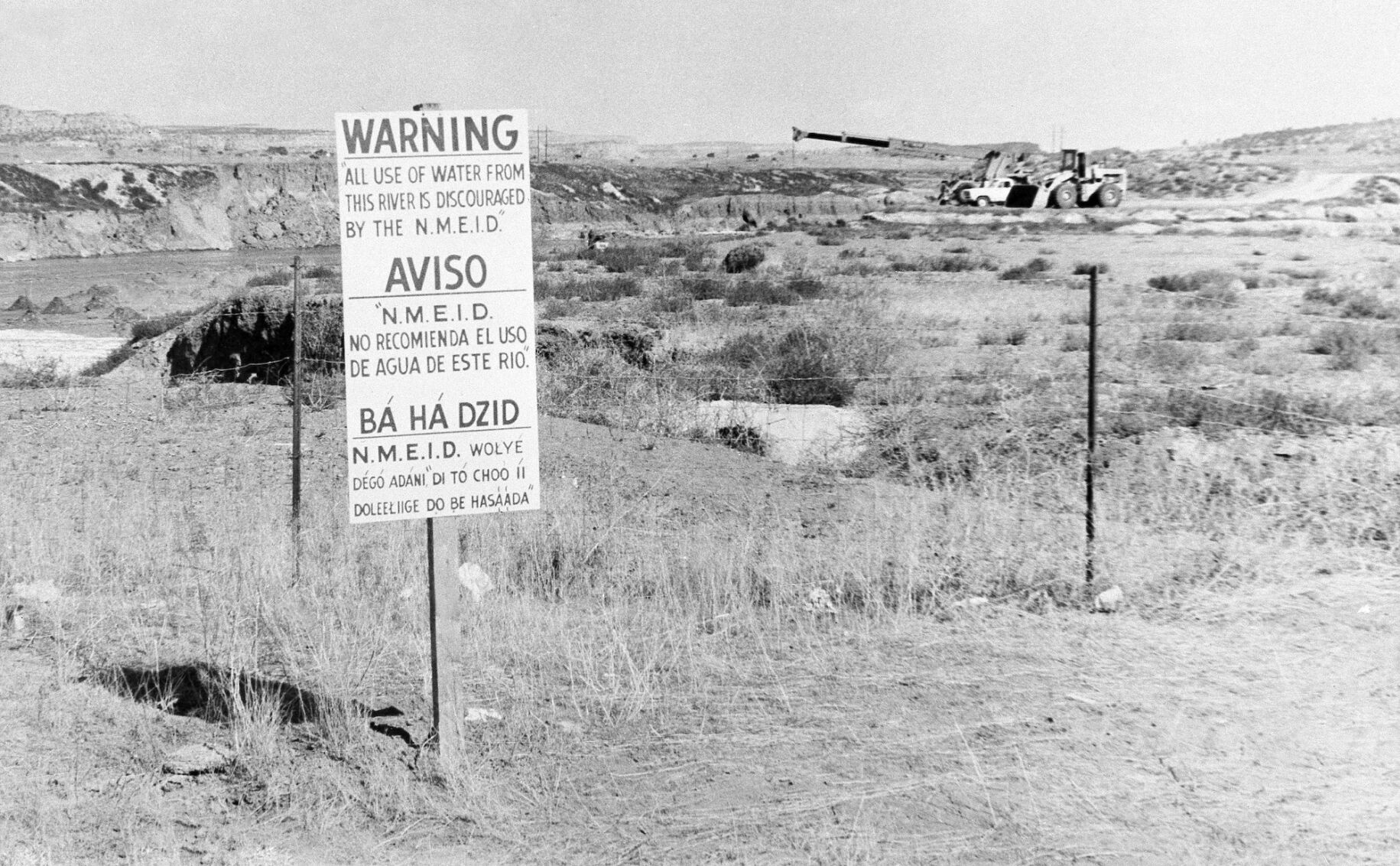
NAVAJO NATION
Concerns raised over plan to transfer uranium waste
ALBUQUERQUE — U.S. nuclear regulators are considering a licensing change proposed by a uranium company that would clear the way for 1 million cubic yards of waste to be transferred from a mining area in western New Mexico to a mill site a short distance away as part of a cleanup effort.
But indigenous activists and nuclear watchdogs say the proposal doesn’t go far enough in protecting the area and surrounding Navajo communities from more contamination.
Federal environmental regulators have been working with the Navajo Nation for several years to address contaminated sites near the community of Church Rock.
The mine waste that would be moved to the mill site is made up of soil, vegetation, rock and other debris of varying levels of radioactivity. Officials say the higher-level waste would be disposed of elsewhere.
Near Denver and elsewhere, wildlife now roams where US once forged its deadliest weapons
The Nuclear Regulatory Commission’s review found that there would be only small environmental effects to surface and groundwater supplies, soil and air quality. However, the commission noted high impacts when it comes to environmental justice given that residents in the surrounding area and the Navajo Nation more broadly have been grappling with the legacy of uranium mining and contamination for decades.
Federal officials during previous public meetings and in documents have highlighted that past, namely what was the largest release of radioactive material in U.S. history.
United Nuclear Corp. operated the Church Rock uranium milling facility from 1977 to 1982. In 1979, the tailings disposal pond breached its dam, sending more than 93 million gallons of radioactive and acidic slurry into an arroyo and other drainages.
Activists have voiced concerns about the plan to consolidate the waste, saying the cheaper option wouldn’t address the ongoing problems.
NEW MEXICO
Rules to curb oil industry emissions take effect
SANTA FE — New Mexico’s new rules to limit most venting and flaring in the oilfield as a way to reduce methane emissions are now in effect.
State officials are billing the rules, published May 25 in the New Mexico Register, as some of the strongest gas capture requirements in the nation. Unlike other states, New Mexico’s rules also apply to the midstream sector, which collects natural gas from wells for processing.
It took nearly two years to develop the rules with input from environmental advocates and technical experts from the industry.
Colorado regulators require zero-emission devices for oil and gas wells
The first phase of implementation begins in October with data collection and reporting to identify natural gas losses at every stage of the process. With this information, regulators will then require operators — from those that manage pipelines to smaller wells and other infrastructure — to capture more gas each year.
The target is capturing 98% of all natural gas waste by the end of 2026. If operators fail, regulators can deny drilling permits.
The rules are one part of a two-pronged approach by the state to address climate change. Still pending are rules being drafted by the Environment Department that would target oilfield equipment that emits methane, volatile organic compounds and nitrogen oxides.
IDAHO
Governor nixes his lieutenant’s mask-mandate ban
BOISE — Idaho Gov. Brad Little on May 28 issued an executive order repealing a 24-hour-old mask-mandate prohibition put in place while he was out of the state by the lieutenant governor, describing her actions as a tyrannical abuse of power and an “irresponsible, self-serving political stunt.”
The Republican governor up to now had been reserved in his comments about Republican Lt. Gov. Janice McGeachin, a member of the far-right who has worked to undermine Little’s handling of the coronavirus pandemic.
McGeachin last week announced her run for governor, challenging the first-term incumbent Little.
Her executive order on May 27 banning mask mandates in schools and public buildings is widely seen as part of that campaign. And she is already using her nullified executive order in fundraising efforts.
RTD to require face masks on public transit until at least September
Little has never issued a statewide mask mandate, though he has worn a mask and encouraged others to do so to slow the spread of the virus.
Some Idaho counties, cities and schools have issued their own mask mandates but many have been lifted as more Idaho residents have been vaccinated.
Little was attending the Republican Governors Association conference in Nashville, Tennessee.
While he was out of state, the lieutenant governor is the acting governor and has the power to issue executive orders under Idaho’s Constitution.
McGeachin fired back on Twitter with a statement shortly after Little nullified her order, saying Little had rejected conservative solutions.
WYOMING
Violent crime in Casper rose 55% over 5 years
Violent crime in the Casper area increased by 55% between 2014 and 2019, a recent report says.
Just 151 violent crimes were reported in the area in 2014, compared with 227 reported in 2019. And although data shows it’s on the rise in Casper, the area’s violent crime rate — 286 per 100,000 people in 2019 — is still lower than the national average of approximately 367 per 100,000.
Violent crimes include murder, sexual assault, robbery and aggravated assault.
Reported instances of sexual assault in Casper increased by around 268% between 2014 and 2019, according to the report. Robberies grew by nearly 100% in the same period.
Denver begins collaborative policing strategy targeting most violent areas in city
The data comes from an analysis of data aggregated from the FBI’s Uniform Crime Reporting System, or UCR, by investment analyst publication 24/7 Wall Street. Cities across the country were ranked by their percentage increase in violent crimes per 100,000 residents between 2014 and 2019.
The report found that Casper had the ninth-fastest increase in violent crime of the metro areas surveyed. Other areas with similar surges include Asheville, North Carolina; Racine, Wisconsin; and Florence, South Carolina.
According to data from 2019 released by the Wyoming Division of Criminal Investigation, Casper had the highest crime rate in the state with 46.8 per 1,000 residents that year. Cheyenne came in a close second with 46 per 1,000.
Statewide, Wyoming has the eighth-lowest violent crime rate of any state in the U.S. as of 2019.
OKLAHOMA
Last cat out of Tiger King Park bag as seizure completed
THACKERVILLE — Federal officials have removed the last of the 68 big cats from the private zoo in Oklahoma that had been the center of the “Tiger King” saga.
A jaguar was among the last cat removed from Tiger King Park in Thackerville, a few miles north of Oklahoma’s border with Texas, The Oklahoman reported May 23.
The turbulent beginnings of the zoo were the subject of the final episode of the Netflix true-crime series “Tiger King: Murder, Mayhem and Madness.” Zookeeper Jeff Lowe moved the cats to a Thackerville property after the August shutdown of the Greater Wynnewood Exotic Animal Park.
Denver Zoo receives leading humane certification
The U.S. Justice Department earlier announced the seizure of the federally protected lions, tigers, lion-tiger hybrids and a jaguar as part of a court-approved agreement to resolve a federal complaint against Lowe and his wife, Lauren Lowe, over the animals’ care.
The civil complaint, filed in November, accused the Lowes of recurring inhumane treatment and improper handling of animals protected by the Endangered Species Act.
Jeff Lowe was a central figure in “Tiger King” that featured a mullet-wearing zookeeper named Joe Exotic and became a cultural phenomenon last year. Joe Exotic, a pseudonym for Joseph Maldonado-Passage, is serving a 22-year sentence in federal prison in Texas for his 2020 conviction on charges that he participated in a murder-for-hire plot and violated federal wildlife laws.
OUT WEST ROUNDUP | Group wants to reintroduce jaguars; mining ban eyed to protect birds
OUT WEST ROUNDUP | Utah, Idaho booms buck growth curve; throngs vie for bison shoot
OUT WEST ROUNDUP | Habitat set for rare songbird; judge rules students need fast internet

U.S. Rep. Lauren Boebert’s son arrested, charged with sexual exploitation of child
Matt Kyle
matt.kyle@denvergazette.com
Updated 7 minutes ago
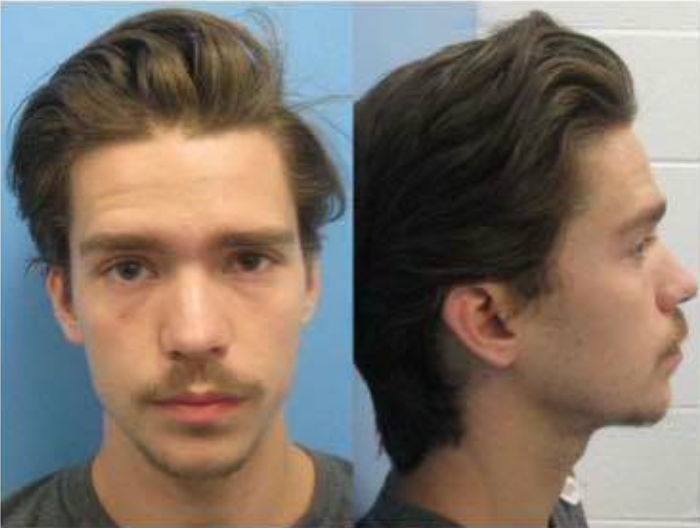
U.S. Rep. Lauren Boebert’s son Tyler Jay Boebert has been arrested and accused of recording and sharing a video depicting himself having intercourse with a minor, according to court records. The case originates in Garfield County in Western Colorado and...

Colorado audit finds $175K wasted on unused state-issued cellphones
Marissa Ventrelli
marissa.ventrelli@coloradopolitics.com
Updated 59 minutes ago
Colorado spent nearly $175,000 on state-issued cellphones for employees of various departments that went unused during Fiscal Year 2025, according to a recent audit by the Office of the State Auditor. According to the audit, about 400 of the 6,688...

Adams County water district may proceed with cost-recovery lawsuit against Denver for contamination
Michael Karlik
michael.karlik@coloradopolitics.com
Updated 1 hour ago
A federal judge rejected Denver’s arguments last week for pausing or dismissing a lawsuit brought by an Adams County special district seeking to recover its costs for addressing water contamination as a result of Denver firefighting activities. In January, the...
CPW: Hunter shot a protected Colorado wolf after mistaking it for a coyote
Marianne Goodland
marianne.goodland@coloradopolitics.com
Updated 1 hour ago
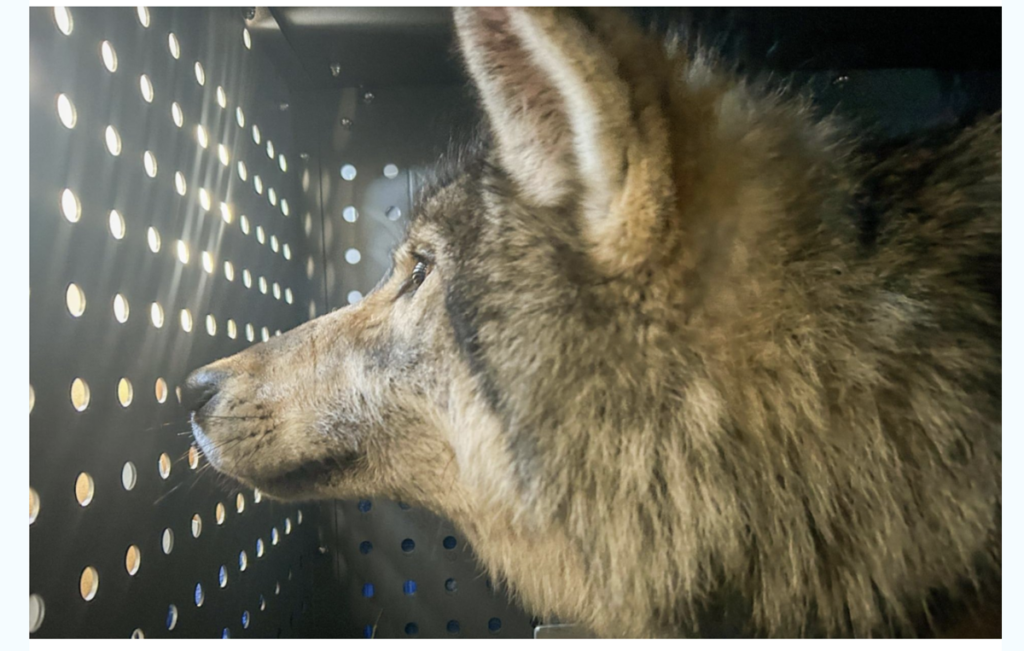
Colorado Parks and Wildlife said Monday that a female wolf from British Columbia that died in January was shot by a hunter who mistook her for a coyote. The wolf, identified as 2504‑BC, was one of 17 wolves relocated since...
Federal judge declines to dismiss First Amendment retaliation claim against prison official
Michael Karlik
michael.karlik@coloradopolitics.com
Updated 5 hours ago
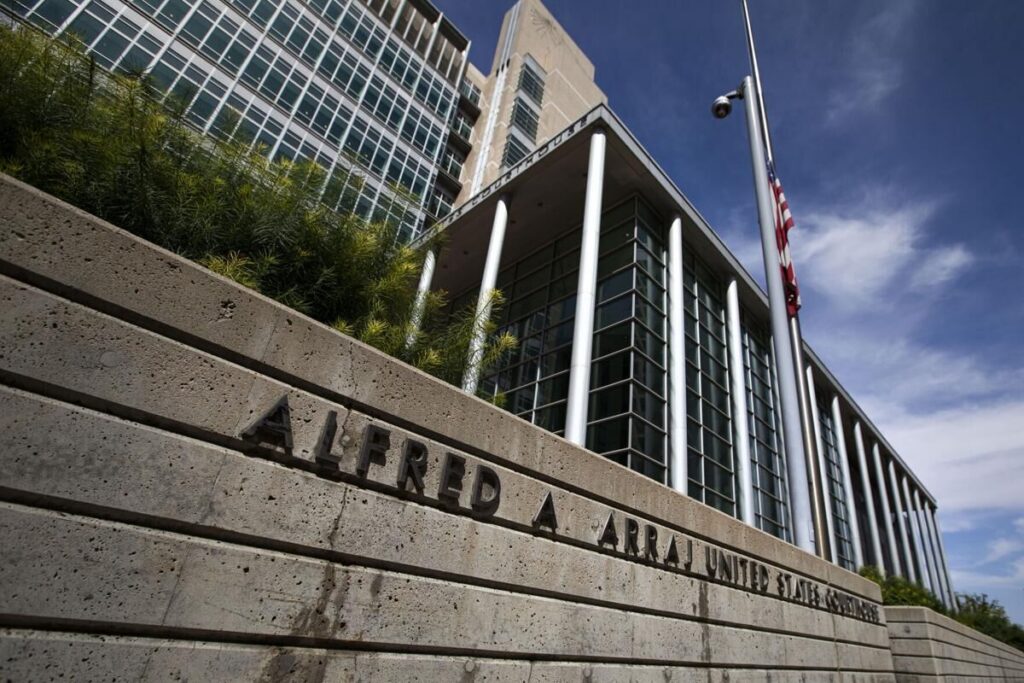
A federal judge agreed last month that an incarcerated Native American woman may pursue her claim of First Amendment retaliation against a prison official who allegedly interfered with her religious exercise. Yvonne Peterson resided at Buena Vista Correctional Facility for...
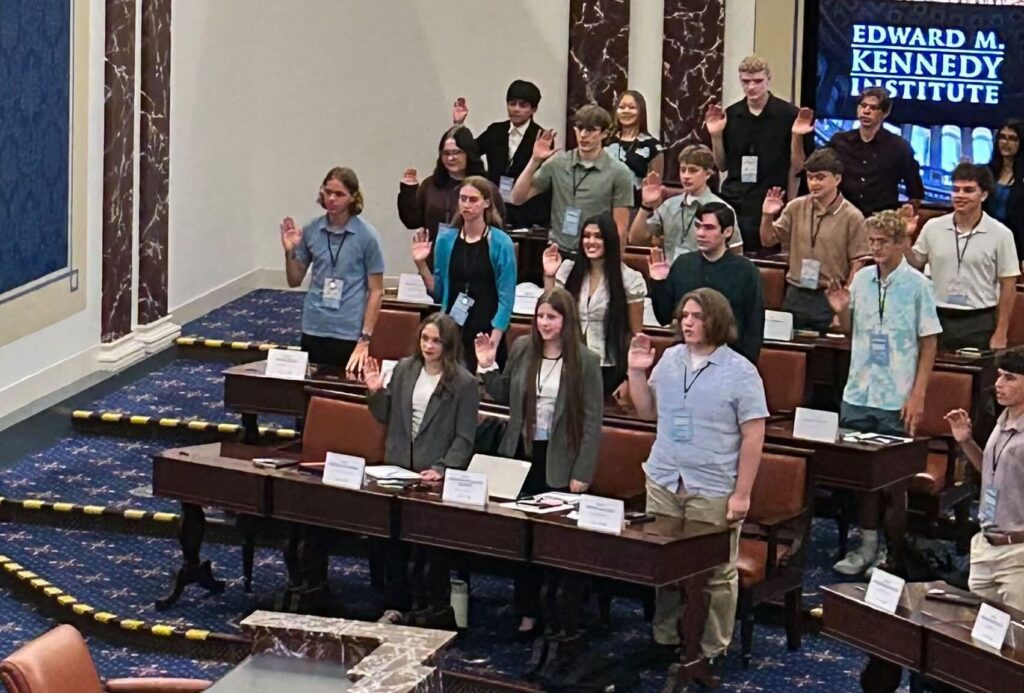
By the students, for the students: Sierra High School represents Colorado in developing national AI framework
Eric Young
eric.young@gazette.com
Updated 4 hours ago
To many, the recent, rapid development of generative artificial intelligence and its lack of frameworks and oversight may evoke comparisons to the unrestrained Wild West in the 1800s or the economic potential of the dot-com boom in the early 2000s....

Colorado’s troubled guardianship office pursues ‘cultural reset’
Marianne Goodland
marianne.goodland@coloradopolitics.com
Updated 5 hours ago
Colorado’s guardianship program, long criticized for mismanagement and high staff attrition, is undergoing a “cultural reset,” as its new director works to repair partnerships and prepare for a major expansion under recent legislation. Created by lawmakers in 2017, the Office...
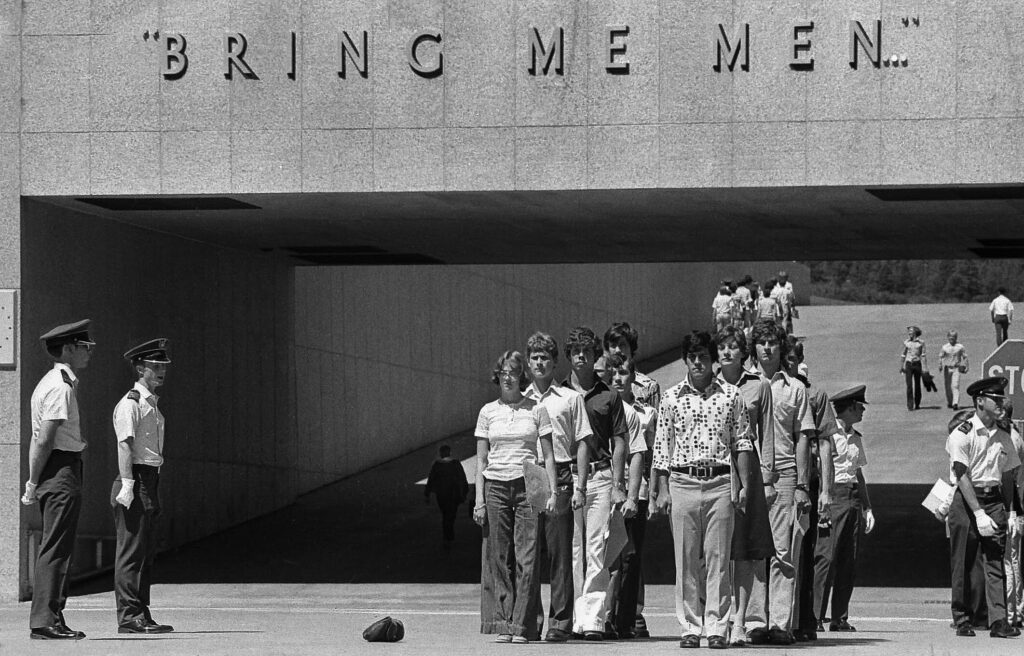
Fifty years later, women reflect on first coed class at the Air Force Academy, struggle for equality
Mary Shinn
mary-shinn@coloradopolitics.com
Updated 2 days ago
When the first female Air Force Academy cadets arrived 50 years ago this summer, they stood in front of an enormous sign on campus that read “Bring me men.” In the shadow of that sign, Kathleen Utley Kornahrens, one of...

As Lake Powell shrinks, marinas are having to adapt to dwindling water levels | OUT WEST ROUNDUP
The Associated Press
the-associated-press@coloradopolitics.com
Updated 5 days ago
ARIZONA Reservoirs near record lows PAGE — The Colorado River’s Lake Powell, the second largest reservoir in the U.S., is shrinking. A record-dry winter and extreme heat — as well as decades of overuse, chronic drought and climate change —...
U.S. Senate OKs funding bill to avoid government shutdown
Wire Services
wire-services@coloradopolitics.com
Updated 2 days ago
Hemp provision became point of contention WASHINGTON • The U.S. Senate in an overnight vote Saturday approved a short-term measure to fund federal agencies into early December and avoid a government shutdown during the middle of campaign season. The late-summer...
PREV
PREVIOUS

Farmworkers bill of rights wins preliminary approval in Colorado House
The agriculture industry this week won only minor concessions from the sponsors of a bill that intends to grant farmworkers some of the same labor protections available to non-farmworkers. After a debate stretching more than five hours Friday, the House gave Senate Bill 87 preliminary approval. SB 87 has been the biggest challenge for the […]

SONDERMANN | The referees should not be picked by either team
Eric Sondermann Imagine a football game in which one team got to choose the referees. Or a baseball game where the umpires were charter members of one team’s clubhouse. Of course, such notions are absurd. Any sports league of any standing goes to substantial lengths to assure the scrupulous neutrality of its officials. Yet, in […]