

Adams County water district may proceed with cost-recovery lawsuit against Denver for contamination
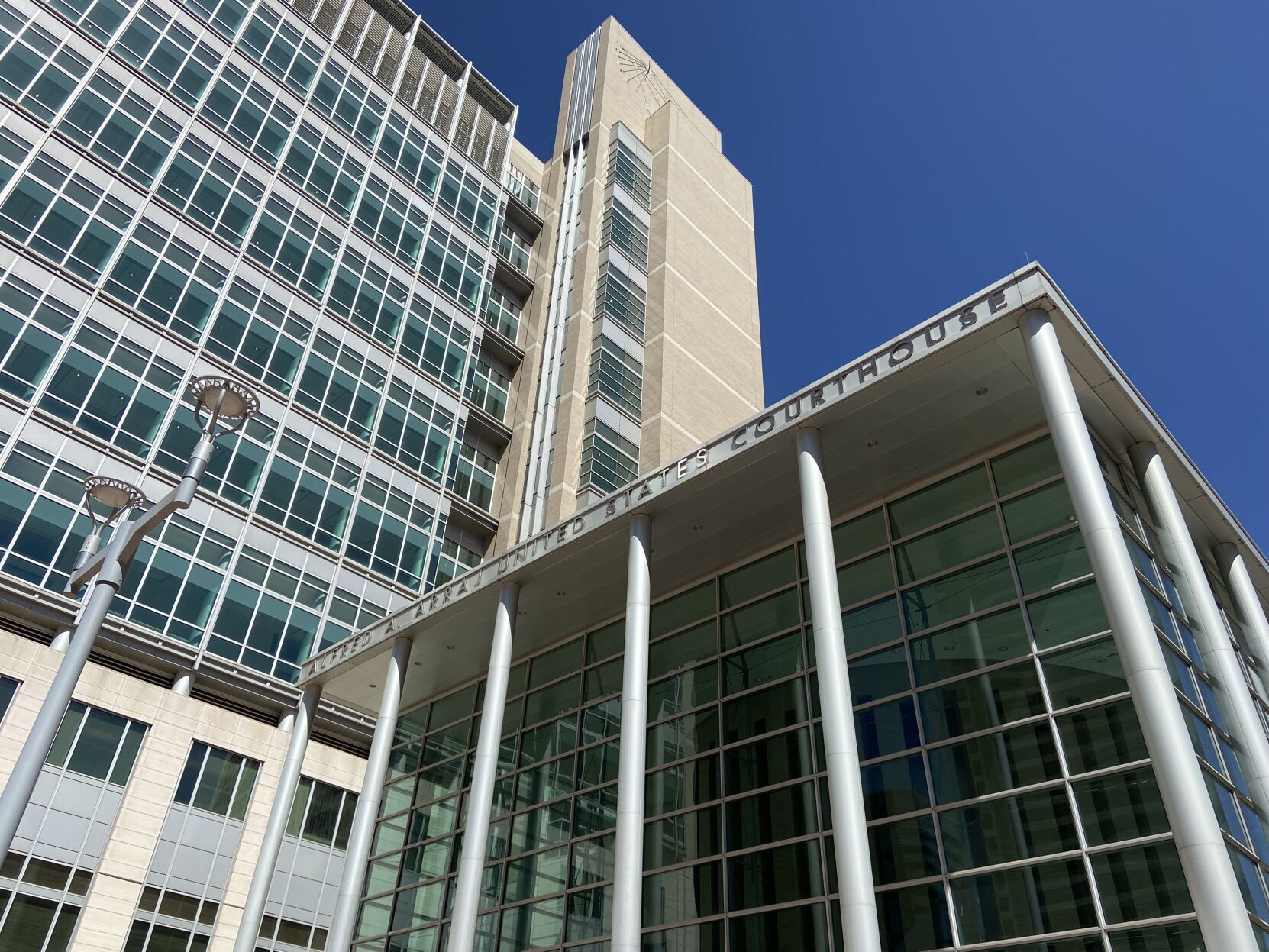
A federal judge rejected Denver’s arguments last week for pausing or dismissing a lawsuit brought by an Adams County special district seeking to recover its costs for addressing water contamination as a result of Denver firefighting activities.
In January, the South Adams County Water and Sanitation District, which serves around 75,000 people in Commerce City and neighboring areas of Adams County, sued Denver. It sought a declaration that Denver was liable for the district’s costs of addressing water contamination and for Denver to pay those costs pursuant to the Comprehensive Environmental Response, Compensation, and Liability Act (CERCLA).
The district obtains water supplies from groundwater sources and from Denver Water pursuant to a 1998 agreement. The district alleged that, beginning in 2018, it noticed high levels of PFAS in water samples from Denver. PFAS, meaning “per- and polyfluoroalkyl substances,” are long-lasting chemicals associated with serious health problems over long periods. They exist in a variety of consumer products, including nonstick cookware and water-resistant fabrics.
The district alleged that PFAS-containing firefighting foam used for training at Denver’s Roslyn Street facility migrated into its water supplies.

“Upon the discovery of the PFAS contamination in 2018, the District took immediate and ongoing response actions to ensure its finished drinking water supplies are and remain safe for domestic use,” wrote lawyers for the district. “Additional response actions, including construction of an additional water treatment facility specifically designed to treat PFAS, will ensure that the District’s drinking water meets federal and State standards and guidelines into the future. The District successfully sought state and federal funding to defray the financial burden of the required response actions on its customers, but there remains a huge deficit between that funding and the District’s necessary costs of response attributable to PFAS releases from Denver’s Fire Training Facility.”
Denver moved to dismiss the lawsuit. It first argued that the complaint “does not allege that the District incurred any costs” in cleaning up PFAS. Moreover, CERCLA prohibits “double cost recovery,” and the district already received $64 million in governmental grants to address PFAS contamination.
Further, Denver pointed out that the district is participating in multidistrict litigation in South Carolina against manufacturers of PFAS-containing products.
“The combination of grants and (litigation) settlements address the PFAS related costs the District is seeking to double recover in its Complaint,” wrote Denver’s lawyers.
The city also argued that the U.S. Environmental Protection Agency only designated PFAS as “hazardous substances” in 2024, and the district was not entitled to recover costs prior to them. Finally, the federal appeals court for the District of Columbia is currently weighing whether to overturn the EPA’s designation, and Denver argued the cost-recovery lawsuit should be paused until the court issues a decision.
“This litigation will be costly for Denver, the District, the Court, and — as both parties are funded by the taxpayer — the public,” wrote Denver.
On Aug. 3, U.S. Magistrate Judge N. Reid Neureiter declined to dismiss the lawsuit.
He rejected Denver’s “somewhat perplexing” argument that the district had not incurred costs to clean up PFAS, given numerous allegations about the district’s actions to test, monitor, and remediate PFAS.
Neureiter acknowledged that CERCLA prohibits double compensation, but whether the district would actually recover the same costs from multiple sources was not something he could address in the early stages of the lawsuit.
“The Complaint alleges that there is a ‘huge deficit’ between the funding the District has received and its necessary response costs,” wrote Neureiter.
Finally, Neureiter declined to halt the litigation until the PFAS-related cases in D.C. and South Carolina are resolved.
“The District has a viable CERCLA claim under the law as it currently stands, and there exists a substantial public interest in moving the case towards a disposition and enforcing federal protections aimed at curbing the environmental and health risks posed by industrial pollution,” Neureiter concluded.
The case is South Adams County Water and Sanitation District v. City and County of Denver.


US Rep. Lauren Boebert’s son arrested, faces charges of sexual exploitation of child
Matt Kyle
matt.kyle@denvergazette.com
Updated 22 minutes ago
U.S. Rep. Lauren Boebert’s son Tyler Boebert has been arrested and faces charges of sexual exploitation of a child, according to court records. The case originates out of Garfield County in Western Colorado. Tyler Boebert, 21, faces five counts in...
Federal judge declines to dismiss First Amendment retaliation claim against prison official
Michael Karlik
michael.karlik@coloradopolitics.com
Updated 5 hours ago
A federal judge agreed last month that an incarcerated Native American woman may pursue her claim of First Amendment retaliation against a prison official who allegedly interfered with her religious exercise. Yvonne Peterson resided at Buena Vista Correctional Facility for...

Colorado’s troubled guardianship office pursues ‘cultural reset’
Marianne Goodland
marianne.goodland@coloradopolitics.com
Updated 4 hours ago
Colorado’s guardianship program, long criticized for mismanagement and high staff attrition, is undergoing a “cultural reset,” as its new director works to repair partnerships and prepare for a major expansion under recent legislation. Created by lawmakers in 2017, the Office...
Local party leaders, incoming judge among members of judicial performance commission that violated law
Michael Karlik
michael.karlik@coloradopolitics.com
Updated 2 days ago
A local Democratic leader and 2024 presidential elector. A legislative aide and leader in the Young Republicans. An incoming county court judge freshly appointed by the governor. They are among the eight members of the northeastern Colorado judicial performance commission...
Judge dismisses lawsuit seeking records from Colorado Democratic group
Marianne Goodland
marianne.goodland@coloradopolitics.com
Updated 3 days ago
A lawsuit seeking to obtain records from Democratic lawmakers affiliated with a caucus has been thrown out by a Denver District Court judge. On July 17, Judge Ericka Englert dismissed the April lawsuit filed by progressive activist Derrick Blanton, who...
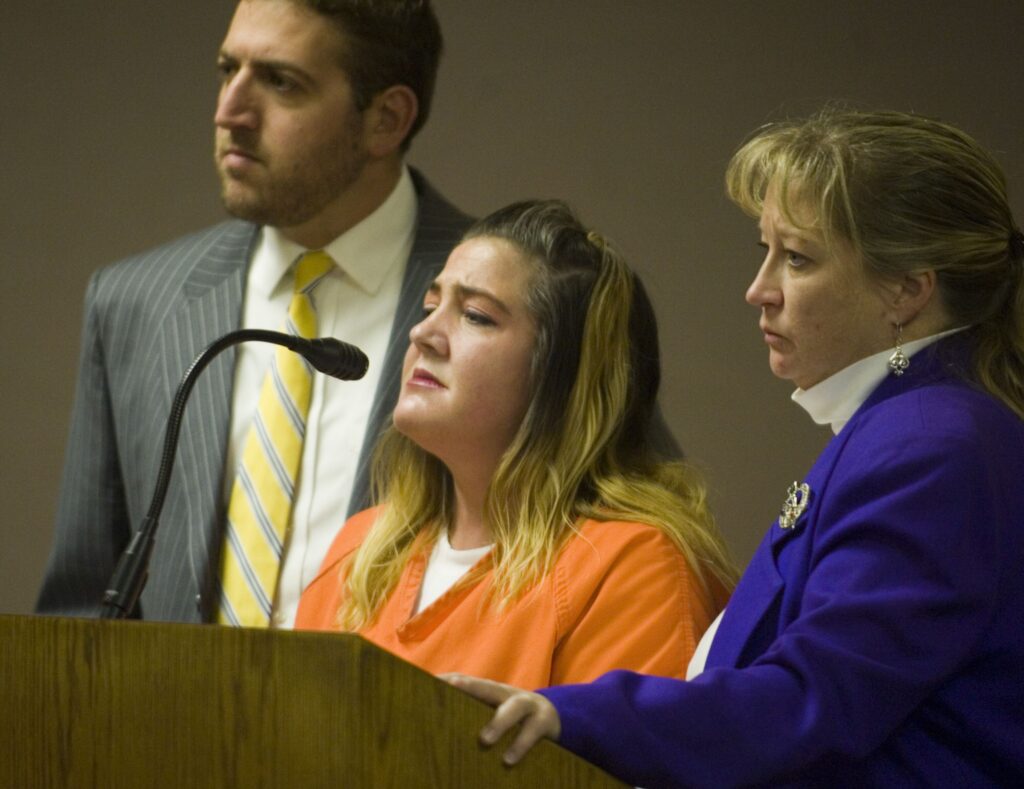
Colorado Springs mother Deborah Nicholls’ murder conviction overturned
Nick Smith
nick-smith@coloradopolitics.com
Updated 4 days ago
A Colorado Springs mother convicted in 2008 of murdering her three children in a house fire might get a new trial after a judge ruled that prosecutors withheld key evidence that could have impacted the jury’s verdict. Deborah Nicholls, whose...
Colorado court overturns illegal $7,000 restitution order
Michael Karlik
michael.karlik@coloradopolitics.com
Updated 3 days ago
Colorado’s second-highest court overturned a Weld County defendant’s obligation to pay more than $7,000 in crime victim restitution on Thursday because a trial judge failed to issue a legally compliant restitution order at the time of sentencing. In Colorado, as...

Appeals court rejects former DougCo commissioner’s legal fee claim
Nicholas Fogleman
nicholas.fogleman@denvergazette.com
Updated 3 days ago
The Colorado Court of Appeals rejected a former Douglas County commissioner’s bid for reimbursement of attorney fees she incurred while responding to multiple investigations into her conduct. The dispute stemmed from a 2019 anonymous letter sent to county officials alleging...
Appeals court orders second look at Denver Water’s immunity for cyclist’s injury
Michael Karlik
michael.karlik@coloradopolitics.com
Updated 4 days ago
Colorado’s second-highest court ordered another look at a bicyclist’s negligence lawsuit against Denver Water on Thursday, concluding that a trial judge needed to evaluate the utility’s potential immunity using the state Supreme Court’s new guidance. Joseph A. “Joey” Scott alleged...
Labels, duration not definitive proof of ‘intimate relationship,’ Colorado court rules in domestic violence case
Michael Karlik
michael.karlik@coloradopolitics.com
Updated 3 days ago
Colorado’s second-highest court clarified on Thursday that the length of a couple’s relationship and the labels they attach to it are not conclusive evidence of whether it is an “intimate relationship” that can give rise to a domestic violence prosecution....
PREV
PREVIOUS
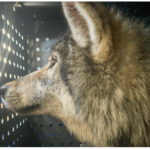
CPW: Hunter shot a protected Colorado wolf after mistaking it for a coyote
Colorado Parks and Wildlife said Monday that a female wolf from British Columbia that died in January was shot by a hunter who mistook her for a coyote. The wolf, identified as 2504‑BC, was one of 17 wolves relocated since April 2024 that have since died. Her death occurred in northwest Colorado, though CPW did […]

Colorado audit finds $175K wasted on unused state-issued cellphones
Colorado spent nearly $175,000 on state-issued cellphones for employees of various departments that went unused during Fiscal Year 2025, according to a recent audit by the Office of the State Auditor. According to the audit, about 400 of the 6,688 cellphones issued to state employees received no calls or texts and used no cellular data […]