

INSIGHTS | Polis questions how fast is too fast on averting climate change
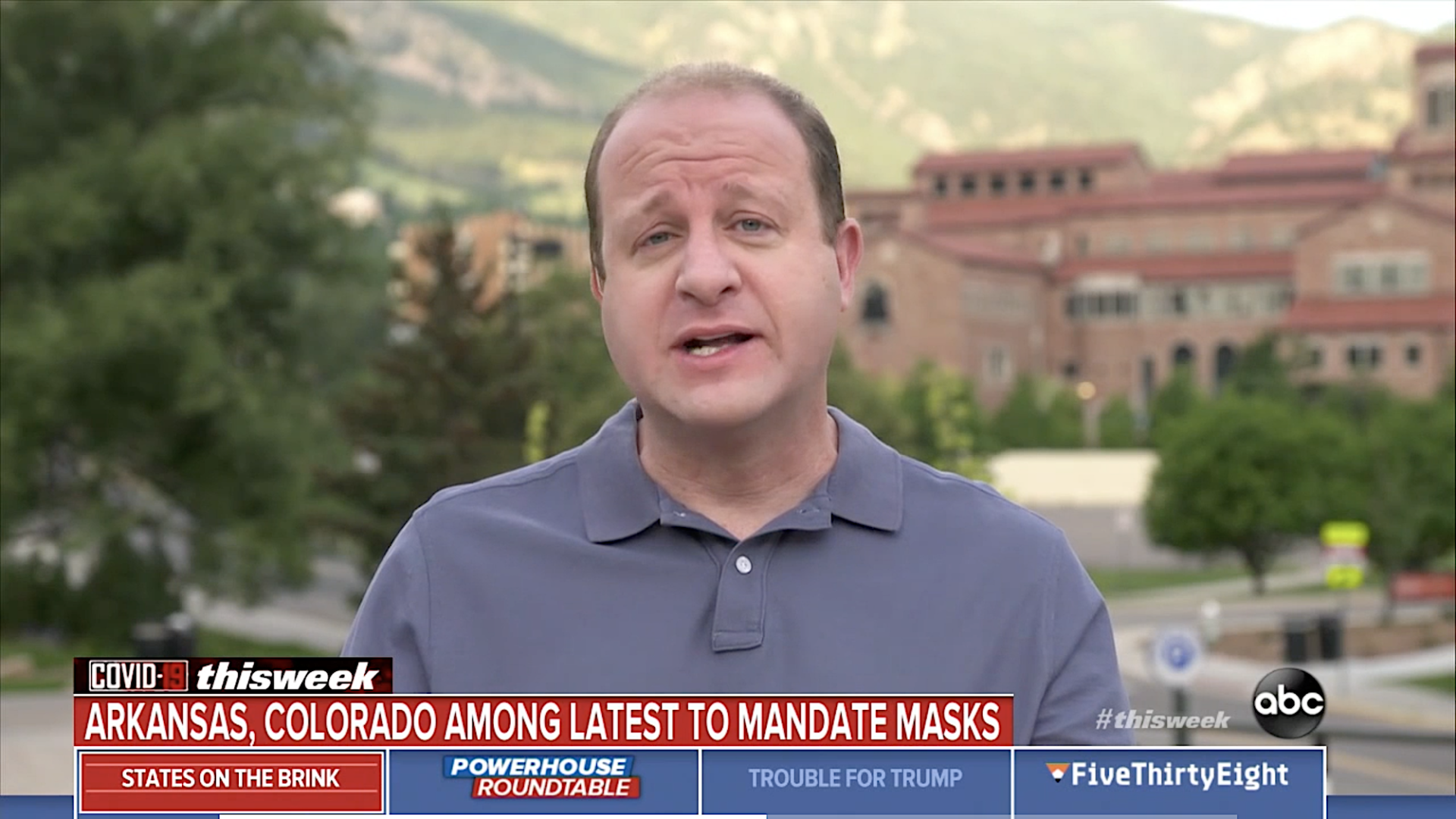
Jared Polis gets it. He has all along, it seems, on climate change: a hard charge must be tempered with reason.
The governor is usually two steps ahead of the game on these thing. His agenda has moved the climate debate in Colorado to the left, yet Polis manages to steer from the middle, which is an unusual position on the usual road for a Democrat.
Some of his reliable friends in the legislature are behind Senate Bill 200 to step up the pace on the climate action action they passed in service to the green giant governor two years ago. The plan was laden with incentives and collaboration, but some of his more aggressive and progressive cohorts would prefer hard caps and repercussions.
Put another way: Polis favors a carrot-or-stick approach, but some of his fellow Democrats prefer stick-and-more-stick, because it gets them where they want to go much faster. They’re pressing ahead, despite warnings of a potential veto. Get your popcorn before you take a seat. This could get interesting.
Polis told The Gazette’s editorial board hard caps were “a top-down requirement” that he thought was unwise in the bigger picture, dictated by the unelected state Air Quality Control Commission. Polis characterized it as “near-dictatorial control of our entire economy with a legal mandate” that might not even be necessary, since the industry is moving toward the same goals without the heavy hand of government.
“But the thing is many of them also rely on future technology, require a flexible approach, require expertise that doesn’t just reside in a back-door committee, and should be debated by future legislatures,” said Polis, a man who got rich in his private life reading the tea leaves on technology and human behavior.
This is what Polis does. Those who react on either side are always behind, by definition.
As assuredly as you can count on Colorado Democrats to overreach when they get the chance, however, you can count on Colorado Republicans to misjudge the moment. The people who lose to intransigence are the rest of us stuck in the middle.
Nobody I know of has accused the bill signer from Boulder of trying to burn down one of the state’s most important industries, though many on the left would gladly give him the matches. Regulate it? Sure. Frustrate its profiteers? You bet. Tell it that renewable energy is way, way better? That’s one of the governor’s favorite things.
I don’t think he’s locked his door to anybody, and so far, industry and environmentalists have been willing to work with him, maybe because they have to. Polis is the father of the lingering truce between industry and environmentalists over ballot issues. They agreed to give legislation he and former House Speaker KC Becker passed in 2019 time to work.
I asked the Colorado Petroleum Council to grade Polis. They couldn’t put him in a box right now, so they’re reserving official judgment. Neutrality from his adversaries is a win for Polis, if he can manage to get his allies to do the same.
Some, especially acolytes of the former governor-turned-senator John Hickenlooper, might say the conciliation movement predates Polis. I could be talked into that, but not without context. Set the WABAC Machine to 2014.
Obama was in the White House, Ebola was a world health crisis Americans ignored and Hickenlooper was trying to hold off a conservation-minded Republican, Bob Beauprez, for a second term.
In stepped Polis, the congressman. He and a lot of other people were in an uproar about drilling sites spouting like dandelions near homes and businesses across Boulder and Weld counties. Polis was poised to invest his money and considerable political capital in ballot initiatives, one on where drillers could locate, the other an environmental bill of rights, for the same November ballot where the incumbent governor was in a tussle.
Energy has never been a bear to be poked by Hick, the laid-off energy industry geologist, who was facing a conservation-minded Republican in what turned out to be one of the Colorado’s closest governor’s races.
That August, Polis was part of a compromise to pull his money and support. Hickenlooper convened a task force – six environmentalists, six industry representatives and six civic leaders – to make recommendations on oil and gas issues for the 2015 legislature, which amounted to nothing.
Polis faced down his former allies outside the Boulder library to shouts of “You sold us out!”
The pragmatist sought to assuage the mob of his own making: “When we fight this fight in this state, we need to make sure there’s a battlefield we can win, OK?”
That’s just smart.
Polis asked his green team to give the state a chance to “enact sensible protections and safeguards.” He’d wind up enacting them himself after he succeeded Hickenlooper.
We’ve seen in three years is more progressive, well, progress than Colorado has seen in the 20 years before. I’d caution to the stampeders on this political fact: Overreach is always the beginning to the political end.
Polis has a talent for playing both sides into the middle, even when he ticks off a good number of foes and friends.
Love him or hate him, you must admit he’s good at it.



Victor Marx says he’ll only debate Phil Weiser once in Colorado governor’s race — without a moderator
Ernest Luning
ernest.luning@coloradopolitics.com
Updated 3 hours ago
Colorado Republican gubernatorial nominee Victor Marx said on Tuesday that he will participate in only one debate with Attorney General Phil Weiser before the November election — and he challenged the Democratic nominee to hold the event without a moderator....
10th Circuit finds no fair housing violation by Littleton landlord for worker’s alleged rape of tenant
Michael Karlik
michael.karlik@coloradopolitics.com
Updated 5 hours ago
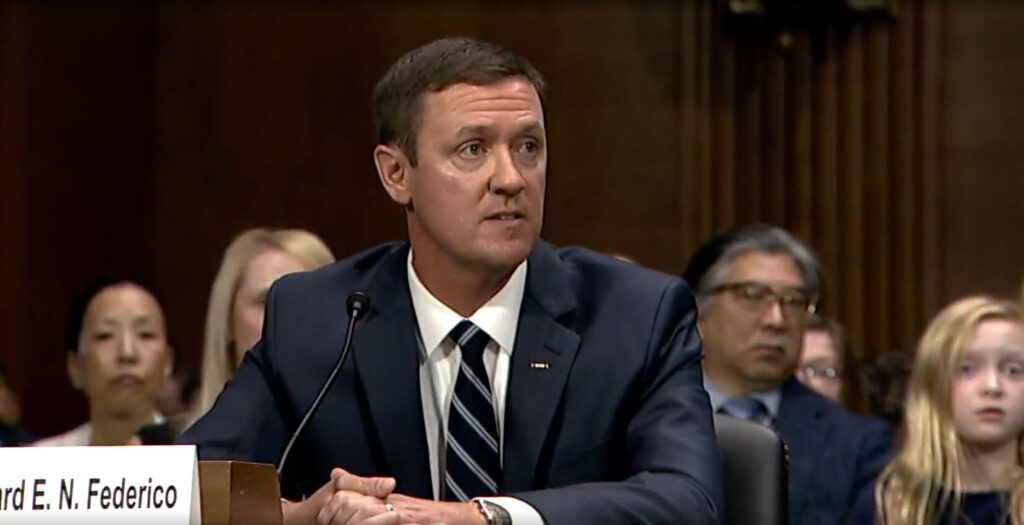
The Denver-based federal appeals court concluded on Monday that Littleton’s housing authority could not be held liable for a maintenance worker’s alleged rape of a tenant, as the worker’s employment did not provide any special access to the victim. A...
Fauci’s Fifth Amendment answers may test Biden pardon as GOP eyes contempt
Kaelan Deese
kaelan-deese@coloradopolitics.com
Updated 4 hours ago
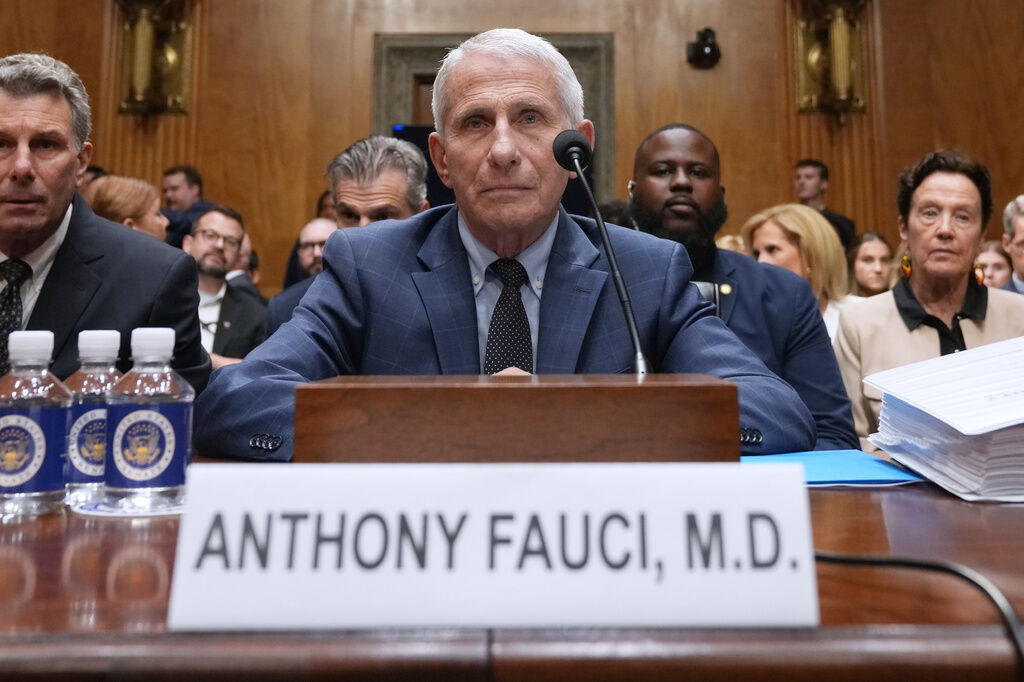
Dr. Anthony Fauci invoked his Fifth Amendment right against self-incrimination more than 100 times on Wednesday, a move legal experts described as strategically sound despite the politically damaging optics. Sen. Rand Paul (R-KY), chairman of the U.S. Senate Committee on...

Democrats must win 57 out of 77 competitive House seats to take majority: Cook Political Report
Hailey Bullis
hailey-bullis@coloradopolitics.com
Updated 6 hours ago
Democrats’ path to retaking the House in November has significantly slimmed as a result of the mid-decade redistricting war this cycle, a new analysis found. The nonpartisan Cook Political Report found that under the newly drawn maps across 10 states,...

Denver labor acknowledgment proposal faces council committee questions
Deborah Grigsby
deborah.smith@denvergazette.com
Updated 10 hours ago
A proposal to add a labor acknowledgment to Denver City Council proceedings has been delayed by the Finance and Business Committee after members raised questions about its wording, intentions and place in the council’s opening proceedings. The proposal, put forth...
Fauci invokes the Fifth Amendment and declines to testify in GOP-led Senate panel’s COVID-19 hearing
The Associated Press
the-associated-press@coloradopolitics.com
Updated 12 hours ago
WASHINGTON (AP) — Dr. Anthony Fauci on Wednesday invoked the Fifth Amendment and declined to answer questions from senators in a Republican-led committee hearing about his handling of the COVID-19 pandemic. The move injects new drama into the lingering tensions...

Colorado residents rush to buy guns ahead of new restrictions, breaking sales records for several stores
By Debbie Kelley
by-debbie-kelley@coloradopolitics.com
Updated 11 hours ago
Colorado residents are lining up to buy guns ahead of the latest weapons restrictions set to take effect this Saturday. The new law mandates individuals seeking to purchase semiautomatic firearms with detachable magazines to first complete a firearm safety course...

Crime continues to decline in Aurora, police chief says
Kyla Pearce
kyla.pearce@gazette.com
Updated 11 hours ago
Crime in Aurora continued to decline in the first half of 2026, according to Aurora Police Department officials. Crime overall in the city has been on a downward trend since 2024, according to APD. Between Jan. 1 and June 30,...

El Paso County rejects multi-family zoning request near Monument Academy
Savannah Eller
savannah-eller@coloradopolitics.com
Updated 10 hours ago
The El Paso County Board of Commissioners narrowly rejected a developer’s bid to convert land from low- to high-density residential zoning. The request, made by MA Infrastructure, LLC, would have allowed 12 units per acre on half of a 14-acre...
Atop taxes, here’s how much each Colorado resident pays in fees
Marissa Ventrelli
marissa.ventrelli@coloradopolitics.com
Updated 1 day ago
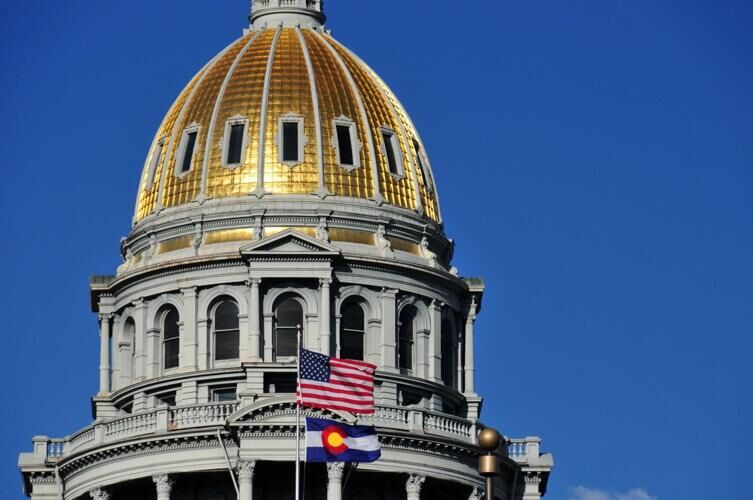
Each Colorado resident paid nearly $5,000 in state-sanctioned fees last year, according to a report by a policy think tank. The report, which analyzed how fees have affected Colorado’s economy, found that fee revenue has more than tripled since 2008...
PREV
PREVIOUS

Restoration of 100-year-old Sullivan Gateway completed in Denver’s City Park
Denver Parks and Recreation has finished its multi-year restoration and enhancement of the Sullivan Gateway, a century-old gateway to the entrance of City Park. Sullivan Gateway, built in 1917, marks the south entry of the City Park. The gateway includes 300-foot terra cotta walls, lion-head fountains and 40-foot freestanding sculptures on columns that represent early […]

Q&A with Audrey Kline | Denver-based nonprofit helps elections get it right
The sanctity of voting integrity and security came into sharp focus before, during and after the last election, and when states needed expertise on voting at home, they looked to Colorado. The National Vote at Home Institute has its roots here, and former Denver elections director Amber McReynolds is at the helm and joined by […]