

COVER STORY: READY, SET, WAIT | Colorado’s new redistricting process stumbles out of the gate
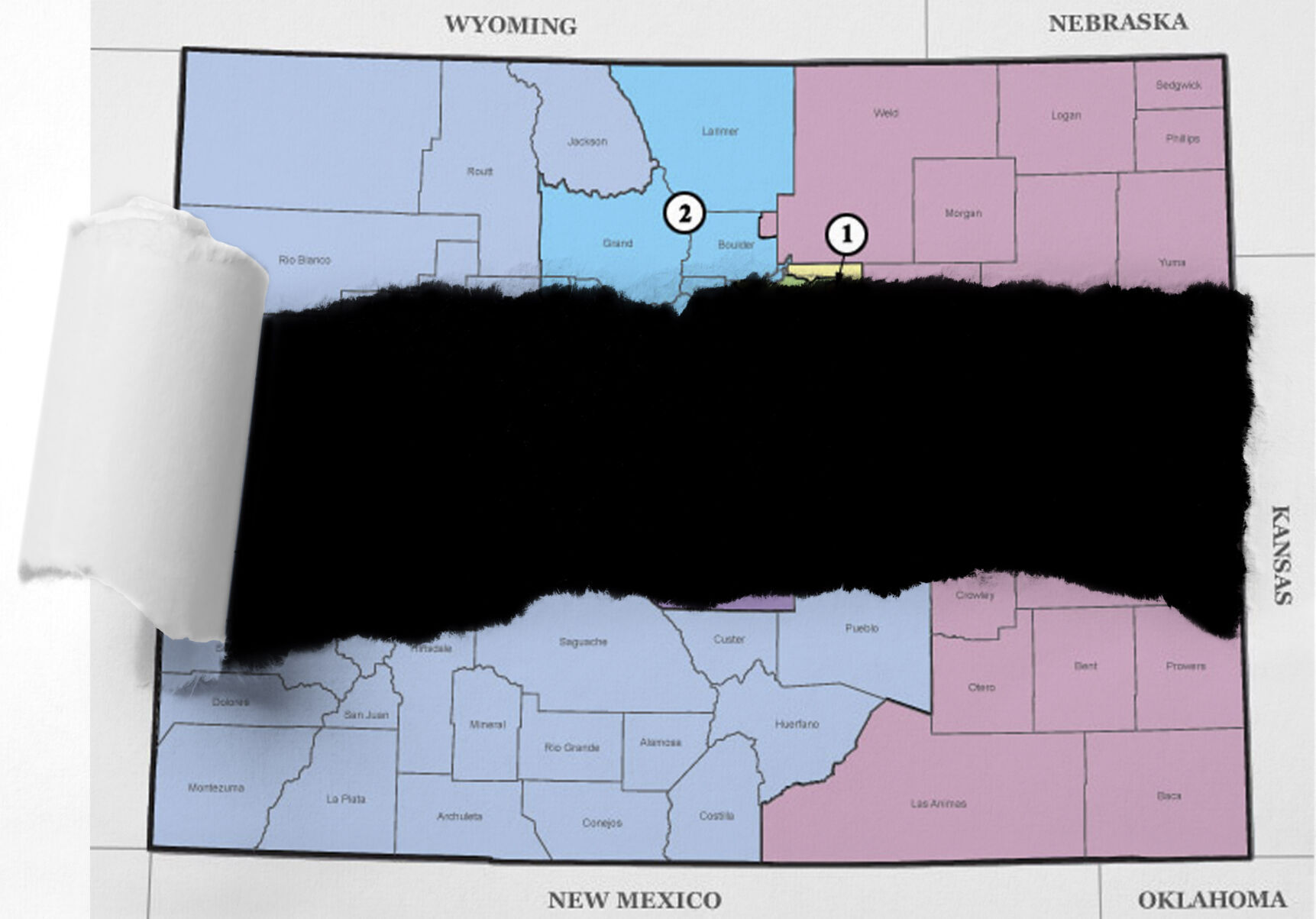
Colorado’s first-ever independent redistricting commissions are complete, after a lengthy commissioner selection process, and they are beginning to meet and prepare for their once-in-a-decade work of redrawing the state’s political lines.
It’s the bearing of fruit years in the works, following the drafting, legislative passage, then finally the voter approval of amendments Y and Z in 2018, which distance the district-drawing process from the politicians whose careers could be helped or hurt by the shape of redrawn maps.
But the commission already faces a fundamental problem: The data needed to do the mapping is delayed by months. Politicians have already begun to pressure the commission how to handle the problem, despite disagreements about the legal ramifications of their desired next steps.
And some of the commissioners have been criticized for their perceived political biases or close ties to political power structures, perhaps foreshadowing partisan struggles in the months ahead.
A new process
Traditionally, and in contrast to the independent commission process, redistricting has been done by state legislatures, without much in the way of transparency or public input. Colorado now joins a growing minority of states that have chosen to give the powers to independent commissions.
The new process being put into practice for the first time this year in Colorado is intended not only to put the duties into the hands of ordinary citizens who don’t have a political stake in the maps, but to open the process to the public and give opportunities for public input along the way.
Amendments Y and Z accomplish that part by requiring numerous public meetings around the state, where draft maps will be shown and discussed and where people can submit their own ideas about them. Then, after the statewide tour soliciting feedback from the public, transparently adjusting the maps in public hearings and creating a public record of all their work, the maps are to be approved by the state Supreme Court in the fall, giving state and county election officials the time they need to prepare for and administer the 2022 elections using the new maps.
Except one big problem has come up: The U.S. Census Bureau has delayed the data necessary to do the work for months. Instead of delivering the redistricting data to states at the end of March, the data won’t be ready until August or September. Initially the bureau told states the delay would mean receiving data by Sept. 30. More recently, the bureau has said some initial redistricting data could be ready by late August.
The delay is one of the many aftershocks of the global coronavirus pandemic that shook the world in 2020. Because of social distancing measures aimed at slowing the virus, the Census Bureau had to shorten the time for their normal data collection efforts. The crunch caused problems with the data that are still being worked out.
Colorado’s new redistricting process, well-intentioned as the public input requirements and deadlines may have been, has been thrown into disarray, and there isn’t a clear answer yet for what’s going to happen next.
A placeholder estimate
The official reapportionment data, which exactly counts each state’s population, and which decides the gain or loss of congressional districts, is also delayed this time and normally would already be published, but the Census Bureau said the reapportionment data will be ready by April 30.
That would tell congressional redistricting commissioners how many districts to draw, but exactly where everyone is and where to draw the lines won’t be possible until the granular “block-level” data is ready.
Amendments Y and Z require the commissions to travel around the state during the summer with an initial set of draft maps to collect public input before adjusting the maps, voting to adopt them and submitting them to the Supreme Court for final approval by November. But there won’t be enough time for that, if mapping doesn’t begin until the end of September. The commissioners now must figure out what to do, but it will almost surely mean changes to the process.
One possibility, raised at the first congressional redistricting meeting on March 15, would be to use preliminary census survey data, which has a margin for error, to work on the maps until the official data are available for making final adjustments. The imperfect survey data comes from the American Community Survey, which is sent to about 2.7% of households each year.
The decennial census, in contrast, attempts to get a response from every household, allowing for exactly equal political redistricting, as is required for congressional districts.
Using the ACS data would allow the commissions to start redistricting sooner, but with the knowledge that the data and whatever maps the commissions might draw with the ACS will have to be adjusted later.
So far, this is the plan endorsed by state legislative leaders, Gov. Jared Polis and the co-chairs of amendments Y and Z.
A bipartisan group of state legislative leaders sent a letter to the commissioners:
“While release of the final census population data has been delayed, it is our belief that the Colorado Congressional Redistricting Commission and its staff can use the best available information (referred to in Amendment Y as “necessary census data”) to begin the preliminary map-drawing and public engagement processes and to increase the likelihood of meeting constitutional deadlines for final approval,” the letter states. “Final adjustments for all districts could then be made once final census population figures are released, which is currently expected by Sept. 30.”
Polis, in his letter convening the congressional redistricting commission, backed the proposal, as well:
“I’m told that reapportionment data will be available as soon as April 30, meaning that we will be able to confirm then whether you are setting district lines for seven or eight congressional districts, although at this point initial projections show us solidly within the range of justifying 8 congressional districts. The fact that you will not have more granular census data until September 30 should not deter you from beginning the substantial public process you are charged to pursue.”
And the co-chairs of Amendment Y and Amendment Z said they like the idea, too.
“It is our belief that the amendments provide the Commission latitude with the process and sufficient data exist for the drafting and public discussion of ‘preliminary plans’ that can be adjusted once final data are available,” they wrote.
Delaying the process, they said, could limit or rush the public engagement components of the new process.
Risk of litigation
But using the ACS data comes with risks, according to Jerry Barry, the Legislative Council staff attorney working with the commission.
Amendments Y and Z have precise language about the process, including the prescribed use of “necessary census data,” so if the commission chooses to use preliminary survey data, Barry said, the commission might want to get the state Supreme Court to approve it.
Jessika Shipley, the lead Legislative Council staff member working with the commission and who worked on the 2011 redistricting, said the crux of the matter is what “necessary census data” means.
“I think we will get sued if we just go ahead and start using estimated data,” Barry said during the Congressional Redistricting Commission’s March 15 meeting. “I believe the use of data besides the redistricting data will require someone to say that we can do that, and I think that ought to be the Colorado Supreme Court.”
Redistricting lawsuits, often filed by whichever partisan group sees themselves as the losers in a new district plan, can take aim at the process, and the precise adherence to legal requirements. In Arizona, following the 2011 redistricting, Republicans filed a lawsuit over the decision to first draw the peripheral rural districts, then later filling in what they called the “doughnut hole” map’s central urban districts. They argued that a doughnut hole map was not permitted. The lawsuit was eventually dropped as the state’s Republicans continued to litigate over more substantive matters.
Danny Moore, a Republican on the commission who was recently selected its chair, said during their March 15 meeting that shifts in housing trends could have been caused by the coronavirus pandemic, meaning the 2019 ACS survey data could be significantly different from the 2020 Census data, and the adjustments to the maps would be significant. It’s still too early to know whether Moore is right, but if so, it could lend credence to a procedural lawsuit arguing the commission didn’t have the authority to use the ACS data.
But if the commissions don’t change the procedures to get started right away, they could end up with legal attacks for delaying.
“I still think the possibility of us getting sued is out there, if we don’t meet our deadlines,” Shipley said.
Just as pressing as the public hearings required in the new process, and just as legally ripe for lawsuits, are the deadlines to get state Supreme Court approval so state and county elections officials can prepare for 2022.
If the commissioners wanted to simply put the process on hold until the decennial census data is ready, instead of using preliminary ACS data, those election officials could file lawsuits of their own to compel the commissions to do whatever it takes to provide maps by the deadlines specified in amendments Y and Z.
So far, the congressional commission has not begun to substantively discuss what they intend to do about the delayed data, and the legislative commission is set to meet for the first time on March 29.
Complaints of partisanship
Colorado’s political players have not only begun to pressure the commission about what to do about the census data delay, they’ve also cried foul about some of the commissioners’ perceived allegiances.
During the selection process, the state Republican Party wrote a petition, asking for dozens of unaffiliated commission applicants to be booted from consideration for a seat. The letter included social media posts or campaign finance records that, they argued, showed that applicants registered as party-unaffiliated actually favored one party, specifically the Democratic Party.
Another letter from a group of unaffiliated former elected officials and political players raised similar concerns, highlighting hints that unaffiliated applicants might be partisans in sheep’s clothing.
A letter from All On The Line, a Washington, D.C.-based Democratic-leaning advocacy group that focuses on redistricting, wrote a letter, urging the selection of more women and people of color to the state’s Legislative Redistricting Commission, after the first round of selections heavily favored white men.
And while the various groups have voiced concerns about some of the applicants’ perceived biases, or lack of diversity among some of the commissioners, a couple of others with deep political backgrounds so far haven’t raised concerns, even though independent redistricting is intended to remove the remapping duties from entrenched political players.
Amendments Y and Z prohibit “professional lobbyists, federal campaign committee employees, and federal, state, and local elected officials” from serving as commissioners. And they require that commissioners cannot have run for a state legislative office in the past five years, been paid by a candidate campaign within the past three years, been an elected political party official above the precinct level or a political party employee within the past three years.
The rules don’t prohibit someone such as now-commissioner Bill Leone, a former U.S. attorney for Colorado, former member of the Colorado Independent Ethics Commission and partner at the prestigious Norton Rose Fulbright law firm, from serving on the commissions.
They also don’t stop someone such as now-commissioner Blanca O’Leary, a longtime Democratic power player and the chair of Boldly Forward, a 501(c)(4) nonprofit group that served as Gov. Jared Polis’ transition committee and later financially supported Democratic-aligned ballot measures. 501(c)(4) nonprofit groups can accept unlimited donations without ever disclosing who supports them. When they spend in elections, they’re often called “dark money” groups, because of their lack of transparency.
Kent Thiry, the co-chair of the group that designed amendments Y and Z, said he’s not bothered by the political connections of some of the commissioners.
“We were intentional on wanting to allow, and to even look favorably on people who have a history of civic engagement, people who will then bring that intensity and passion and experience to the table,” he said.
The fact that a panel of judges reviewed the applicants before selecting them should be reassuring, Thiry added, because that means the commissioners have been vetted.
CONGRESSIONAL REDISTRICTING
Unaffiliated commissioners
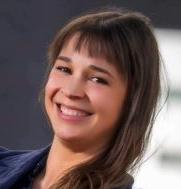
Jolie C. Brawner, Denver

Jolie C. Brawner is a Denver resident and executive director of the Washington Street Community Center. Brawner helped organize the 2016 and 2017 Denver Women’s March and an Educational Women’s Summit in 2016 for “March On Colorado.” She focused on her experience as the director of a community-based organization, “advocating for and considering the interests of a myriad of groups” as an attribute that will help her on the redistricting commission. “I want to be a part of making everyone’s voice heard and I want to bring my voice to the table. I have a wide range of unconventional experience, and I am connected to my community,” she wrote in her application.
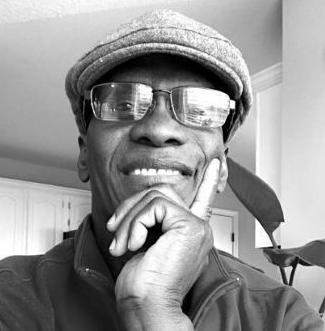

Moussa Mariam Diawara from Colorado Springs is a biology professor and past director of the biology master’s degree program at Colorado State University-Pueblo. Diawara listed being active with the NAACP and served as the president of the Pueblo African American Concern Organization. “I would like to see Colorado be a national leader in development of fair and equitable apportioning congressional districts,” he wrote in his application. He listed no partisan campaign contributions in the past five years.

Carly Dawn Hare, Firestone

Carly Dawn Hare from Firestone is a philanthropic adviser at CHANGE Philanthropy and Asian Americans Pacific Islanders In Philanthropy. She listed experience with several service boards, many focused on gender and racial equity. “I have worked with a lot of organizations over the last 10 years and have found I am very good at having challenging conversations,” she wrote in her application.
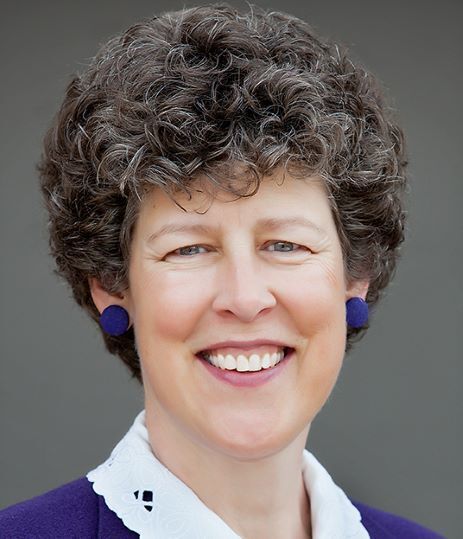
Lori Smith Schell, Durango

Lori Smith Schell is a Durango resident and energy economist whose focus is market analysis. In her application, Smith Schell describing being “deeply troubled by the growing political divisions in our local, state, and national communities.” Smith Schell said she is troubled by the effects of gerrymandering and wants to counter that. “I have no hidden agenda or axe to grind, which I believe will enable me to be fair and impartial,” she wrote in her application.
Democratic commissioners
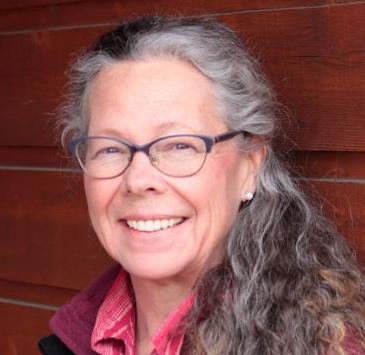
Mary Martha Borden Coleman, Fort Collins

Mary Martha Borden Coleman from Fort Collins is a facilities management planning specialist at Colorado State University. Borden Coleman earned a bachelor’s in geography and has experience with geospatial data analysis, which she said should help her with the redistricting work. “My role since the beginning of my career has been to take spatial information, analyze it, and present it in a form that is clear and understandable,” she wrote in her application, “then work with ‘specialists’ (whether they were foresters, ecologists, or utility engineers) for the purpose of making a decision or solving a problem together.”
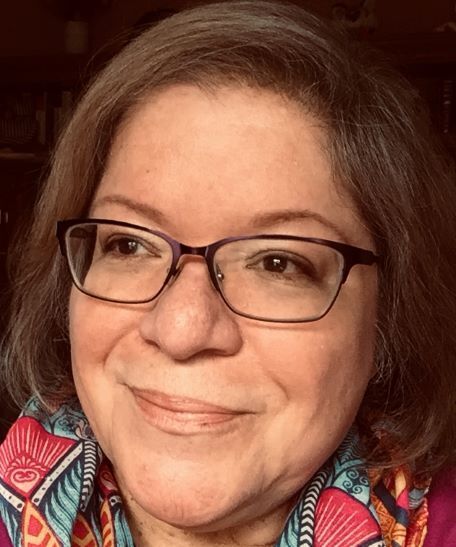
Paula Espinoza, Littleton

Paula Espinoza is from Littleton and a retired University of Colorado-Denver clinical associate professor of ethnic studies. Her work has focused on health disparities among the Hispanic/Latino community. Espinoza highlighted her professional research work: “I have extensive experience (30 years) in considering the interests of groups, organizations or associations in Colorado.” She applied after learning the applicant pool for the redistricting commissions underrepresented racial and ethnic minorities. “I think it is important to have a diverse commission that represents the population of Colorado, as much as possible.”

Simon Tafoya, Denver

Simon Tafoya from Denver is the managing director at PayIt, a digital records and payment services company that contracts with local governments. The rest of the commission elected him vice chairman of the commission. Tafoya worked for U.S. Sen. Harry Reid of Nevada and later for U.S. Sen. Mark Udall and Gov. John Hickenlooper. Tafoya said in his application that his career in government, emphasizing the policy analysis experience, has prepared him for a role such as redistricting.
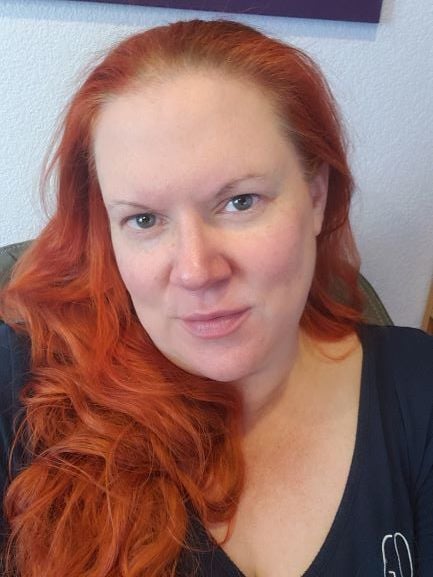
Elizabeth Wilkes, Colorado Springs

Elizabeth Wilkes is from Colorado Springs and a Pikes Peak Community College mathematics student. She expects to finish her associate’s degree this year and continue her education. Before pursuing her degree, Wilkes worked for Hewlett-Packard as a business analyst. In her application, Wilkes called out what she saw as unfair districting in the past, and vowed to work for more representative districts. “I have watched the local Republicans redraw districts that were about to turn blue so that they had no chance in the future. Gerrymandering does not help the people to feel that they have a voice. In this troubling time above all else, we need to have a voice that really represents the people.”
Republican commissioners

William J. Leone, Westminster

William J. Leone from Westminster, is a former U.S. attorney for Colorado and active in the law community. Of his work as U.S. attorney 2004-2006 he said, “I prosecuted individuals and corporations for white-collar crime, firearms violations, drug offenses, and health care fraud. I also represented the federal government in environmental and civil matters affecting federal lands and agencies.” He’s a member of the Chief Justices Commission on the Profession and Ad Hoc Committee for seeking increases to the U.S. judiciary in Colorado.
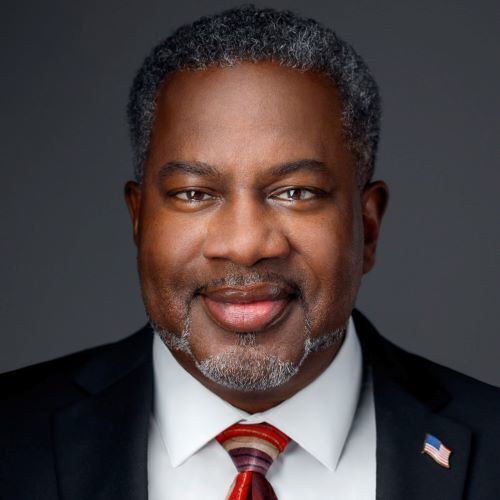
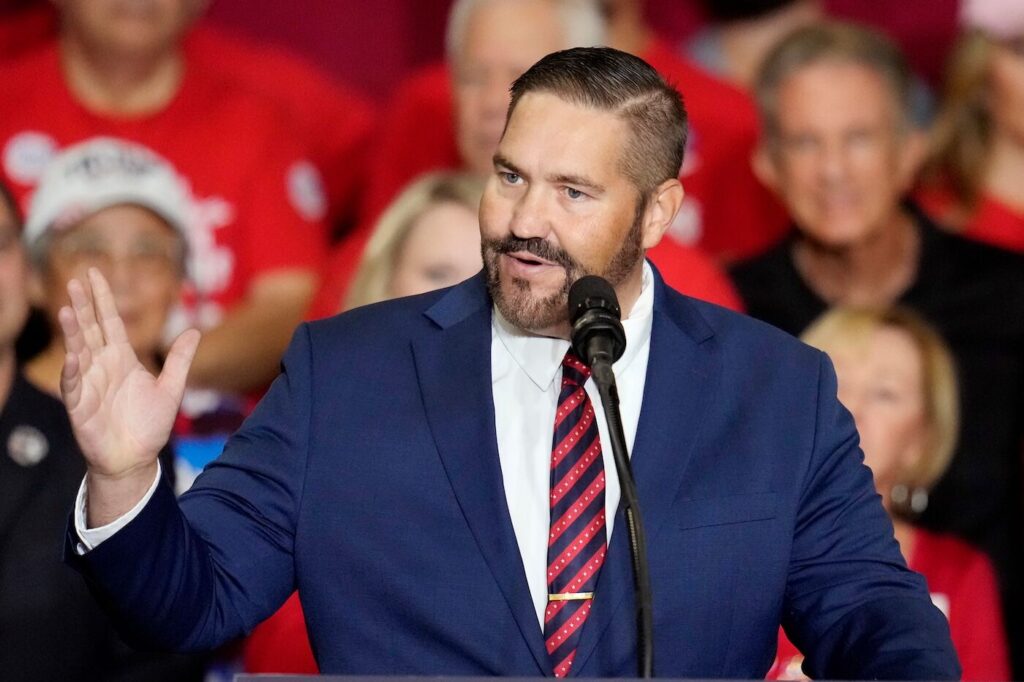
Danny DeWayne Moore, Centennial

Danny DeWayne Moore, from Centennial, is a small-business owner and 24-year U.S. Navy veteran. The rest of the commission elected him chairman. His consulting companies, DeNOVO Solutions and Thornberry Consulting, specialize in military and intelligence practices. Moore emphasized his military and management training. “I was the first black male to rise to the rank of Master Chief in my rating history. This means I have spent a lifetime developing skills to enable people to cooperate and work as a team to solve some of our Nation’s most difficult problems.”
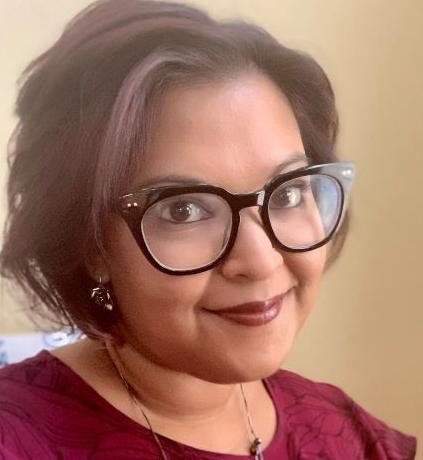
JulieMarie Shepherd Macklin, Aurora

JulieMarie Shepherd Macklin is an Aurora Republican and an academic director at the University of Colorado. She was previously a legislative staff member for the state House Republican Caucus. Shepherd Macklin credits her experience working in education administration as skills that would benefit the redistricting efforts. “I would consider myself to be fair and impartial and have held many roles that demanded this. Decisions I have made about policy, allocation of funds, etc. have had to be made with the utmost impartiality, focused on defined goals or desired outcomes.”
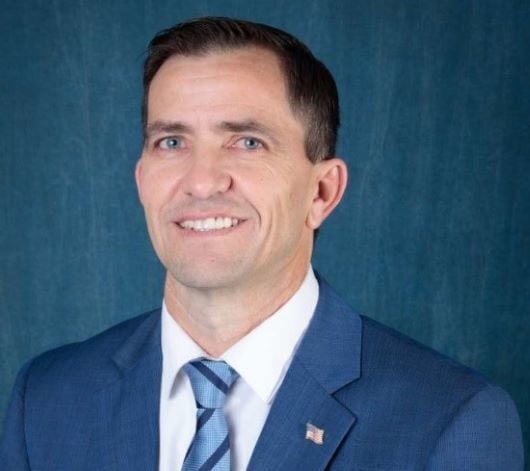
Jason Todd Kelly, Alamosa County

Jason Todd Kelly is the attorney for Alamosa County. While the rules about who can serve on the redistricting commission prohibit current or recently elected officials, appointed officials can serve. He wrote in his application that his role as county attorney has helped him develop an ability to represent a diverse set of individuals and groups, “regardless of politics.”
LEGISLATIVE REDISTRICTING
Unaffiliated commissioners
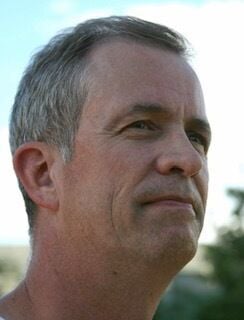
Kevin Fletcher, Golden

Kevin Fletcher is a Golden resident and retired accountant, with a master’s degree in accounting from the University of Illinois. He’s served on public boards, including city and county boards and committees, and his homeowners association. Fletcher said his experience as an auditor and certified public accountant demanded he be impartial, which he believes will help the redistricting efforts. Fletcher described himself as “politically inactive.”
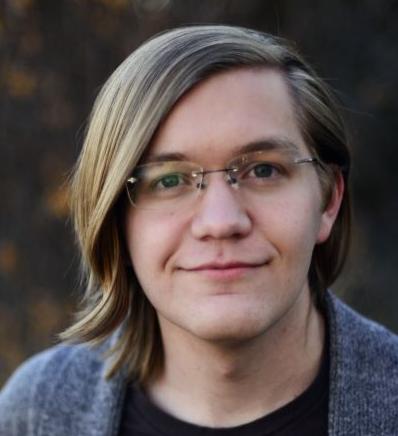
Samuel Greenidge, Longmont

Samuel Greenidge is a Longmont resident, mathematics instructor and the youngest commissioner on either of the commissions. Greenidge is studying mathematics at the University of Colorado, and expects to graduate this spring. Part of his studies have focused on the mathematics of redistricting.
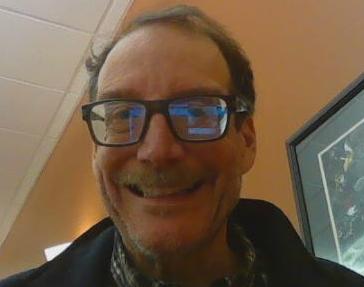
Carlos Humberto Perez

Carlos Humberto Perez is a Colorado Springs resident and software engineering consultant and developer. Perez listed serving as a member of the Colorado Springs 2020 Districting Process Advisory Committee and the Pikes Peak Rural Transportation Authority citizens advisory committee, and as outreach committee chairman for Bike Colorado Springs. “I see my role as a commissioner to objectively and impartially implement the new constitutional requirements for equitable and competitive election districts,” Perez wrote.
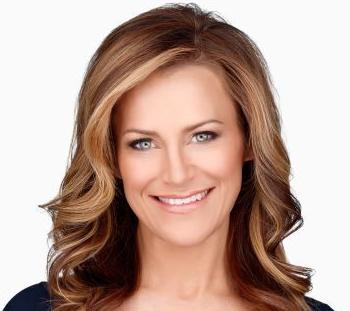
Amber McReynolds, Denver

Amber McReynolds is a Denver resident and CEO of the National Vote At Home Institute, a nonprofit that advocates for expanded options for voters. “My entire professional career has been centered around election administration and running large operational environments in high-stress and high-profile elections that required attention to detail, problem-solving, data analytics, and proactive development of solutions,” she wrote.
Democratic commissioners
Heather Barry, Westminster

Heather Barry of Westminster is director of business affairs at Denver International Airport. She recently served as a state transportation commissioner, and previously worked as a lobbyist for then-Denver Mayor John Hickenlooper. Barry said her time on the state transportation commission gave her experience with getting input from the public and reaching consensus.
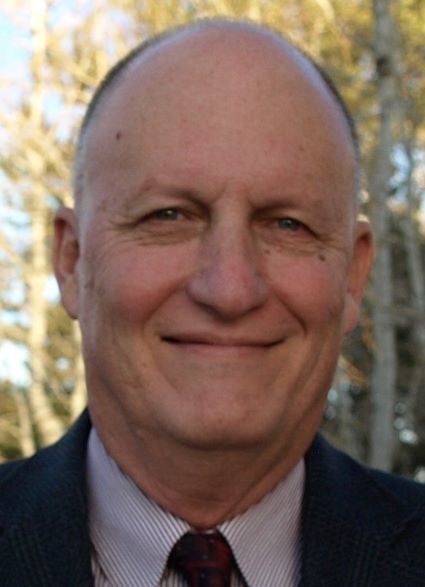

Gary Horvath is a Broomfield resident and semiretired business and economic researcher. Horvath has worked with state demography data and Census Bureau data, he wrote, which has helped him “understand the role it plays in the districting process.”

Blanca Uzeta O’Leary, Aspen

Blanca Uzeta O’Leary of Aspen is an attorney. She served on former Gov. Hickenlooper’s judicial performance commission and Gov. Polis’ judicial nominations commission. She has served on the boards of the Aspen Youth Center and the Aspen Valley Medical Foundation, and served on advisory committees for the Aspen School District. She serves on the advisory board of Aspen Words, formerly known as the Aspen Writers Foundation, and the board of Voces Unidas de las Montanas.

Robin Shepper, Steamboat Springs

Robin Schepper is a Steamboat Springs resident and a consultant working with Routt County on its COVID-19 response. She was a staffer in the Clinton and Obama administrations, and described being the child and grandchild of immigrants as giving her a sense of commitment to serve her community.
Republican commissioners
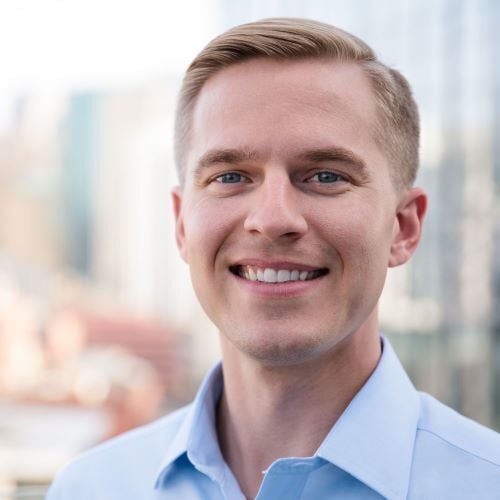
John Barnett, Denver

John Barnett is a Denver resident and senior manager at DaVita, a health care company that specializes in dialysis and diabetes treatment. Barnett said his work has focused on business data and analytics, which he described as a skill that would help the commission with its work.

John C. Buckley, III, Courtesy of Buckley Law

John Buckley is a Colorado Springs resident, an attorney with his own practice and former Air Force fighter pilot. Buckley was elected to his Harvard Law student government as a conservative on the theme “Agreeing to Disagree,” he wrote in his application, touting the ability to work with people he disagreed with, in order to accomplish a mission, something Buckley said he learned from his Air Force service.
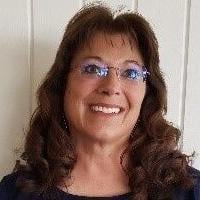
Constance Jean Hass, Trinidad

Constance Jean Hass is a Trinidad resident, Colorado Farm Bureau member and retired teacher. “I want to serve on this commission to guarantee Agriculture and rural Colorado continues to have a voice among our legislators,” she wrote. “Too often, rural Colorado has been told that their vote does not count, and this commission is the way to make sure those voices do matter.”
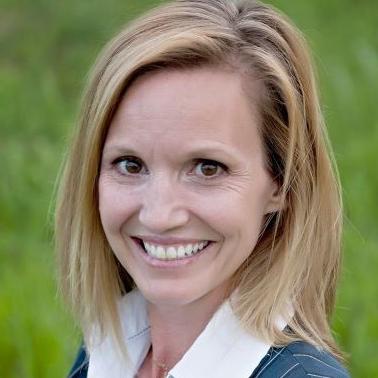
Aislinn Nicole Kottwitz, Windsor

Aislinn Nicole Kottwitz is a Windsor resident and former Fort Collins City Council member. She is the marketing coordinator for Northern Colorado Rehabilitation Hospital. “I am committed to being fair-minded, treating fellow commissioners with respect, building consensus, and producing excellent legislative maps for Colorado,” she wrote.

Top officials in Arizona’s Maricopa County agree on how to oversee elections | OUT WEST ROUNDUP
The Associated Press
the-associated-press@coloradopolitics.com
Updated 5 days ago
ARIZONA Officials agree on election oversight PHOENIX — Election officials in Arizona’s most populous county reached an agreement a week before the state’s July 21 primary on how to jointly oversee the vote, ending a prolonged legal battle. Republican Maricopa...

Colorado Politics Calendar Aug. 3-9
Rachael Wright, Special to Colorado Politics
rachael.wright@coloradopolitics.com
Updated 5 days ago
CoPo’s weekly political calendar will help you find political and public-policy events throughout Colorado. It includes candidate and issue campaign events, public policy meetings, court hearings, state and local party conventions, assemblies, debates, rallies, parades, speaking engagements, traveling dignitary appearances,...
The primary political reform and precondition for all others | SONDERMANN
Eric Sondermann
eric-sondermann@coloradopolitics.com
Updated 5 days ago
In its current state, the American political system has no end of ailments. Far too many factors accelerate polarization and work against moderation and narrowing the differences. Media, and the way so many citizens limit themselves to agreeable, reinforcing sources,...
Susemihl wins surprise victory to replace Steve Durham as Colorado Springs state senator | A LOOK BACK
Rachael Wright, Special to Colorado Politics
rachael.wright@coloradopolitics.com
Updated 5 days ago
Forty-five years ago this week: In a closed session, the vacancy committee for Colorado’s Senate District 12 selected attorney Peter Susemihl to complete Sen. Steve Durham’s, R-Colorado Springs, term. Durham resigned his seat to become Region 8 Director of the...

10th Circuit partially revives lawsuit over 2020 Denver protest injuries
Michael Karlik
michael.karlik@coloradopolitics.com
Updated 17 hours ago
The Colorado-based federal appeals court revived a man’s claims against Denver on Friday after concluding a trial judge resolved the case in the city’s favor without analyzing two of the three instances of alleged excessive force and other constitutional violations....
At conservative summit, Colorado Republican leaders concede Democrats’ election edge
Marissa Ventrelli
marissa.ventrelli@coloradopolitics.com
Updated 2 days ago
Four Republican state lawmakers told attendees at a gathering of conservative leaders on Friday they doubt their party can win statewide races, noting that Colorado’s electorate has been shifting toward Democrats but adding they see an opening in several pockets....

Federal judges find Colorado immigration judge violated several orders
Michael Karlik
michael.karlik@coloradopolitics.com
Updated 2 days ago
Multiple federal judges in Colorado have freed people from immigration custody after determining that one immigration judge violated their directives for properly conducting bond hearings. For nearly a year, Colorado’s U.S. District Court has faced a flood of habeas corpus petitions...
Q&A with Mike Pence | Former vice president says GOP’s populist turn from conservatism isn’t permanent
Ernest Luning
ernest.luning@coloradopolitics.com
Updated 2 days ago
Former Vice President Mike Pence says he’s concerned that the Republican Party has taken a populist turn away from bedrock conservative principles during President Donald Trump’s second term, but he believes the party will return to its roots when Trump...
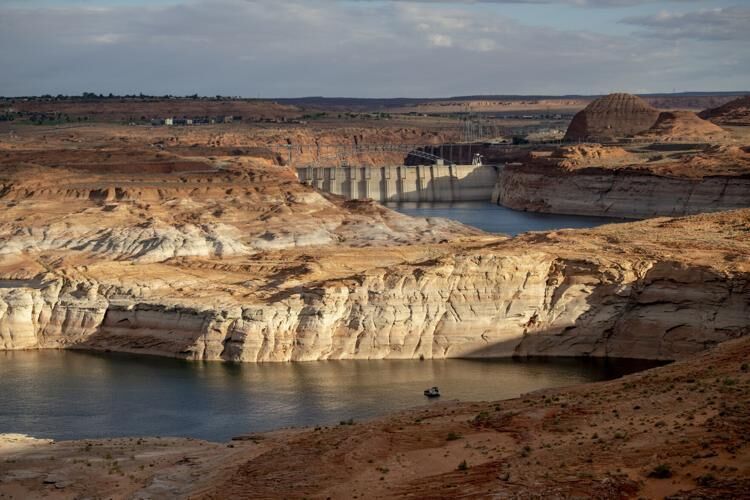
New federal plan sets short-term rules for Colorado River management
Marianne Goodland
marianne.goodland@coloradopolitics.com
Updated 3 days ago
Interior Department’s plan spares Colorado from mandatory cuts for now After years of stalled negotiations among the seven states that rely on the Colorado River, the federal government on Friday released its own plan for managing the drought-strained system. Calling...
Fauci’s diary details blooming outrage toward ‘far right,’ softness toward Biden and China
Hudson Crozier
hudson.crozier@washingtonexaminer.com
Updated 3 days ago
Dr. Anthony Fauci increasingly railed against “far right” critics of his approach to COVID-19 issues while describing strong support from the Biden White House in his pandemic-era diary, which was recently released by Congress. The former National Institute of Allergy...
PREV
PREVIOUS
Biden to prioritize infrastructure in first stage of economic recovery plan
President Biden will make infrastructure a key priority in his economic recovery plan, which he will announce on Wednesday in Pittsburgh. White House press secretary Jen Psaki lamented on Sunday that the United States is behind other countries when it comes to infrastructure investment and said the president is willing to hear Republicans’ ideas on […]

Tay Anderson addresses, strongly denies anonymous sexual assault allegations
Tay Anderson, an at-large director on the Denver Public Schools board, held a Sunday afternoon news conference to address another round of allegations, published in The Denver Post on Saturday, that he had a history of sexual misconduct. Anderson was joined at the conference, held at Brother Jeff’s Cultural Center in Five Points, by attorney Christopher […]