

As Denver emerges post-pandemic, will shared streets stay?
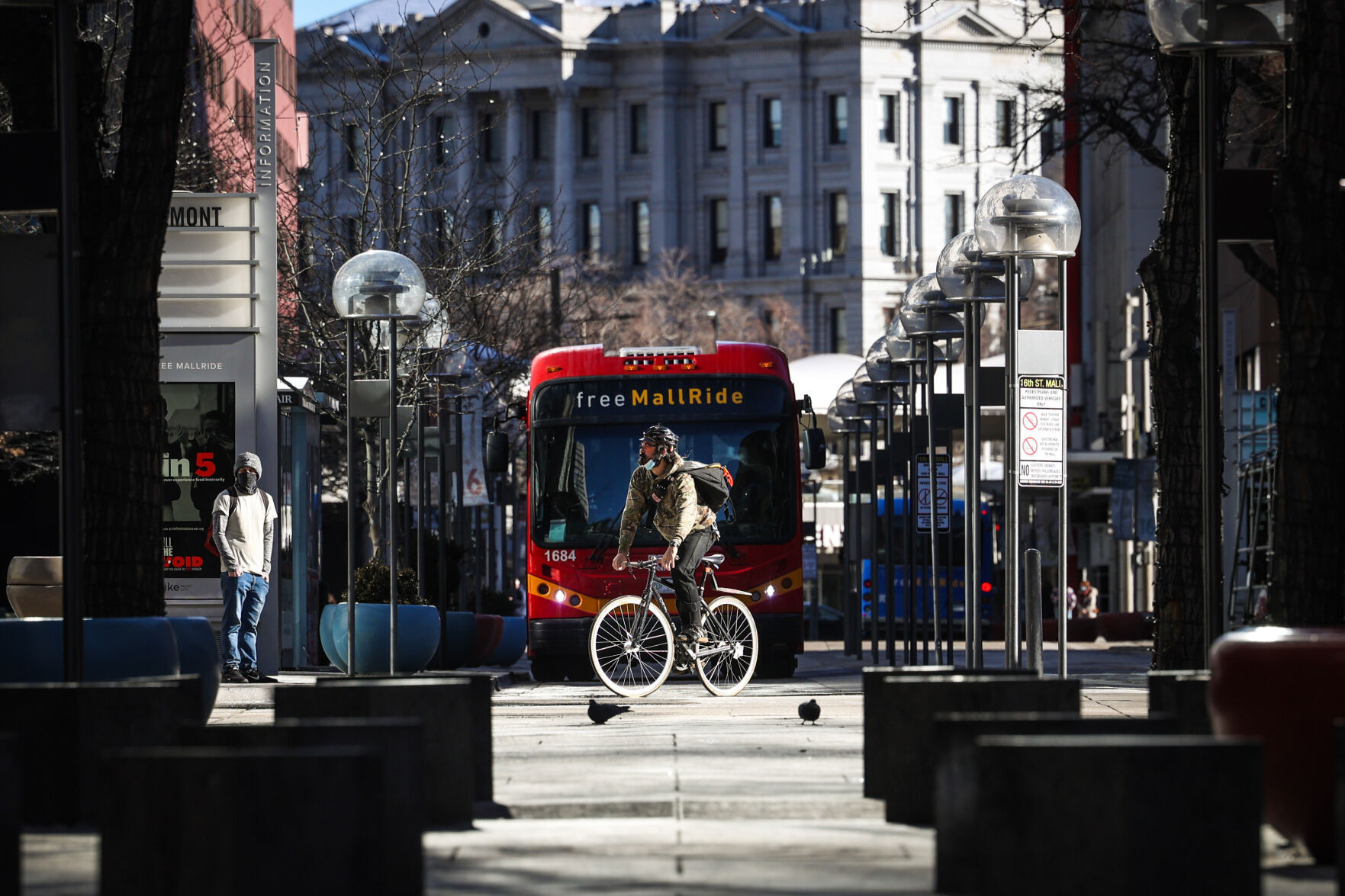
With one in five Colorado adults having received a COVID-19 vaccination to date and the White House predicting enough vaccine doses for the adult population by May, mobility advocates in Denver are cautiously hoping the city will make permanent some of its infrastructure changes beyond the end of the pandemic.
“We certainly would like to see the shared streets – which are the streets in residential and commercial areas where they’ve restricted traffic – as well as the open streets – which are the streets in the parks where they’ve completely prevented vehicles from coming in altogether. We think there’s overwhelming community support for those,” said Jill Locantore, executive director of the Denver Streets Partnership.
Beginning in April 2020, the city’s Department of Transportation and Infrastructure closed several roads to through traffic to provide extra space for people to walk and bike while also maintaining distance. But in some areas, DOTI will upgrade the temporary shared streets with permanent infrastructure changes: On East 11th Avenue near Cheesman Park, for example, those include curb extensions, traffic circles and water-filled barricades to slow vehicle traffic.
“DOTI will once again assess its shared street initiative as spring approaches and in coordination with the latest developments in Denver’s battle with COVID-19,” said Heather Burke, the public information officer for DOTI.
A survey the Denver Streets Partnership conducted last year found that nearly nine in 10 of the 733 respondents wanted the shared streets to persist after the pandemic. More than two-thirds of the survey takers lived on or near a shared street. Burke said DOTI does not have a record of vehicle counts on the shared streets since the modifications took effect.
Petra Hurtado, research director at the American Planning Association, said that other countries have been more opportunistic in using the pandemic as a pretext to make lasting improvements in their infrastructure. Bogotá, Colombia, installed 47 miles of temporary bike lanes, and data from the mobility department showed an 80% increase in trips. The city also reduced speed limits and expanded bike parking in an attempt to lower capacity on buses.
“I think the longer this entire phase that we are in right now, the more we can expect some of the changes we’ve been seeing in cities will stay,” Hurtado said. “If we had a vaccine available last summer, my guess is a lot of stuff would have gone back to how it used to be.”
She added that if high rates of teleworking persist, there will be a greater demand in residential neighborhoods for the kinds of services and businesses that are plentiful in commercial districts. Estimates from the Bureau of Labor Statistics showed that one in four Americans worked remotely last August, although it was a decrease from the one in three who teleworked in May.
The data showed, however, that Hispanics and people without college degrees were much less likely to work from home. Such disparity could be a warning against tailoring too much infrastructure to the needs of teleworkers at the expense of front-line employees.
“If we focus too much on teleworkers, my biggest concern is that the unintended consequence is we won’t be serving communities still going to work and are really the ones keeping us fed – working at grocery stores, working in retail,” said Deyanira Zavala, executive director of Mile High Connects, a group that advocates for housing and mobility.
She said that free public transportation, which “folks thought was radical,” had an impromptu pilot demonstration when the Regional Transportation District stopped collecting fares in April so that riders would not have to pass by drivers in the front of buses. One consequence, however, was that the “homeless[ness] on the trains is out of control,” an operator told CBS4 in June.
RTD has received more than $400 million in federal coronavirus aid since last year, but the agency has noted a limited ability to increase service because of capacity limits pursuant to public health guidance and operator availability.
“Things will likely be different in the future when social distancing is not as much of a concern and with new post-pandemic commuting patterns,” said Christine L. Jaquez, an RTD spokesperson. “Our team will plan schedules based on ridership and new or loosened restrictions and will need to evaluate commuting trends as we come out of the pandemic. We will also look at restoring suspended services as budgets and ridership demands warrant.”
DOTI has collected traffic data from west and central Denver, comparing vehicle counts in fall 2020 to fall 2019. Evening rush hour traffic was close to what it had been the year prior, while morning rush hour traffic was between 78% and 92% of its normal volume.
Overall, daily traffic reached up to 92% of 2019 levels depending on the location measured.
“What we have seen during the COVID-19 pandemic is that traffic volumes are more level throughout the day, rather than heavily concentrated in the morning and evening peak travel hours,” said Nancy Kuhn, a spokesperson for DOTI.
The Freedom to Drive Coalition, a group that advocates for the needs of vehicle drivers, said in a statement that shared streets can be beneficial in some nonarterial segments, but are not suited for main thoroughfares.
“Coming out of the pandemic, we need to meet Denverites where they are, not shove them where the government wants them to be. That means helping people get in and out of the city in a safe and timely manner, providing adequate parking, and letting people work, play and revitalize downtown,” cautioned Kelly Sloan, the coalition’s executive director. (Sloan is also an opinion contributor for Colorado Politics.)
While transportation commitments post-pandemic are not ironclad, DOTI still intends to continue the installation of bicycle lanes in Denver, a target of 125 miles through 2023. A new licensing scheme for scooters will replace the current permit system as well. The temporary outdoor dining program, which expanded restaurant seating onto sidewalks and streets, will last through October.
That is not, by comparison, in the same vein as the mayor of Paris’ plan to remove 72% of on-street parking in her city to create room for biking. The limited tweaks to Denver’s mobility systems has frustrated some advocates.
“There’s not a lot that the city has publicly committed to in terms of thinking differently post-pandemic,” Locantore said.
Hurtado, of the American Planning Association, was not surprised how cities in the United States adapted incrementally, explaining that many of the infrastructure improvements occurred by emergency directive, and not the typical planning process.
“Agile adjustments are almost impossible with current planning procedures,” she wrote in February. “COVID-19 has forced everyone to learn as we go, but some industries and individual entities were able to react and adjust better than others. We now know that agility and the ability to quickly adapt or change directions when disruption happens is key to surviving and thriving.”

Supreme Court upholds birthright citizenship, rejecting Trump’s proposed limits
The Associated Press
the-associated-press@coloradopolitics.com
Updated 21 minutes ago
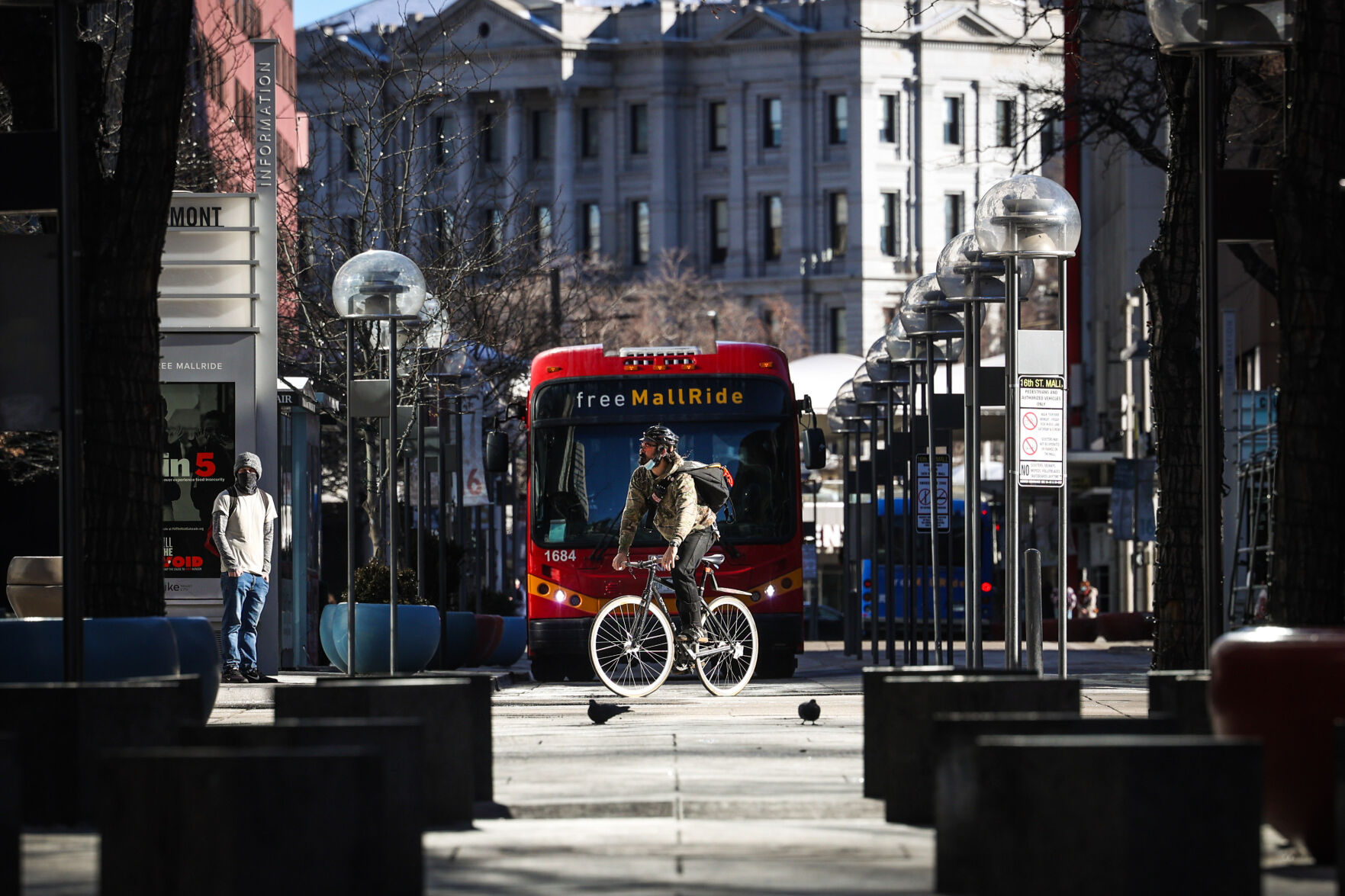
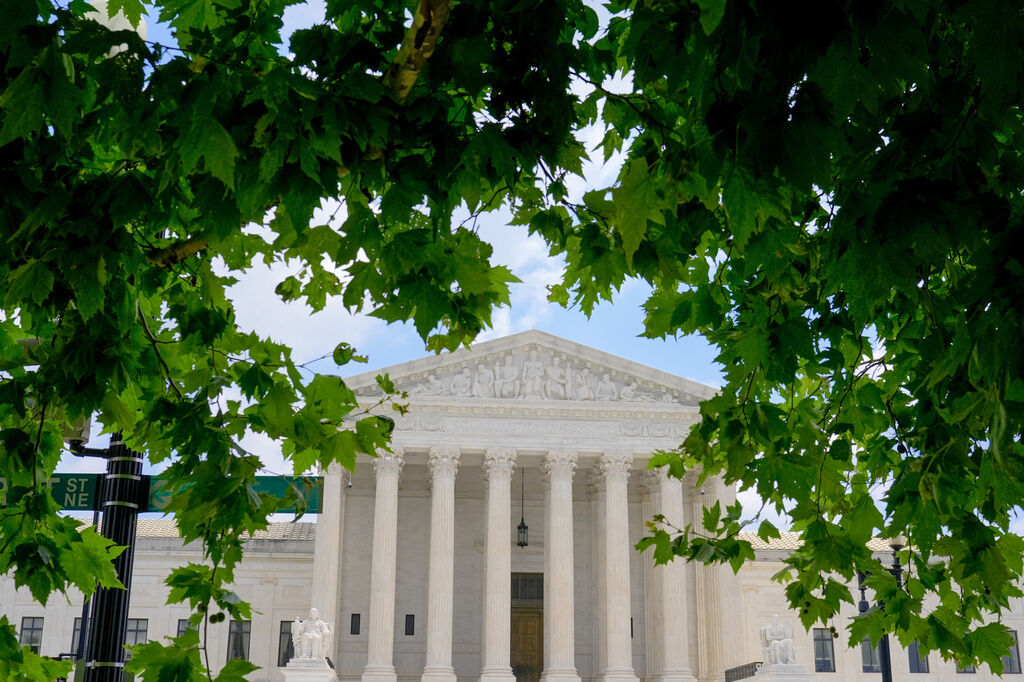
WASHINGTON • A divided Supreme Court on Tuesday upheld a broad conception of birthright citizenship, rejecting President Donald Trump’s executive order declaring that children born to people who are in the United States illegally or temporarily are not American citizens....
U.S. Supreme Court upholds state laws banning transgender girls and women from school athletic teams
The Associated Press
the-associated-press@coloradopolitics.com
Updated 1 hour ago
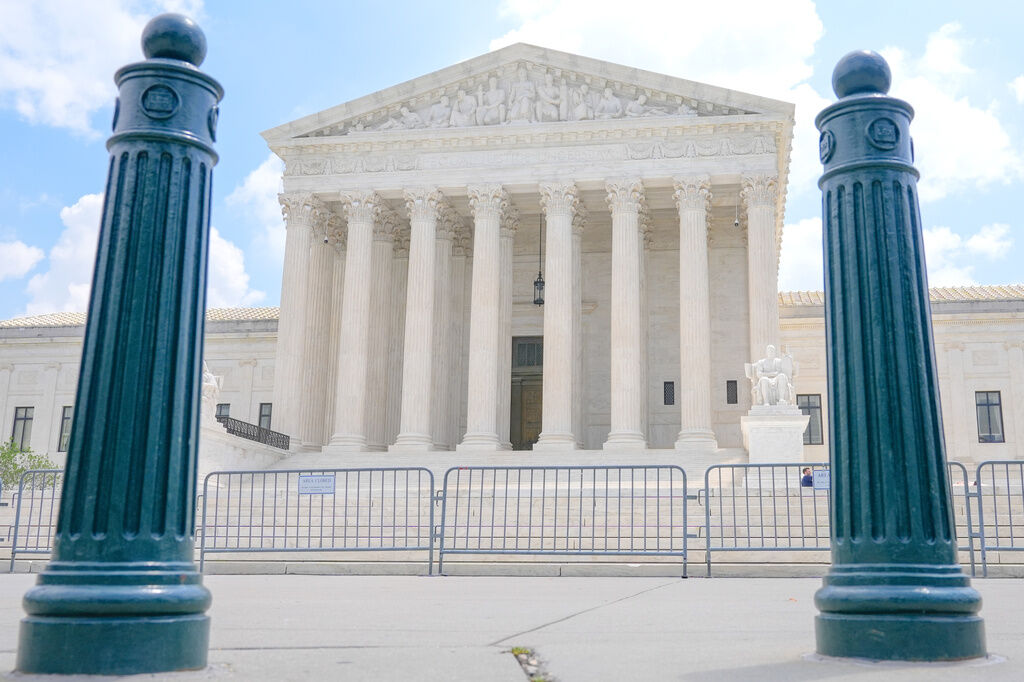
WASHINGTON • The U.S. Supreme Court on Tuesday upheld state laws barring transgender girls and women from playing on school athletic teams. The court’s conservative majority ruled that state bans in Idaho and West Virginia don’t violate the U.S. Constitution...

Colorado voters head to the polls today — check here for regular updates
Colorado Politics
colorado-politics@coloradopolitics.com
Updated 5 hours ago
Colorado voters head to the polls today to pick primary winners that will vie for statewide offices in November, the result of which would determine the direction of the state in the coming years. At stake are the parties’ nominees...
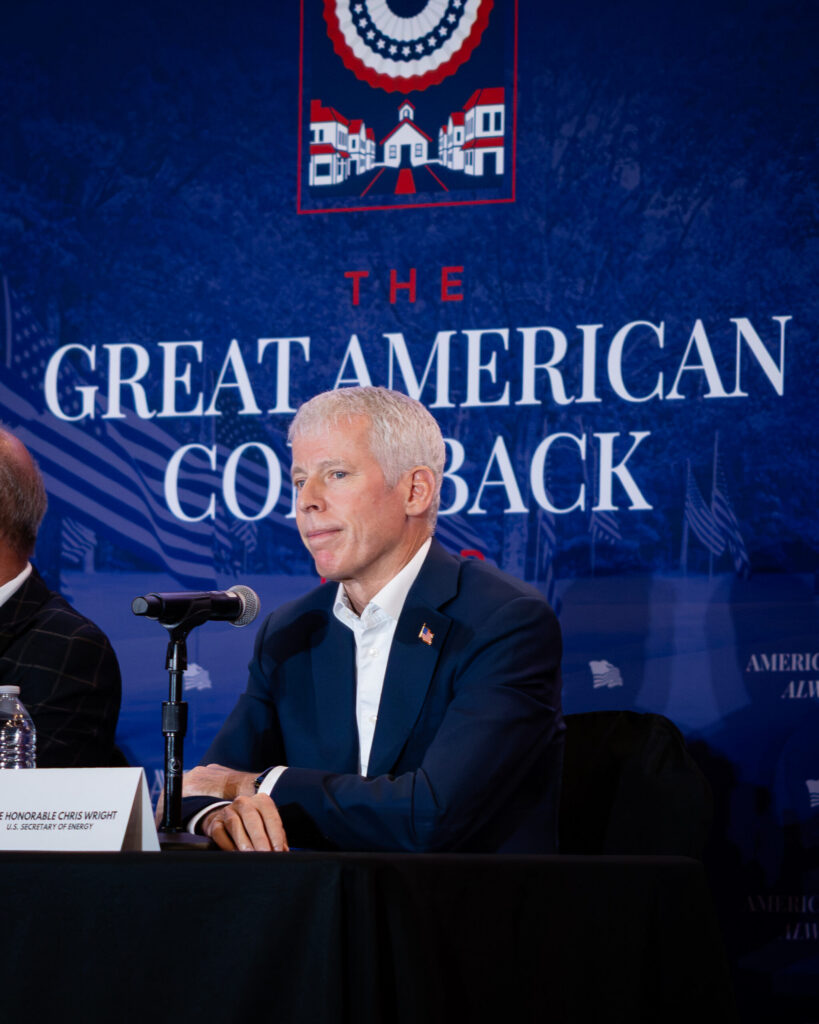
Energy secretary says U.S. must grow capacity, lower price during Colorado visit
Mark Samuelson Special to The Denver Gazette
mark.samuelson@denvergazette.com
Updated 2 hours ago
As a heatwave in the U.S. and Europe punctuated widespread calls for recommitments to solar and other “renewable” sources, U.S. Secretary of Energy Chris Wright doubled down on America’s current policy, telling a Thornton crowd on Monday that energy goals...
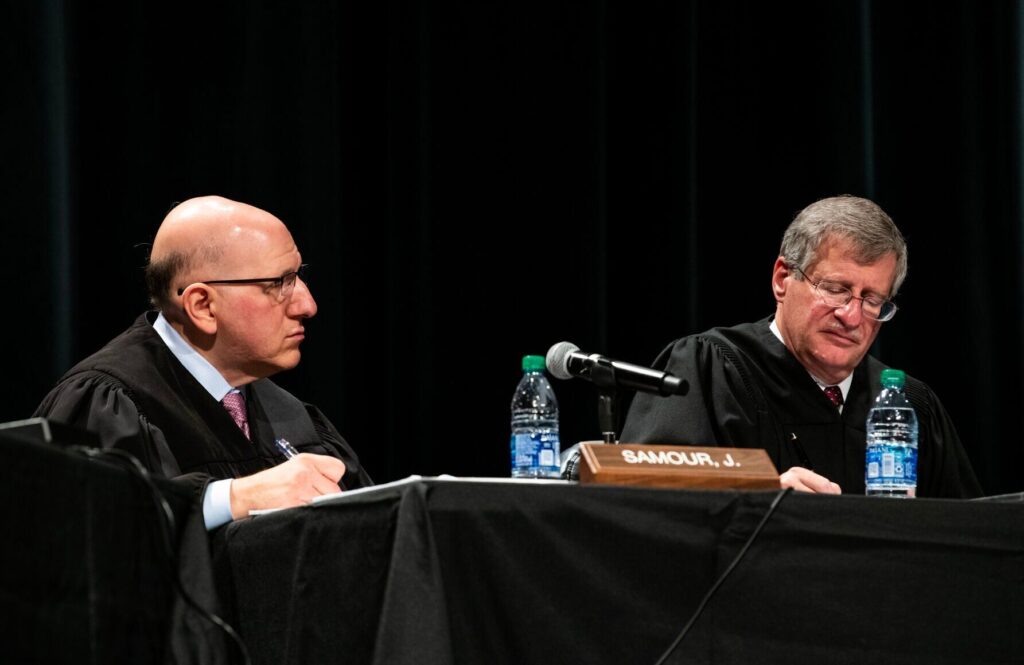
Colorado Supreme Court upholds child abuse convictions despite faulty jury instruction
Michael Karlik
michael.karlik@coloradopolitics.com
Updated 19 hours ago
The Colorado Supreme Court decided on Monday that a San Miguel County jury properly convicted a defendant of child abuse resulting in death, even though the instructions potentially allowed jurors to avoid finding that the child abuse resulted in death....

Gov. Polis asks residents not to use fireworks as wildfires burn
Rachael Wright, Special to Colorado Politics
rachael.wright@coloradopolitics.com
Updated 18 hours ago
While Gov. Jared Polis said he will not issue a statewide fire ban, Colorado’s top political leader urged residents against using fireworks as the country heads into the July 4 weekend. “We are encouraging the people of Colorado to exercise...

Trump says communism greater threat than WWI, WWII, 9/11, and Pearl Harbor
Naomi Lim
naomi-lim@coloradopolitics.com
Updated 20 hours ago
President Donald Trump compared the rise of socialism to the Sept. 11 terrorist attacks. Trump was asked about the possible rise of more socialist candidates after three candidates New York City Mayor Zohran Mamdani endorsed last week won their Democratic...

GOP doubles down on SAVE America Act after Supreme Court allows mail ballots to be counted late
Lauren Green
lauren-green@coloradopolitics.com
Updated 20 hours ago
Congressional Republicans continue to push the voter identification bill — that has left Washington in grid lock for months — after the Supreme Court ruled states can count mail-in ballots that arrive after Election Day. The 5-4 decision rejected a...

US and Iran to cease strikes and discuss Strait of Hormuz this week: Report
Carter Schroppe
carter.schroppe@washingtonexaminer.com
Updated 22 hours ago
Officials from the United States and Iran will meet in Qatar this week to discuss the Strait of Hormuz after agreeing to “halt strikes” following a weekend of intermittent fighting between the two countries. The meeting, scheduled for Tuesday in...
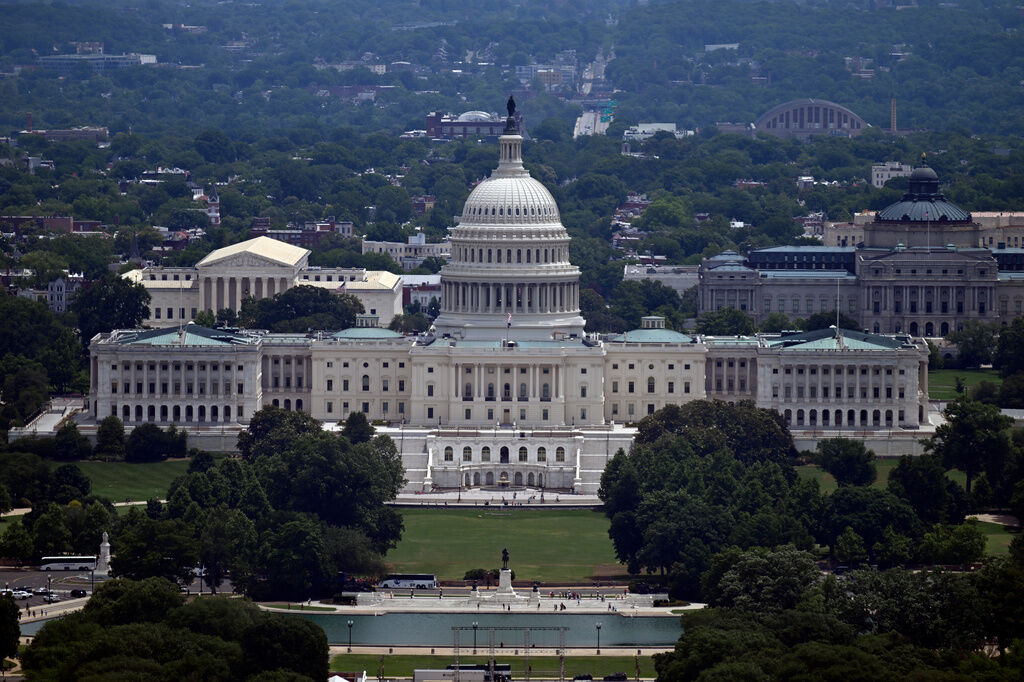
Congress is struggling to get its work done and a new report argues for 21st-century upgrades
Kevin R. Kosar
kevin-r-kosar@coloradopolitics.com
Updated 22 hours ago
The news coming from Capitol Hill over the past couple of weeks has left much to be desired. Congress has had difficulty discharging its lawmaking duties. The Senate’s appropriations committee is at loggerheads over how much spending to authorize. The...
PREV
PREVIOUS

State leaders encourage Coloradans to stay home this weekend during winter storm
As the latest forecasts continue to intensify and project that parts of the Denver metro will receive up to 2 feet of snow over the weekend, Gov. Jared Polis and other state officials are encouraging Coloradans to stay home and stay safe this weekend. Throughout Colorado’s urban corridor that extends from the Wyoming state line […]
Polis proclamation on MeatOut Day has been a boon for beef
Updated: with a statement from the governor. Gov. Jared Polis’ proclamation to declare “MeatOut” Day may have done more for the cattle and beef markets than he intended. March 20 is also now being referred to as Meat Producers Appreciation Day, or some variation of that, in at least 25 counties, including nine of the top […]