

Hancock unveils Denver’s three-pronged vaccine distribution plan
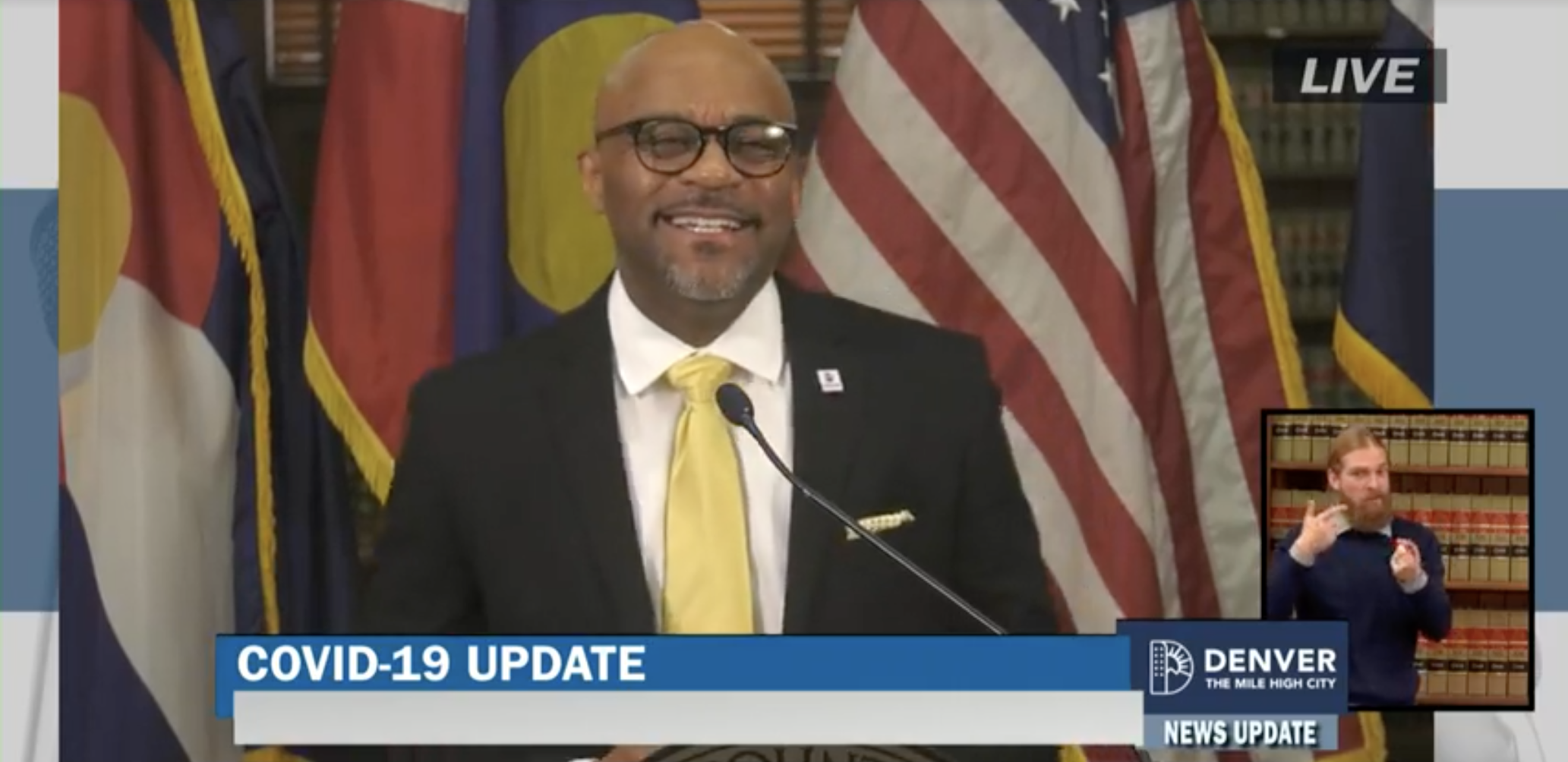
Denver will deploy a three-pronged vaccine distribution approach with city leaders stressing the importance of equity.
Vaccine equity has long been a stated priority for Mayor Michael Hancock, who said at a press conference Thursday that Denver would be establishing permanent vaccine clinics in underserved areas. Data analyzed by the Gazette last week, along with more stats described by city officials, indicated that white, 70-and-older residents had received more than their proportionate share of vaccines. The Gazette’s data indicated those white residents were more than two and a half times as likely as their Hispanic peers to have been vaccinated.
The three-pronged approach will include not only the permanent vaccine sites, but partnerships with community health providers and the deployment of mobile vaccine teams to further reach underserved populations. Hancock stressed it wasn’t a priority list – Denver is still beholden to state rules on that front – but a deployment strategy.
Some fixed sites have already been identified, most of which will open March 7. They are:
- Montbello Rec Center
- Swansea/Project Angel Heart
- Barnum Rec Center
- MLK Rec Center
- Bear Valley Library
- Montbello High School
Concerns about equity and state distribution have prompted Hancock to twice ask the White House to give Denver and other major cities their own vaccine shipments, rather than funneling doses through the state. He had previously asked the state to let Denver vaccinate those experiencing homelessness, ahead of their established place in the queue. That request that was rejected by Gov. Jared Polis.
That rejection was followed by Hancock writing the federal government’s COVID czar to reiterate his request for direct shipments.
Hancock said he had been contacted by the White House and was planning on talking with officials there.
Though Hancock seeks latitude on vaccines, he and Denver are still beholden to state COVID restrictions. Denver came tantalizingly close to moving into the second-loosest level of restrictions; it had to maintain its COVID cases at a certain level for a week. The city made it six days before faltering.
That means, for now, that restrictions remain on capacity on most publicly facing businesses. It also means that indoor sporting events are still closed, said Bob McDonald, the head of Denver’s Department of Public Health and Environment.
Denver has filed a handful of variances, he said, which are state-approved requests to loosen certain restrictions in certain places. One was made by Visit Denver, which wants to open up the convention center. Red Rocks and other venues have also both filed requests for looser restrictions.
Still, despite Denver’s narrow miss, Hancock remained upbeat about the county’s prospects. He predicted it would be in level blue shortly and that “we could be in for additional capacity for local businesses very soon.”

10th Circuit orders new unlawful arrest trial against Colorado Springs officers
Michael Karlik
michael.karlik@coloradopolitics.com
Updated 8 hours ago
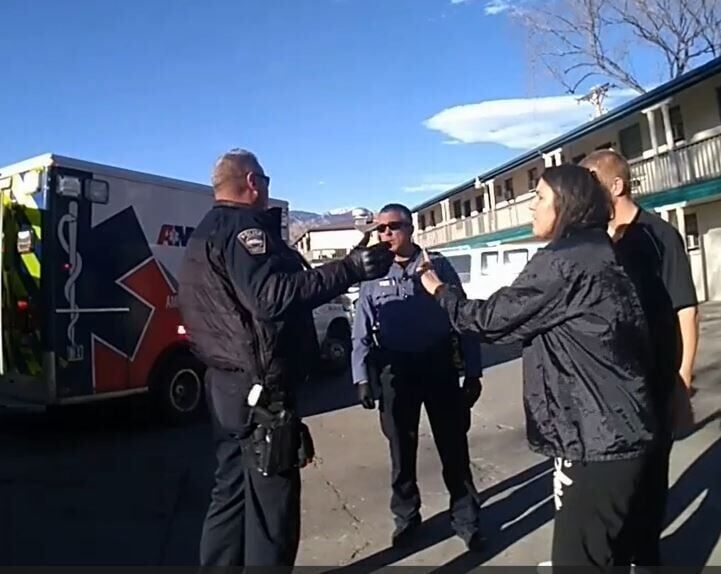
The Denver-based federal appeals court concluded on Friday that a trial judge inappropriately allowed jurors to see several unflattering video clips of a plaintiff being belligerent toward police officers during a trial to determine whether police violated her constitutional rights....

Colorado redistricting limits measure heads to November ballot
Marissa Ventrelli
marissa.ventrelli@coloradopolitics.com
Updated 12 hours ago
A proposed constitutional amendment that would prohibit Colorado’s congressional maps from being redrawn outside of election cycles has qualified for the November ballot, according to the Secretary of State’s Office. Under Initiative No. 256, redistricting changes for the 2028 election...
Polis announces ‘Governor for a Day’ contest for Colorado students
Marissa Ventrelli
marissa.ventrelli@coloradopolitics.com
Updated 14 hours ago
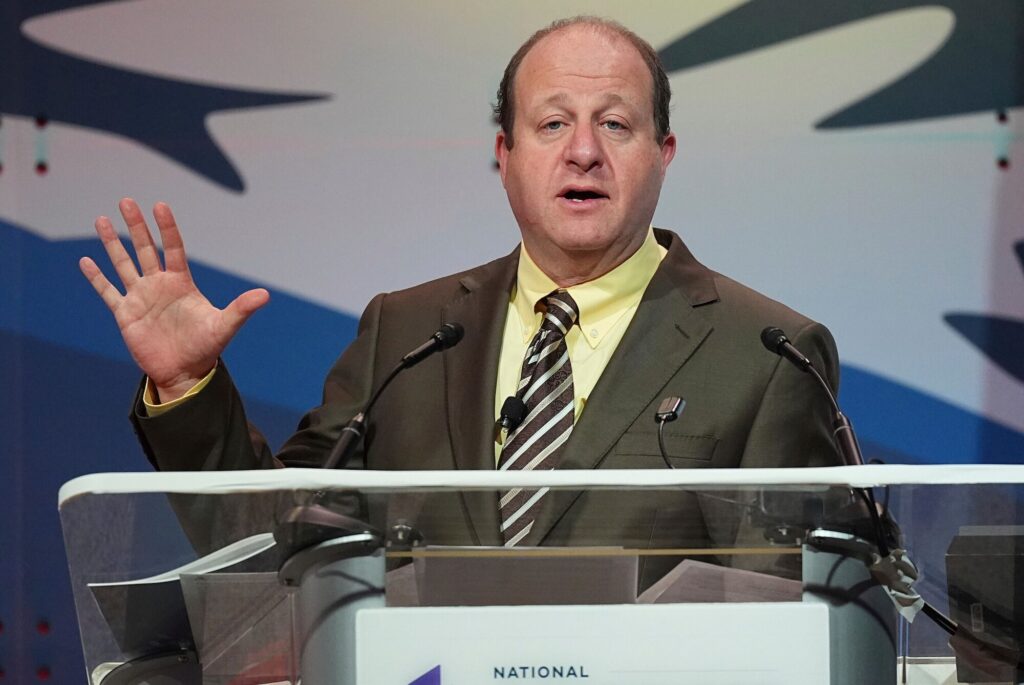
Colorado seventh and eighth graders have the chance to experience a day in the life of the governor through a new contest launched by Gov. Jared Polis. The “Governor for a Day” competition will give one student the chance to...
Federal judge to await SCOTUS decision before addressing Boulder County firearm ordinances
Michael Karlik
michael.karlik@coloradopolitics.com
Updated 7 hours ago
A federal judge agreed on Friday that she would await the U.S. Supreme Court’s decision in an upcoming Second Amendment case before she addresses the constitutionality of similar gun ordinances in multiple Boulder County jurisdictions. Rocky Mountain Gun Owners, the...

Colorado state House Democratic candidate arrested in Texas for public intoxication
Marianne Goodland
marianne.goodland@coloradopolitics.com
Updated 12 hours ago
A Democrat from Lone Tree who is running for a House seat was arrested in Texas in May on charges of public intoxication and resisting arrest. Christian Schilder, the Democrat, is challenging Rep. Brandi Bradley, the Republican incumbent, in the...
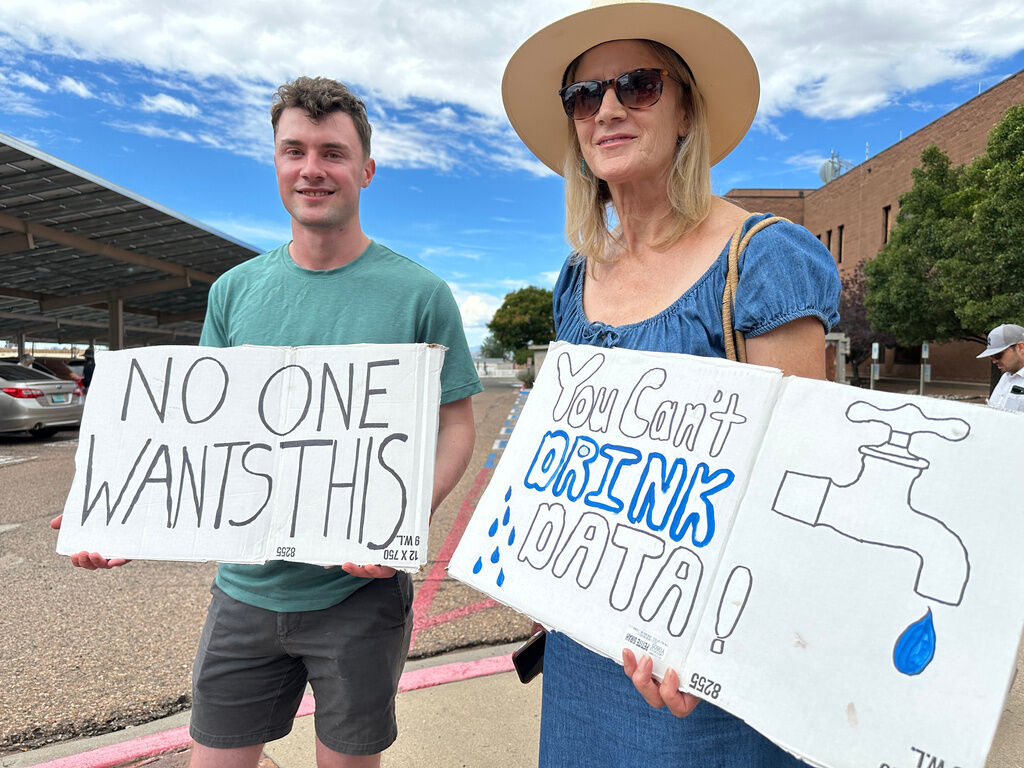
Trump says communities that don’t build data centers will be ‘backwards and poor’
Christian Datoc
christian-datoc@coloradopolitics.com
Updated 13 hours ago
President Donald Trump criticized the rising wave of anti-data center sentiment, clashing with his administration’s aggressive efforts to build out the domestic artificial intelligence sector. Trump has placed a concerted focus on making the U.S. the global leader in AI,...

What happens when robotaxis meet motorcades in DC? The mother of all traffic jams, says AI expert
Rob Crilly
rob.crilly@washingtonexaminer.com
Updated 11 hours ago
Waymo has Washington, D.C. on its list of targets for self-driving taxis. Just two problems: Can they cope with motorcades? And how would lawmakers feel if every time the vehicles grind to a halt in front of the flashing lights...
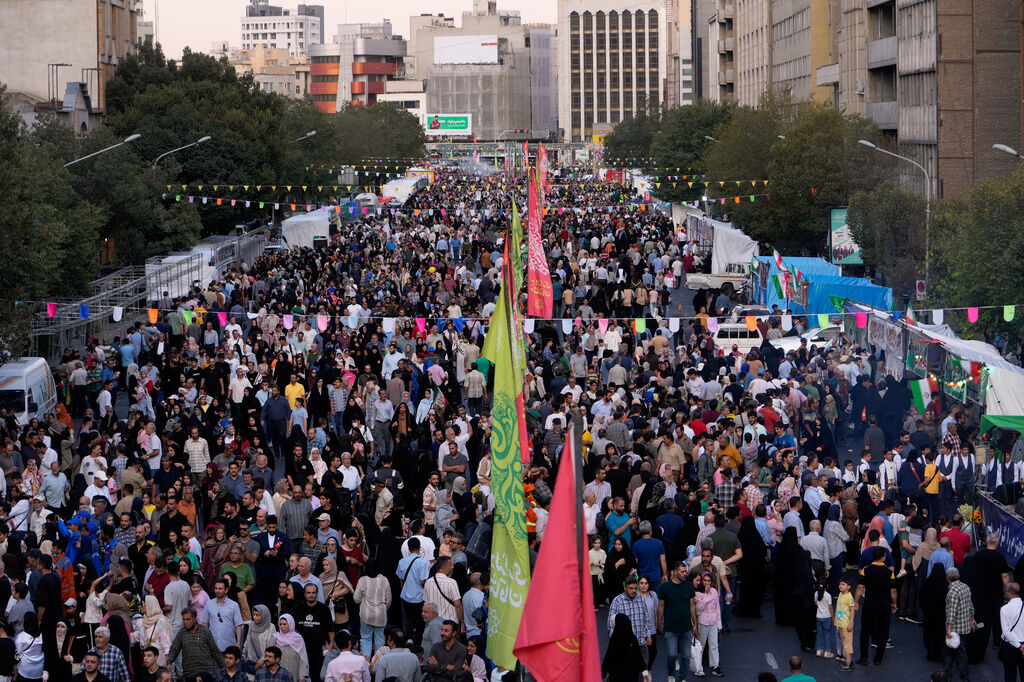
Trump promises retaliation for Iran attacks: ‘We’re going to hit them hard’
Rena Rowe
rena.rowe@washingtonexaminer.com
Updated 15 hours ago
President Donald Trump on Monday vowed to retaliate against Iran following the latest attack on a U.S. base in Jordan, marking a return to military action after weeks of relative calm. “We’re going to hit them hard. There will be...

State Supreme Court names next chief justice, 10th Circuit releases full-court decision | COURT CRAWL
Michael Karlik
michael.karlik@coloradopolitics.com
Updated 16 hours ago
Welcome to Court Crawl, Colorado Politics’ roundup of news from the third branch of government. The Colorado Supreme Court has named its next chief justice, and the Denver-based federal appeals court released a decision that overwhelmingly rejected one of its...
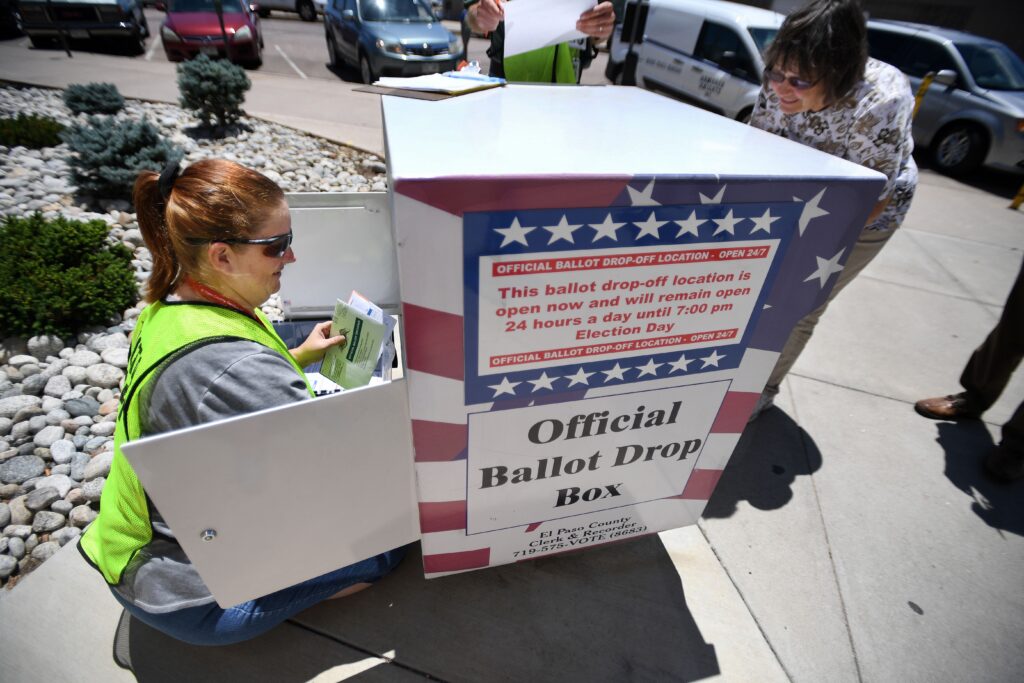
Initiative asks Colorado voters to approve 8th-grade reading standard for ballot measures
Marissa Ventrelli
marissa.ventrelli@coloradopolitics.com
Updated 12 hours ago
A ballot initiative that would require all ballot measures to be written at no higher than an eighth-grade reading level has qualified for the November ballot, according to the Colorado Secretary of State’s Office. The measure, backed by the group...
PREV
PREVIOUS

Survey: 86% of Americans afraid of, unsure about self-driving cars
The widespread anxiety surrounding self-driving cars is proving hard to shake, according to results from AAA’s newest annual survey released Thursday. The national survey found that 54% of Americans are afraid to ride in a self-driving vehicle and 32% are unsure about it. These results are roughly the same as last year, showing a lack […]

Arvada police officer conducted unconstitutional seizure when impounding vehicle, court rules
Police in Colorado do not have the automatic power to impound a vehicle when the driver is arrested and no one else is around to take possession of it, the Court of Appeals ruled on Thursday. In reaching this decision, a three-judge panel found that an Arvada police officer who arrested a man six blocks […]