

Colorado to receive $181 million to support COVID testing

Colorado will receive $181 million from the federal government to support its statewide testing program, Gov. Jared Polis and the state’s two senators announced Tuesday morning.
The money will come from the Federal Emergency Management Agency’s public assistance program to help the state’s “free, quick and easy COVID-19 testing sites,” according to a public statement from Polis and Sens. Michael Bennet and John Hickenlooper.
Per that announcement, the money had been earmarked for Colorado but had been delayed. Hickenlooper stepped in to help unlock it faster.
“This is much-needed relief for our state so I am thrilled Senator Hickenlooper has hit the ground running in Washington and I look forward to working with him, Senator Bennet, and our federal delegation to ensure we are delivering results, are getting federal resources to Colorado, and are building back stronger than before the pandemic,” Polis said.
CDPHE partners with Connect for Health Colorado’s COVID-19 call center
“We have embarked on one of the largest public health surveillance efforts in our state’s history,” Bennet said. “This funding will help Governor Polis and our local public health agencies meet the testing needs of Coloradans as we continue to combat this virus and reopen our economy. I’ll continue working closely with Senator Hickenlooper in the Senate to help Colorado recover from this pandemic.”
Colorado has dozens of sites across the state that provide free testing for residents.
Long-term care facilities express concern over ‘vaccine hesitancy’ among staff
As of Monday afternoon, the state has collected more than 5 million samples since the pandemic began. The number of tests administered weekly has steady declined in recent weeks as the overall case load has dropped.
In Denver, for instance, testing is significantly down compared to the end of December, even more so vs. testing during the peak of the fall surge in mid-November.
Lisa Miller, the interim associate dean for public health practice at the Colorado School of Public Health, said there wasn’t “good scientific data” about what drives people to get tested.
She said that generally, there are two types of people who get tested.
The first is people who are symptomatic or who have been in contact with someone who’s sick. The number of people testing from that group would necessarily rise when there’s more disease present in a community or in the state — like during the fall surge — and would then fall as peaks level off or peak, as is the case now.
Hancock, 35 other mayors ask Biden administration to give vaccines directly to cities
The other group, Miller continued, are those that get tested out of precautions. Maybe they traveled or were present in a large group or gathering.
“The whole holiday situation drove testing,” she said. “People were seeking testing because they were going to travel, they were seeking testing after the traveled or after they were in groups.”
Other theories about what drives testing are public health messaging and media attention to the rise of casing.
Despite the recent fall in cases, Polis and public health officials have still urged Coloradans to get tested when needed and to wear masks, to socially distance and to wash your hands.

Federal judge hears arguments about Colorado’s 3-day gun purchase waiting period
Michael Karlik
michael.karlik@coloradopolitics.com
Updated 2 hours ago
A federal judge heard arguments on Monday about the constitutionality of a 2023 Colorado law that generally imposes a three-day waiting period on firearm purchases after the initiation of a background check. The test that the U.S. Supreme Court created...
U.S. Supreme Court clears way for Trump mail voting order in advance of midterms
Wire Services
wire-services@coloradopolitics.com
Updated 4 hours ago
WASHINGTON • The U.S. Supreme Court on Monday cleared the way for President Donald Trump to move ahead with an executive order that seeks to restrict the mailing of ballots to American citizens in an eligible voters list. The executive...
Colorado Supreme Court intervenes in Weld County prosecution dismissed due to Missy Woods misconduct
Michael Karlik
michael.karlik@coloradopolitics.com
Updated 3 hours ago
The Colorado Supreme Court ordered a Weld County trial judge last week to respond to the district attorney’s claim that he improperly dismissed a criminal case because of “outrageous” conduct by the Colorado Bureau of Investigation. Daniel Lee Eatinger stood...

Trump opens ‘economic D-Day’ offensive against Iran as war nears six-month mark
Christian Datoc
christian-datoc@coloradopolitics.com
Updated 8 hours ago
President Donald Trump is seeking to increase the financial pressure on Iran with new secondary sanctions on nations and foreign actors propping up the regime’s economy as the war between the United States and Tehran nears the six-month mark. Treasury...
Trump announces 50% tariffs on Canadian cars, auto parts, and steel
Naomi Lim
naomi-lim@coloradopolitics.com
Updated 8 hours ago
President Donald Trump escalated the trade war with Canada after talks collapsed last week, announcing Monday that the United States would impose 50% tariffs on cars, trucks, automotive components, and steel starting Jan. 1, 2027. “Canada has been ripping off...

Iran puts out propaganda video tracking Barron Trump’s location, offering $10 million for his assassination
Timothy Nerozzi
timothy-nerozzi@coloradopolitics.com
Updated 10 hours ago
The Islamic Revolutionary Guard Corps is putting a hit out on President Donald Trump’s son, Barron Trump, with an inflammatory video claiming to track his location. State-run television in Iran is broadcasting a propaganda video claiming to show the locations...
Nevada sues Trump administration over Colorado River cuts
Marianne Goodland
marianne.goodland@coloradopolitics.com
Updated 2 hours ago
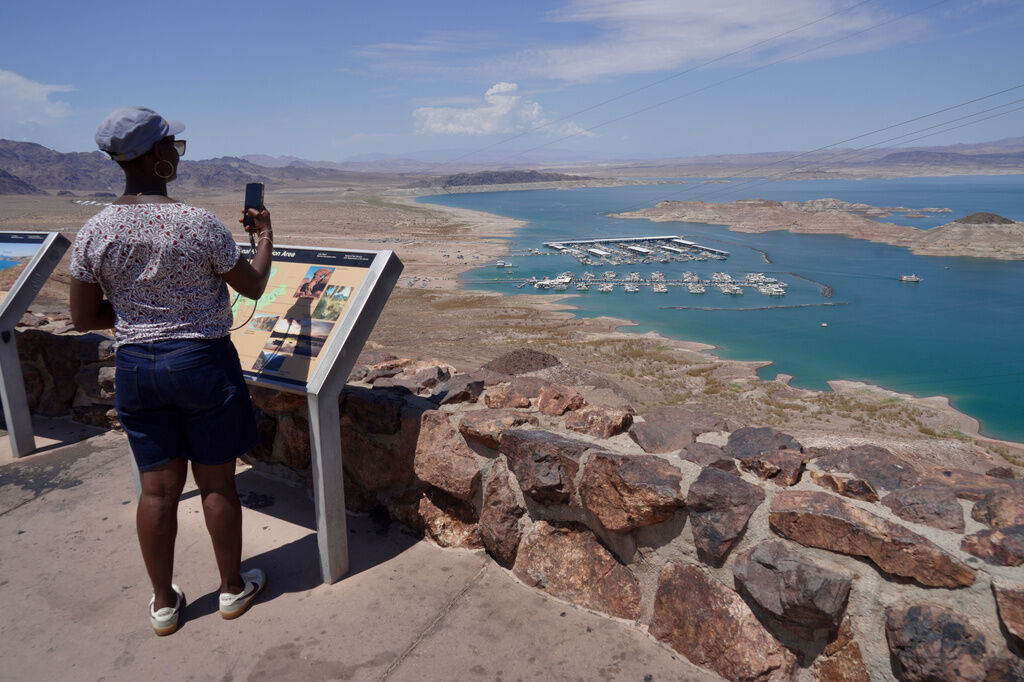
On Monday, the state of Nevada filed a lawsuit against the Trump administration and Interior Secretary Doug Burgum, seeking to block the Colorado River management plan. On Friday, Burgum released a “record of decision” that would reduce water allocations to...

Healthcare Freefall: Longer drives, fewer options for maternity care in Colorado
Thelma Grimes
thelma.grimes@coloradopolitics.com
Updated 12 hours ago
Editor’s Note: Colorado’s healthcare system is entering a period of accelerating instability — a “tsunami,” as multiple leaders describe it — driven by collapsing hospital finances, shrinking Medicaid reimbursements, disappearing services and a political fight over who is responsible for...
Polis requests federal disaster declaration for Colorado wildfires and floods
9News
9news@coloradopolitics.com
Updated 5 hours ago
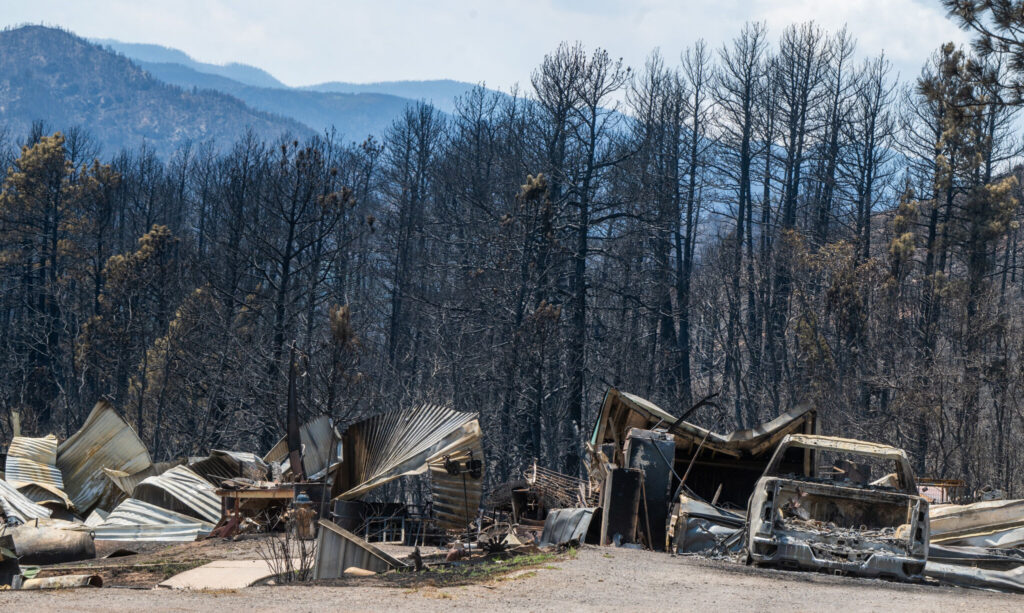
On Sunday, Gov. Jared Polis officially requested a Major Disaster Declaration from President Donald Trump and the Federal Emergency Management Agency to support recovery from two wildfires and the subsequent flooding and debris flows on both burn scars. Polis requested a declaration...
US strikes another boat in eastern Pacific, killing two, Pentagon says
The Associated Press
the-associated-press@coloradopolitics.com
Updated 12 hours ago
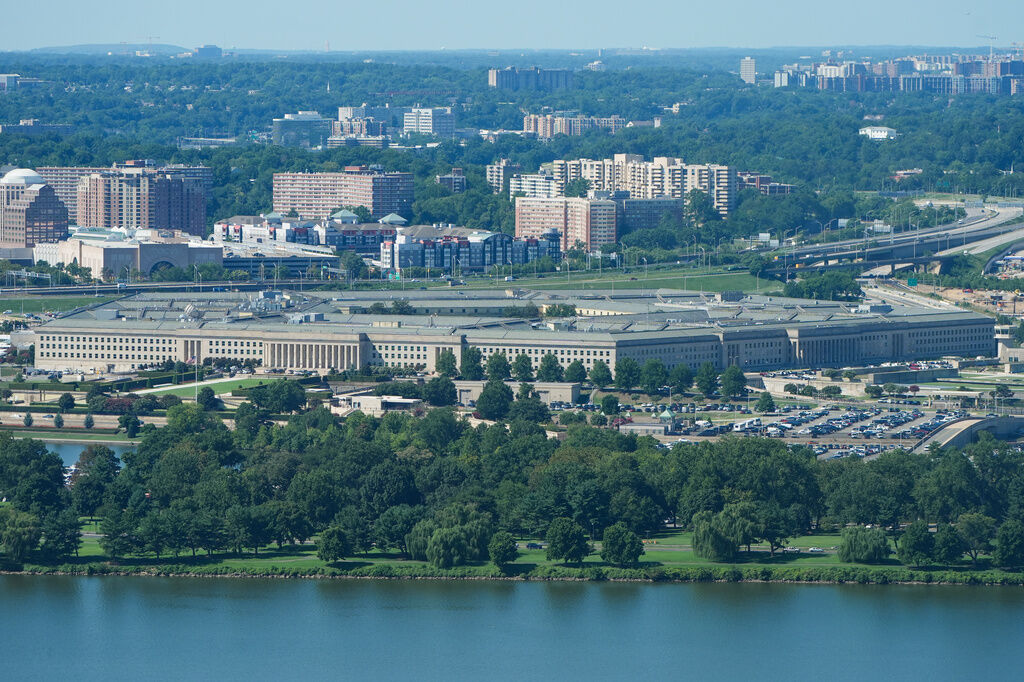
U.S. forces have struck another vessel in the eastern Pacific, killing two people the Pentagon says were trafficking drugs. The U.S. Southern Command announced the strike in a social media post early Monday. The death toll from the Trump administration’s...
PREV
PREVIOUS

Nebraska university administrator hired as leader for CSU online campus
Colorado State University Global, CSU’s online campus, has hired Paul Savory to be its next provost and chief academic officer. “When we began our search for this position, we understood that it was important to find a leader with a depth of experience in higher education leadership, a commitment to data-driven decision making, and an […]

NONPROFIT REGISTER | 2 groups announce fiscal sponsorship agreement
Colorado Center on Law and Policy and Mile High Connects Denver, CO News: The Colorado Center on Law and Policy has become the fiscal sponsor for Mile High Connects, with CCLP taking over some administrative functions for MHC as a result. The latter previously had the fiscal sponsorship of The Denver Foundation. “CCLP has been committed […]