

State issues numerous avalanche watches amid 4 deaths this season
The Colorado Avalanche Information Center issued the first widespread avalanche watches of the season Monday after four deaths in less than two weeks.
The watch began Monday at 6 a.m. and expires Tuesday at 8 a.m.
Officials said a strong storm will result in 4-8 inches of new snow on top of a very weak snowpack.
By Tuesday, large, dangerous avalanches will be easily triggered and some will happen naturally.
Man killed in avalanche on Berthoud Pass identified as Boulder resident
The worst conditions are expected late Monday night into Tuesday.
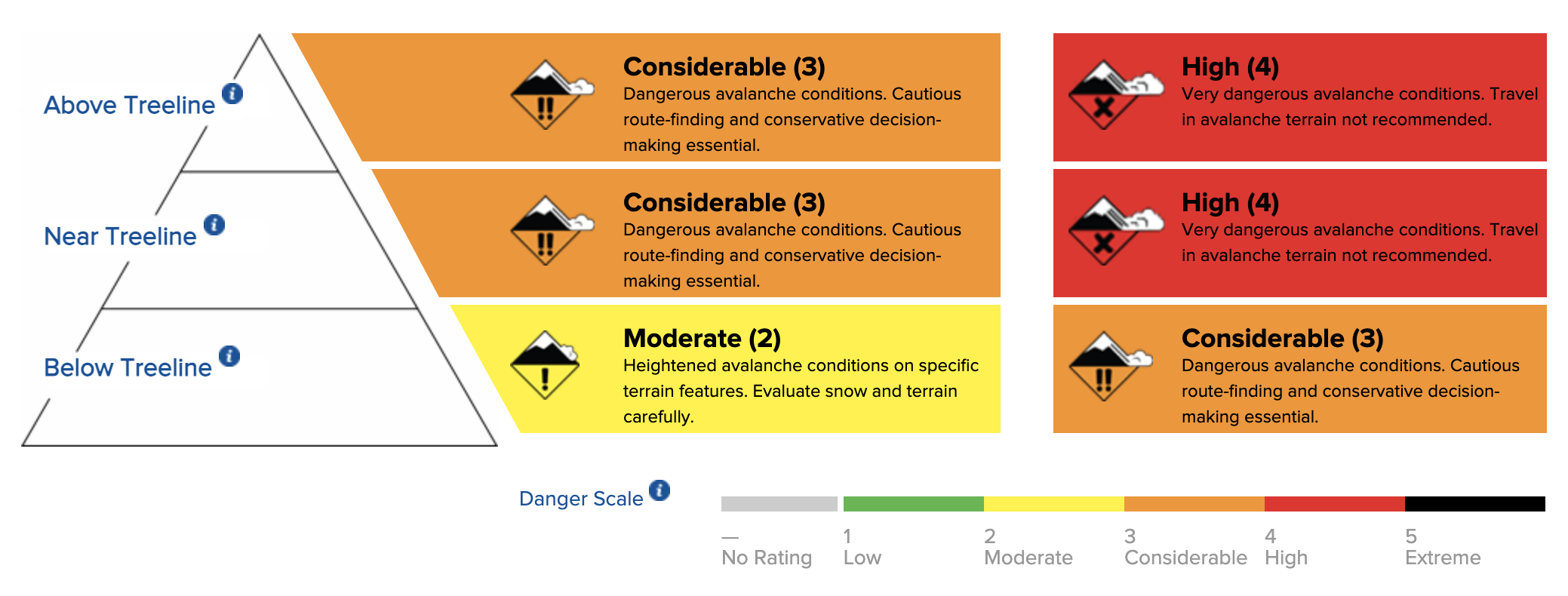
Tuesday’s danger is rated as a four out of five above and near treeline, and a three below treeline. On Monday, above and near treeline danger is rated as a three.
The watch is in effect for the Flat Tops, Front Range, Steamboat, Vail, Summit County, Sawatch, Aspen, Gunnison, north and south San Juan and the Sangre de Cristo zones.
Colorado has experienced several deadly avalanches during this ski and snowboard season, resulting in four deaths so far.
Dariusz Krol, a 57-year-old backcountry skier from Boulder County, was killed Saturday in an avalanche in the area of Berthoud Pass.
Short video explains why Colorado’s snowpack is so dangerous this year
From Dec. 18-21, three experienced backcountry skiers were killed in slides.
The victims were longtime Crested Butte ski patroller Jeff Schneider and two Durango residents, 55-year-old Albert Perry and 51-year-old Dr. Jeff Paffendorf.
During that deadly weekend, Colorado saw 214 avalanches, 73 of which were caused by humans, according to the Colorado Avalanche Information Center.
The avalanche that killed Schneider was triggered by him skiing just to the right of where six other skiers had just safely descended, according to a report.
Avalanche danger in Colorado considerable over winter holidays
Officials recommend residents avoid traveling on and under slopes steeper than 30 degrees north through east to southeast-facing aspects.
Skiers and snowboarders should look for signs of wind-loading on open slopes, below ridge lines and in high-elevation gullies. Cracking and collapsing are signs of danger.
Updates and danger ratings for the avalanche watches are available at avalanche.state.co.us.


10th Circuit to hold all-judges hearing, judicial committee turns down ‘civility code’ | COURT CRAWL
Michael Karlik
michael.karlik@coloradopolitics.com
Updated 13 hours ago
Welcome to Court Crawl, Colorado Politics’ roundup of news from the third branch of government. The Denver-based federal appeals court agreed to hold a rare all-judges hearing in a criminal case, plus a state Supreme Court committee overwhelmingly rejected a...
Divided Colorado Supreme Court curtails use of laced-substances defense
Michael Karlik
michael.karlik@coloradopolitics.com
Updated 16 hours ago
The Colorado Supreme Court on Monday walked back the ability of criminal defendants to claim their conduct was the result of consuming an intoxicating substance that secretly contained another behavior-altering substance. Under state law, “involuntary intoxication” is an affirmative defense,...
Colorado justices say utilities commission overreached by immunizing Xcel in rate document
Michael Karlik
michael.karlik@coloradopolitics.com
Updated 18 hours ago
Xcel Energy cannot rely upon a rate-setting document to broadly immunize itself from liability against electrocutions, the Colorado Supreme Court ruled on Monday. The justices originally heard the electrocution-related lawsuit from Francisco Cuevas to decide whether Xcel’s tariff, which sets...
Colorado snowpack still at all-time low after weekend snow
Spencer McKee
spencer-mckee@coloradopolitics.com
Updated 37 minutes ago
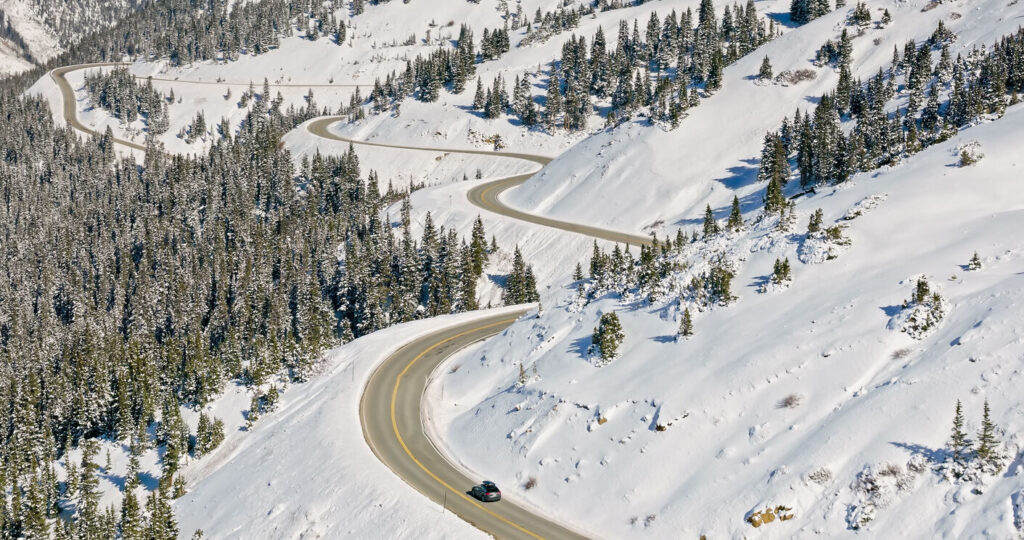
The big snow of the last few days has come and gone, and Colorado is set to move forward into the end of January while it continues to set new all-time low records in terms of snowpack. Per the National...
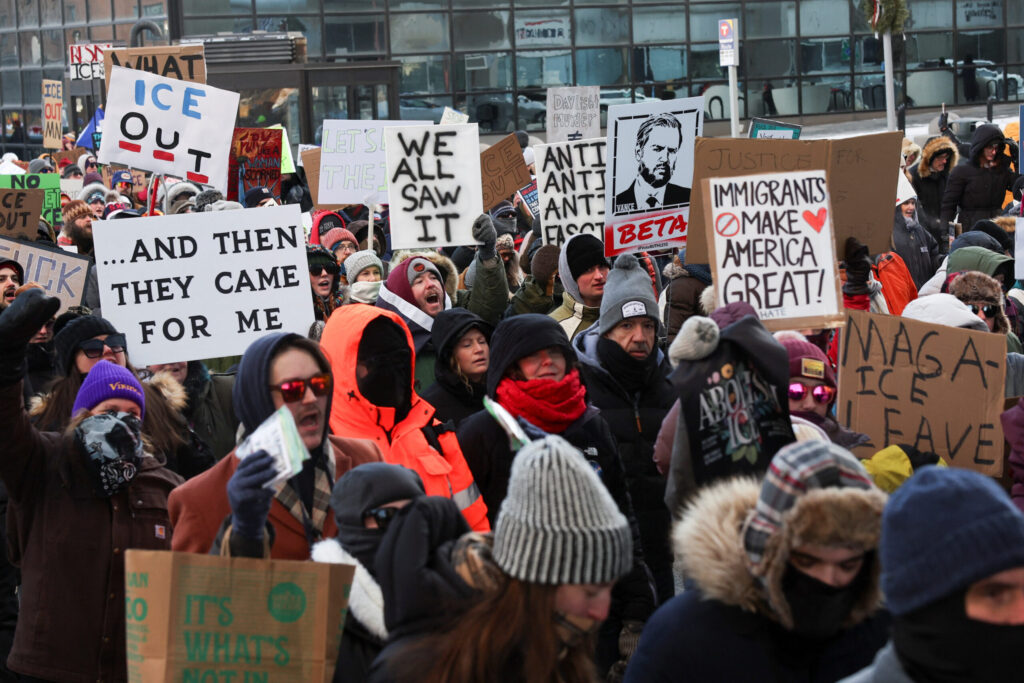
Border Patrol shooting in Minneapolis sparks tense debate on Colorado Senate floor
Marianne Goodland
marianne.goodland@coloradopolitics.com
Updated 15 hours ago
The death of Alex Pretti in Minneapolis in the hands of Border Patrol agents over the weekend prompted a debate among Colorado senators on Monday, with Democrats saying he and others were just exercising their rights, while Republicans questioned bringing...

Colorado Democrats reignite debate over gender identity in child custody cases
Marissa Ventrelli
marissa.ventrelli@coloradopolitics.com
Updated 15 hours ago
Democratic lawmakers eye reviving a provision related to gender identity in child custody cases that was stripped from a bill signed into law last year. Last session, lawmakers passed House Bill 1312, which dealt with legal protections for transgender individuals....

Colorado Democrats introduce bills on pricing, data privacy
Marissa Ventrelli
marissa.ventrelli@coloradopolitics.com
Updated 16 hours ago
Democratic lawmakers have introduced a trio of bills dealing with data privacy and the retail and wholesale prices of goods. Sponsors said the bills would help Colorado consumers and small businesses tackle affordability woes. They are among a slew of...
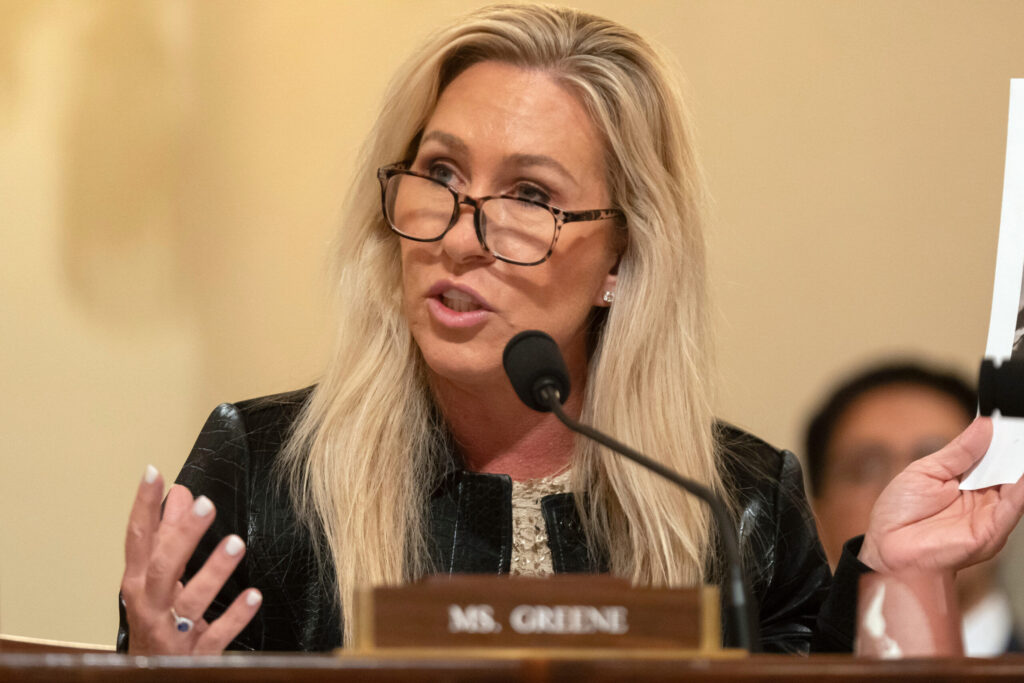
House races in 2026 see big competition with double-digit candidate fields
David Zimmermann Washington Examiner
davidzimmermannwashingtonexaminer@wpstage.coloradopolitics.com
Updated 22 hours ago
Certain House races in 2026 are seeing larger-than-normal fields, with the number of candidates in primary and special elections climbing into the double digits. The races, from Georgia to Arizona to New York, are drawing massive candidate interest after incumbents...

Canada has ‘no intention’ of signing free trade deal with China, Carney says
Zach LaChance, Washington Examiner
zach.lachance.washington.examiner@gazetteedit.wpenginepowered.com
Updated 22 hours ago
Canadian Prime Minister Mark Carney insisted he has no plans to pursue a free trade agreement with China, as President Donald Trump fumes over a recent partnership between the two countries. Canada and China struck a “preliminary agreement” on Jan....
Colorado Supreme Court committee rejects civility proposal amid fears of weaponization by judges, ‘jerks’
Michael Karlik
michael.karlik@coloradopolitics.com
Updated 23 hours ago
The Colorado Supreme Court’s Civil Rules Committee overwhelmingly rejected a proposal last week to create an enforceable “civility code” for lawyers and legal paraprofessionals, which would allow judges to quickly impose corrective action without a formal complaint and investigation by...
PREV
PREVIOUS

Neguse takes his Colorado work on antitrust to Trump's desk
U.S. Rep. Joe Neguse said his time leading Colorado’s Department of Regulatory Affairs showed him the need to protect consumers as his office heralded the freshman lawmaker’s seventh bill to become law Monday. President Trump signed Neguse’s bipartisan Criminal Antitrust Anti-Retaliation Act, legislation that enjoyed high-powered support, including high-ranking Republican Sen. Chuck Grassley of Iowa, […]

State to begin increased DUI enforcement Tuesday for New Year’s Eve celebrations
State officials will begin the final heightened DUI enforcement period of the year Tuesday to discourage impaired drinking during New Year’s Eve celebrations. The Colorado Department of Transportation, Colorado State Patrol and 89 local law enforcement agencies will increase patrols and DUI checkpoints throughout the state from Tuesday through Saturday. Last year’s New Year’s Eve […]