

Boulder County opens feedback period for hazard mitigation plan
Boulder County is seeking public comments on its 291-page hazard mitigation plan, which will guide communities in the county as they make decisions to reduce risk to life and property.
The document enables Boulder County to be eligible for disaster assistance through the Federal Emergency Management Agency. The first plan dates to 2008 and was an effort between the Boulder Office of Emergency Management, municipalities and school districts.
In the updated version of the plan, the county wrote that the focus is now on a proactive, versus reactive, approach.
“Boulder County recognizes that climate change is real and that our planet is rapidly warming at a pace never experienced by humans,” reads the plan in part. “We can no longer use past hazard events as a good indicator for future hazard impacts.”
A countywide survey showed fears about floods were most prevalent, with nearly six in 10 respondents identifying it as the most concerning hazard. Wildfire was a close second, followed by drought and severe winter storm. “Pandemic flu” registered with only 14% of respondents (the survey took place in late 2019.)
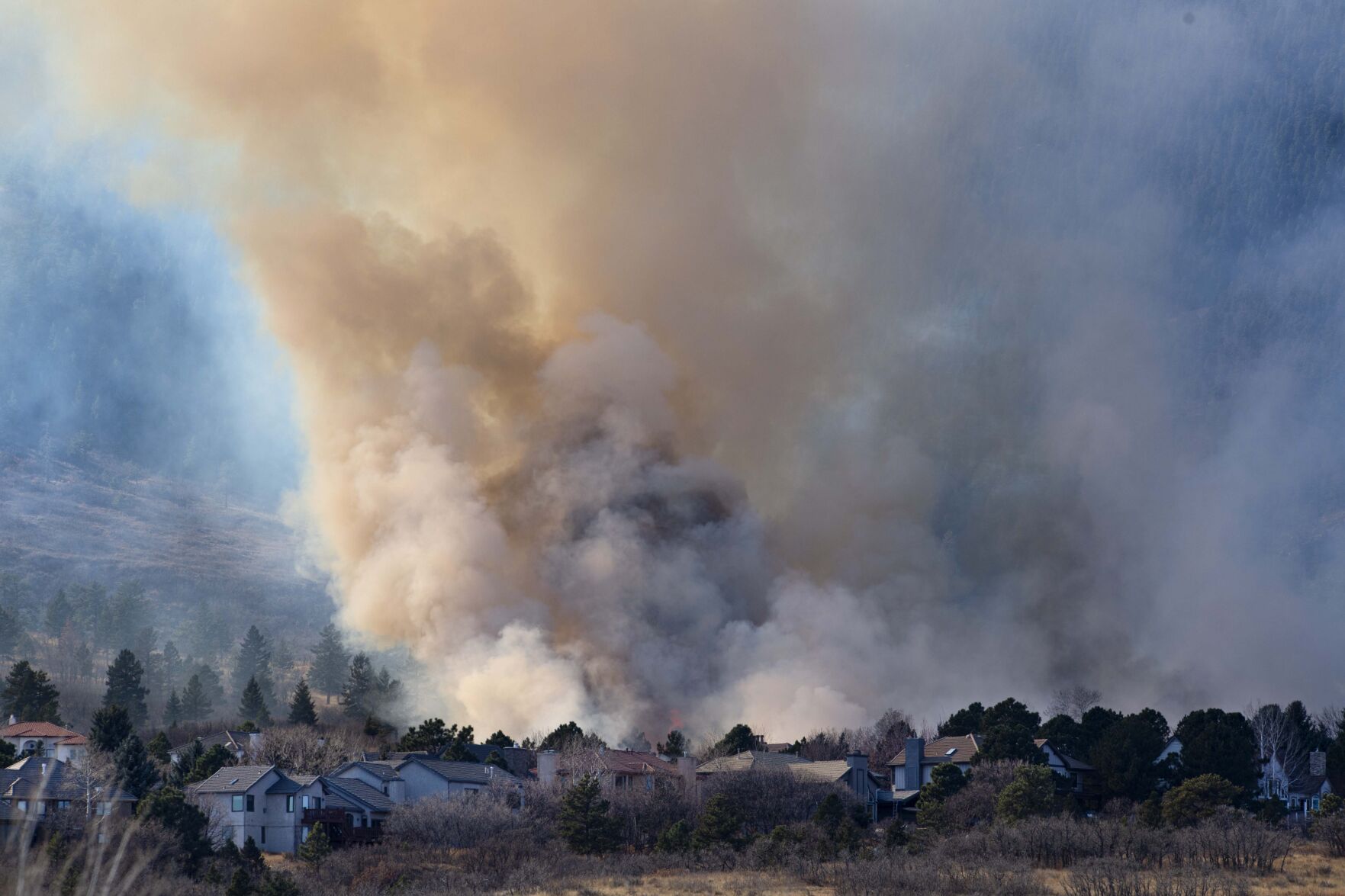
Wildfires were a significant hazard by all metrics, with much of the county vulnerable. Although 2020 was an exceptionally severe fire season, the county noted that in 2002, there were 926,502 acres burned, with all but five counties in the state under a disaster declaration. The plan put the chances of wildfire in a given year at nearly 100%.
Among the hazards the county deemed unlikely but catastrophic was dam and levee failure. Up to half of the area covered under the plan could be potentially inundated, and 23 high-hazard dams exist in the county. Since 1890, there have been at least 130 instances of dam failure in Colorado.
“Mitigation is most successful when it is incorporated into the day-to-day functions and priorities of government and development,” the plan advises.
The public may submit comments online through the end of December.

Homeless recruits of ‘The Program’ say they were told to sign NDAs amid investigations in Colorado
David Migoya
david.migoya@gazette.com
Updated 11 hours ago
Several formerly homeless people — each drawn into an Aurora-based enterprise known as “The Program” that promised free housing and cash in return for letting a home-health business administer prescriptions they were given — said they were pressed into signing...
Homeless recruits of ‘The Program’ say they were told to sign NDAs amid investigations in Colorado
David Migoya
david.migoya@gazette.com
Updated 11 hours ago
Several formerly homeless people — each drawn into an Aurora-based enterprise known as “The Program” that promised free housing and cash in return for letting a home-health business administer prescriptions they were given — said they were pressed into signing...
Trump’s 10th Circuit nominee declines to name 2020 election winner, defends immigration decisions
Michael Karlik
michael.karlik@coloradopolitics.com
Updated 11 hours ago
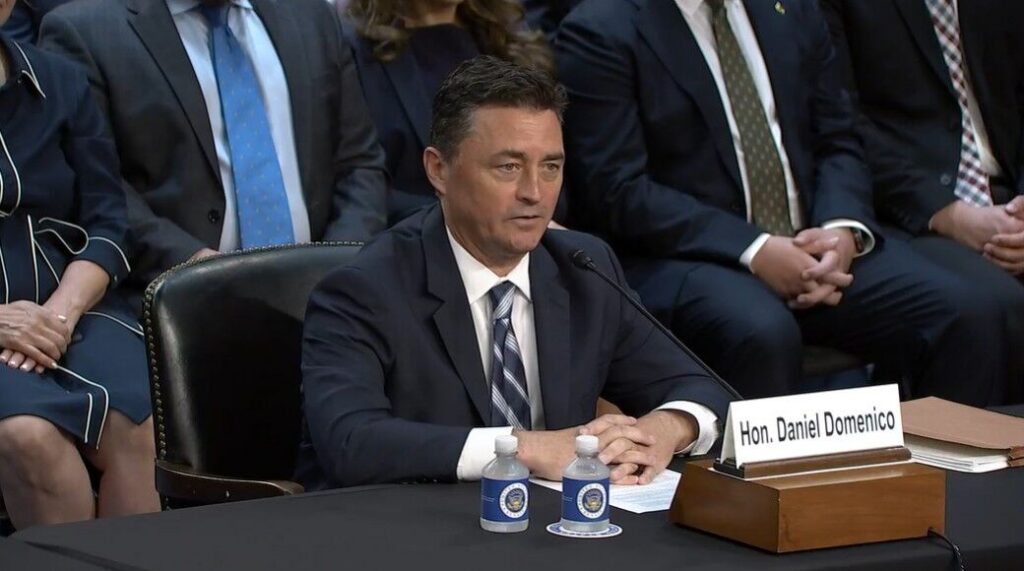
President Donald Trump’s nominee to the Denver-based federal appeals court declined to say who won the 2020 presidential election during his appearance before the U.S. Senate Judiciary Committee on Wednesday, and defended his recent rulings in immigration detention cases. U.S....

Colorado repeals attorney immigration attestation law after one year
Nico Brambila
nico.brambila@denvergazette.com
Updated 10 hours ago
One year and 12 days. That’s how long a Colorado law requiring attorneys to certify they would not use court data for federal immigration enforcement remained on the books before lawmakers repealed it. Gov. Jared Polis signed the initial legislation,...
Colorado’s ‘right to natural gas’ measure submits signatures to qualify for November ballot
Marissa Ventrelli
marissa.ventrelli@coloradopolitics.com
Updated 13 hours ago
A natural-gas rights initiative backed by Advance Colorado is likely headed to the November ballot, triggering a parallel campaign by environmental groups seeking to impose new liabilities on oil and gas operators. Petitions for Initiative No. 177 were turned in...

Economists: Colorado budget improves slightly, but deficits still loom
Marianne Goodland
marianne.goodland@coloradopolitics.com
Updated 13 hours ago
State economists reported a stronger-than-expected bump in general fund revenue driven largely by higher individual income tax collections, yet warned that Colorado remains on track to begin the next fiscal year with a sizable shortfall. State economists upgraded “significantly” the...

Colorado law allowing lawsuits against ‘conversion therapy’ providers takes effect July 1
Marissa Ventrelli
marissa.ventrelli@coloradopolitics.com
Updated 13 hours ago
With a new law taking effect July 1, Colorado is creating a legal pathway for people to sue licensed providers of “conversion therapy,” even as debate over the practice’s constitutionality continues in the wake of a recent U.S. Supreme Court...

Colorado justices expand ability for civil defendants to avoid participating, win after trial
Michael Karlik
michael.karlik@coloradopolitics.com
Updated 6 hours ago
The Colorado Supreme Court decided on Tuesday that a civil defendant, whose non-participation in the case meant that he legally admitted to the sexual assault allegations against him, could nonetheless prevail after he showed up to testify at trial. A...

Trump heads to Senate as GOP grows more willing to challenge White House
Naomi Lim
naomi-lim@coloradopolitics.com
Updated 16 hours ago
President Donald Trump normally summons congressional Republicans to the White House, but on Wednesday, he is making a rare trip to Capitol Hill to have lunch with GOP senators. And at least publicly, there is one agenda item. “We’re just...

Trump blasts oil companies for not lowering prices to consumers, accuses them of price gouging
Washington Examiner Staff
washington-examiner-staff@coloradopolitics.com
Updated 17 hours ago
President Donald Trump criticized “big oil companies” for not lowering prices for consumers, even though oil purchase costs have dropped. He accused oil companies of price gouging consumers, ordered the Department of Justice to investigate current practices, and demanded that...
PREV
PREVIOUS

Judge rejects request for border wall scam trial in Colorado
A federal judge in New York has denied a Castle Rock man’s request to move his trial to Colorado over his alleged role in a multimillion dollar scam to build a border wall. “In sum, the location of the defendant and the expenses of the parties weigh in favor of transfer, but the other factors […]

Larimer County conserves 884-acre family ranch
Larimer County Natural Resources announced Tuesday the conservation of an 884-acre ranch in northern Larimer County that has been home to a local family for more than 30 years. The conservation easement, in partnership with landowners Mark and Candee Steputis, was funded by a donation from the Steputis family and a grant from the Great […]