

Geographic naming board meets, hears name change proposals for Mount Evans
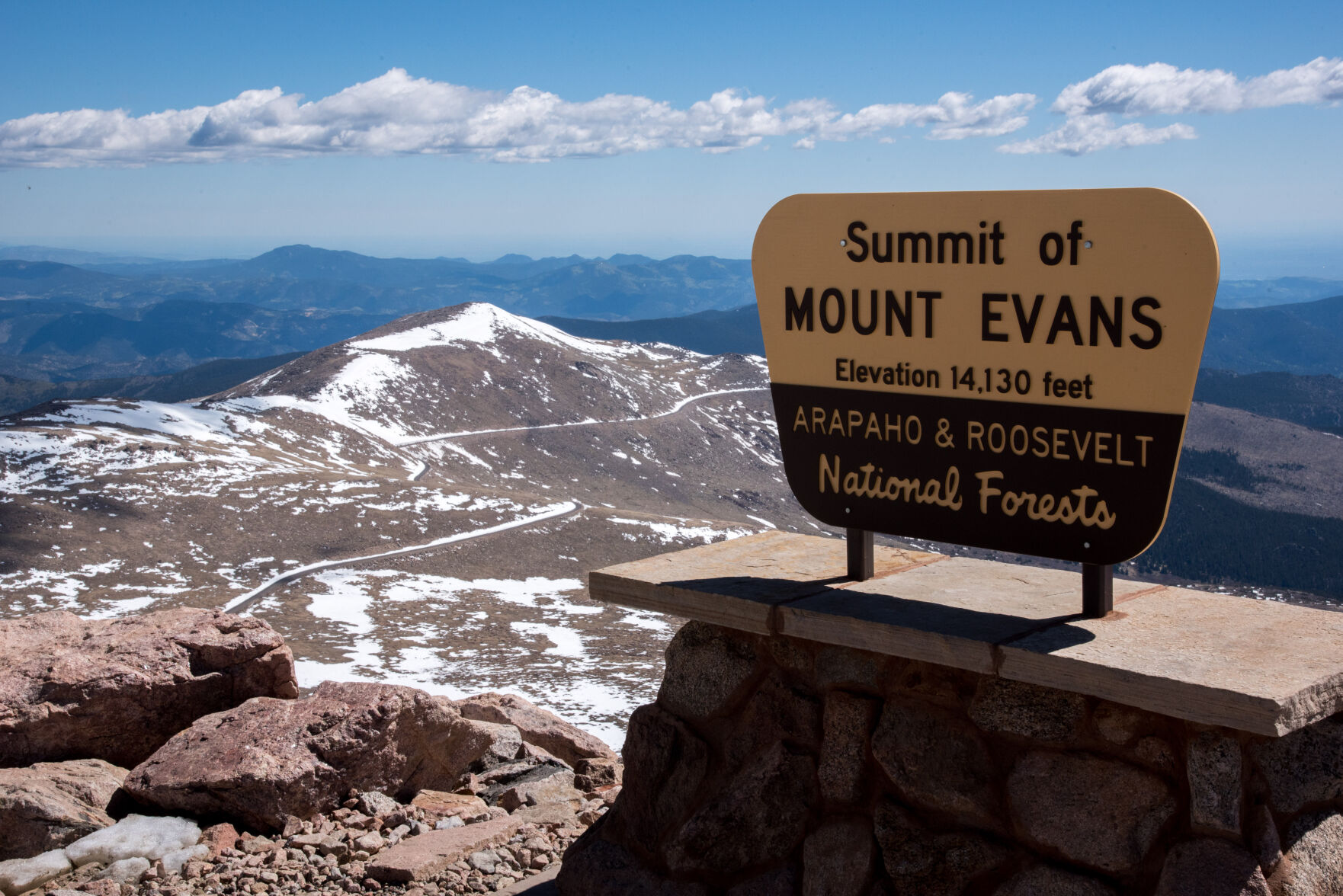
Sixteen proposals to change names of Colorado landmarks — including three offerings for Mount Evans — went in front of the Geographic Naming Board, a 12-member group convened by Gov. Jared Polis , during their first meeting Thursday.
Much of Thursday’s meeting focused on a review of those existing proposals with Jennifer Runyon, a senior researcher with the Board of Geographic Names, part of the U.S. Geological Survey. The BGN encounters names that are offensive or derogatory, she explained.
“It’s uncomfortable but it’s part of the job. We’re here to discuss these names and get them off the landscape,” she said.
RELATED: A review of Colorado place names reveals checkered past
Mount Evans is named for Colorado territorial Gov. John Evans, who was blamed in part for the Sand Creek massacre where hundreds of Cheyenne and Arapaho peoples were killed by soldiers in November 1864. The proposal to change the name has been in front of the BGN since 2017, Runyon said, but sat dormant because the state had dissolved the naming board in 2016. It was renewed by Polis’ executive order in July.
It was also delayed by a lack of consensus among the Colorado counties, which have a say in any name change that occurs.
The proposed names for Mount Evans include Mount Cheyenne Arapaho, Mount Soule and Mount Rosalie, its original name. Soule is for Silas Soule, who was considered a hero of Sand Creek because he was one of several who refused to fire on the Cheyenne and Arapaho peoples. The proposal for Mount Cheyenne Arapaho leads the offerings, because it was proposed first, according to Runyon.
Runyon also revealed that there’s another Mount Evans in Lake County, for which no one has suggested a name change. However, she said once that becomes public she expects proposals.
Runyon emphasized that name changes should be done in conjunction with local governments. Clear Creek County has been opposed to any name change for Mount Evans, a decision that goes back several years, she said. However, she believes the county commissioners are going to revisit the issue next week and will withdraw their opposition, which was based largely on the cost of changing signs, maps and other county materials.
One member of the state board — Tim Mauck — was on the commission when it was voted down. Mauck did not comment on that vote.

Among other locations and proposals:
• In Montezuma and Delta counties, three sites named “Negro” are proposed for changes: Negro Creek, Negro Mesa and Negro Draw. Approval from Montezuma County commissioners is pending on changing Negro Creek to Hops Creek, in honor of Colorado’s brewing history; and from Negro Draw to Hops Draw, for the same reason. Delta County commissioners have proposed an alternative for Negro Creek: Clay Creek, which they say better fits the history of the area and was proposed by local schoolchildren. However, the Montezuma County proposal is first in line since it was made earlier.
• There are more than 30 natural sites in Colorado with the word “squaw” in their title, according to the BGN database. Squaw Mountain in Clear Creek County, has two names suggested but only one proposed: Mount Mistanta. The Cheyenne have suggested Mount Mestaa’ėhehe but have not submitted a proposal, Runyon said. Runyon said the person who submitted the Mistanta proposal is open to withdrawing it should the Cheyenne tribe submit a formal proposal. It still needs approval from Clear Creek County, she said, and the BGN would prefer a consensus on the name from the local and state governments. The website Vocativ reported activists and Indigenous peoples find the term — a bastardization of ojiskwa (the Mohawk word for vagina) — offensive.

• A proposal to change Redskin Mountain in Jefferson and Park counties to Mount Jerome, and Redskin Creek to Ute Creek has been approved by Jefferson County but is pending approval from Park County. The former would honor Irene Jerome Hood, a leading female photographer from 1858 to 1945. The name change has also been accepted by the local Ute tribe, Runyon said.
• One name that’s getting a fight from its home county: Chinaman Gulch, which is considered “racially offensive,” according to Runyon. But Chaffee County is opposed to the change, citing historical significance. The proposed name is Trout Creek Gulch. “Good luck with that one,” Runyon said.
• A proposal to change Calkins Lake in Weld County to Union Reservoir would reflect the local and published use. Weld County’s approval is pending.
Runyon explained that the BGN is only involved in “natural” sites, meaning that man-made or cultural sites would not be considered by the BGN. That would exclude schools, churches, parks or dams, although reservoirs are considered a natural feature because they often start out as lakes. Runyon advised the group to think carefully about taking on man-made features.
The BGN also doesn’t regulate the spelling of a name, but they try to work with state and local governments on consistency. That’s due in part to issues such as search and rescue, land management and emergency preparedness, when using a consistent name and spelling will assist in those efforts.
The BGN handles some 250 to 300 requests per year and does not initiate proposals, Runyon said. “We’re a reactive body,” she said.
Most of the name proposals are simple and win quick approval. The more controversial, such as with Mount Evans, the longer the process takes, she said. They prefer to see names with local meaning rather than generic names.
The BGN also has special policies for working with the nation’s 574 federally-recognized tribes and 200 Tribal Historic Preservation Officers. They’re allowed to comment on any proposal in which they would have an interest, including in states where they are no longer based. That includes both the Northern Cheyenne and Southern Cheyenne, who have an interest in Mount Evans because of Sand Creek. The Northern Cheyenne are now based in Montana; the Southern Cheyenne are based in Oklahoma.
The BGN has no say on names on geographic features on lands governed by tribes. On non-tribal lands, they are provided a quarterly review and invited to comment within 60 days. For names that cross tribal and non-tribal lands, the BGN acts as a mediator to come up with a mutually agreeable solution.
Runyon advised that the board will need to take votes on these proposals, and then it will go back to the BGN for final signoff.
“We have a lot of work to do,” said Dan Gibbs, executive director of the Department of Natural Resources, at the meeting’s conclusion.

Highway 115 fire blows up, road closed south of Colorado Springs
Nick Smith
nick-smith@coloradopolitics.com
Updated 14 hours ago
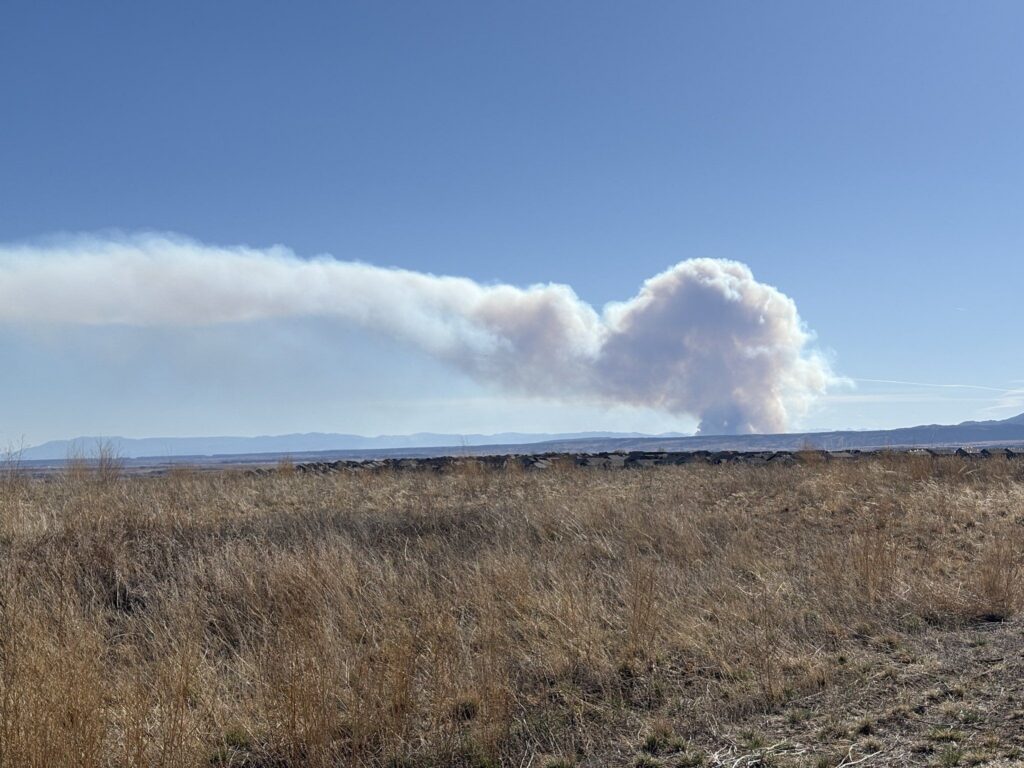
A fast-moving fire burning along Colorado 115 south of Colorado Springs blew the containment line Thursday, spreading farther east onto Fort Carson and scorching nearly 700 acres, officials said. The blaze was fully uncontained as of late Thursday afternoon, officials...
No oversight: Denver’s homeless plan cost $20 million more than previously reported, auditor says
Deborah Grigsby
deborah.smith@denvergazette.com
Updated 33 minutes ago
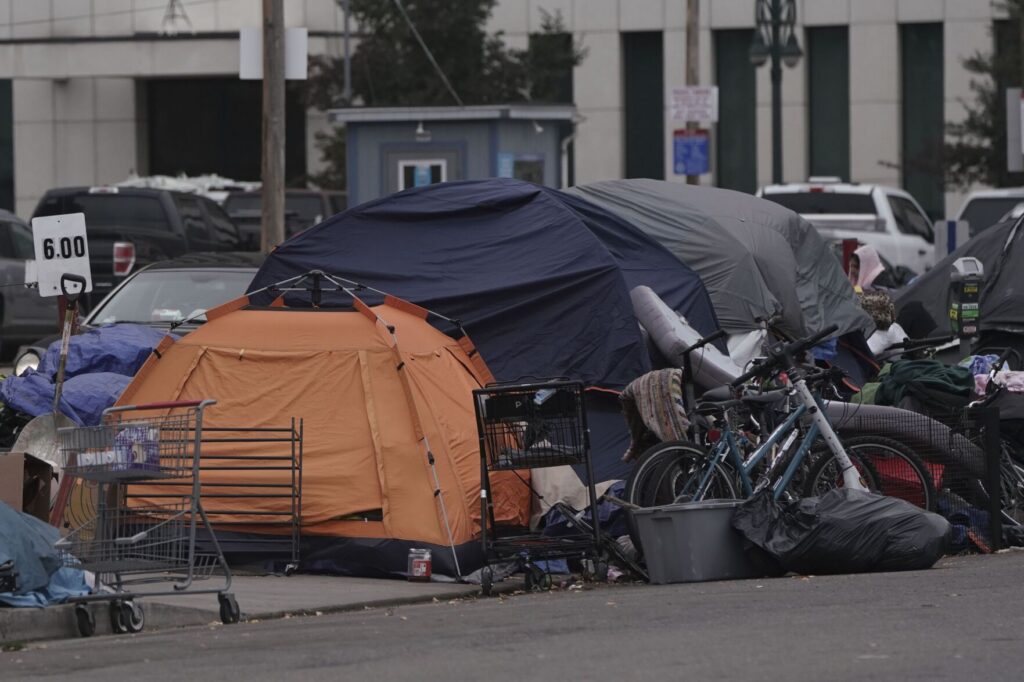
Mayor Mike Johnston’s campaign to curb homelessness has cost the city an estimated $20 million more than previously reported, Denver’s auditor concluded. The audit determined that the mayor’s initiative was poorly planned, with underreported expenses, no monitoring plan, inadequate “equity”...
Public figures have limited path to sue over accusations of criminality, says appeals court
Michael Karlik
michael.karlik@coloradopolitics.com
Updated 56 minutes ago
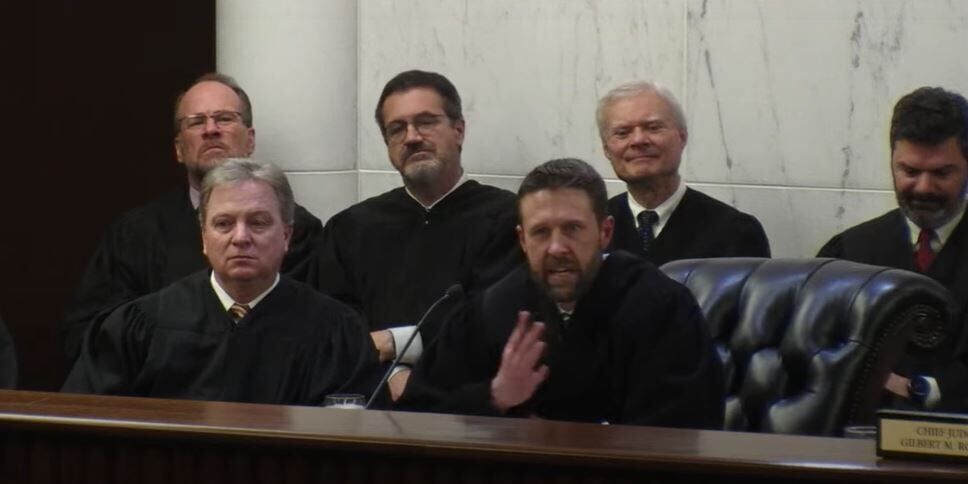
Colorado’s second-highest court ruled last week that a public figure cannot sue for defamation solely because a person publicly accuses them of committing a crime, as the statement may be constitutionally protected opinion. A three-judge Court of Appeals panel narrowed...
Proposed data center regulation in Colorado draws critics, backers
Scott Weiser
scott.weiser@gazette.com
Updated 15 hours ago
A packed marathon hearing at the state Capitol in Colorado highlighted the sharp divide between two competing approaches to the effects of data centers, one of America’s fastest-growing technology sectors. Data centers are the physical facilities that host the servers,...

Conservation Colorado proposes measures aimed at oil and gas companies
Marissa Ventrelli
marissa.ventrelli@coloradopolitics.com
Updated 17 hours ago
The environmental group Conservation Colorado has introduced four ballot measures it says are in response to an initiative that aims to enshrine Colorado businesses’ and consumers’ right to purchase and sell natural gas in the state’s Constitution. Filed with the...

Colorado revenue forecast worsens, pushing budget shortfall to nearly $1.5B
Marianne Goodland
marianne.goodland@coloradopolitics.com
Updated 15 hours ago
The latest revenue forecasts from economists in both the governor’s office and the Colorado legislature show that the state’s budget predicament has worsened — by hundreds of millions of dollars more. That, in turn, means cuts programs and services in...
Federal judge to consider sanctioning ex-Colorado judicial discipline director
Michael Karlik
michael.karlik@coloradopolitics.com
Updated 16 hours ago
A federal judge ordered Colorado’s former head of judicial discipline on Wednesday to explain why she should not sanction him for making inaccurate statements about the defendants in his lawsuit against the Colorado Supreme Court and related entities. U.S. District...

With jails overcrowding, Gov. Jared Polis asks for new prisons as lawmakers face budget shortfall
Marianne Goodland
marianne.goodland@coloradopolitics.com
Updated 15 hours ago
The Polis administration is asking for hundreds of millions of dollars to expand the state’s prison system, just as Colorado’s legislators are bracing for a worsening fiscal outlook. The request sets up a clash over priorities at a time when...
Costs explode for Colorado program covering pregnant women and children living in the U.S. illegally
Marianne Goodland
marianne.goodland@coloradopolitics.com
Updated 24 hours ago
A state program providing health care to pregnant women and children living in the country illegally is costing far more than lawmakers expected, with expenses nearly tripling in just a year and threatening to squeeze Colorado’s budget amid a nearly...

Costs explode for Colorado program covering pregnant women and children living in the U.S. illegally
Marianne Goodland
marianne.goodland@coloradopolitics.com
Updated 2 days ago
A state program providing health care to pregnant women and children living in the country illegally is costing far more than lawmakers expected, with expenses nearly tripling in just a year and threatening to squeeze Colorado’s budget amid a $1...
PREV
PREVIOUS
Mayor Suthers: Colorado Springs resilient through pandemic, economic shutdown
Mayor John Suthers said at his State of the City address Thursday the coronavirus pandemic and stay-at-home order set up Colorado Springs for a potential economic collapse, but the community has proved resilient and its recovery is among the best in country. Suthers celebrated the community’s successes during his online speech including record levels of […]

Court orders review of former Boulder mayor’s mandated $1 million donation
A judge improperly ordered a defendant to donate $1 million to a charity of the district attorney’s choice as part of his criminal sentence without first establishing what purpose it would serve, the Colorado Court of Appeals determined on Thursday. Robert Dalton Greenlee, a former mayor of Boulder from 1998-1999, killed Patricia Lucero in a […]