

Colorado Springs coronavirus survivors tell harrowing tales of fear, isolation — and lingering effects
While learning how to be doctors, third-year medical students at the Colorado Springs branch of the University of Colorado School of Medicine also are delving deep into what it’s like to be patients. Specifically, COVID-19 patients.
Thirty-three students are participating in a project to followup with the sickest COVID-19 patients — those who spent weeks or months in intensive care or the general medical ward at UCHealth’s two Memorial Hospitals in Colorado Springs, and who were discharged.
Many of the experiences have been harrowing.
Doctor-in-training Kelly Stanek said several of the 20 recovering patients she’s interviewed told her they made a conscious decision to try to beat the virus because if they didn’t, they thought they would die.
“There was a time they were choosing to live — and it’s given them a whole new perspective,” she said.
As the coronavirus pandemic emerged in the spring, medical students lost the ability to participate in clinical rotations at UCHealth’s Memorial hospitals, said Dr. Erik Wallace, associate dean of the Colorado Springs branch and an associate professor of medicine.
The COVID-19 Discharge Project involves students studying health histories and charts of recovered patients who have been discharged, then calling them and asking questions that include how they are feeling, whether they have lingering symptoms, how the virus has affected their financial, emotional and mental health.
“In the numbers, you see the people dying, but we don’t see all the physical, emotional and psychological complications people are developing from having a COVID-19 infection,” Wallace said of the disease caused by the coronavirus. “We’re finding out this is really hard on people.”
The conversation with a discharged patient takes 15 to 75 minutes, Stanek said.
“It will help us understand the disease better to treat patients and tell them what to expect as they recover,” said Dr. Renna Becerra, a hospital medicine physician and inpatient internal medicine liaison for the local CU School of Medicine.
About 125 released patients have been contacted, but all Memorial recovering coronavirus patients are on the follow-up list, she said.
While the information has not been analyzed yet to provide statistics, trends have become evident.
Many recovered patients have reported feeling like “everything was passing them by in the hospital; their mind wasn’t there,” Stanek said.
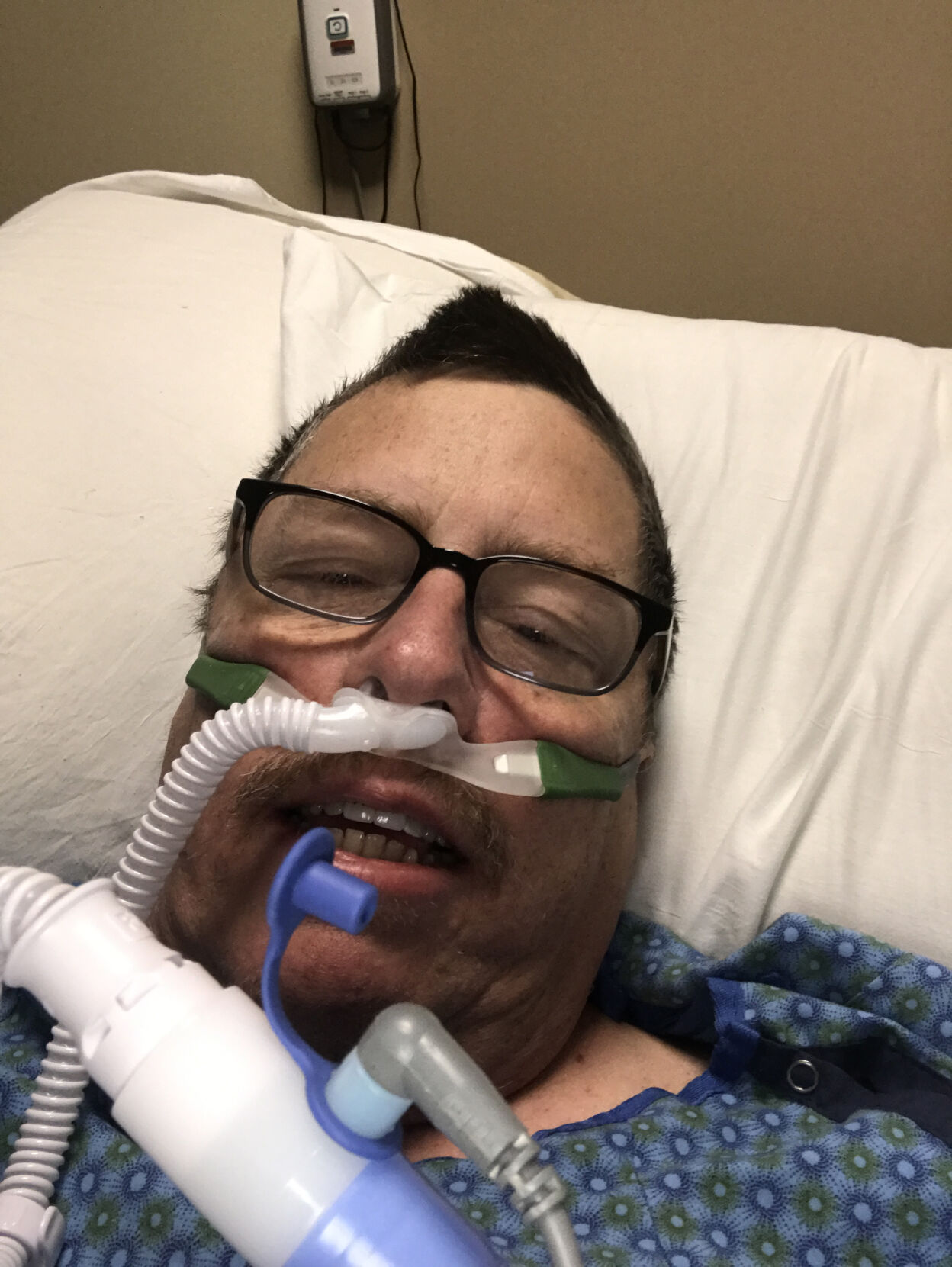
It’s called “COVID brain,” said survivor Paul Nielsen, who after three months since first getting sick on April 22 still has fogginess in his head. Words escape him at times, and he’s been known to reach for the wrong kitchen drawer when cooking.
Less oxygen reaching his brain also led Nielsen, a 61-year-old software specialist, coding author and father of three, to be convinced he was going to die on May 4.
“I was at peace with it,” he said. “I was sending texts to my kids.”
That’s when his family knew he should go to the hospital.
He spent a week at Memorial Hospital North and became COVID patient #741 in El Paso County.
Nielsen was the first in the area to receive a convalescent plasma transfusion with virus antibodies, which he said saved his life. He also thinks divine intervention lent a hand.
“I credit God for helping me have no anxiety — I have a huge fear of needles,” Nielsen said. “I had so many injections and blood draws, but none of them hurt.”
Months after leaving the hospital, many COVID victims still have moderate to severe symptoms of the illness, such as ongoing fatigue, zapped strength, restricted lung capacity and heart-related issues, Becerra said.
A renewed sense of faith, a newfound spiritual connection or gratitude for not being a COVID casualty also are common, Stanek said.
Some patients who were put on ventilators remember going under sedation not knowing if they would wake up, she said. “They wondered if they would get another chance at life,” Stanek recalled.
Along with their struggles, many of the patients talk about how with no visitors allowed in hospitals, the doctors, nurses, lab techs and other staff became like friends, cheering them on, singing to them and helping them connect electronically to family.
But patients still frequently experienced isolation while in the hospital as well as after they were well enough to go home or to rehab, the interviews found.
People back away from Nielsen when he wears a “COVID-19 Survivor” T-shirt he ordered online, he said.
But many are interested in what it was like to have such a severe case of the disease, which is why Nielsen said he’s writing a book, “COVID Case Number 741,” to be available on Amazon in a few weeks.
He’s doing it because, much like the medical students are discovering, survivors don’t mind telling their stories.
“I feel like a bridge,” Stanek said. “Sometimes a counselor. I feel like it’s an important role.”
COVID stigma is pervasive, Nielsen said, adding that he’s found camaraderie among a Facebook group of survivors, who advocate for convalescent plasma donations from people who were infected and recovered.
Doctors have told Nielsen it could take up to a year until he’s 100% back to normal. He’s about 80% now, he said, still using oxygen at night and getting out of breath climbing stairs.
Medical students are working with the hospital system’s psychiatry team to help address mental health problems, and one student has started an initiative to bring iPads and electronic tablets to hospitalized patients to combat loneliness.
The project has helped student Danielle Davis understand what patients have gone through and gives her a chance to find out, “Did we support them? Prepare them for release? And how can we do better?”
“The data will shape how we treat and approach COVID-19 in the future,” she said.

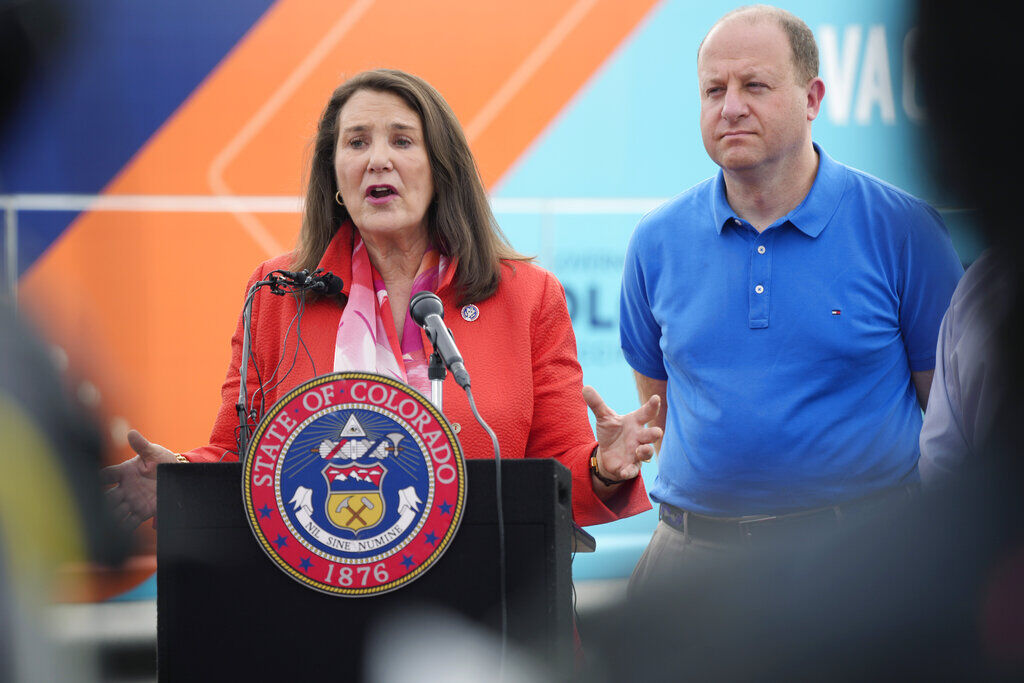
Armstrong staffer considers congressional bid, DeGette angers rural communities with wilderness act | A LOOK BACK
Rachael Wright, Special to Colorado Politics
rachael.wright@coloradopolitics.com
Updated 2 days ago
Forty-five years ago this week: If the lines were drawn just right, Republican Sen. Bill Armstrong stood the chance of losing his office manager, Ruth Fountain. Fountain admitted she was seriously thinking about running for Colorado’s new congressional seat in...

Colorado districts prepare for school year amid mental health cuts. But will less cellphone distractions help?
Marissa Ventrelli
marissa.ventrelli@coloradopolitics.com
Updated 2 days ago
The signs of a new school year are everywhere — buses in the shop, teachers unpacking boxes, families ticking through supply lists — but behind the familiar rituals, Colorado districts are preparing for a year defined less by routine than...
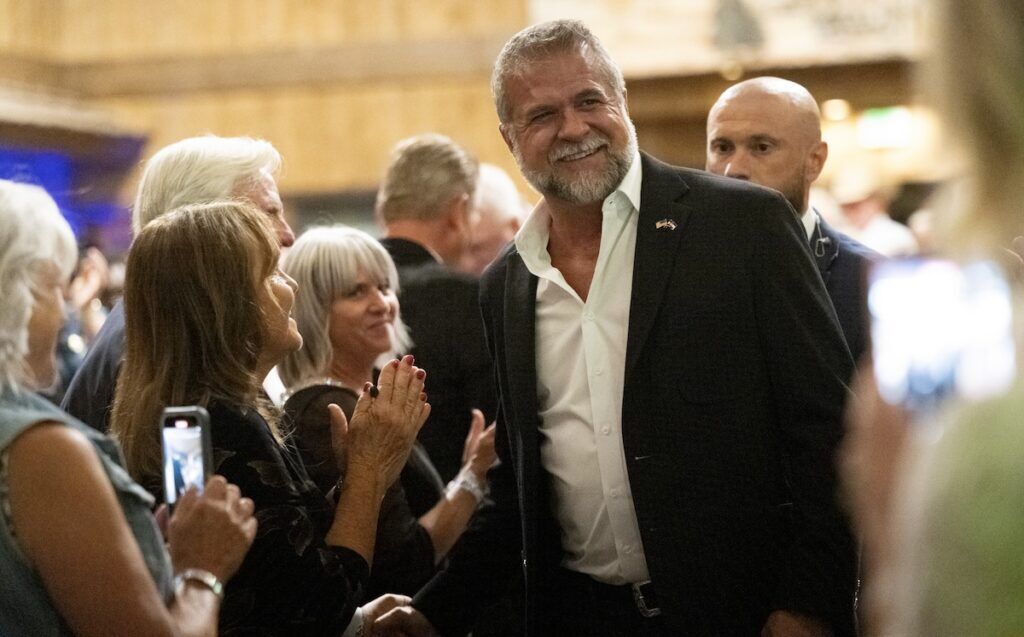
The through line from Donald Trump to Victor Marx | SONDERMANN
By Eric Sondermann
by-eric-sondermann@coloradopolitics.com
Updated 4 days ago
Over 10 years ago, before Donald Trump could ever defeat Hillary Rodham Clinton, he had to first engineer a hostile takeover of the Republican Party. Prior to his descent of that golden escalator, the previous seven Republican presidential nominees had...
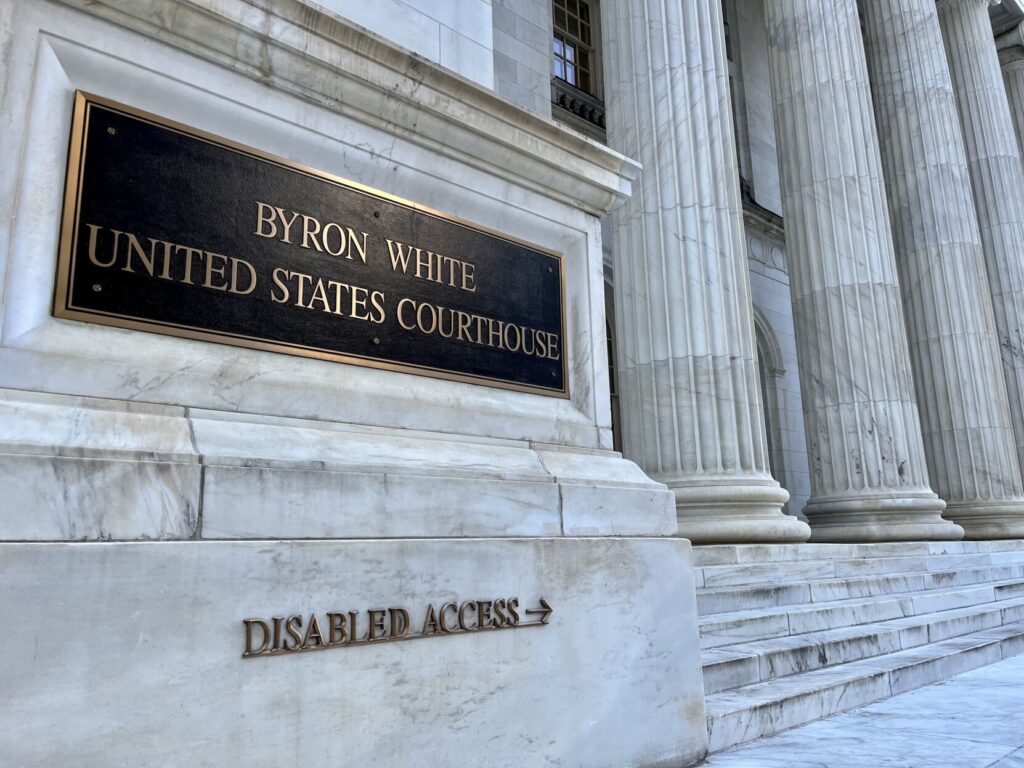
10th Circuit dismisses woman’s lawsuit following 10-year attempt to undo restraining order
Michael Karlik
michael.karlik@coloradopolitics.com
Updated 1 day ago
The Denver-based federal appeals court rejected a woman’s challenge on Friday to a restraining order imposed on her more than a decade ago, finding that she cannot credibly claim she will be prosecuted for violating the restraining order through her...
10th Circuit dismisses woman’s lawsuit following 10-year attempt to undo restraining order
Michael Karlik
michael.karlik@coloradopolitics.com
Updated 1 day ago
The Denver-based federal appeals court rejected a woman’s challenge on Friday to a restraining order imposed on her more than a decade ago, finding that she cannot credibly claim she will be prosecuted for violating the restraining order through her...
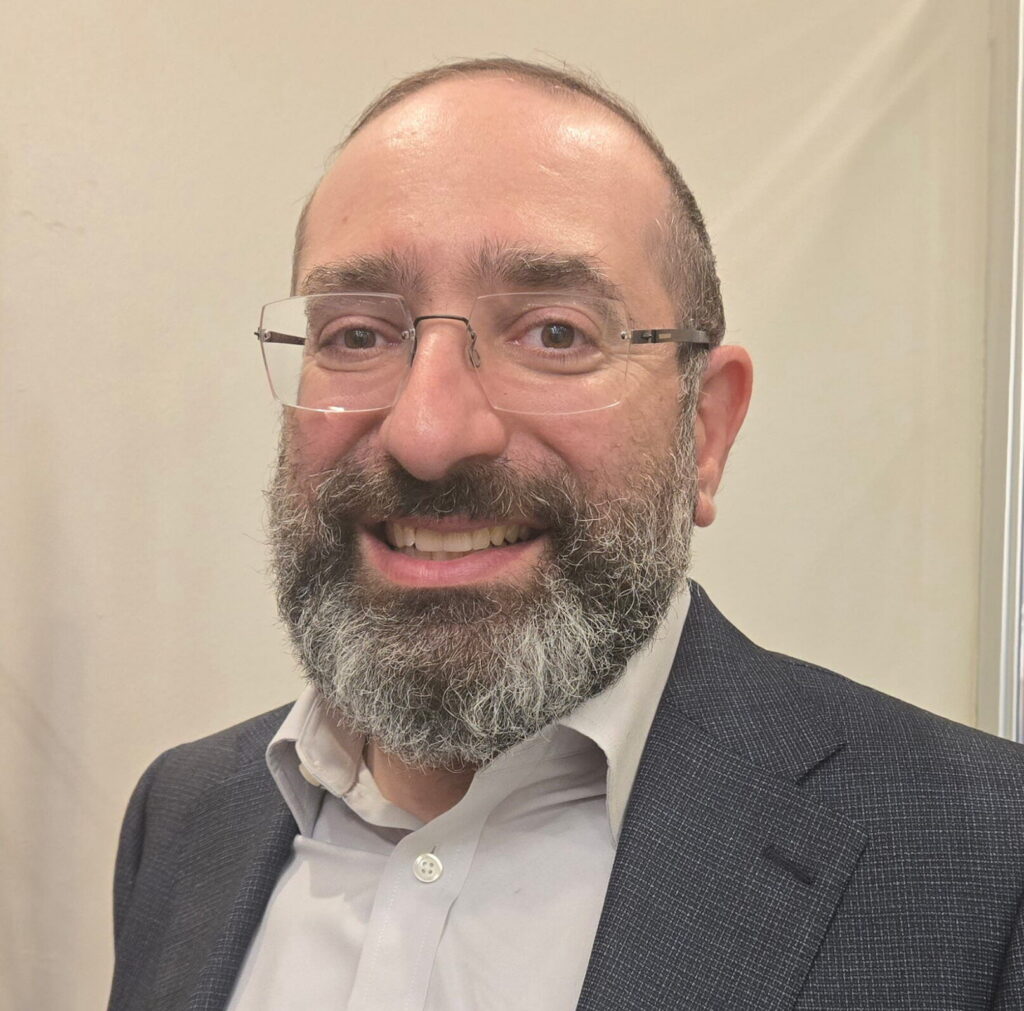
Surprise candidate Shimon Blau cleared to face off against Melat Kiros in November
Ernest Luning
ernest.luning@coloradopolitics.com
Updated 1 day ago
Unaffiliated congressional candidate Shimon Blau, a Denver doctor, has qualified by petition for the general election in Colorado’s 1st District, where Democrat Melat Kiros defeated 15-term U.S. Rep. Diana DeGette in last month’s primary, the Colorado Secretary of State’s Office...
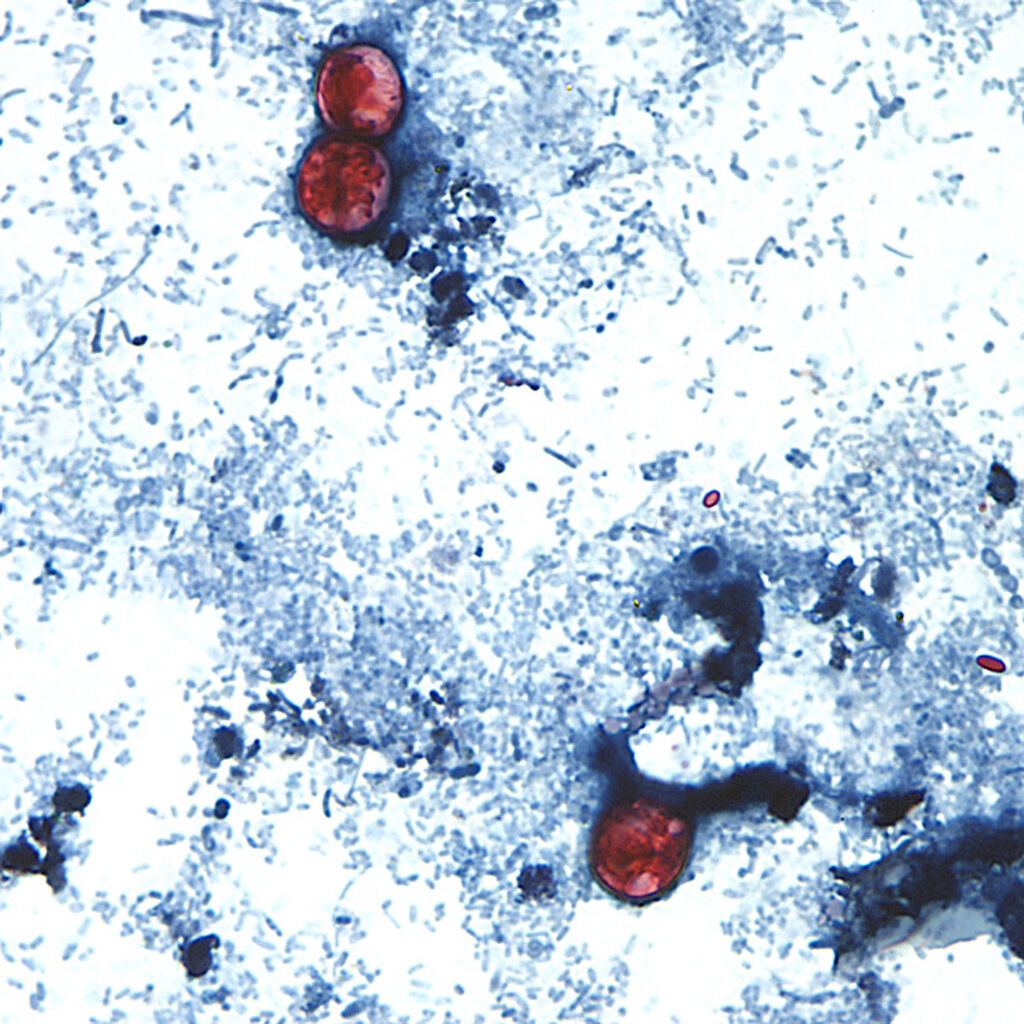
Colorado produce not tied to nationwide cyclospora outbreak, agriculture officials say
Marissa Ventrelli
marissa.ventrelli@coloradopolitics.com
Updated 17 hours ago
There is no indication that the recent outbreak of cyclospora, a fecal parasite that has contaminated food and water across nearly every state, can be linked to produce grown in Colorado, according to the state’s Department of Agriculture. “Colorado growers...
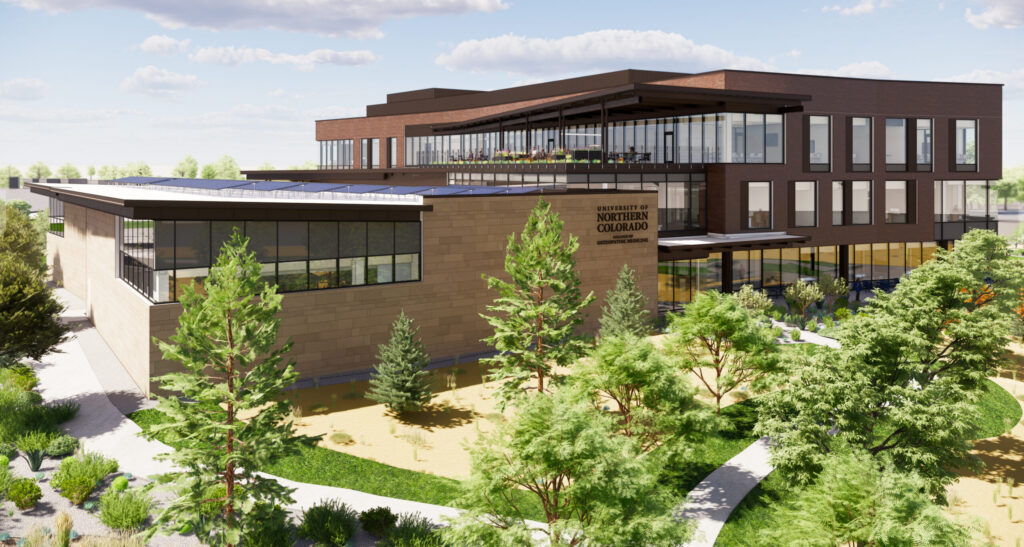
UNC opens College of Osteopathic Medicine
Marissa Ventrelli
marissa.ventrelli@coloradopolitics.com
Updated 1 day ago
The University of Northern Colorado held a grand opening for its new College of Osteopathic Medicine on Friday, with Gov. Jared Polis in attendance to celebrate the culmination of a two-year, $127.5 million project. The project was funded through legislation...
Colorado equal pay law does not require plaintiffs to allege gender-based retaliation, appeals court finds
Michael Karlik
michael.karlik@coloradopolitics.com
Updated 12 hours ago
The 2019 Colorado law aimed at rooting out pay discrimination on the basis of sex does not require a plaintiff to allege their employer retaliated against them for sex- or gender-related reasons, the state’s second-highest court decided on Thursday. Lawmakers...
Planning Commission rejects resident appeals to stop proposed data center
alex-edwards
alex.edwards@gazette.com
Updated 2 days ago
Editor’s note: This story has been updated to reflect comment from District 11 clarifying that it has not conducted a financial review of Project Taurus. The Colorado Springs Planning Commission rejected appeals Thursday night against a proposed artificial-intelligence data center...